
Pulses: Tiny superstars of the food world
Did you know that beans, chickpeas, lentils and peas are all part of a special group of food called pulses?

Pulses are seeds that grow inside pods on plants and are eaten all around the world. They come in all sorts of shapes, sizes and colours. Some are round, some are oval and some even look like little kidneys!
They’re not just tasty, they’re healthy too. Pulses give you:
- Plant protein to help your body grow and keep your muscles and bones strong
- Fibre to keep your tummy and digestion working well
- Minerals like iron to help carry oxygen around your body
Pulses also count as 1 of your 5 A DAY. Eating pulses is great for the planet too. If we eat more protein in plants, we can eat less protein from meat, and that’s better for the environment.
Different types of pulses
Here are some of the amazing pulses you may see in your meals:
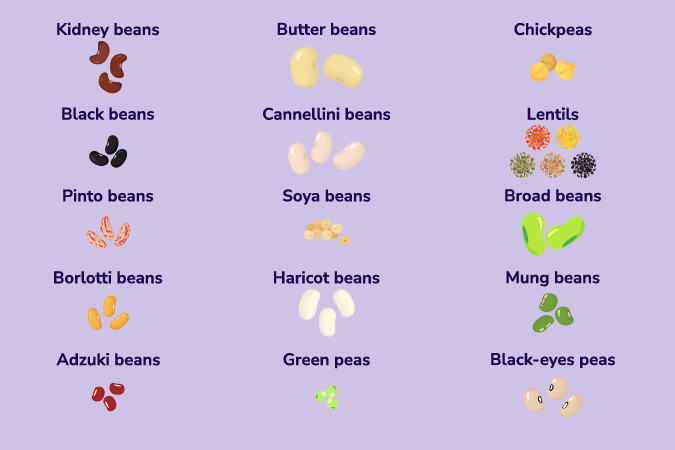
Can you spot any of these in your lunch or dinner?
Pulses from around the world
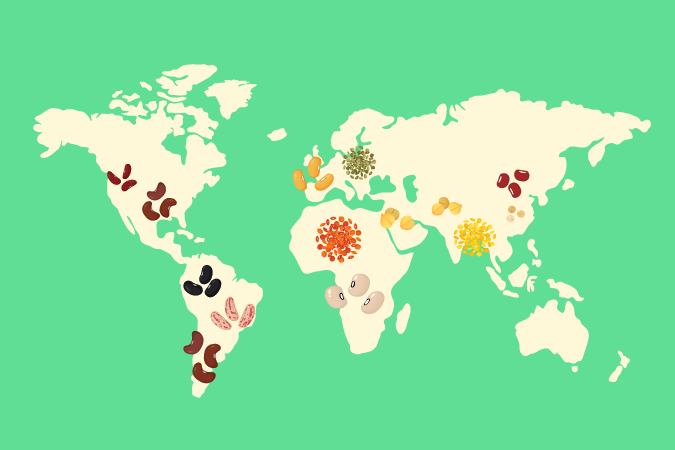
Pulses are loved all over the world. Let’s take a tasty trip to see how different cultures use them:
- Middle East: Chickpeas are used to make falafel and houmous.
- South Asia: Dal is made from lentils and chana masala is made from chickpeas, both full of delicious flavours and spices.
- South America: Black, kidney and pinto beans are used in tacos, fajitas and refried beans.
- Africa: Black-eyed peas are used in jollof rice and lentils are used in stews.
- Asia: Soya beans are used to make tofu and other soy products, and adzuki beans are used in desserts like mochi.
- Europe: Beans and lentils are popular in salads, soups and stews. In the UK, baked beans on toast is a classic.
- North America: Red beans and rice is a popular dish made with kidney beans.
As you can see, pulses are truly superstars of the food world.
Easy and delicious ways to eat more pulses
Pulses like beans, chickpeas and lentils are easy to add to meals. You might need a grown-up to help you with some of these recipes, but they’re fun to make and delicious to eat!
1. Use pulses to make dips
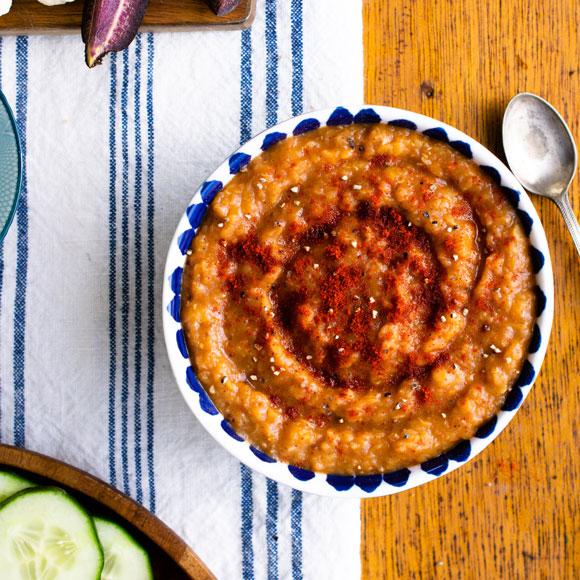
Blend pulses like beans and lentils with herbs, spices and other flavours like lemon. Ask a grown-up to help you use a blender to make a red lentil dip or broad bean dip. Enjoy them with crunchy veg sticks like peppers, cucumber and carrots.
2. Fill your sandwiches with pulses
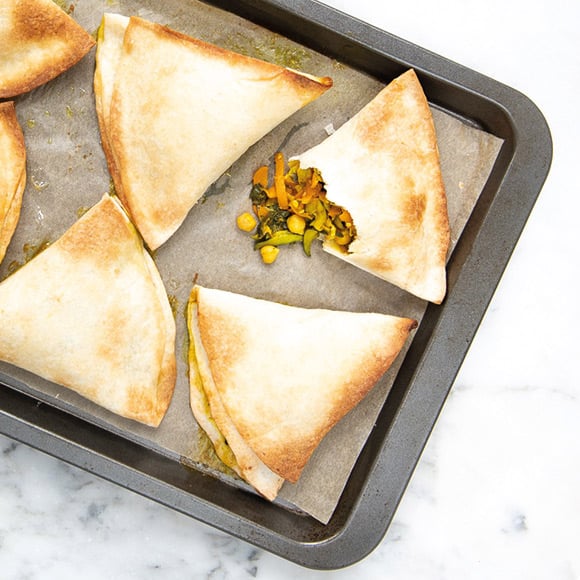
Pulses like chickpeas make great fillings. You can spread houmous in pitta bread or add chickpeas to a sandwich, wrap or samosa filling.
With a grown-up, try making a cheesy houmous pitta or chickpea and vegetable samosas for your lunchbox.
3. Try using pulses in sweet or savoury snacks
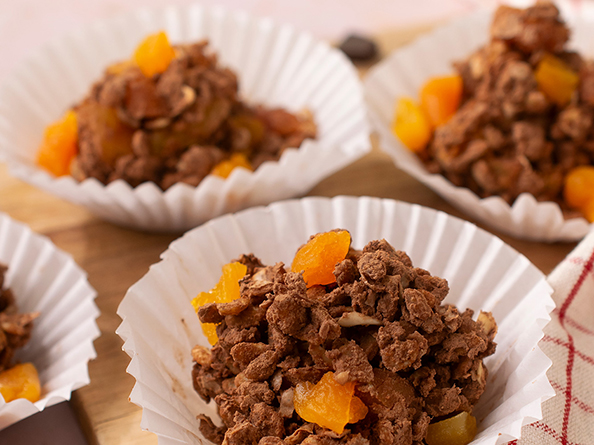
Ask a grown-up to help you make chocolate apricot bites with cannellini beans – a yummy sweet snack you can enjoy at school or at home. If you’re in the mood for something savoury, you can also try making falafel, another delicious snack made with chickpeas.
Child-friendly recipes using pulses
Sign up for e-news
Get our regular Eat Move Learn e-news with child-friendly recipes and activities to keep the whole family healthy and happy