Global Cancer Update Programme
We collaborate with world renowned experts across a wide range of disciplines to ensure that all our work is impartial and rigorous.
On this page
World Cancer Research Fund International’s Global Cancer Update Programme (CUP Global) analyses global research on how diet, nutrition and physical activity affect cancer risk and survival.
CUP Global Panel
The Panel brings expertise on the links between diet, nutrition, physical activity, body weight, and cancer, conducts rigorous evaluations of the strength of the evidence, and develops evidence-based recommendations for cancer prevention and survival.
-
Prof Lord John Krebs – Co-Chair
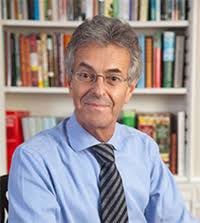 Prof Lord John Krebs, University of Oxford,
UK
Prof Lord John Krebs, University of Oxford,
UKLord John Krebs is Emeritus Professor of Zoology in the University of Oxford. His research area is behavioural ecology and he has published more than 300 research papers, reviews, articles and books.
Lord Krebs completed his undergraduate degree in Zoology (1966) and his DPhil (1970) at Pembroke College, Oxford. After a year as a Departmental Demonstrator in Ornithology at Oxford, he moved to the University of British Columbia as an Assistant Professor of Ecology (1970–73).
He spent a period at the University College of North Wales in Bangor as lecturer in Zoology (1973–75) before returning to Oxford as University Lecturer in Zoology in the Edward Grey Institute of Field Ornithology. Between 1988 and 2005, he was a Royal Society Research Professor at Oxford.
Lord Krebs was Chief Executive of the UK Natural Environment Research Council from 1994 to 1999 and founding Chairman of the UK Food Standards Agency from 2000 to 2005. In 2005, he gave the Royal Institution Christmas Lectures. From 2005–15 he served as Principal of Jesus College, Oxford.
He was appointed to the House of Lords in 2007, as an independent cross-bencher, served as Chairman of the House of Lords Science and Technology Select Committee from 2010 to 2014, and was a member of the Energy and Environment Select Committee from 2015–19.
In 2019–20 he chaired a Select Committee inquiry on Food, Poverty, Health and the Environment. He currently sits on the Science and Technology Select Committee.
He was President of the British Science Association in 2012–13. Between 2009 and 2017 he was a member of the UK Climate Change Committee and chaired its Adaptation Sub-Committee.
Lord Krebs is a scientific adviser to Marks & Spencer and Drax, and Chairman of Oxford Risk, a fintech spinout of Oxford University.
Lord Krebs has received many awards and honours, including a knighthood for services to science, 17 honorary degrees, Fellowship of the Royal Society, the US National Academy of Sciences, the American Philosophical Society, the US Academy of Arts and Sciences, and the German National Academy of Sciences (Leopoldina).
-
Prof Matty Weijenberg – Co-Chair
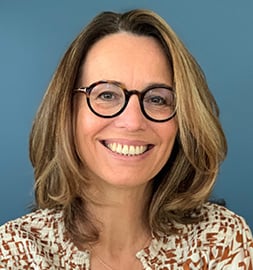 Prof Matty Weijenberg, Maastricht University, NL
Matty Weijenberg is a professor of Molecular Epidemiology of Cancer and the chair of the department of Epidemiology at Maastricht University (UM). Her research is part of the programme Prevention of the GROW Research Institute for Oncology and Reproduction at UM. She is the principal investigator of the Energy for life after ColoRectal cancer study (the EnCoRe study), a prospective cohort study focused on investigating the importance of lifestyle factors (diet, nutrition, physical (in)activity and body composition) for the prognosis and quality of life of people living with and beyond colorectal cancer. There is a special interest in fatigue, chemotherapy induced peripheral neuropathy (CIPN) and sleep. EnCoRe is also part of international consortia of colorectal cancer survivorship studies. One is on biomarkers related to FOlate-dependent one-carbon metabolism in Colorectal cancer recUrrence and Survival (FOCUS). The other is the METABOlic profiles across the Continuum of Colorectal Cancer consortium (MetaboCCC).
Within the nationwide prospective Netherlands Cohort Study on diet and cancer (NLCS), Matty Weijenberg is also involved in research on the importance of lifestyle factors in relation to the incidence and prognosis of colorectal cancer while accounting for (epi)genetic tumour heterogeneity and genetic variation. Matty is a member of the Working group on Lifestyle for the development of the 5th Edition of the European Code Against Cancer within the broader framework of the World Code Against Cancer, launched by the International Agency for Research on Cancer (IARC) and the World Health Organization (WHO).
-
Prof Monica Baskin
 Prof Monica Baskin, VCU Massey Comprehensive Cancer Center, US
Monica L. Baskin, PhD is a Professor of Hematology, Oncology and Palliative Care and Associate Dean for Cancer Innovation in the Virginia Commonwealth University School of Medicine and Deputy Director, Research at the Massey Comprehensive Cancer Center.
Prof Baskin is a licensed psychologist whose research focuses on advancing health equity related to cancer, obesity and other chronic diseases. Her research utilizes community-engaged methods to better understand and address individual, family, and environmental factors associated with the prevention and control of disease.
-
Prof Rajiv Chowdhury – Global Representative
 Prof Rajiv Chowdhury, Florida International University, US
Professor Rajiv Chowdhury is a medically trained global NCD epidemiologist. He currently works as chair of Global Health at the Robert Stempel College of Public Health at Florida International University. Before embarking on his US-based role, Professor Chowdhury worked at the University of Cambridge and University of Exeter in the UK, as a reader and professor in Global Health, respectively. At Cambridge, between 2008 and 2020, Rajiv co-established, as a founding PI, several pioneering NCD cohort studies in South/East Asia and served as the Scientific Director of a UKRI-funded £8.4M global NCD research program in South Asia (CAPABLE). Rajiv currently serves as a country expert in the Global Burden of Disease initiative. In addition, he maintains adjunct roles as a professor at the University of Bern in Switzerland and Executive Director at the South Asian Centre for Non-Communicable Disease Research in Bangladesh.
Rajiv’s research interests focus on investigating how environmental, societal and biological factors may influence the risks and inequities of non-communicable disease worldwide. His scientific publications have received >60,000 citations (his current publication h-index is 82) and informed multiple global guidelines. His work has also received significant media attention, appearing in top-tier outlets like The New York Times, CNN and BBC.
Dr Chowdhury was elected a Fellow of the American College of Epidemiology in 2021, and a Fellow of the European Society of Cardiology in 2016. In 2013, he received the Bill Gates Senior Prize for contributions to global health. Rajiv holds a doctoral degree in Public Health from the University of Cambridge, where he had the titles of Commonwealth Scholar and Gates Cambridge Scholar. He also received advanced academic training in Global Health at the Harvard and Johns Hopkins Schools of Public Health, in Global Nutritional Epidemiology at the Imperial College London, in Genetic Epidemiology at the Erasmus University Netherlands, and in Clinical Trials at the London School of Hygiene & Tropical Medicine.
-
Dr Mia Gaudet
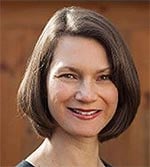 Dr Mia Gaudet, National Cancer Institute, US
Dr Mia Gaudet is the senior scientist for the NCI’s Connect for Cancer Prevention Cohort study. In this role, Dr Gaudet operationalizes the scientific direction of the study, oversees cohort management and activities and serves as the study’s chair in the Executive and DCEG Steering Committees.
She is the author of over 200 scientific articles on dietary, hormonal, and genetic risk factors for subtypes of breast cancer in individual and pooled observational studies. She has also co-authored “Genetic Epidemiology of Breast Cancer” in Women & Health (2013) and “Breast Cancer Epidemiology” in the 4th edition of Cancer Epidemiology and Prevention (2017), a premier reference text in cancer epidemiology.
In 2023, Dr Gaudet was recognized with the NCI DCEG Women Scientist Advisor’s Award for Outstanding Mentoring and Leadership. Dr. Gaudet has held academic positions at the American Cancer Society, Rollins School of Public Health at Emory University, Memorial Sloan-Kettering, and Albert Einstein College of Medicine. Dr Gaudet obtained her doctoral degree in epidemiology at the University of North Carolina at Chapel Hill. She completed a postdoctoral fellowship in Division of Cancer Epidemiology and Genetics at the NCI, where she currently works.
-
Prof Edward Giovannucci
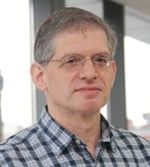 Prof Edward Giovannucci, Harvard University, US
Dr Edward Giovannucci is a Professor of Nutrition and Epidemiology at Harvard T.H. Chan School of Public Health. Dr Giovannucci graduated from Harvard University in 1980, and he received his MD from University of Pittsburgh in 1984. He did his residency in anatomic pathology at the University of Connecticut and then completed ScD in epidemiology from the Harvard TH Chan School of Public Health in 1992.
Over the past three decades, Dr Giovannucci’s work focuses on how nutritional, lifestyle and genetic factors affect the risk of development and progression of various malignancies, especially those of the large intestine, other gastrointestinal cancers, and prostate cancer. A specific interest has been understanding etiologic mechanisms underlying the relation between diet, physical activity, body weight and composition, and metabolic dysfunction and cancer risk. He currently serves as an American Cancer Society Clinical Researcher Professor.
-
Lynette Hill – Public Representative
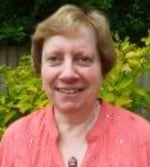 Ms Lynette Hill, UK
Having worked in a number of roles in the Civil Service, Lynette has a wide range of administrative, communication, financial and counselling skills. She first became aware of WCRF when working as part of an in-house Employee Assistance Programme and supporting staff with cancer diagnoses amongst many other health and welfare situations. Since leaving the Civil Service, she has worked in various support roles and has had the privilege of working alongside people from all walks of life including those who have a range of cancers and other chronic long term physical and mental health conditions which benefit from the cancer prevention research outcomes.
Working alongside people and seeing the impact of lifestyle choices has made Lynette passionate about how diet, nutrition and exercise can help with many aspects of physical and mental health and have a desire to ensure as many people as possible can benefit from this field of knowledge and new areas of research.
Lynette has found WCRF publications and advice to be a wonderful resource both personally and as a practitioner and hopes to be able to help build on and contribute to these as the public representative on the Global Cancer Update Programme.
-
Prof Ellen Kampman
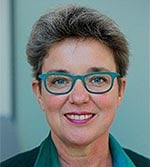 Prof Ellen Kampman, Wageningen University, NL
 Ellen Kampman is a nutritional epidemiologist and Chair in Nutrition and Disease at Wageningen University.
The mission of the Nutrition and Disease group is to decrease the risk of (chronic) disease and improve the health of those with disease through healthy and sustainable nutrition. The group is a multi-disciplinary team, including medical biologists, nutritionists, epidemiologists and physicians, conducting observational and intervention studies in high and low/medium income countries.
Her own research over the last 40 years focuses on the role of lifestyle in cancer prevention and prognosis. She published more than 300 original scientific peer-reviewed papers and book chapters, was senior editor and reviewer of various scientific journals, and is a member of (inter)national advisory and scientific committees. She obtained research grants from governmental and non-governmental bodies and supervised more than 30 PhD students.
Ellen studied Nutrition and Health at Wageningen University, was a visiting fellow at the Boston Harvard School of Public Health and received postdoctoral training at the Fred Hutchinson Cancer Research Centre in Seattle, USA.
-
Prof Sarah Lewis – Chair of the Expert Committee on Cancer Mechanisms
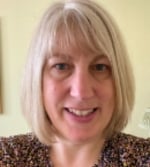 Prof Sarah Lewis, University of Bristol, UK
I am a Professor of Molecular Epidemiology in the Department of Population Health Sciences within the Medical School at the University of Bristol, where I have worked since January 2004.
My research is focused on Mendelian randomisation and synthesising evidence on biological mechanisms for disease, in particular in relation to cancer and orofacial cleft.
I’m currently a work package lead and co-investigator of a The Integrative Cancer Epidemiology Programme funded by CRUK.
I hold two WCRF project grants as PI and am a co-applicant on two further WCRF grants awarded to Dr Brigid Lynch at the Victoria Cancer Centre in Melbourne, Australia, and Dr Kostas Tsilidis at the University of Ioannina in Greece and Imperial College London.
I am also the Bristol lead for a recently awarded EU Horizon2020 grant on gallbladder cancer, and the Mendelian randomisation expert and training lead for the mental health strand of the NIHR Biomedical Research Centre grant.
> View the rest of the Expert Committee on Cancer Mechanisms
-
Prof Anne May
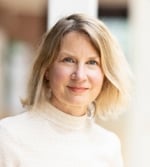 Prof Anne May, University Medical Center Utrecht & Netherlands Cancer Institute, NL
Prof May is a professor in clinical epidemiology of cancer survivorship and Director of Research at the Julius Center for Health Sciences and Primary Care, University Medical Center Utrecht, The Netherlands. She also leads the “Lifestyle and Survivorship Care” group at the Netherlands Cancer Institute.
Prof May has been involved in exercise-oncology research for over 20 years, conducting multi-center randomized controlled trials to examine the effects of exercise on treatment-related side effects in patients with, amongst others, breast, colon or oesophageal cancer.
Currently, she is leading the international PREFERABLE consortium investigating effects of exercise in patients with metastatic breast cancer (EFFECT study) and effects of individualized live-remote exercise in patients with long lasting complaints after cancer treatment (LION-RCT) in Europe and Australia. She also serves at lifestyle and cancer related guideline panels (ASCO, ACSM).
-
Prof Yikyung Park
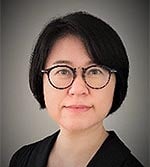 Prof Yikyung Park, Washington University School of Medicine in St. Louis, US
 Yikyung Park, ScD, is a Professor in the Division of Public Health Sciences, Department of Surgery at Washington University School of Medicine in St. Louis and Co-Leader of the Cancer Prevention and Control Program at the Alvin J. Siteman Cancer Center. She previously served at the U.S. National Cancer Institute, where she received the Award of Merit for her leadership of the NIH-AARP Diet and Health Study.
Prof Park’s research focuses on the impact of diet, lifestyle, and environmental exposures on cancer risk and outcomes in both pediatric and adult populations. She is also dedicated to advancing methods in nutritional epidemiology, including dietary assessments, measurement error corrections, and dietary biomarkers.
Additionally, as a member of the Cancer Screening Research Network, Prof Park conducts the Vanguard study evaluating the feasibility of a randomized clinical trial of multi-cancer detection assays.
Prof Park’s work has significantly influenced national and international guidelines, including the Dietary Guidelines for Americans and WCRF Cancer Prevention Recommendations.
-
Prof Tobias Pischon
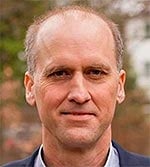 Prof Tobias Pischon, Max Delbrück Center for Molecular Medicine, DE
Tobias Pischon is medical doctor and epidemiologist with a doctoral degree in medicine (Dr med.), a master degree in public health (MPH), and the facultas docendi (Habilitation) and the venia legendi in epidemiology and social medicine. He is Full Professor for Molecular Epidemiology at the Charité Universitätsmedizin Berlin and Head of the Molecular Epidemiology Research Group and of the Biobank Technology Platform at the Max-Delbrück-Center for Molecular Medicine (MDC).
Past appointments include positions at the Harvard School of Public Health, Boston, MA, and at the German Institute of Human Nutrition (DIfE). He has been working as investigator on the Nurses’ Health Studies I and II, the Health Professionals Follow-up Study, and the European Prospective Investigation into Cancer and Nutrition (EPIC). He is among the principal investigators and member of the board of directors of the German National Cohort (NAKO Gesundheitsstudie).
Dr Pischon was stipend of the German Academic Exchange Service (DAAD) and received several awards from scientific societies. His research focuses on the impact of metabolic factors, diet and lifestyle on the risk of chronic diseases, particularly cancer, cardiovascular disease, and diabetes. His research results have been published in major international journals.
-
Dr Gianluca Severi
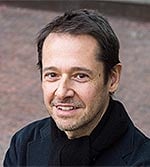 Dr Gianluca Severi, INSERM, France and University of Florence, IT
I am a senior scientist in the field of biostatistics and cancer epidemiology with research interests in the use of novel tools and innovative approaches to study the aetiology of cancer and other chronic diseases associated with ageing.
After almost ten years as Senior Research Fellow and Deputy Director at the Cancer Epidemiology Centre (CEC) of the Cancer Council Victoria in Melbourne (Australia) where I coordinated research programs based on the Melbourne Collaborative Cohort Study around the aetiology of hormone-dependent cancers, and in particular prostate cancer, in 2015 I moved to France where I was recruited as Research Professor (Inserm, Directeur de Recherche) and Team Leader within the Centre for Research on Epidemiology and Population Health (CESP, UMR 1018). The team “Exposome, Heredity, Cancer and Health” that I created in 2020 conducts research to improve our knowledge of the aetiology of cancer and other chronic diseases through the study of the interplay between individual susceptibility, the exposome and its molecular signatures, and the biological processes that constitute the organism’s responses.
My team runs the multi-generation familial cohort E3N-Generations (www.e3n-generations.fr) that includes the French arm of EPIC (epic.iarc.fr) and aims at studying familial aggregation of risk factors and diseases and novel exposures in younger generations using innovative tools to collect information on lifestyle, environmental exposures and early biomarkers of chronic diseases and ageing.
Since 2019 I am an Associate Professor (part-time) at the University of Florence, Italy, and I teach courses in molecular epidemiology and biostatistics for medical students and for students of the master’s degree in nursing studies.
CUP Global Observers
The Observers primarily oversee and provide feedback on the formulation of judgements and recommendations by the Panel, support the dissemination of CUP Global outputs, and serve as representatives for their organisations by sharing information relevant to the work of CUP Global (as appropriate).
-
Dr Christian Abnet
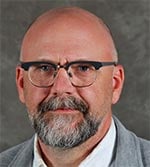 Dr Christian Abnet, National Cancer Institute, US
Dr Christian Abnet is a leading expert in the etiology of esophageal and gastric cancer and in the study of the oral microbiome. Dr Abnet earned a Ph.D. in environmental toxicology from the University of Wisconsin (1997) and an M.P.H. in epidemiology from the University of Minnesota (1998). He joined the NCI as a Cancer Prevention Fellow in the Division of Cancer Prevention and subsequently was appointed as a tenure-track investigator in DCEG.
In 2014, he was awarded scientific tenure by NIH and then named Director of the newly formed Metabolic Epidemiology Branch the following year. He was elected to the American Epidemiological Society in 2021.
-
Dr Pietro Ferrari
Dr Pietro Ferrari, International Agency for Research on Cancer, FR
-
Shalini Jayasekar Zürn
 Shalini Jayasekar Zürn, Union for International Cancer Control (UICC), CH
Shalini Jayasekar Zürn is a senior advocacy manager with the Union for International Cancer Control (UICC). She is a biologist by training and has extensive experience on the issues of access to medicines.
Shalini gained experience in this topic by working with the World Health Organization on their Model List of Essential Medicines as well as Médecins Sans Frontières’s access campaign and other NGOs. She also has experience working with the pharmaceutical industry.
-
Dr Jason Montez
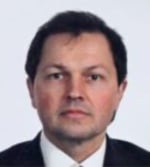 Dr Jason Montez, World Health Organisation, CH
Jason Montez is a Scientist in the Standards and Scientific Advice unit within the Department of Nutrition and Food Safety at the World Health Organization (WHO) in Geneva, Switzerland. His work includes the development and dissemination of WHO nutrition guidelines with a focus on healthy diet.
Prior to joining WHO in 2013, Dr Montez was a consultant to WHO and other organisations, Director of Research and senior scientist in the private sector, and co-founder of a biotechnology start-up. He received a PhD in Biomedical Sciences from The Rockefeller University and MPH from New York University, both located in New York, USA.
Expert Committee on Cancer Mechanisms (MEC)
The Expert Committee on Cancer Mechanisms provides expertise on the biological mechanisms linking diet, nutrition, physical activity, and body weight to cancer, guiding mechanistic reviews, evaluating the strength of the evidence, and formulating biological plausibility statements.
-
Prof Sarah Lewis – Chair
Prof Sarah Lewis, University of Bristol, UKI am a Professor of Molecular Epidemiology in the Department of Population Health Sciences within the Medical School at the University of Bristol, where I have worked since January 2004.
My research is focused on Mendelian randomisation and synthesising evidence on biological mechanisms for disease, in particular in relation to cancer and orofacial cleft.
I’m currently a work package lead and co-investigator of a The Integrative Cancer Epidemiology Programme funded by CRUK.
I hold two WCRF project grants as PI and am a co-applicant on two further WCRF grants awarded to Dr Brigid Lynch at the Victoria Cancer Centre in Melbourne, Australia, and Dr Kostas Tsilidis at the University of Ioannina in Greece and Imperial College London.
I am also the Bristol lead for a recently awarded EU Horizon2020 grant on gallbladder cancer, and the Mendelian randomisation expert and training lead for the mental health strand of the NIHR Biomedical Research Centre grant.
-
Prof Stephen Hursting – Deputy-Chair
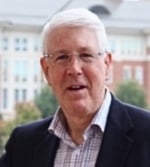 Prof Stephen Hursting, University of North Carolina, US
Dr Stephen Hursting is the AICR/WCRF Distinguished Professor of Nutrition and Cancer in the Department of Nutrition, Nutrition Research Institute, and Lineberger Comprehensive Cancer Center at the University of North Carolina (UNC) at Chapel Hill. He earned his PhD in nutritional biochemistry and MPH in nutritional epidemiology from UNC-Chapel Hill, and he completed postdoctoral training in molecular carcinogenesis and cancer prevention at the National Cancer Institute (NCI).
Prior to joining the UNC faculty in 2014, Dr Hursting was Professor and Chair of the Department of Nutritional Sciences at the University of Texas (UT) at Austin, the McKean-Love Endowed Chair of Nutritional, Molecular and Cellular Sciences in the UT College of Natural Sciences, and Professor of Molecular Carcinogenesis at the UT-MD Anderson Cancer Center (2005-14). He also previously served as Chief of the NCI’s Nutrition and Molecular Carcinogenesis Laboratory Section and Deputy Director of the NCI’s Cancer Prevention Fellowship Program (1999-2005).
His research interests center on precision nutrition as applied to cancer prevention, particularly the molecular and metabolic mechanisms underlying obesity- cancer associations, and the interplay between obesity, metabolism, host genetics and cancer. Primarily using preclinical models (including human and mouse cell lines and organoids, genetically engineered mouse models of cancer, and genetically heterogeneous Collaborative Cross mice) in parallel with human studies, his lab is currently focusing on the molecular and metabolic changes occurring in response to lifestyle-based (dietary and physical activity); surgical (bariatric surgery), or pharmacologic manipulation of energy metabolism and cell signalling pathways.
-
Dr Zdenko Herceg
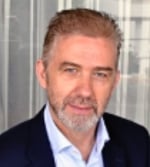 Dr Zdenko Herceg, International Agency for Research on Cancer, FR
Dr Zdenko Herceg has an international reputation as the leader in the application of epigenetic/epigenomic analyses to mechanistic and profiling studies of carcinogenesis and discovery of biomarkers of environmental exposures and cancer risk. He is currently Head of Branch of Epigenomics and Mechanisms at International Agency for Research on Cancer (Lyon, France).
Prior to joining IARC (1997), he was a post-doctoral scientist at the Research Institute of Molecular Pathology (IMP) in Vienna, Austria. He earned his Ph.D. (in 1995) from the University of St Andrews (UK) in the field of oncogenic transformation of human epithelial cells.
Dr Herceg has developed and co-ordinated a number of multidisciplinary projects involving epigenomics and mechanistic studies involving international population-based studies. These include major initiatives for international interdisciplinary collaborations (funded by major international and national funding agencies).
These studies lead to conceptual breakthroughs and major advances in understanding molecular causes of tumorigenesis and to discovery of powerful molecular biomarkers relevant to cancer causation and opened new avenues for research in this emerging field. Dr Herceg authored more than 200 original peer-reviewed research publications in the field of epigenetics and cancer research.
-
Dr Lee Jones
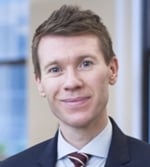 Dr Lee Jones, Beckman Research Institute of the City of Hope, US
Dr Lee W. Jones is a Professor in the Division of Outcomes in the Department of Population Sciences at the Beckman Research Institute of the City of Hope in Los Angeles, CA. Jones completed PhD and Postdoctoral Fellowship in Exercise Oncology at the University of Alberta (Edmonton, Alberta, Canada). His research program focuses on a translational approach to the investigation of exercise on cancer pathogenesis. He has published numerous scientific articles, and his work is supported by the National Institutes of Health and AKTIV Against Cancer.
-
Dr Dieuwertje Kok
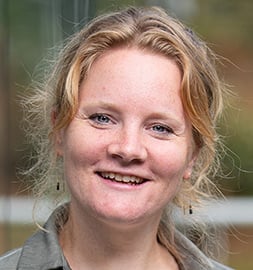 Dr Dieuwertje Kok, Wageningen University & Research, NL
Dr Kok is an Associate Professor at the Division of Human Nutrition and Health at Wageningen University & Research. After a training in Medical Biology, she obtained her PhD from Wageningen University. She has 20 years of experience with research within the field of nutrition and cancer. Her research interests and expertise relate to nutrition in relation to cancer treatment, with a particular focus on treatment-related side-effects in patients with colorectal cancer or paediatric cancer.
Dr Kok is an active member of various national and international expert groups, including the lifestyle team of the Dutch Colorectal Cancer Group (DCCG), the working group for peri-operative care and prehabilitation, and the multinational association for supportive care in cancer (MASCC). She is principal investigator for various observational and intervention studies focussing on treatment-related outcomes in patients with cancer.
-
Dr Béatrice Lauby-Secretan
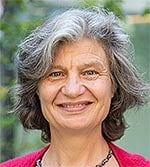 Dr Béatrice Lauby-Secretan, International Agency for Research on Cancer, FR
Dr Lauby-Secretan obtained her PhD in Toxicology from St Bartholomew & the Royal London School of Medicine and Dentistry in London, UK. During her several positions as post-doctoral scientist in London, UK, Boston and Los Angeles, USA and Lyon, France, her research focused on the molecular and cellular aspects of carcinogenesis. In 2022, she joined the IARC Monographs Programme, where she gained expertise in exposure assessment and observational epidemiology to complement her expertise in experimental research. During that period, she also contributed significantly to the IARC Handbooks of Cancer Prevention.
Since 2014, she has been responsible for the relaunch and the development of the IARC Handbooks of Cancer Prevention Programme. The Handbooks provide comprehensive reviews and consensus evaluation of interventions and strategies aiming at reducing cancer incidence or cancer mortality. The topics reviewed cover both primary and secondary prevention. Further information is available on the IARC Handbooks website at handbooks.iarc.fr.
Dr Lauby-Secretan was nominated Head of the IARC Handbooks Programme in August 2017 and is Deputy Head of the Evidence Synthesis and Classification Branch.
-
Prof Richard Simpson
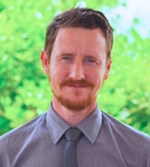 Prof Richard Simpson, University of Arizona, US
Prof Simpson is a full Professor in the School of Nutritional Sciences and Wellness (College of Agriculture and Life Sciences) at the University of Arizona and hold joint appointments in Pediatrics (College of Medicine), Immunobiology (College of Medicine), the Arizona Cancer Center and the Bio5 Institute. His research is concerned with the effects of exercise on the immune system in the context of cancer, aging and human performance.
Major focus areas include understanding
- how exercise and other behavioral interventions can offset age-related decrements in the normal functioning of the immune system (immunosenescence),
- how exercise-induced adrenergic receptor signaling can be used to improve anti-cancer immunity and augment the manufacture and efficacy of cancer therapeutics,
- the interplay between the immune and neuroendocrine system during high level human performance and extreme isolation (e.g. space travel), and
- how the immune system can be manipulated to develop potent cell therapies that will help eliminate cancer.
He is the current president-elect of the International Society of Exercise Immunology (ISEI), a fellow of the American College of Sports Medicine (ACSM) and I sit on the editorial boards of the following journals: Brain, Behavior and Immunity; Exercise Immunology Reviews (Associate Editor), and Immunity and Ageing.
Prof Simpson has published over 120 peer-reviewed articles and book chapters and have served as the primary mentor for >20 PhD students and postdoctoral scientists. His current/recent research is supported by NASA, the National Institutes of Health (NIH) and industry.
-
Dr Fred K. Tabung
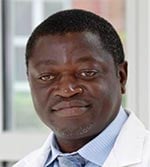 Dr Fred K. Tabung, The Ohio State University, US
I am an associate professor of Internal Medicine at The Ohio State University (OSU) and a member of the Molecular Carcinogenesis and Chemoprevention Program at the OSU Comprehensive Cancer Center – James. My research is focused on understanding how diet influences cancer biology and uncovering the underlying mechanisms that can be leveraged to improve outcomes across the cancer continuum.
My career in oncology began during my early experience working in a pathology lab where I assisted in diagnosing cancers, many of which were already at advanced stages. This recurring pattern deeply motivated me to pursue cancer prevention with the goal of identifying disease earlier or stopping it before it starts. As I progressed in my academic and professional training, I was drawn to the powerful role of nutrition in modifying cancer risk and treatment response.
My current role includes leading the Diet, Metabolism, and Cancer Prevention Outcomes Lab. We study how diet-related metabolic imbalances, particularly those linked to obesity and type 2 diabetes, influence cancer risk and progression. Our research focuses on identifying dietary patterns that reduce chronic inflammation and insulin response, and how these diets affect biological processes involved in cancer development and progression.
Our lab is organized around a Population Science and Data Integration (PSDI) model that bridges discovery and application. We conduct large-scale population studies to identify how dietary patterns influence metabolism and cancer risk, and we complement this with clinical research focused on how diet affects the tumor microenvironment. Insights from both research areas inform our translational research efforts, where we develop and test practical dietary interventions that can improve outcomes for cancer patients and those at elevated risk.
-
Prof Suzanne Turner
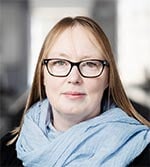 Prof Suzanne Turner, University of Cambridge, UK
Suzanne obtained her PhD from the world-renowned Paterson Institute for Cancer Research and the Christie Hospital in Manchester where she examined the potential toxic side-effects of chemoprotective gene therapy. This work was a collaborative effort with what was at that time the AstraZeneca Central Toxicology Labs at Alderley Edge.
Following this training period Suzanne moved to a research post at the Babraham Institute in Cambridge where under the guidance of Dr Denis Alexander she began to investigate mechanisms of Lymphomagenesis, a subject that she has pursued to become a world-expert in paediatric lymphomas, specifically Anaplastic Large Cell Lymphoma (ALCL). For the past 20 years, Suzanne has been leading an academic research group at the
University of Cambridge within the Department of Pathology and based at the Addenbrooke’s Biomedical campus in Cambridge. It is here that Suzanne conducts academic research of an international standard and teaches and examines aspects of the medical, veterinary and natural science tripos. Suzanne is also the director of teaching and deputy head of the Department of Pathology.
In 2007, Suzanne was awarded the prestigious Leukaemia and Lymphoma Research (LLR; now Blood Cancer UK) Bennett Fellowship and in 2012 a further 5-year senior lectureship award. Amongst her achievements are the inception and establishment of the European Research Initiative on ALCL (www.erialcl.net), a study group that brings together scientists from across Europe to foster collaboration and advancement in this important area of health research. Suzanne was also the lead of ‘ALKATRAS’, a European Union Marie Curie Innovative Training Network of 14 research groups in 7 EU countries and was the non-clinical chair of the European Inter-Group for Collaboration into Childhood Non-Hodgkin Lymphoma (EICNHL). Suzanne co-chairs the Cancer Research UK (CRUK) Cambridge Centre Paediatric Programme and is biological lead for the National Cancer Research Institute (NCRI) paediatric lymphoma Clinical Study Group (CSG). She is also the coordinator of the Marie Curie Innovative Training Network ‘FANTOM’. Suzanne collaborates with a wide array of scientists and labs around the world, most notably the Uganda Cancer Institute in Kampala with whom she is working towards developing better therapies for children with cancer.
Amongst her other interests Suzanne is the scientific advisor to the Alex Hulme Foundation and Francesca Richardson Trust. She is also a member of both the American and British Associations for Cancer Research (BACR/AACR), the Children’s Cancer and Leukaemia Group (CCLG) in the UK and the International Society for Paediatric Oncology (SIOP). Suzanne also sits on the scientific committee of SIOP, the MHRA plastics, reconstructive and aesthetic surgery (PRASEAG) committee and the European Commission’s Scientific committee on Health, Environmental and Emerging Risks (SCHEER) working group on breast implants and cancer. In addition, she is a member of the review panels of the Blood Cancer UK fellowships committee and the CCLG research advisory group.
WCRF International Scientific Community of Experts
The primary role of the CUP Global Scientific Community of Experts is to support the activity of the programme on highly specialised topics that align with their expertise (eg life course, ultra-processed foods, cancer survivorship, obesity, etc).
-
Dr Tanya Agurs-Collins
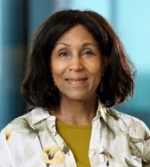 Dr Tanya Agurs-Collins, National Cancer Institute, US
Dr Tanya Agurs-Collins is a Program Director in the Behavioral Research Program, Division of Cancer Control and Population Sciences, National Cancer Institute (NCI).
She is responsible for directing, co-ordinating and managing a research grant portfolio in obesity, diet and weight loss interventions for cancer prevention and control. Dr Agurs-Collins’ research focuses on racial/ethnic disparities in obesity and diet on cancer risk and survival.
Dr Agurs-Collins has a PhD in Nutritional Sciences with an emphasis in epidemiology and an MS in Public Health Nutrition from the Pennsylvania State University, University Park, PA.
She is a registered dietitian with the Academy of Nutrition and Dietetics and a member of The Obesity Society and the American Society for Nutrition.
-
Prof Annie Anderson
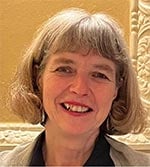 Prof Annie Anderson, University of Dundee, UK
Annie S. Anderson BSc PhD RD FRCP(Edin) FRSE FSE(Scot) is Emerita Professor of Public Health at Ninewells Medical School, University of Dundee.
She trained in nutrition and after 2 years clinical dietetic practice in Cambridge began an academic career. Following a PhD at the University of Aberdeen and research posts at the University of Glasgow and the MRC Medical Sociology Unit she was appointed to a professorial position in the University of Dundee in 1996.
Her research has focussed on theory based, behaviourally focused, dietary and weight management interventions both at a population and individual level with a special interest in cancer prevention.
She has undertaken a number of international and national roles including: advisor to WHO International Agency for Research (IARC) on the development of The European Code Against Cancer; member of the expert working group on the Cancer Prevention handbook Absence of Excess Body Fat; Chair of the grant panel for The World Cancer Research Fund International; and member of the UK Scientific Advisory Committee on Nutrition (SACN). She was Chair of the National Prevention Research Initiative (NPRI) (Medical Research Council) scientific committee from 2012 to 2016 and is a past President of the UK Society for Behavioural Medicine.
-
Dr Jennifer Baker
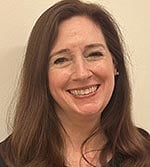 Dr Jennifer Baker, Frederiksberg Hospital, DK
Dr Jennifer L. Baker is the Head of Research in Lifecourse Epidemiology at the Center for Clinical Research and Prevention, Copenhagen University Hospital-Bispebjerg and Frederiksberg in Denmark. She is an experienced leader of high-impact research projects funded by government and private foundations.
Dr Baker and her team use big data to investigate causes and consequences of obesity across the lifecourse. The work of Dr Baker and her team have demonstrated numerous harmful long-term consequences of obesity in children, including 12 forms of cancer, heart disease and type 2 diabetes. She has published more than 190 papers in the field.
Dr Baker has over a decade of editorial experience and serves as an Associate Editor for three journals in the field of obesity. She is an internationally recognized expert in obesity in children, and she regularly teaches and speaks at conferences.
Dr Baker serves on many international scientific committees in the fields of obesity and cancer. Dr Baker is currently the President-elect for the European Association for the Study of Obesity.
-
Prof Elisa Bandera
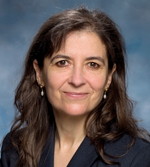 Prof Elisa Bandera, Rutgers Cancer Institute of New Jersey, US
Professor and Chief, Cancer Epidemiology and Health Outcomes, Cancer Prevention and Control Program Leader, and Unilever Endowed Chair for the Study of Diet and Nutrition in the Prevention of Chronic Disease at the Rutgers Cancer Institute of New Jersey and Professor of Medicine, Robert Wood Johnson Medical School New Brunswick, New Jersey.
Prof Bandera’s major research interests include the impact of obesity on breast and ovarian cancer risk, and treatment outcomes and survival, with a focus on cancer health disparities.
She has served as principal investigator in several epidemiologic studies, including the New Jersey Ovarian Cancer Study, which is a member of the Ovarian Cancer Association International Consortium, the Jersey Girl Study (a study evaluating factors affecting puberty in girls), the Women’s Circle of Health Study (a study of breast cancer in African-American women, which is a member of the AMBER Consortium), the Women’s Circle of Health Follow-up Study (a cohort study of African-American breast cancer survivors), and KP-ROCS (a cohort study evaluating racial/ethnic disparities in ovarian cancer).
Her research has been funded by several grants from the National Cancer Institute. Prof Bandera led the systematic literature review and meta-analysis on endometrial cancer in support of the 2007 WCRF/AICR Second Expert Report and served for more than 10 years as a member of the WCRF/AICR Expert Panel for the Continuous Update Project and the 2018 WCRF/AICR Third Expert Report.
-
Dr Martijn Bours
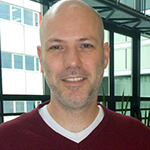 Dr Martijn Bours, Maastricht University, NL
Martijn Bours is an epidemiologist and a movement scientist and physiotherapist by training. Since 2002, he has been working at the Department of Epidemiology of Maastricht University in the Netherlands.
He obtained his PhD degree in 2007 and is an associate professor involved in research on colorectal cancer survivorship, as well as research on risk-based screening of melanoma.
His main research interests are the role that lifestyle behaviour (dietary habits and physical activity) and related factors (body composition) play in the health, quality of life and functioning of survivors of colorectal cancer. Dr Bours has a special interest in applying novel causal inference methods in observational research.
His research is embedded within the GROW Research Institute for Oncology and Reproduction of the Maastricht University Medical Center.
-
Dr Paul Chadwick
 Dr Paul Chadwick, University College London, UK
Paul Chadwick is a Consultant Clinical Psychologist, Honorary Associate Professor at the UCL Centre for Behaviour Change, and Co-Director of the NIHR DHSC Policy Research Unit in Behavioural Science. He works on the development of interdisciplinary approaches to research and practice in behaviour change.
Paul has been at the forefront of developing, evaluating and disseminating evidence-based approaches to obesity and diabetes management in the UK and internationally, and works on several large trials of behaviour change interventions funded by the CDC and NIHR.
As a clinical psychologist he has developed several scalable interventions for diabetes prevention and remission, which are implemented at scale through the NHS Low Calorie Diet and Better Health programmes. He has held senior leadership positions in the NHS, working as psychology lead for diabetes across north central London.
More recently he has been developing methods to integrate systems and behaviour change theory, and testing their application to transform complex systems such as those involved in energy, biodiversity, food and equality for individuals of Black and Minority Ethnicities.
-
Prof Ellen Copson
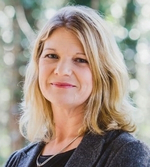 Prof Ellen Copson, University of Southampton, UK
Prof Copson is Professor of Medical Oncology and honorary medical oncology consultant at the University of Southampton, where she treats patients with early and advanced breast cancer. Following a PhD studying the molecular genetics of heritable breast cancer, Prof Copson developed a particular interest in the genomic and modifiable host factors that influence the outcome of early breast cancer.
She is involved with research studies investigating the impact of breast cancer genomics and body composition/nutrition factors on oncological outcomes. Prof Copson is lead oncologist of the observational POSH study, a large national cohort study of young breast cancer patients, and of the CANDO 3 pilot study of body composition and chemotherapy toxicity, which is recruited early breast cancer patients at cancer centres across the UK.
Prof Copson also acts as clinical adviser for several early breast cancer survivorship studies and is principle investigator for observational and interventional clinical trials in early and advanced breast cancer. Ellen is a member of the UK Breast Cancer Clinical Studies Group and is on the executive committee of the UK Breast Cancer Group.
Prof Copson has been co-chair of the Wessex Molecular Tumour Board since 2017 and cancer lead of the West Midland, Oxford and South Central Genomic Laboratory Hub since October 2021. She is co-chair of the oncology workstream of the Health Education England GeNotes educational resource initiative.
Locally, Ellen is oncology lead for the University of Southampton undergraduate medical course.
-
Prof Wendy Demark-Wahnefried
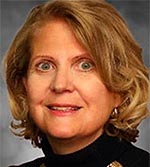 Prof Wendy Demark-Wahnefried, University of Alabama, US
Wendy Demark-Wahnefried is Professor Emerita of Nutrition Sciences at the University of Alabama at Birmingham (UAB). Her research ranges from determining mechanisms of action of nutrition-based therapies to developing and testing home-based interventions that are scalable and which improve diet, physical activity and functional status among cancer survivors.
This research has been supported by 17 NIH grants and resulted in more than 350 peer-reviewed publications. Prof Demark-Wahnefried has been recognised as a Komen Professor of Survivorship and an American Cancer Society Clinical Research Professor.
She has served on several committees including: the National Cancer Policy Forum of the National Academy of Sciences, guidelines panels of the American Cancer Society, World Cancer Research Fund, American College of Sports Medicine, and American Society of Clinical Oncology, the Biden Cancer Initiative, and as a study section member for the NIH Center of Scientific Review.
Her research teams are testing the impact of a web-based diet (weight loss) and exercise intervention entitled AiM, Plan and act on LIFestYles (AMPLIFY) among older survivors of obesity-related cancers across the continental US.
-
Prof Folakemi Odedina
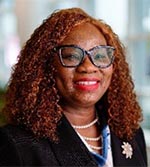 Prof Folakemi Odedina, Mayo Clinic, US
Prof Folakemi Odedina (PhD, BPharm) is a globally renowned cancer researcher, behavioral scientist, clinical trialist, and passionate champion for health equity. She leads transformative research and community-driven programs that reshape cancer care for people of African ancestry and underserved populations. She is the visionary founder of the Prostate Cancer Transatlantic Consortium (CaPTC)—a pioneering 20 year-initiative connecting over 1,000 experts across more than 50 institutions in North America, the Caribbean, Europe, and Africa to unravel genetic and environmental contributors to prostate cancer disparities in men of African ancestry.
Prof Odedina’s research spans the full translational spectrum that includes: designing culturally attuned, community-based behavioral interventions and clinical trials; building community research registries that facilitates clinical trials matching like the Mayo Clinic Community Research Registry; innovating critical Artificial Intelligence (AI) and Virtual Reality (VR) technology to support cancer care like the iCCaRE Consortium Virtual Reality Assistant (ViRA); and launching community-embedded innovations such as the Community Living Lab (CoLLab) Health System in under-resourced areas. Her research efforts have been continuously funded since 1993, leading to outstanding publications and recognitions.
Her accomplishments have earned her numerous prestigious awards, including the 2023 American Association of Cancer Research (AACR) Distinguished Lectureship on the Science of Cancer Health Disparities, Insight Into Diversity Inspiring Women in STEM honoree, Role Model Citation Award, and AORTIC’s Williams Award for Innovation in Cancer care in Africa. Despite these achievements, she regards being a child of God, wife, mother and grandmother as her greatest achievements.
-
Prof Ken Ong
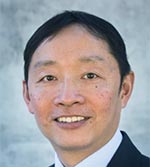 Prof Ken Ong, University of Cambridge, UK
Ken Ong is Professor of Paediatric Epidemiology at the University of Cambridge, UK. His research has identified trajectories of rapid infant weight gain, growth and early pubertal timing as determinants of obesity and related disease, and aims to understand the genetic, endocrine and behavioural mechanisms that underlie these links. He is also a consultant paediatric endocrinologist, leads a regional service for childhood obesity at Cambridge University Hospitals NHS Trust, and chairs the UK Scientific Advisory Committee on Nutrition’s Subgroup on Maternal and Child Nutrition.
-
Prof John Reilly
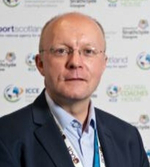 Prof John Reilly, University of Strathclyde, UK
John Reilly is Professor in Physical Activity and Public Health Science, University of Strathclyde, Glasgow, Scotland. He was previously Professor of Paediatric Energy Metabolism, University of Glasgow.
His research group carries out epidemiological and physiological work that focuses on childhood obesity globally: diagnosis; surveillance; causes; health and non-health consequences (e.g. cognition and academic attainment); prevention; treatment.
He has more than 400 peer-reviewed papers and is highly cited: mean field-weighted citation impact for all papers = 3.25;h index Google Scholar = 103 (2025).
He has had national and international leadership responsibilities. These include chairing the UK Health Depts Physical Activity Guideline Development Group for the Early Years 2010–11 and 2017–19.
He was a member of the WHO Working Group on Science and Evidence for Ending Childhood Obesity, 2014–161 , the advisory group for the WHO Healthy Life Trajectories Initiative 2016–17, and the Guideline Development Group for the WHO Guidelines for Physical Activity, Sedentary Behaviour, and Sleep for the Under-5s in 20192.
He was an Executive Committee Member of the Active Healthy Kids Global Alliance KE Project (2014–2024) and an Executive Committee and Founding Member of the International Surveillance Study for the Early Years (SUNRISE), 2017–present.
-
Prof Andrew Renehan
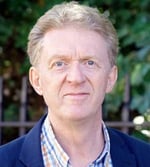 Prof Andrew Renehan, University of Manchester, UK
Andrew Renehan is Professor of Cancer Studies and Surgery at the University of Manchester, and researcher at the Manchester Cancer Research Centre and the NIHR Manchester Biomedical Research Centre, UK.
He is honorary consultant in colorectal and peritoneal surgical oncology at the Christie NHS Foundation Trust, Manchester.
He leads research in the following areas:
- anorectal cancer functional outcomes including organ preservation approaches
- obesity links with cancer incidence and outcome
He was a member of the IARC handbook writing group on weight control and cancer in 2016 and is chair of the EASD Diabetes and Cancer Study Group.
He is part of the CRUK Alliance for Cancer Early Detection. He uses advanced statistical methodologies to support his research including causal inference modelling, advanced meta-analysis methods, and quasi-experiments designs through observational data.
-
Prof Jaap Seidell
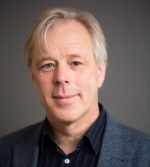 Prof Jaap Seidell, VU University, NL
Professor Jacob Seidell was appointed as full professor (2002–present) and head of the Institute for Health Sciences (2003–13) at the VU University in Amsterdam. Since 2013 he is university professor at the VU University and co-director of Sarphati Amsterdam, a multidisciplinary research institute that focuses on healthy development of children through healthier lifestyles and environments.
He obtained his MSc (1983) and PhD (1986) at the Department of Human Nutrition at the University of Wageningen, the Netherlands. He was awarded a senior research fellowship by the Royal Academy of Arts and Sciences (KNAW) for the period 1988–92.
From 1992–02 he was head of the Department for Chronic Diseases Epidemiology at the National Institute for Public Health and the Environment. He also worked in Sweden, the US and Canada. His research focuses on the understanding of determinants of food choice and the effectiveness of (policy) interventions in the context of the prevention and management of non-communicable diseases in general, and of obesity in particular.
He has (co)-authored more than 500 scientific papers and chapters in books on these topics. He also writes columns and op-eds for national newspapers, and has published books on nutrition for the general public.
He has chaired committees on dietary guidelines for the general population as well as for people with diabetes or obesity, and he was a frequent consultant to the World Health Organization on these matters.
He has served as president-elect and president (1992–00) of the European Association for the Study of Obesity and was editor-in-chief of the European Journal of Clinical Nutrition (1996–06) and Public Health Nutrition (2006–14). He is a member of the Royal Academy of Arts and Sciences (KNAW) and the Royal Holland Society of Sciences and Humanities (KHMW).
-
Prof Karen Steindorf
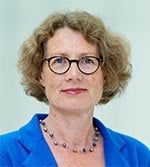 Prof Karen Steindorf, DKFZ and NCT, DE
Prof Steindorf is head of the division of Physical Activity, Cancer Prevention and Survivorship at the German Cancer Research Centre (DKFZ) and the National Centre for Tumor Diseases (NCT) in Heidelberg, and full professor at the Medical Faculty of the University of Heidelberg.
She studied statistics with the application field theoretical medicine at the Universities of Dortmund, Bochum and Sheffield (UK), and continued her scientific career at DKFZ and the National Cancer Institute, US.
Prof Steindorf’s research focuses on the role of physical activity and exercise in primary and tertiary cancer prevention, as well as on the quality of life of cancer patients.
She has been co-ordinating principal investigator of numerous innovative randomised clinical exercise trials with cancer patients. Through these trials, as well as additional large-scale observational studies and integrated translational investigations on underlying biological mechanisms, she has produced influential research exploring the efficacy of exercise in cancer prevention.
Beyond this, she developed a strong research focus on the management of cancer- and treatment-related side-effects as well as various aspects of health-related quality of life, including cancer-related fatigue, sleep problems, pain and cognitive impairments.
-
Prof Anne Tjønneland
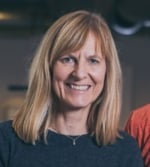 Prof Anne Tjønneland, Danish Cancer Institute, DK
With more than 30 years of research experience in nutritional and cancer epidemiology, Anne Tjønneland has established and is principal investigator of the Danish prospective cohort study Diet, Cancer and Health – a diet and lifestyle information biobank of 57,053 participants.
In 2015–19, the cohort was extended to include biological children and grandchildren in the Diet, Cancer and Health – Next Generations study.
Prof Tjønneland is principal investigator and member of the steering committee of the European Prospective Investigation into Cancer and Nutrition (EPIC), a multi-centre cohort study with 10 European countries.She was named as a Highly Cited Researcher by Clarivate/Web of Science in 2015, 2016, 2017 and 2018, and has more than 1,300 peer-reviewed publications.
-
Dr Emily Tonorezos
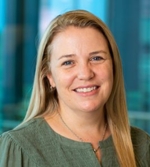 Dr Emily Tonorezos, Weill Cornell Medical College, US
Emily Tonorezos is Director of the Iris Cantor Cancer Survivorship Program at Weill Cornell Medicine. She recently served as Director of the Office of Cancer Survivorship at the National Cancer Institute (NCI). She has published widely on issues facing people diagnosed with cancer and their families including side effects from treatment, care delivery, and emerging areas of survivorship science. Her work has been funded by NCI, the American Cancer Society, and others. Her work has been the subject of two NCI Directors Awards, among other recognitions.
Dr Tonorezos earned her MD from the University of Rochester School of Medicine and her MPH from the Johns Hopkins Bloomberg School of Public Health. She completed her internal medicine residency and served as chief resident at Columbia University Medical Center, followed by a general internal medicine fellowship at Johns Hopkins Hospital.
-
Prof Mathilde Touvier
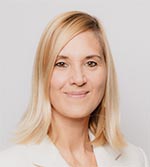 Prof Mathilde Touvier, French National Institute of Health and Medical Research (INSERM), FR
Prof Mathilde Touvier is a Research Professor (DR1) at the French National Institute for Health and Medical Research (Inserm), principal investigator of the NutriNet-Santé cohort (n=180 000, 2009-ongoing, etude-nutrinet-sante.fr). She graduated from AgroParisTech in Human Nutrition in 2002 and obtained a PhD in Epidemiology and Public Health in 2006.
After six years at the French Agency for Food, Environmental and Occupational Health & Safety (ANSES) and one year as a visiting researcher at Imperial College London, she joined the Nutritional Epidemiology Research Team CRESS-EREN (U1153 Inserm / Inrae / Cnam / Université Sorbonne Paris Nord / Université Paris Cité, cress-umr1153.fr/en/teams/eren-en), of which she became Director in 2019. She coordinates research on the links between nutrition and health (eg PI of a European Research Council ERC Consolidator Grant 2020-2025 on the impact of industrial food, food additives and food processing on health), with >480 publications in this field (Web of Science: H Index=84, > 62,400 citations, 39 “Highly Cited Papers”).
She co-developed the front-of-pack logo Nutri-Score. She is expert in several workshops, e.g. at the French National Cancer Institute (INCa), the Ministry of Higher Education and Research (France 2030 ambassador), the international network Global Burden of Disease, and she is member of the Scientific Council of the International Agency for Research on Cancer (WHO-IARC).
She received the Inserm Research Prize in 2019 and a prize from the Bettencourt-Schueller Foundation in 2021. She has been appointed Professor at the College de France in Public Health for 2023. She received the ERC Public Engagement with Research Award 2024. cvscience.aviesan.fr/cv/448/mathilde-touvier
Scientific Advisory Committee
The Scientific Advisory Committee (SAC) provides expert guidance to ensure that the CUP Global work led by core collaborators at Imperial is conducted with scientific rigour, delivers impactful outputs, and meets agreed milestones.
-
Dr Stephanie Smith-Warner – Chair
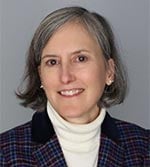 Dr Stephanie Smith-Warner, Harvard T. H. Chan School of Public Health, US
Dr Stephanie Smith-Warner is a Senior Lecturer in the Departments of Nutrition and Epidemiology at the Harvard T. H. Chan School of Public Health. She holds a Master’s degree in Chemistry from Cornell University and a PhD in Epidemiology from the University of Minnesota.
Dr Smith-Warner’s research focuses on the influence of plant-based diets – particularly fruit and vegetable intake – alcohol consumption, and vitamin D on the risk of both common and rare cancers. Much of her work has been conducted through two major international consortia that she currently leads or co-leads: the Pooling Project of Prospective Studies of Diet and Cancer (DCPP) and the Circulating Biomarkers and Breast and Colorectal Cancer Consortium (BBC3).
In addition, Dr Smith-Warner has led research projects within the Nurses’ Health Study, Nurses’ Health Study II, and the Health Professionals Follow-Up Study, three large ongoing prospective cohort studies. Through projects in these consortia and studies, she has advanced the understanding of how diet impacts the risk of understudied cancers and specific cancer subtypes, as well as identified population subgroups for which nutrition and other lifestyle factors may have an important role in cancer incidence or survival.
-
Dr Simone Eussen
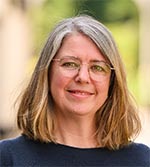 Dr Simone Eussen, Maastricht University, NL
In her current role as Associate Professor in nutritional and molecular epidemiology, her passion resides with studying the role of nutrition and related molecular processes in the aetiology of common chronic diseases, including gastro-intestinal cancer, cardiometabolic health, mental health and health-related quality of life.
Her projects focus on three interrelated research themes:
First, her engagement in comprehensive dietary assessment methods across several deep-phenotyped observational studies provide valuable insights into the role of diet (at nutrient, food group and dietary pattern levels) in the etiology of chronic diseases.
Secondly, she has built a strong track record on diet-related molecular one-carbon and kynurenine pathways as potential underlying mechanisms explaining how dietary quality is associated with chronic diseases.
Finally, she contributes to the emerging area of chrono-nutrition (timing of food intake in relation to biological clock), which also potentially has fundamental impacts on chronic disease, by leading on developing a questionnaire to assess chrono-nutrition for specifically for observational studies.
Findings of her research will provide novel leads for the preventative impact of dietary interventions to optimize health and improve public health on the long term.
-
Prof Michael Leitzmann
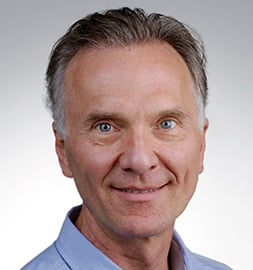 Prof Michael Leitzmann, University of Regensburg, DE
Michael Leitzmann received his MD from the University of Berlin and completed both an MPH and a DrPH at the Harvard School of Public Health. He subsequently joined the Division of Cancer Epidemiology and Genetics at the U.S. National Cancer Institute as an investigator and was later appointed Professor and Chair of the Department of Epidemiology and Preventive Medicine at the University of Regensburg, Germany. He leads an interdisciplinary team of scientists engaged in research spanning epidemiology, biostatistics, bioinformatics, nutritional health, and sociology.
A major focus of his work is the relationship between energy balance and cancer, encompassing investigations into the independent and joint associations of body mass, physical activity, sedentary behaviour, and dietary factors with cancer incidence and survival. He has authored more than 450 scientific publications, serves on the editorial boards of several biomedical journals, and acts as a reviewer and scientific consultant for national and international advisory bodies and research institutions.
He is a member of the International Epidemiological Association, the American College of Epidemiology, and the Society for Epidemiologic Research.
-
Prof Richard Martin
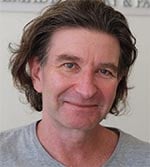 Prof Richard Martin, University of Bristol, UK
I am Associate Pro Vice Chancellor for Research and Innovation in the Faculty of Health and Life Sciences (Sept 2024-Sept 2027), responsible for the development and implementation of plans that will deliver the Faculty’s Research Strategy. Until recently I was Deputy Head of Bristol Medical School and Head of the Department of Population Health Sciences (Nov 2022-July 2025).
As a Professor of Clinical Epidemiology, I act as lead PI of the CRUK Integrative Epidemiology Programme (ICEP), directing 25 co-investigators in an £11.9Million cancer aetiology and early-detection programme that combines cutting-edge genomic technologies and large-scale bioinformatic platforms (www.mrbase.org) to inform health-prevention advice and clinical practice (2015-2025).
I co-lead the Diet and Physical Activity Theme of the NIHR Bristol Biomedical Research Centre (BRC, 10 staff), and co-lead a cancer workstream within this Theme to translate discoveries from my CRUK-ICEP programme. I have been appointed as Director Designate of the next NIHR Bristol BRC, leading its renewal application due 2026 and, if the application is successful, the next BRC from 2028.
-
Prof Nick Wareham
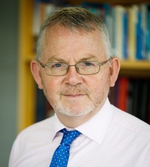 Prof Nick Wareham, University of Cambridge, UK
Professor Nick Wareham is the Director of Population Health Improvement UK, Co-Director of the Institute of Metabolic Science, Honorary Consultant at Addenbrooke’s Hospital and Professor of Epidemiology at the University of Cambridge, England. He studied Medicine at St Thomas’ Hospital Medical School and Epidemiology at the London School of Hygiene and Tropical Medicine and Cambridge University, England.
In 1992-3 he was a Harkness Fellow at the Harvard School of Public Health. After research fellowships at the University of Cambridge, he took up the Directorship of the MRC Epidemiology Unit when it was founded in 2003. His main research interests are in understanding the aetiology of type 2 diabetes, particularly in generating understanding about the interplay between genetic, developmental and behavioural risk factors.
He also researches strategies for the early detection and prevention of diabetes, including individual and societal level interventions.
Other acknowledgements
-
CUP Global Team at Imperial
Researchers at Imperial College London maintain a central database of research papers on diet, nutrition, physical activity, weight and cancer (including cancer survivors).
The team prepares systematic and umbrella reviews of the evidence as agreed with the CUP Global Panel and Secretariat. The review and collection of evidence is independent of the Panel’s judgement of the evidence.
Doris Chan PhD
Co-Principal InvestigatorKostas Tsilidis PhD
Co-Principal InvestigatorEd Seleiro PhD
Project ManagerGeorgios Markozannes PhD
Post-doctoral research assistantDagfinn Aune PhD
Post-doctoral research assistantAhmad Jayedi PhD
Post-doctoral research assistantMatthew Pearce PhD
Post-doctoral research assistantLam Teng MSc
Database Manager -
Collaborators on mechanisms at IARC and Imperial
The inclusion of novel work areas in CUP Global is partly being facilitated through collaborations with experts in the cancer research community.
These collaborations form the basis of a series of commissioned research projects awarded by the World Cancer Research Fund network.
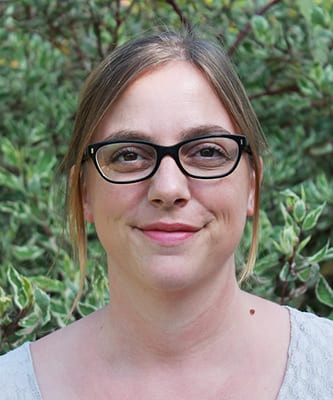 Dr Laure Dossus
International Agency for Research on Cancer, FR
Mechanisms Collaboration
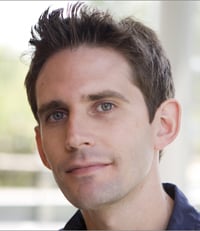 Prof Marc Gunter
Imperial College London, UK
Mechanisms Collaboration
-
Collaborators at Bristol University
 Dr Yi Liu
University of Bristol, UK
Automation Collaboration