
Our reaction to the launch of the US dietary guidelines 2025-2030
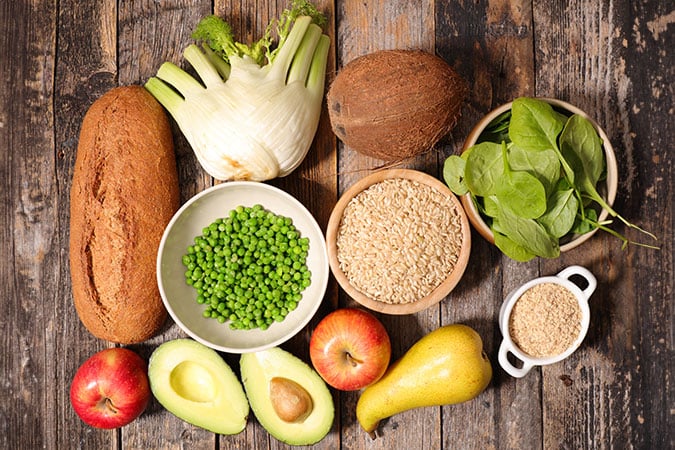
World Cancer Research Fund – part of the World Cancer Research Fund network – welcomes many of the recommendations in the new US Dietary Guidelines for Americans that support healthier diets and reduce the burden of diet-related disease.
When it comes to cancer prevention, we have some concerns with the guidelines relating to alcohol and red and processed meat.
The strong emphasis on healthy dietary patterns, including increased consumption of fruits, vegetables and wholegrains, is very helpful – as are the recommendations to limit highly processed foods and products high in added sugars. The clear inclusion of plant-source protein foods – such as beans, lentils, nuts, seeds and soy – is also positive.
The guidance to drink mainly water and to avoid sugar-sweetened beverages and consume less alcohol is helpful, as we know there is no safe level of drinking alcohol when it comes to cancer prevention. Finally, we strongly welcome support for breastfeeding.
These Guidelines help to translate evidence into clear public advice and shape future policies. However, from a cancer prevention perspective, the Guidelines’ increased emphasis on animal-source proteins, and particularly the emphasis on red meat, is at odds with the scientific evidence linking higher intakes of red and processed meat to increased cancer risk.
Similarly, the promotion of whole-fat dairy raises concerns, given the potential contribution to excess weight gain. In light of such issues, we remain committed to informing the public with authoritative advice, which we develop based on the latest scientific evidence from leading researchers worldwide.
Below is a more detailed summary of the what the Guidelines mean for cancer prevention.
Important takeaways from the guidance
- Clear guidance is provided to prioritise whole foods and limit highly processed products, including advice to avoid salty and sweet packaged snacks and to favour nutrient-dense, home-prepared meals. This approach is closely aligned with our emphasis on limiting fast foods and processed foods high in fat, starches and sugars, and on reducing overall dietary energy density as a pathway to achieving a healthier body weight and lowering cancer risk.
- The Guidelines strengthen the stance on added sugars and sugar-sweetened beverages, including explicit recommendations to limit consumption of sugar-sweetened drinks and to limit added sugars at meals. This aligns well with our evidence of sugar intake as a contributor to excess weight gain and poorer overall diet quality.
- Plant foods remain important to the guidance, with daily targets for fruit and vegetable intake and a clear recommendation to prioritise fibre-rich whole grains. This maps directly onto our emphasis on dietary and lifestyle patterns and core cancer prevention recommendations.
- Breastfeeding is explicitly encouraged, with guidance to breastfeed exclusively for the first six months and to continue breastfeeding for two years or beyond. This is consistent with our recommendation that mothers breastfeed where possible and complements the focus on breast cancer prevention.
Important clarifications based on our global scientific research
- The Guidelines place a strong emphasis on increasing protein intake, explicitly including red meat and setting a higher quantitative protein target.
From a cancer prevention perspective, this emphasis would benefit from clearer direction to prioritise plant-based protein sources such as tofu, beans, lentils and other legumes, as well as nuts, seeds, fish and poultry, while reiterating World Cancer Research Fund guidance to limit red meat consumption and avoid processed meat altogether. - Furthermore, the Guidelines promote protein-rich foods, in relation to meat; specifically, meat with no or limited added sugars, refined starches or chemical additives is recommended. Avoidance of processed meat aligns with our recommendation to eat little, if any, processed meat based on strong evidence of an increased risk of colorectal cancer.
- While the Guidelines prioritise fibre-rich wholegrains, they do not have significant prominence in the new ‘Real Food’ pyramid, which undermines their importance.
- The Guidelines adopt a general recommendation to consume less alcohol. For cancer prevention, it is best not to drink alcohol at all, as there is no safe threshold of consumption for cancer risk for at least seven cancer types.
- The explicit endorsement of full-fat dairy, with guidance to consume three servings per day, warrants careful interpretation given its contribution to excess weight and some variation in evidence by cancer site. Framing dairy as one possible option, rather than a central or universal recommendation, may therefore be more appropriate.
- The Guidelines’ discussion of “healthy fats” includes foods such as butter and beef tallow, while still recommending that saturated fat remain below 10% of total energy intake.
This recommendation needs careful explanation because butter and beef tallow are high in saturated fat and can affect overall energy balance. Maintenance of a healthy weight is important, as overweight and obesity increase the risk of at least 13 cancers.
Three important policy implications for the future
- Affordability and access: Achieving the dietary pattern outlined in the guidelines will require targeted policy measures to improve the availability and affordability of fresh and whole foods. At present, such diets remain out of reach for many Americans, particularly those on lower incomes. Without significant structural interventions there is a risk that the guidelines may exacerbate existing health inequalities.
- Clarity and implementation: Greater clarity is needed on how “highly processed foods” are defined within the guidelines and how this definition will be operationalised. Clear definitions are essential to inform coherent policy action, regulation, monitoring and public communication.
- Policy alignment and delivery: It remains unclear whether new or strengthened policy measures will be introduced to support the recommended dietary changes, or how these guidelines will be embedded across food, agriculture, procurement and public health policies to enable meaningful implementation. In addition, the guidelines should also consider broader factors such as sustainability and planetary health.
Explore our research
More useful information

Preventing cancer. Saving lives
While society continues to search for a cure, our prevention and survival work helps people to live longer, healthier lives – free from the devastating effects of cancer.