
Latest news and blogs
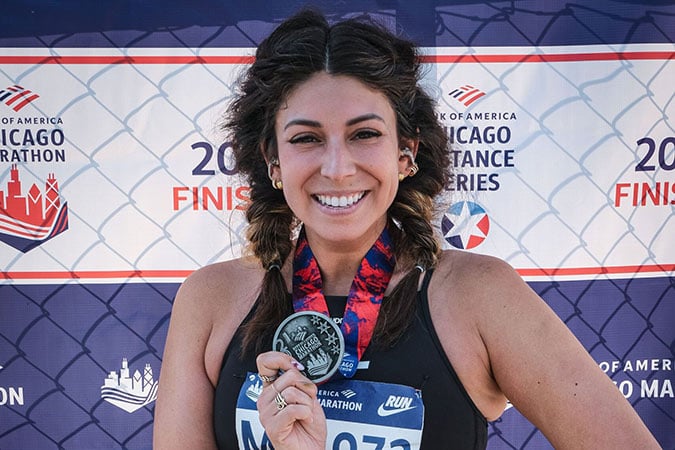
Runner to complete World Marathon Majors for cancer prevention research
A runner from New York will take on the TCS London Marathon this April with a goal that extends far beyond the finish line
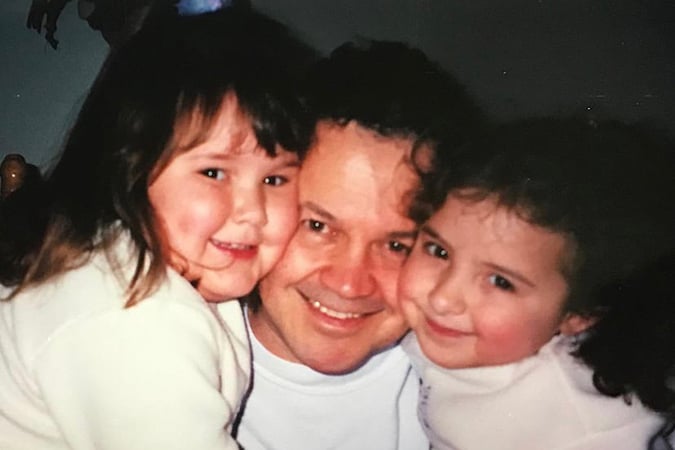
Vet turns grief into action with the London Marathon
A veterinarian from New Jersey will travel across the Atlantic Ocean to fundraise for cancer prevention research in her dad’s memory
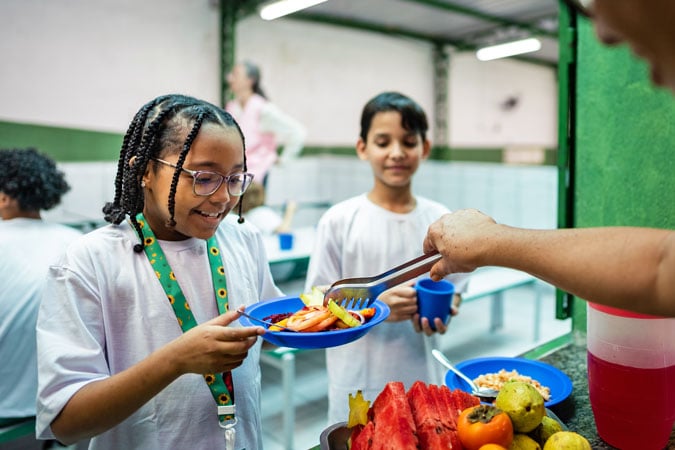
From plate to policy: how can we make schools healthier places to grow up?
Senior Policy Research Manager, Dr Chloe Clifford Astbury, looks at how we can use policy to improve food in and around the places where children spend much of their time.
More prostate cancer research
MYEX exercise trial for patients with prostate cancer
Investigating tumour suppressive biological mechanisms is important in clinical oncology to expand exercise medicine and further confirm the prescription of exercise as essential for cancer patients.
Chronic platelet activation – a major link between diet, lifestyle and cancer risk?
We’re funding the first comprehensive prospective study on chronic platelet activation in healthy subjects and subsequent cancer risk
Selenium and the prostate: clinical trials on availability to prostate tissue and effects on gene expression
Ellen Kampman’s study showed that selenium is able to induce changes in the expression of a number of genes in the prostate
More colorectal cancer research
Cancer-related fatigue in colorectal cancer survivors
This study aims to unravel the biological mechanisms linking sedentary behaviour and activity with fatigue in colorectal cancer survivors
How does coffee influence large bowel cancer survival?
We’re funding a new research project into how regularly drinking coffee may affect survival from large bowel cancer
Insulin resistance as driver of myosteatosis in colorectal cancer
This study explores if insulin resistance drives fat accumulation in muscles, and worsen the prognosis of people with colorectal cancer
More breast cancer research
Adherence to Mediterranean diet and risk of esophageal, gastric, pancreas, lung and breast cancer
Piet van den Brandt’s research concluded that eating a Mediterranean diet may reduce the risk of lung, postmenopausal breast, oesophagus (squamous cell carcinoma in men), and stomach cancers
How do persistent organic pollutants (POPs) in diet affect endometrial and breast cancer risk?
Wearable technology and breast cancer survivors
This study, funded by WCRF International, suggests wearable fitness trackers may improve the quality of life of breast cancer survivors
More colorectal cancer research
The Butyrate paradox, MicroRNAs and colorectal cancer
A study of microRNAs in dietary reduction of cancer risk in Familial Adenomatous Polyposis patients, funded by WCRF International
Body composition and colorectal cancer recurrence and survival
This WCRF-funded research showed that body composition is associated with chances of survival after colorectal cancer and with fatigue
How does physical activity lower the risk of cancer?
This research, funded by WCRF International, looks at how our genetics affect immunity, hormones and metabolism, and how these affect activity
Further colorectal cancer research
Does a poor diet cause health problems for colorectal cancer survivors?
This research aimed to discover if diet affects the health of colorectal cancer survivors, such as depression, fatigue and anxiety
Comprehensive assessment, validation and causal identification of dietary exposures and cancer risk
Konstantinos Tsilidis’s research uses nutrient-wide association studies to look at lung, breast, colorectal and prostate cancers
How does coffee influence large bowel cancer survival?
We’re funding a new research project into how regularly drinking coffee may affect survival from large bowel cancer
More colorectal cancer research
Does bariatric surgery increase the risk of colorectal cancer?
Bowel cancer risk is increased in individuals with a hospital episode coded as obesity, research shows
Unravelling the balance between dietary protein and fibre intake for people with bowel cancer
We’re trying to work out the optimal intake of dietary protein for people with bowel cancer, especially when fibre intake is low
Reducing sedentary behaviour after colorectal and renal cancer
The aim of this study is assess whether and how reducing sedentary behaviour is related to adiposity, fatigue and quality of life in people after treatment for colorectal and renal cancer.
Latest research-related news and blogs
Largest ever study of vegetarian diets and cancer shows lower risk of 5 cancers
A major new study funded by has revealed how vegetarian diets may help reduce the risk of specific cancer types

International Childhood Cancer Day 2026
We’re marking International Childhood Cancer Day by highlighting our research programmes across our network of charities that are dedicated to improving outcomes for children and young people

The UK’s junk food ad ban: a cautionary tale of delay and dilution
Senior Policy and Public Affairs Officer, Melissa Dando, sets out why marketing restrictions on junk food are particularly tricky to get over the line despite the benefits to public health and cancer prevention.
Browse all our research projects
Impact of dietary energy restriction and exercise on prostate cancer patients
This study will use a newly method to compare the impact of eating less food versus daily exercise on muscle, prostate, and prostate tumour growth responses
Inflammation factors and endometrial cancer: a prospective study
This research supports the hypothesis that inflammation factors play a role in endometrial carcinogenesis
Does following our Cancer Prevention Recommendations benefit bladder cancer survivors?
A study of the associations of adherence to WCRF’s Cancer Prevention Recommendations with risk of bladder cancer
Latest research-related news and blogs
Largest ever study of vegetarian diets and cancer shows lower risk of 5 cancers
A major new study funded by has revealed how vegetarian diets may help reduce the risk of specific cancer types
International Childhood Cancer Day 2026
We’re marking International Childhood Cancer Day by highlighting our research programmes across our network of charities that are dedicated to improving outcomes for children and young people
The UK’s junk food ad ban: a cautionary tale of delay and dilution
Senior Policy and Public Affairs Officer, Melissa Dando, sets out why marketing restrictions on junk food are particularly tricky to get over the line despite the benefits to public health and cancer prevention.
More research into cancer survivorship
How high-intensity exercise and fibre affect immunotherapy outcomes for patients with melanoma
This trial will explore the effects of a high-fibre diet and high-intensity exercise on the gut microbiome, immune function and immunotherapy outcomes in melanoma patients
Investigating the role of lifestyle factors on long-term health outcomes in survivors of childhood cancers
What is the role of lifestyle factors on the long-term health outcomes for people who survive a childhood cancer?
The feasibility of a diet and physical activity intervention to prevent recurrence in colorectal cancer survivors
Judy Ho identified only a limited service in Hong Kong that offers specific dietary and activity advice to prevent cancer relapse
Latest research-related news and blogs
Largest ever study of vegetarian diets and cancer shows lower risk of 5 cancers
A major new study funded by has revealed how vegetarian diets may help reduce the risk of specific cancer types
International Childhood Cancer Day 2026
We’re marking International Childhood Cancer Day by highlighting our research programmes across our network of charities that are dedicated to improving outcomes for children and young people
The UK’s junk food ad ban: a cautionary tale of delay and dilution
Senior Policy and Public Affairs Officer, Melissa Dando, sets out why marketing restrictions on junk food are particularly tricky to get over the line despite the benefits to public health and cancer prevention.