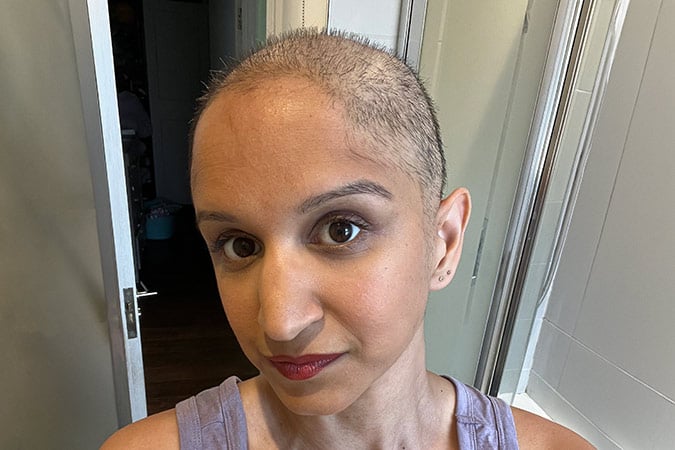
Meera’s story: My sister’s breast cancer scare saved my life
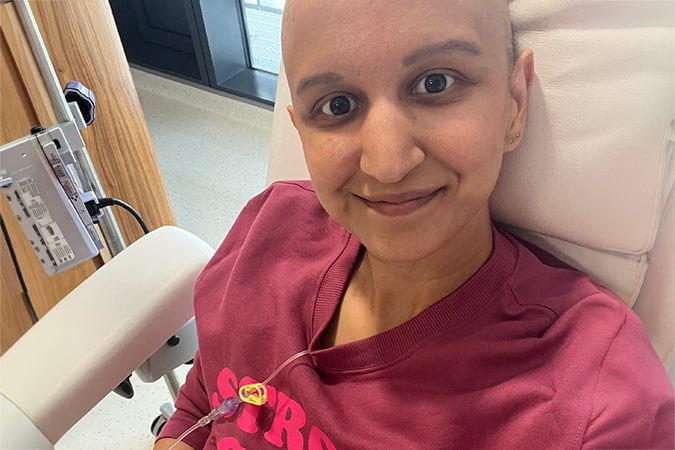
When her sister found a lump in her breast, Meera decided to get one of her own checked, which helped save her life. Now, she urges people to fundraise for research that could save others.
Meera is sharing her story in support of our fundraising for research into targeted treatments and improved advice and support for breast cancer patients.
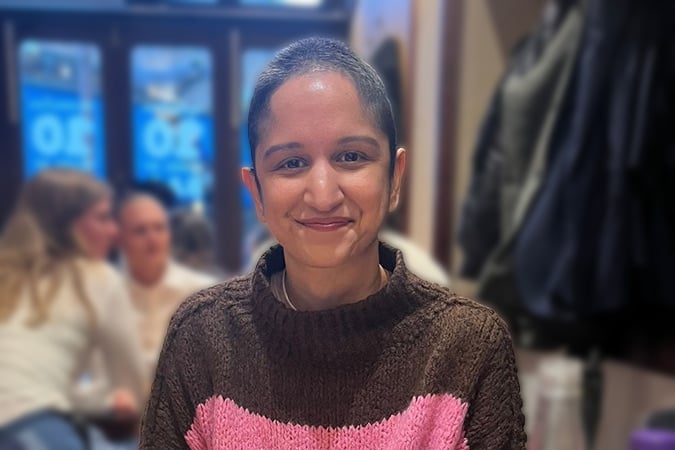
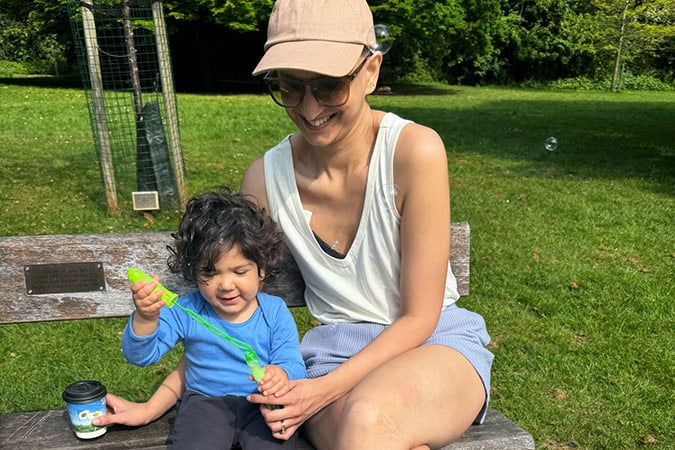
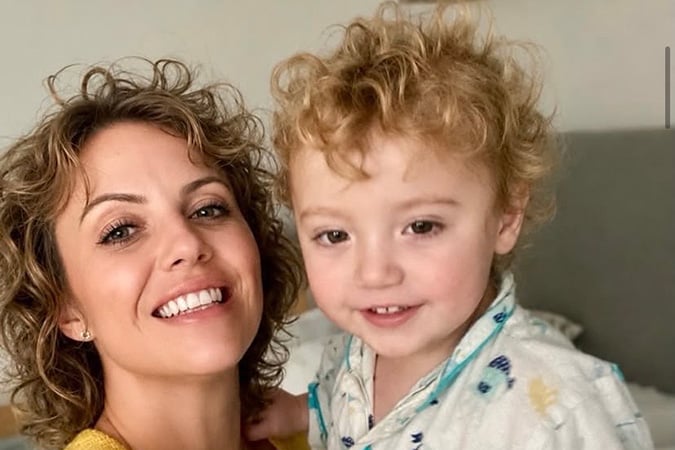
While juggling life with two small children, Meera discovered a lump in her left breast which she believed was a blocked milk duct.
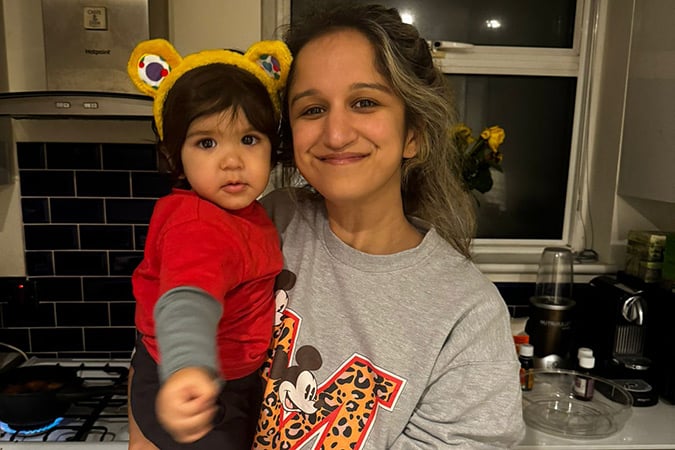
Meera said:
“I breastfed my son from birth. During this time, I noticed many lumps and bumps, so I just ignored it. Like lots of mums with young children, I didn’t think about my own health or prioritise it.”
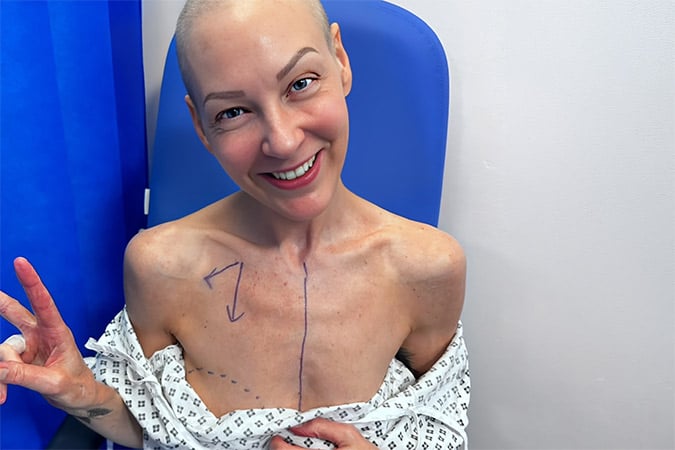
Months later, Meera’s sister found a lump in her own breast. After being checked and receiving the all-clear, Meera began to think differently about her symptoms.
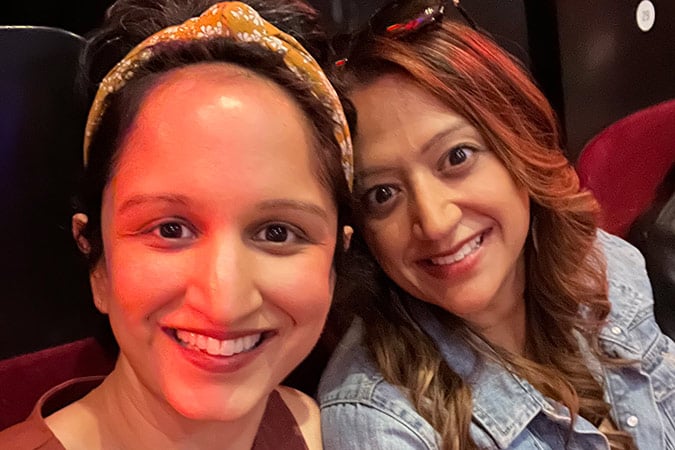
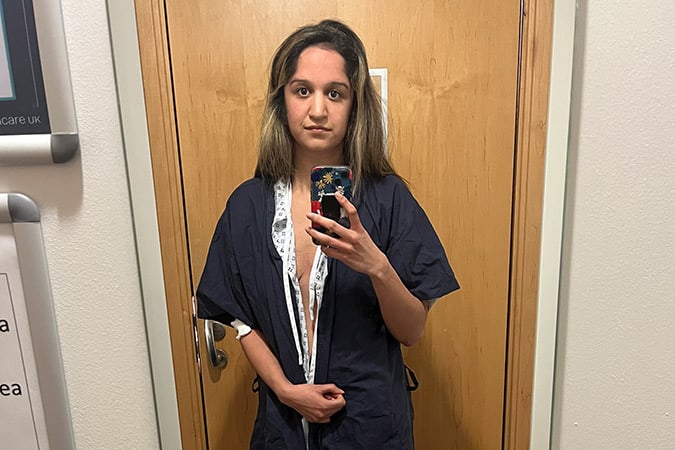
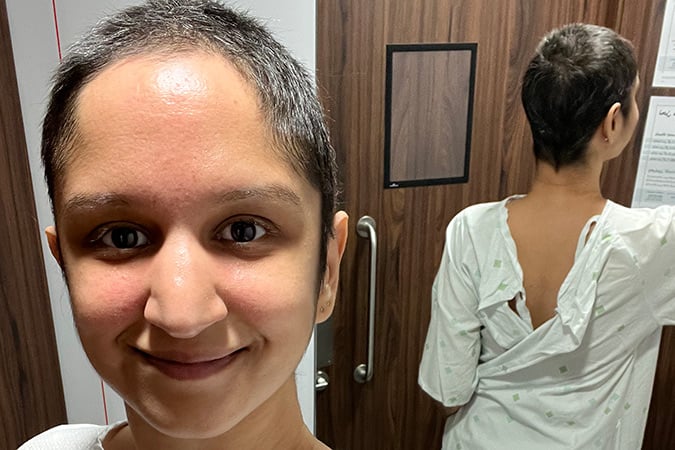
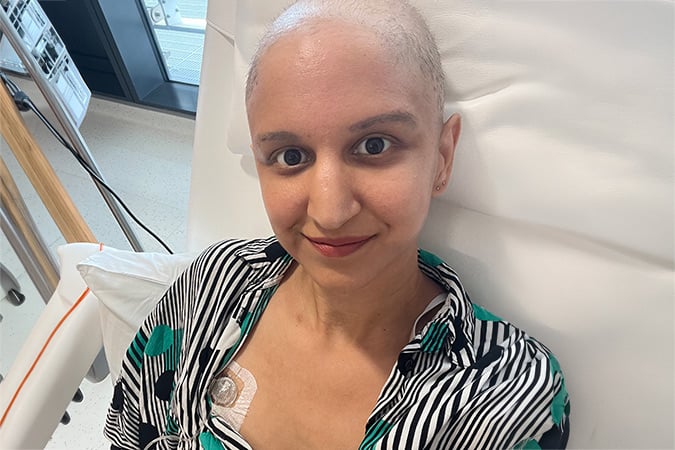
Following a GP visit, Meera was sent for further tests. After scans and a biopsy, she was diagnosed with hormone receptor-positive (HR+) breast cancer in March 2025.
“It’s a reminder of why it’s so important to have these conversations with loved ones. My sister sharing her experience with me effectively saved my life.”
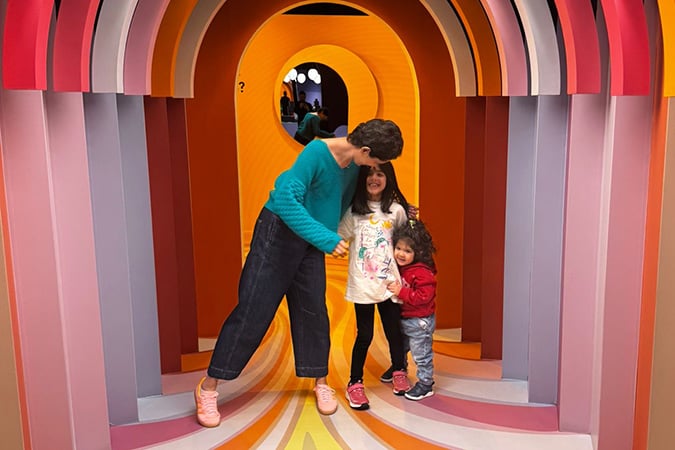
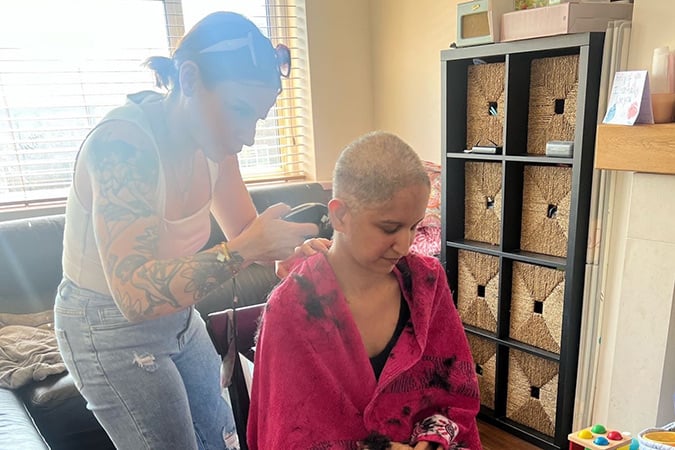
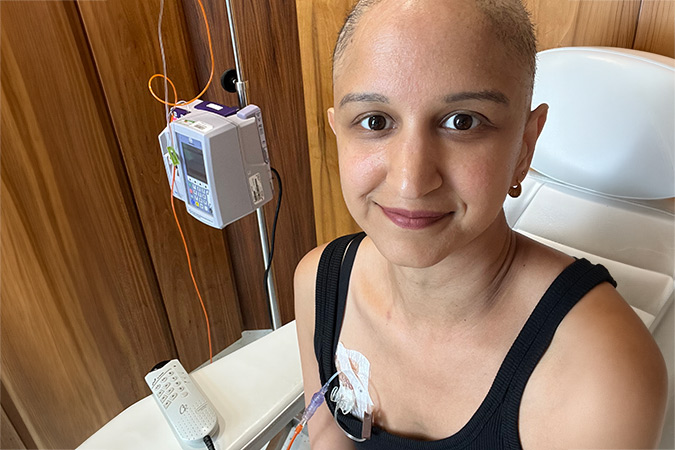
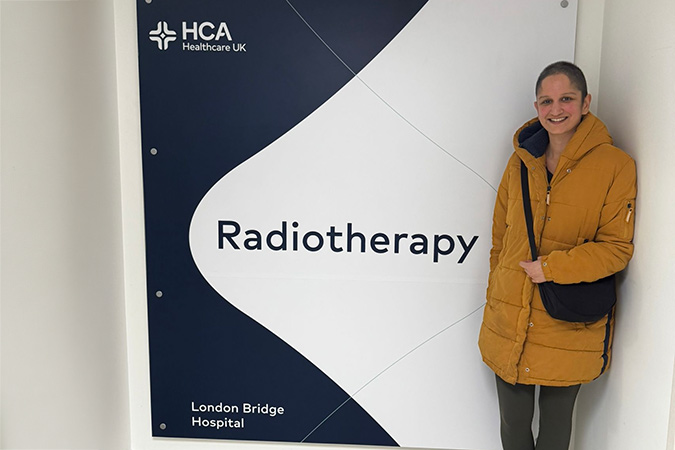
Her treatment involved sixteen rounds of chemotherapy over five months, followed by surgery and twenty rounds of radiotherapy. Reflecting on her diagnosis and treatment, Meera shared:
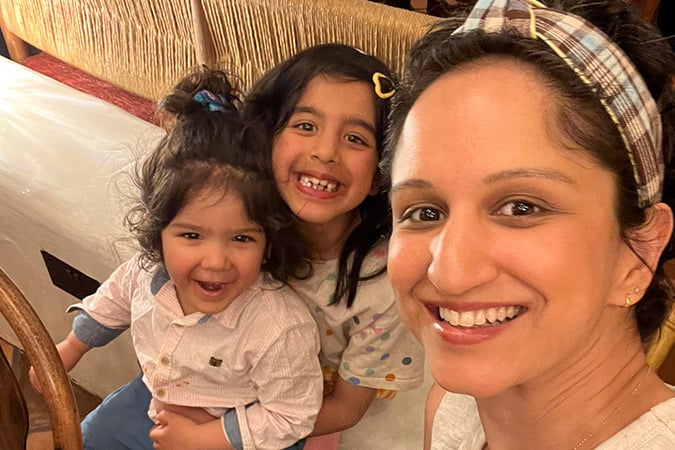
“It was heartbreaking and a huge shock. My biggest fear was not being around to see my children grow up.”
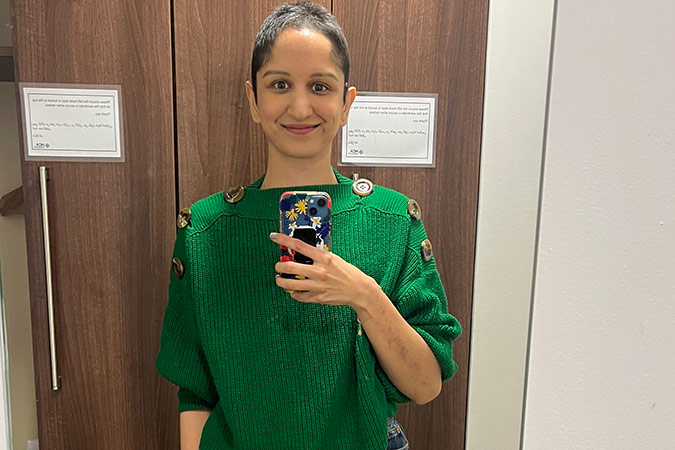
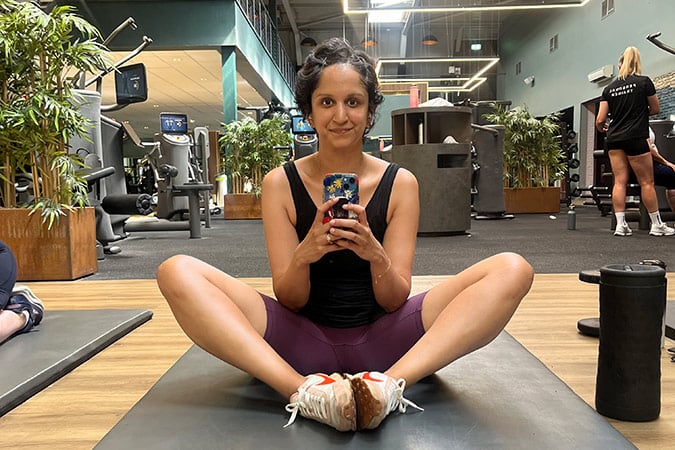
Now in remission, Meera prioritises exercise to support her recovery, visiting the gym at least three times per week to improve her strength and fitness.
“My gym has a machine that calculates your body composition and carries out a strength test to help you lift heavier weights over time.
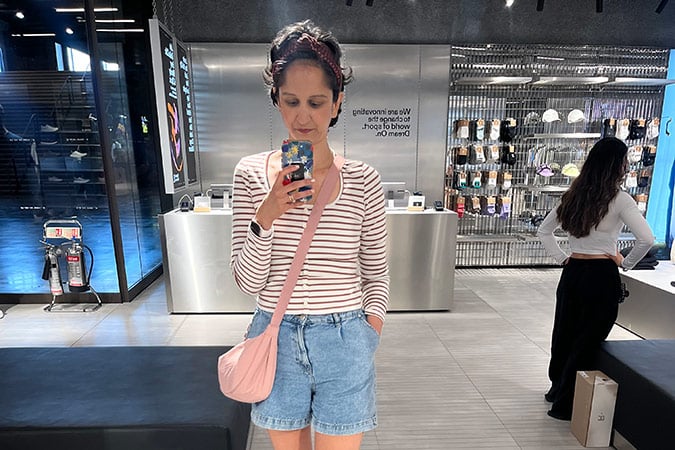
“When I first took a strength test in January, after nearly a year of cancer treatment, I had the strength of a 73-year-old. My latest test showed that I now have the strength of a 25-year-old! Seeing this transformation has been incredible, as exercise has become a huge part of my life post-treatment.”
Recently, a study we funded showed that following evidence-based lifestyle recommendations can support long-term health after a cancer diagnosis.
Regular physical activity can also help people maintain a healthy weight, and having less excess body fat can reduce risk of several cancers.
Rachael Hutson, World Cancer Research Fund’s CEO, commented:
“We are incredibly grateful to Meera for sharing her experience, which shows how research into breast cancer treatments is changing lives and why it is needed now more than ever. We’re proud to be funding pioneering research at the University of Southampton, which is bringing us one step closer to kinder, more effective treatments for breast cancer patients.”
Supporting breast cancer research is important to Meera after she benefitted from ribociclib, a form of targeted therapy, following its introduction for primary breast cancer patients in February 2021.
“Research makes change happen. My biggest fear is dying while my children are young, and every breakthrough brings me closer to a future where that fear doesn’t become reality. People who fundraise may never meet the people they’re helping, but they give families like mine something priceless: hope and more time together.”
By signing up to one of our challenge events, you can offer the gift of hope to people like Meera.