Our research impact
How does our research make a difference? From advancing scientific knowledge and supporting new researchers to influencing policy, clinical practice and public understanding of cancer prevention.
Find out how we measure, evaluate and communicate the impact of the research we fund.
Measuring the impact of our research
World Cancer Research Fund (WCRF) International funds research that helps build the evidence on how diet, nutrition, physical activity and body composition influence cancer prevention and survivorship. As well as funding innovative research, we are equally committed to understanding how that research leads to meaningful change.
Our Research Funding Impact Framework sets out how we measure, evaluate and communicate the impact of the research we fund; from advancing scientific knowledge and supporting the next generation of researchers, to informing policy, improving clinical practice and increasing public understanding. It provides a consistent approach to demonstrating accountability and ensuring every project contributes towards our vision of a world where no one dies of a preventable cancer.
Learn more about how we assess research impact and the principles that guide our approach:
Research impact explained
Melinda Craike, Professor of Physical Activity and Health at the Institute for Health and Sport at Victoria University, explains how we can enhance the societal impact of research.
Inclusivity and reach of our research
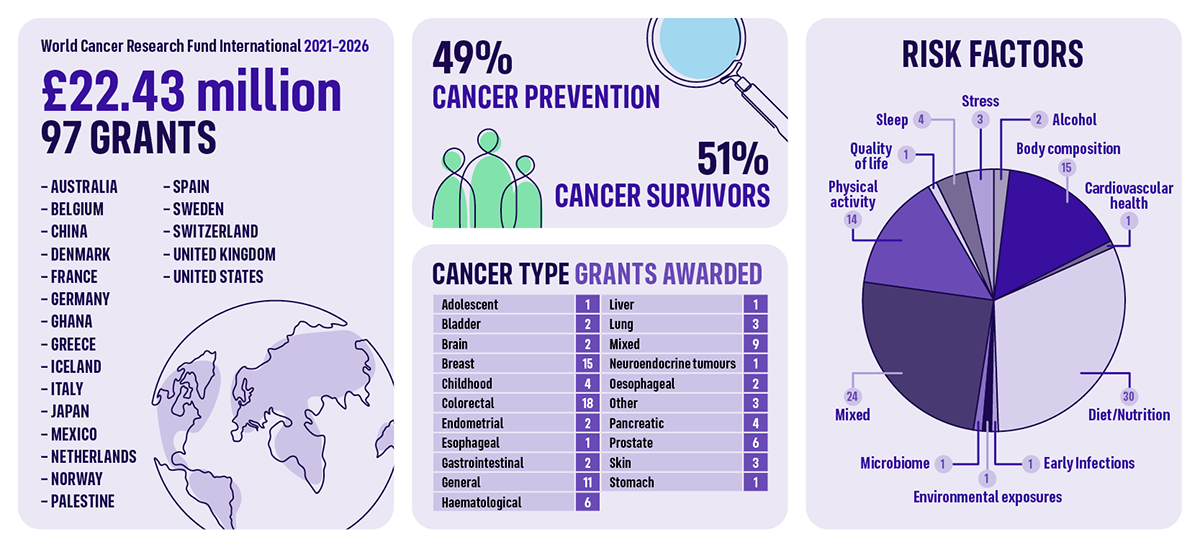
Over the last five years, we have awarded 97 grants totalling £22,436,189 in funding across 20 countries worldwide.
Our portfolio maintains a well-balanced mix of 49% cancer prevention and 51% cancer survivorship studies, investigating both the most prevalent and rarer cancers. As a leading cancer prevention organisation, we have consistently prioritised diet and nutrition, physical activity, and body composition as the foundational exposures underpinning our research funding, while continually expanding into emerging areas such as sleep, stress, environmental factors, and the microbiome to stay at the forefront of innovative prevention research.
🔍 Click image to enlarge
Research impact highlights
World Cancer Research Fund International has built a substantial research portfolio that spans the full research pathway, from investigating underlying biological mechanisms to influencing clinical practice and generating evidence with the potential to shape national and international policy in cancer prevention.
Guided by our Research Funding Impact Framework, we present key metrics and case studies from funded grants that demonstrate value aligned with our research strategy and long-term vision and mission.
Case studies
-
Innovation and excellence in funded science
Combining exercise, nutrition and medication helps stabilise weight in advanced cancer
 Prof Tora Skeidsvoll Solheim, Norwegian University of Science and Technology, Norway
The intervention in the MENAC trial aimed to establish a practical rehabilitation programme that would provide the first evidence-based method to help reverse cachexia that affects patients with advanced cancer.
The study found that a multimodal intervention including exercise, nutrition, and anti-inflammatory medication stabilised weight compared to standard care at six weeks, was safe, and did not result in any patient discontinuations due to intolerable toxicity or adverse events.
This study represents an important and timely contribution to a highly challenging area of cancer research, addressing cancer cachexia, a complex and multifactorial condition that significantly influences patient outcomes, treatment tolerance, and quality of life. By demonstrating that a safe and feasible multimodal intervention can stabilise weight, this work helps to elucidate practical strategies for tackling cachexia, a condition for which effective interventions have remained limited. The findings provide critical evidence to support integrated approaches aimed at improving outcomes for cancer patients.
This project was funded by Werald Kanker Onderzoef Fonds as part of World Cancer Research Fund International. Find out more about this project.
-
Translation to policy – Influencing national control plans
Hot foods, alcohol, tobacco and oral health: key drivers of oesophageal cancer in East Africa
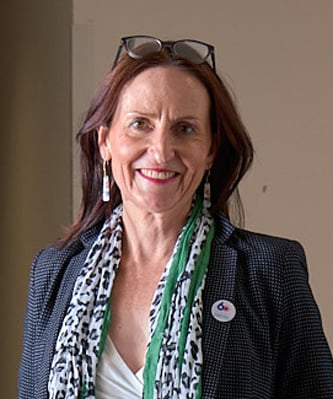 Dr Valerie McCormack, IARC, France
 Dr Valerie McCormack, together with a research team based in Malawi and Tanzania, received a grant to investigate which lifestyle habits and environmental factors may contribute to the elevated rates of oesophageal cancer in East Africa.
The study was part of the larger Oesophageal Squamous Cell Carcinoma African Prevention Research study, where the research team collected genetic, social, economic, and lifestyle data. To carry out this research they interviewed 1,200 patients recently diagnosed with oesophageal cancer and an equal number of healthy individuals from Kenya, Malawi and Tanzania to compare risk factors.
Alcohol, consuming very hot food and beverages, poor oral health, tobacco (smoking and smokeless), and geophagia were found to be risk factors for oesophageal cancer in East Africa.
The findings from this study enhance the existing body of evidence and inform crucial actions for prevention. Additionally, the findings were taken up by the WHO AFRO office as well as by national cancer control plans.
This project was funded by Werald Kanker Onderzoef Fonds as part of World Cancer Research Fund International. Find out more about this project.
-
Translation to clinical practice – Supporting the integration of exercise interventions as a therapy in standard cancer care practices
Breast cancer and exercise: Preventing functional disability and cardiotoxicity
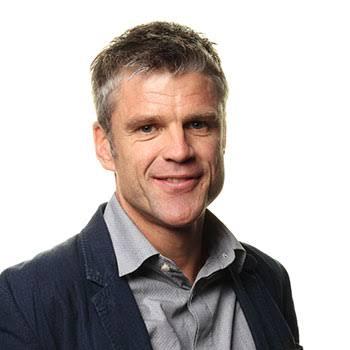 Prof Andre La Gerche, Baker Heart and Diabetes Institute, Australia
Prof La Gerche conducted a randomised controlled trial, building on the findings from his earlier small-scale research. This study aimed to determine whether a structured exercise program reduces the proportion of patients classified as functionally disabled (measured with a VO₂ peak) 12 months after chemotherapy initiation. The second aim of the study was to compare the current standard of care measure (resting left ventricular ejection fraction) with measures of cardiac reserve (peak exercise cardiac output) as predictors of functional disability.
This was the first randomised clinical trial to demonstrate that exercise training can preserve heart function during chemotherapy and to showed that VO₂ peak offers additional diagnostic and prognostic value beyond standard-of-care measures.
This project was funded by Werald Kanker Onderzoef Fonds as part of World Cancer Research Fund International. Find out more about this project.
Preventing cardiorespiratory decline during allogeneic stem cell transplantation through individualised exercise
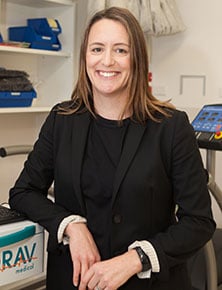
Dr Erin Howden, Baker Heart and Diabetes Institute, AustraliaDr Howden conducted a randomised controlled trial to study how an individualised, multi-component physical activity intervention compared to a usual care control group in people scheduled for allogeneic stem cell transplantation. The exercise intervention aimed to preserve cardio-metabolic function and improve the quality of life in patients undergoing transplantation.
The exercise intervention prevented the declines in VO₂peak in the intervention group but not in the controls, resulting in a ~12% difference at the final follow-up visit. The intervention also maintained exercise cardiac function, which decreased by 8% in the usual care group.
This study is the first randomised controlled trial to address both exercise and sedentary behaviour for cardiovascular risk reduction in patients undergoing allogeneic stem cell transplantation.
This project was funded by Werald Kanker Onderzoef Fonds as part of World Cancer Research Fund International. Find out more about this project.
-
Translation to CUP Global – Informing global syntheses of cancer prevention evidence
Early-life body size as determinants of breast cancer risk
 Dr Jennifer Baker, Frederiksberg Hospital, Denmark
 Dr Jennifer Baker and her team explored how childhood growth and body size throughout a woman’s life impact the risk of breast cancer. The study analysed health records of 158,431 girls born in Copenhagen between 1930 and 1992.
The findings consistently showed that a higher childhood BMI was linked with a lower risk of benign breast disease in both pre-and post-menopausal breast cancer. The results underscore the importance of considering body size and pubertal timing in early life when studying the effects of body size on breast cancer development.
This project advanced our understanding of the role of early-life body size in relation to breast cancer, helping to unravel the complexities of these associations using some of the most well-suited data available globally.
This project was funded by World Cancer Research Fund as part of World Cancer Research Fund International. Find out more about this project.
-
Increasing public awareness, visibility, value, and contribution to the public
Being physically active could reduce prostate cancer risk by 50%
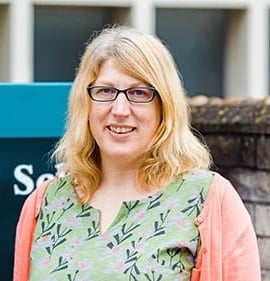 Prof Sarah Lewis, University of Bristol, UK
The study findings were press released by our PR team and University of Bristol. It received wide national and international media coverage (over 95 articles) and Prof Lewis was interviewed on BBC Radio Suffolk to promote the findings to the public. The study advanced scientific knowledge on the key risk factors of prostate cancer and provided important public messaging for prostate cancer risk reduction. In addition, findings from this study initiated international collaborations and research in breast and colorectal cancer, similarly showing that being physically active protects against cancer.
Prof Sarah Lewis, lead author of the research, said:
This study is the largest ever of its kind which uses a relatively new method that complements current observational research to discover what causes prostate cancer. It suggests that there could be a larger effect of physical activity on prostate cancer than previously thought, so will hopefully encourage men to be more active.
This project was funded by World Cancer Research Fund as part of World Cancer Research Fund International. Find out more about this project.
-
Continuity of our work – our funding at the core of transformative ideas
30 years of evidence: How the UK Women’s Cohort Study is shaping cancer prevention
 Prof Janet Cade, University of Leeds, UK
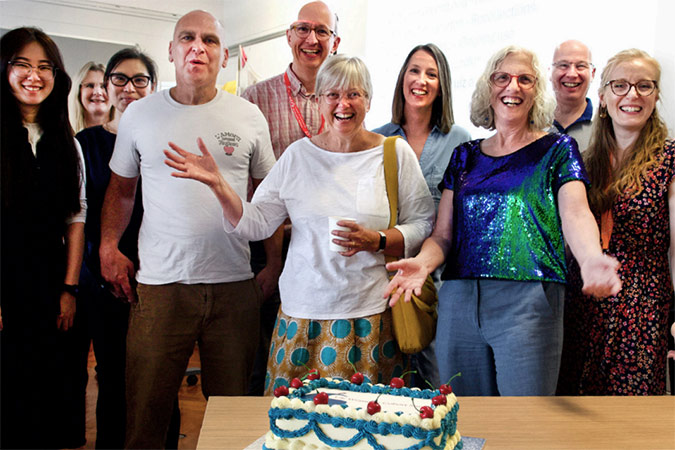
Celebrating its 30th anniversary, the UK Women’s Cohort Study (UKWCS) stands as a rare and powerful example of long-term research transforming cancer prevention.
Initially funded by World Cancer Research Fund and led by Professor Janet Cade at the University of Leeds, the study has followed over 35,000 middle-aged women for three decades providing uniquely rich insights into how diet influences cancer, cardiovascular disease, and long-term health.
By capturing a wide range of eating patterns and regularly tracking participants over time, the UKWCS has generated landmark findings. These include evidence that higher fibre intake is linked to lower stroke risk, while greater consumption of red and processed meat increases breast cancer risk. Research has also shown that dietary patterns matter: vegetarians and fish-eaters may have some protection against post-menopausal breast cancer compared with meat-eaters.
Beyond individual nutrients, the study reveals how diet intersects with wider lifestyle and social factors such as smoking status, education, and supplement use, helping to identify population trends and target effective health messages.
The UKWCS is more than a dataset; it is a living legacy. Its findings have been cited in at least nine government policy documents, directly informing public health guidance and improving lives at scale. As researchers reflected at the 30th anniversary celebration, the study continues to honour its participants by turning decades of data into actionable knowledge helping people live longer, healthier lives and strengthening the evidence base for cancer prevention.
This project was funded by World Cancer Research Fund as part of World Cancer Research Fund International. Find out more about the project.
 Prof Tora Skeidsvoll Solheim, Norwegian University of Science and Technology, Norway
Empowering new generations of researchers
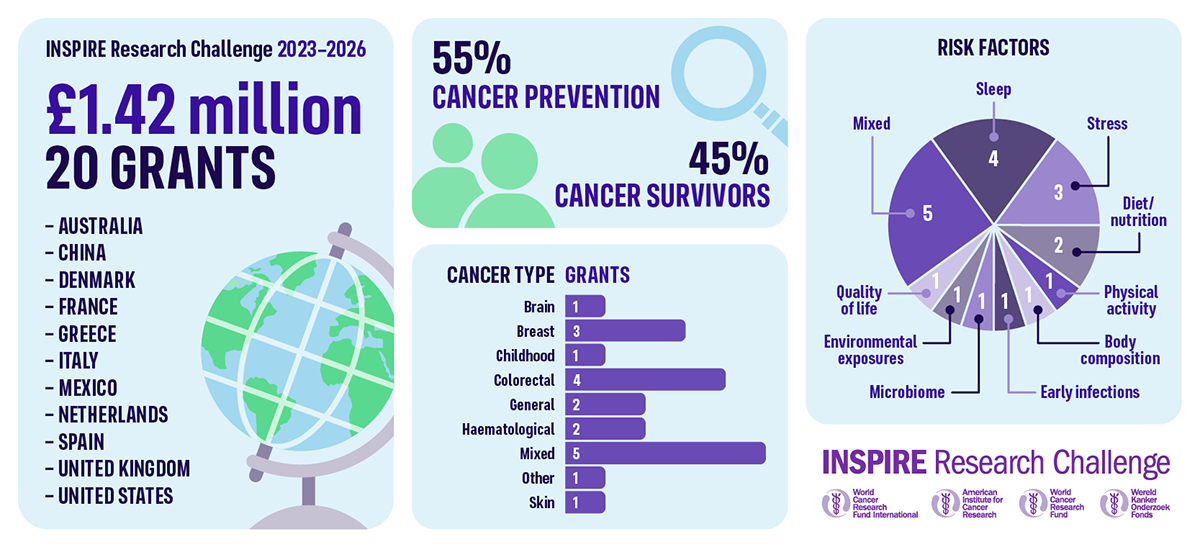
Since the launch of our INSPIRE Research Challenge grant call in 2023, we have funded 20 grants led by early-career researchers, totalling £1,427,430 in funding. These grants are being funded across the world, looking into novel exposures such as sleep, stress, and the microbiome.
🔍 Click image to enlarge
Case studies
-
Early life infections: pathways to prevent adult cancers?
 Dr Julie Aarestrup, Bispebjerg and Frederiksberg Hospital, Denmark
Receiving this award from WKOF raised Dr Aarestrup’s profile in the Danish cancer research community and allowed her to expand her national and international network. Her grant findings raised the intriguing possibility that infections in the first two years of life, which are common and a leading cause of hospitalisation, may play a role in reducing the risk of cancer.
This project was funded by Werald Kanker Onderzoef Fonds as part of World Cancer Research Fund International. Find out more about the project.
-
Using AI chatbots to support families of children with cancer
 Dr Micah Skeens, The Research Institute at Nationwide Children’s Hospital, US
Dr Skeens’ grant developed an artificial intelligence chatbot, which she showed to be an acceptable and easy-to-use tool for helping families manage the social and emotional challenges of paediatric cancer. By integrating AI technology into cancer care, it has the potential to revolutionise the identification and management of social needs in paediatric oncology.
This grant facilitated Dr Skeens’ participation in the World Cancer Congress in 2024, not only enhancing her professional visibility, but also providing invaluable networking opportunities with leading experts and institutions worldwide.
This project was funded by World Cancer Research Fund as part of World Cancer Research Fund International. Find out more about the project.

Stay connected with cancer prevention research
Get the latest cancer prevention research, Global Cancer Update Programme news, findings from our funded researchers, grant opportunities and global policy updates delivered straight to your inbox.