Latest news and blogs
Staying active after cancer: why the first year may need more support
New research involved participants wearing an activity monitor to provide a picture of movement, sitting and sleep across everyday life.
Research gives mum hope after breast lump in pregnancy
After finding a lump in her breast at six months pregnant, Sarah faced something no mother should have to experience: a newborn baby and a cancer diagnosis.
Are colon cancer subtypes linked to a greater risk of recurrence – and could diet be relevant?
A particular colon cancer subtype, imCMS4, was linked to the highest risk of recurrence, and a more ‘pro-inflammatory’ diet was associated with greater recurrence risk in this same subgroup.
More prostate cancer research
Vitamin D and prostate cancer
Richard Martin and his team observed an association between vitamin D and more aggressive cancers
Does the age you are obese matter?
Obesity is associated with an increased risk of death from prostate cancer, but the underlying causes are poorly understood
Helping prostate cancer survivors in disadvantaged areas
A study, funded by WCRF, of the feasibility of a nurse-led behaviour change intervention to increase activity for prostate cancer survivors
More prostate cancer research
Selenium and the prostate: clinical trials on availability to prostate tissue and effects on gene expression
Ellen Kampman’s study showed that selenium is able to induce changes in the expression of a number of genes in the prostate
Helping prostate cancer survivors in disadvantaged areas
A study, funded by WCRF, of the feasibility of a nurse-led behaviour change intervention to increase activity for prostate cancer survivors
Chronic platelet activation – a major link between diet, lifestyle and cancer risk?
We’re funding the first comprehensive prospective study on chronic platelet activation in healthy subjects and subsequent cancer risk
More prostate cancer research
Understanding how obesity-induced tumour metabolites drive prostate cancer progression
This study aims to show that changing diet can reverse obesity-induced tumour and prostate cancer progression
How does physical activity lower the risk of cancer?
This research, funded by WCRF International, looks at how our genetics affect immunity, hormones and metabolism, and how these affect activity
Helping prostate cancer survivors in disadvantaged areas
A study, funded by WCRF, of the feasibility of a nurse-led behaviour change intervention to increase activity for prostate cancer survivors
More prostate cancer research
Chronic platelet activation – a major link between diet, lifestyle and cancer risk?
We’re funding the first comprehensive prospective study on chronic platelet activation in healthy subjects and subsequent cancer risk
Improving cognitive impairment in survivors of prostate cancer
How does physical activity, cognitive training, or a combination of the two help improve fatigue, memory and thinking in men on hormone treatment
Does the age you are obese matter?
Obesity is associated with an increased risk of death from prostate cancer, but the underlying causes are poorly understood
More prostate cancer research
Improving cognitive impairment in survivors of prostate cancer
How does physical activity, cognitive training, or a combination of the two help improve fatigue, memory and thinking in men on hormone treatment
Obesity, exercise and prostate cancer
This study, funded by WCRF International, aims to investigate why obesity makes prostate cancer more aggressive
Understanding how obesity-induced tumour metabolites drive prostate cancer progression
This study aims to show that changing diet can reverse obesity-induced tumour and prostate cancer progression
More prostate cancer research
Chronic platelet activation – a major link between diet, lifestyle and cancer risk?
We’re funding the first comprehensive prospective study on chronic platelet activation in healthy subjects and subsequent cancer risk
Obesity, exercise and prostate cancer
This study, funded by WCRF International, aims to investigate why obesity makes prostate cancer more aggressive
Impact of dietary energy restriction and exercise on prostate cancer patients
This study will use a newly method to compare the impact of eating less food versus daily exercise on muscle, prostate, and prostate tumour growth responses
Latest research-related news and blogs
Staying active after cancer: why the first year may need more support
New research involved participants wearing an activity monitor to provide a picture of movement, sitting and sleep across everyday life.
Are colon cancer subtypes linked to a greater risk of recurrence – and could diet be relevant?
A particular colon cancer subtype, imCMS4, was linked to the highest risk of recurrence, and a more ‘pro-inflammatory’ diet was associated with greater recurrence risk in this same subgroup.
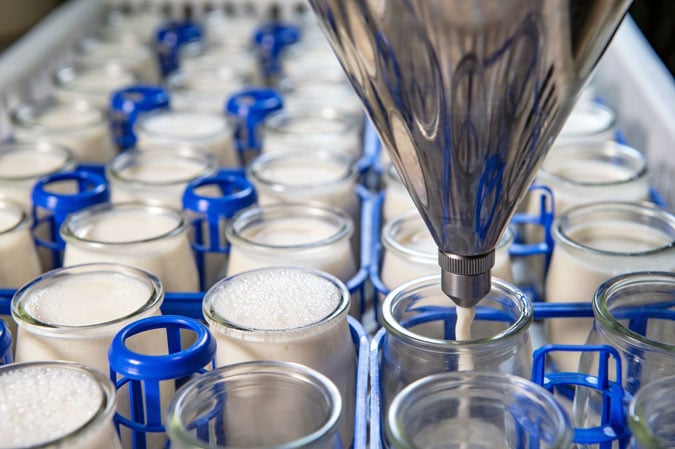
Could dairy processing help explain inconsistent findings on dairy consumption and breast cancer risk?
A new review suggests the way dairy foods are processed may alter their chemistry in ways that could help explain the inconsistent findings on dairy intake and breast cancer risk.

Latest research-related news and blogs
Staying active after cancer: why the first year may need more support
New research involved participants wearing an activity monitor to provide a picture of movement, sitting and sleep across everyday life.
Are colon cancer subtypes linked to a greater risk of recurrence – and could diet be relevant?
A particular colon cancer subtype, imCMS4, was linked to the highest risk of recurrence, and a more ‘pro-inflammatory’ diet was associated with greater recurrence risk in this same subgroup.
Could dairy processing help explain inconsistent findings on dairy consumption and breast cancer risk?
A new review suggests the way dairy foods are processed may alter their chemistry in ways that could help explain the inconsistent findings on dairy intake and breast cancer risk.

Latest research news and blogs
Staying active after cancer: why the first year may need more support
New research involved participants wearing an activity monitor to provide a picture of movement, sitting and sleep across everyday life.
Are colon cancer subtypes linked to a greater risk of recurrence – and could diet be relevant?
A particular colon cancer subtype, imCMS4, was linked to the highest risk of recurrence, and a more ‘pro-inflammatory’ diet was associated with greater recurrence risk in this same subgroup.
Could dairy processing help explain inconsistent findings on dairy consumption and breast cancer risk?
A new review suggests the way dairy foods are processed may alter their chemistry in ways that could help explain the inconsistent findings on dairy intake and breast cancer risk.

Latest research-related news and blogs
Staying active after cancer: why the first year may need more support
New research involved participants wearing an activity monitor to provide a picture of movement, sitting and sleep across everyday life.
Are colon cancer subtypes linked to a greater risk of recurrence – and could diet be relevant?
A particular colon cancer subtype, imCMS4, was linked to the highest risk of recurrence, and a more ‘pro-inflammatory’ diet was associated with greater recurrence risk in this same subgroup.
Could dairy processing help explain inconsistent findings on dairy consumption and breast cancer risk?
A new review suggests the way dairy foods are processed may alter their chemistry in ways that could help explain the inconsistent findings on dairy intake and breast cancer risk.

Latest research-related news and blogs
Staying active after cancer: why the first year may need more support
New research involved participants wearing an activity monitor to provide a picture of movement, sitting and sleep across everyday life.
Are colon cancer subtypes linked to a greater risk of recurrence – and could diet be relevant?
A particular colon cancer subtype, imCMS4, was linked to the highest risk of recurrence, and a more ‘pro-inflammatory’ diet was associated with greater recurrence risk in this same subgroup.
Could dairy processing help explain inconsistent findings on dairy consumption and breast cancer risk?
A new review suggests the way dairy foods are processed may alter their chemistry in ways that could help explain the inconsistent findings on dairy intake and breast cancer risk.