
Browse all our research grants
Isoflavones and lignans in breast cancer among Chinese women
This Hong Kong study will add to the data on the effects of dietary phytoestrogen on breast cancer outcomes
Can dietary fibre improve the gut bacteria response to immunotherapy in melanoma?
This study aims to enhance immunotherapy in patients with advanced melanoma by supplementing diet with extra dietary fibre
How exercise affects cancer survivors with chemotherapy-induced peripheral neuropathy
This research will help us understand the impacts of chemotherapy side-effects on long-term quality of life
Browse more research grants
How much do preventable risk factors increase the burden of cancer?
We’re funding a new research project into the population-level relevance of preventable risk factors on the global burden of cancer
How does coffee influence large bowel cancer survival?
We’re funding a new research project into how regularly drinking coffee may affect survival from large bowel cancer
Delivering chemotherapy to people with colon cancer on exercise bikes
Instead of sitting still during treatment, participants will use a stationary bike. Exercise may boost chemotherapy effectiveness by increasing blood flow
Browse more research grants
How does fat distribution influence obesity-related cancer risk? Exploring causality and mechanisms
This study aims to determine if body fat location influences cancer risk, using UK Biobank and Avon Longitudinal Study of Parents and Children datasets to inform targeted prevention strategies for obesity-related cancers
What role does thyroid hormone metabolism play in liver cancer development?
We aim to assess relationships between blood thyroid hormone levels and risk of hepatocellular carcinoma, and explore underlying mechanistic pathways
Wearable technology and breast cancer survivors
This study, funded by WCRF International, suggests wearable fitness trackers may improve the quality of life of breast cancer survivors
Browse all our research grants
Health behaviour interventions for Indigenous Australian cancer survivors
We’re funding a new research project into whether delivering a health behaviour intervention is feasible and acceptable to Indigenous Australian cancer survivors
Do diet and obesity increase the risk of bladder cancer?
Using data from over 3.5 million people, we aim to determine if what we eat and how much we weigh affects our risk of bladder cancer
Metabolic signatures of dietary exposures and their association with gastrointestinal cancers
This project will identify metabolic signatures for seven specific dietary exposures whose association with cancer risk has not been convincingly established yet or for which insight into the underlying mechanisms is needed
Further breast cancer-related research
Metabolic syndrome, gut microbiome, and breast cancer risk in Sub-Saharan African women
The ABCS study examines how metabolic syndrome and the gut microbiome may impact breast cancer risk in Ghanaian women to support prevention strategies and personalised care in Sub-Saharan Africa
Body mass index in childhood and risk of pre-menopausal breast cancer
The study aims to determine whether a larger body size in childhood protects against a risk of pre-menopausal breast cancer.
Can a diet rich in polyphenols improve the health of breast cancer survivors?
We’re funding a new research project into whether a diet rich in polyphenols is related to better health among breast cancer survivors
Latest news and blogs

Updating our NOURISHING and MOVING policy tools: future-proofing for the next decade
Our Senior Policy Research Manager takes us behind the scenes to look at the team’s efforts to build tools that support evidence-informed prevention policy around the world.
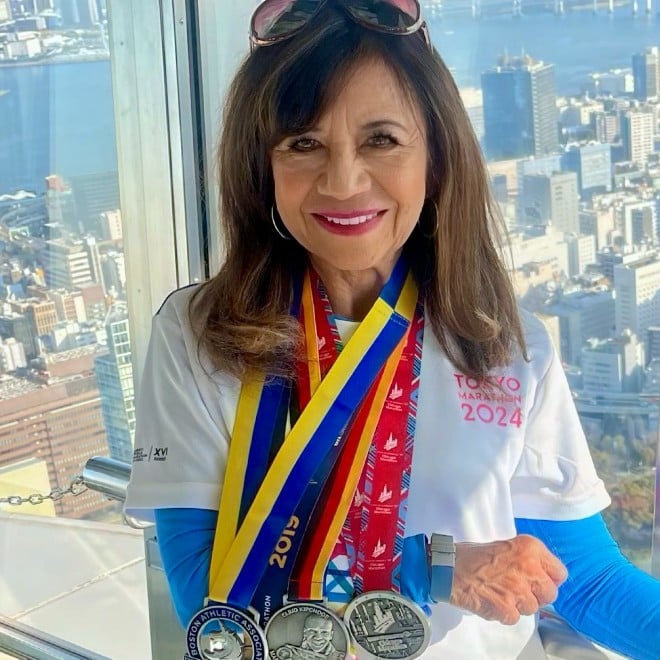
From classroom to finish line: retired teacher to complete six world marathons
A retired schoolteacher from the Greater Houston area will complete the World Marathon Majors to help fund cancer prevention research.
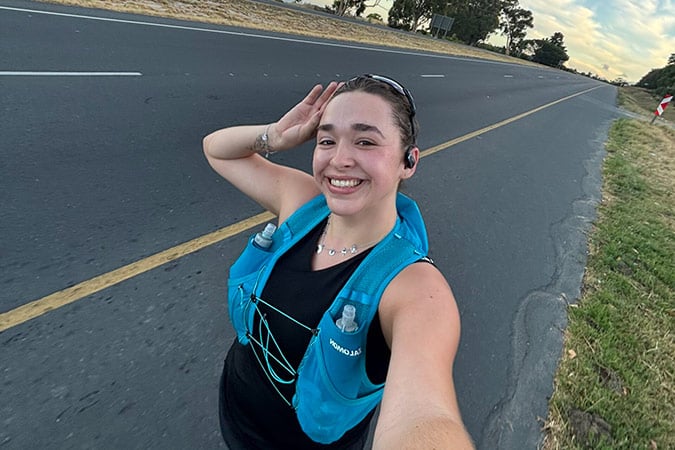
Cape Town runner targets London Marathon inspired by her mum’s cancer journey
Raine Scott Anderson will run the TCS London Marathon following years of uncertainty after her mother’s neuroendocrine cancer diagnosis
More prostate cancer research
Impact of dietary energy restriction and exercise on prostate cancer patients
This study will use a newly method to compare the impact of eating less food versus daily exercise on muscle, prostate, and prostate tumour growth responses
Vitamin D and prostate cancer
Richard Martin and his team observed an association between vitamin D and more aggressive cancers
Helping prostate cancer survivors in disadvantaged areas
A study, funded by WCRF, of the feasibility of a nurse-led behaviour change intervention to increase activity for prostate cancer survivors
Latest news and blogs
Updating our NOURISHING and MOVING policy tools: future-proofing for the next decade
Our Senior Policy Research Manager takes us behind the scenes to look at the team’s efforts to build tools that support evidence-informed prevention policy around the world.
From classroom to finish line: retired teacher to complete six world marathons
A retired schoolteacher from the Greater Houston area will complete the World Marathon Majors to help fund cancer prevention research.
Cape Town runner targets London Marathon inspired by her mum’s cancer journey
Raine Scott Anderson will run the TCS London Marathon following years of uncertainty after her mother’s neuroendocrine cancer diagnosis
More lung cancer research
Evaluating the protective effect of folate against lung cancer in a large European prospective study
Blood concentrations of vitamin B6 and methionine were lower in lung cancer cases than in controls in a study funded by WCRF International
Older adults with cancer: designing a diet and activity model of care
This project aims to co-design and test the feasibility of a new diet and physical activity programme for older people with cancer based on their values and needs.
Adherence to Mediterranean diet and risk of esophageal, gastric, pancreas, lung and breast cancer
Piet van den Brandt’s research concluded that eating a Mediterranean diet may reduce the risk of lung, postmenopausal breast, oesophagus (squamous cell carcinoma in men), and stomach cancers
Latest news and blogs
Updating our NOURISHING and MOVING policy tools: future-proofing for the next decade
Our Senior Policy Research Manager takes us behind the scenes to look at the team’s efforts to build tools that support evidence-informed prevention policy around the world.
From classroom to finish line: retired teacher to complete six world marathons
A retired schoolteacher from the Greater Houston area will complete the World Marathon Majors to help fund cancer prevention research.
Cape Town runner targets London Marathon inspired by her mum’s cancer journey
Raine Scott Anderson will run the TCS London Marathon following years of uncertainty after her mother’s neuroendocrine cancer diagnosis
More prostate cancer research
Vitamin D and prostate cancer
Richard Martin and his team observed an association between vitamin D and more aggressive cancers
Identifying which nutrients may cause or protect against prostate cancer
Our research hypothesises that folate, vitamin B12, & iron may increase cancer risk; selenium, vitamin D, E & lycopene may protect against
Selenium and the prostate: clinical trials on availability to prostate tissue and effects on gene expression
Ellen Kampman’s study showed that selenium is able to induce changes in the expression of a number of genes in the prostate
Latest news and blogs
Updating our NOURISHING and MOVING policy tools: future-proofing for the next decade
Our Senior Policy Research Manager takes us behind the scenes to look at the team’s efforts to build tools that support evidence-informed prevention policy around the world.
From classroom to finish line: retired teacher to complete six world marathons
A retired schoolteacher from the Greater Houston area will complete the World Marathon Majors to help fund cancer prevention research.
Cape Town runner targets London Marathon inspired by her mum’s cancer journey
Raine Scott Anderson will run the TCS London Marathon following years of uncertainty after her mother’s neuroendocrine cancer diagnosis