Breast cancer: effect of yoga on endocrine-related musculoskeletal symptoms
The aim of this study is to assess the effect of yoga in women with a breast cancer diagnosis who suffer from joint pain and stiffness caused by hormone therapy.
Establishing risk factors for oesophageal cancer to inform prevention
Is your risk of oesophageal cancer determined by what you eat and drink and how this differs by gender, geography, body weight, your alcohol intake and whether you smoke
Can you trust what you read about cancer and diet on social media?
During Cancer Prevention Action Week, more than 30 online health professionals and experts backed our Science Not Fiction campaign – and helped explain why health misinformation is a serious public health problem.
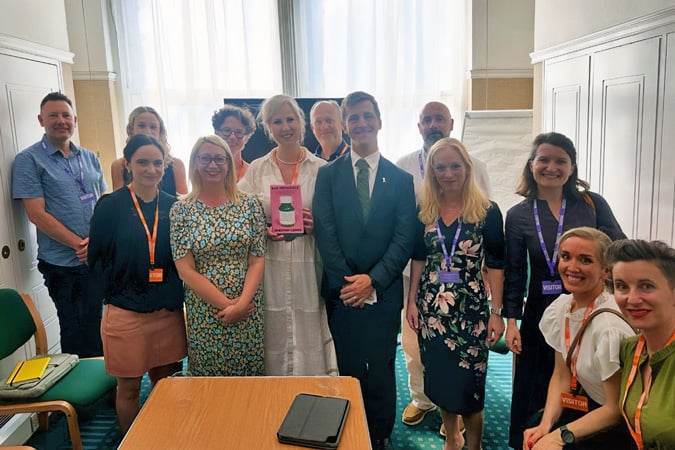
WCRF attends UK parliamentary roundtable on health misinformation
World Cancer Research Fund joined clinicians, researchers and policymakers at Westminster to discuss the real-world impact of health misinformation and what needs to change.
Metabolic syndrome, gut microbiome, and breast cancer risk in Sub-Saharan African women
The ABCS study examines how metabolic syndrome and the gut microbiome may impact breast cancer risk in Ghanaian women to support prevention strategies and personalised care in Sub-Saharan Africa
Can you trust what you read about cancer and diet on social media?
During Cancer Prevention Action Week, more than 30 online health professionals and experts backed our Science Not Fiction campaign – and helped explain why health misinformation is a serious public health problem.
WCRF attends UK parliamentary roundtable on health misinformation
World Cancer Research Fund joined clinicians, researchers and policymakers at Westminster to discuss the real-world impact of health misinformation and what needs to change.
Can you trust what you read about cancer and diet on social media?
During Cancer Prevention Action Week, more than 30 online health professionals and experts backed our Science Not Fiction campaign – and helped explain why health misinformation is a serious public health problem.
WCRF attends UK parliamentary roundtable on health misinformation
World Cancer Research Fund joined clinicians, researchers and policymakers at Westminster to discuss the real-world impact of health misinformation and what needs to change.
Can you trust what you read about cancer and diet on social media?
During Cancer Prevention Action Week, more than 30 online health professionals and experts backed our Science Not Fiction campaign – and helped explain why health misinformation is a serious public health problem.
WCRF attends UK parliamentary roundtable on health misinformation
World Cancer Research Fund joined clinicians, researchers and policymakers at Westminster to discuss the real-world impact of health misinformation and what needs to change.
Can you trust what you read about cancer and diet on social media?
During Cancer Prevention Action Week, more than 30 online health professionals and experts backed our Science Not Fiction campaign – and helped explain why health misinformation is a serious public health problem.
WCRF attends UK parliamentary roundtable on health misinformation
World Cancer Research Fund joined clinicians, researchers and policymakers at Westminster to discuss the real-world impact of health misinformation and what needs to change.
Can you trust what you read about cancer and diet on social media?
During Cancer Prevention Action Week, more than 30 online health professionals and experts backed our Science Not Fiction campaign – and helped explain why health misinformation is a serious public health problem.
WCRF attends UK parliamentary roundtable on health misinformation
World Cancer Research Fund joined clinicians, researchers and policymakers at Westminster to discuss the real-world impact of health misinformation and what needs to change.
How cholesterol metabolism disruptions influence breast cancer development
This study examines the link between cholesterol metabolites, lifestyle factors and breast cancer risk in the European Prospective Investigation into Cancer and Nutrition (EPIC) cohort