
Browse all our research grants
Investigating colorectal cancer in young adults
We’re funding a new research project into the role of overweight/obesity, diabetes, diet, and physical inactivity in early-onset colorectal cancer
Does a poor diet cause health problems for colorectal cancer survivors?
This research aimed to discover if diet affects the health of colorectal cancer survivors, such as depression, fatigue and anxiety
Breast cancer: effect of yoga on endocrine-related musculoskeletal symptoms
The aim of this study is to assess the effect of yoga in women with a breast cancer diagnosis who suffer from joint pain and stiffness caused by hormone therapy.
Browse more research grants
Vitamin D and pancreatic cancer risk
Higher concentrations and dietary intake of vitamin D were not associated with a lower risk of pancreatic cancer.
Metabolic syndrome, gut microbiome, and breast cancer risk in Sub-Saharan African women
The ABCS study examines how metabolic syndrome and the gut microbiome may impact breast cancer risk in Ghanaian women to support prevention strategies and personalised care in Sub-Saharan Africa
Can vitamin D reduce fatigue in colorectal cancer patients?
A study to test whether vitamin D supplementation improves fatigue in patients with a colorectal tumor
Browse more research grants
Do diet and obesity increase the risk of bladder cancer?
Using data from over 3.5 million people, we aim to determine if what we eat and how much we weigh affects our risk of bladder cancer
Advanced Glycation End Products: are exposures associated with colorectal cancer risk and survival?
Mazda Jenab is researching high fat/protein or animal-source foods, and how they impact colorectal cancer
What role do proteins in the blood play in the link between metabolic dysfunction and cancer?
Using data on levels of proteins in the blood from large population studies, we aim to understand how metabolic dysfunction leads to the development of cancers
Browse all our research grants
Exploring the link between obesity and endometrial cancer
We’re funding a new research project to investigate the biological process behind the link between obesity and endometrial cancer.
Does being a vegetarian lower your risk of cancer?
A study into whether vegetarians have a lower risk of developing certain cancers
Night shift work and the risk of testicular cancer and ovarian cancer
The ON-Shift project will explore the relationship between night shift work and the risk of testicular and ovarian cancers using data from studies in France and Denmark
Further breast cancer-related research
Do vegetarian diets lower cancer risk?
This research found that vegetarians had a reduced risk of cancers of the gastrointestinal tract
Why does obesity increase the risk of certain cancers in women?
We explored the associations between body fatness and breast, endometrial and ovarian cancers
Adherence to Mediterranean diet and risk of esophageal, gastric, pancreas, lung and breast cancer
Piet van den Brandt’s research concluded that eating a Mediterranean diet may reduce the risk of lung, postmenopausal breast, oesophagus (squamous cell carcinoma in men), and stomach cancers
Latest news and blogs

Can you trust what you read about cancer and diet on social media?
During Cancer Prevention Action Week, more than 30 online health professionals and experts backed our Science Not Fiction campaign – and helped explain why health misinformation is a serious public health problem.
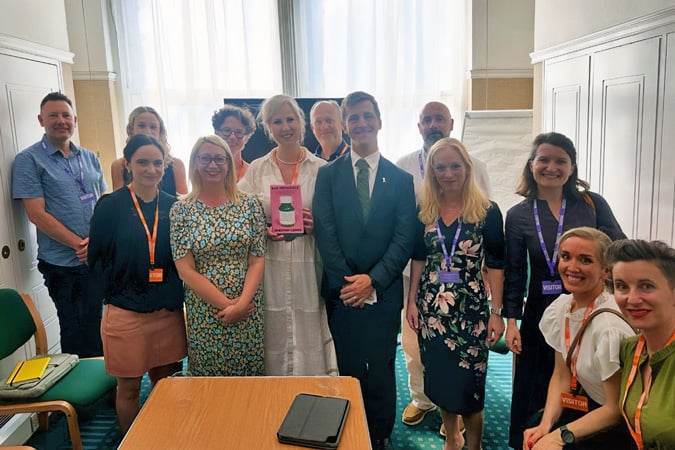
WCRF attends UK parliamentary roundtable on health misinformation
World Cancer Research Fund joined clinicians, researchers and policymakers at Westminster to discuss the real-world impact of health misinformation and what needs to change.
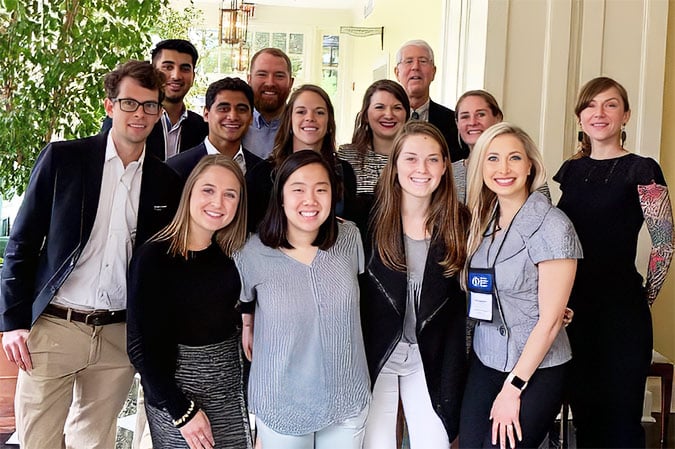
How a Fellowship helped Dr Mike Coleman uncover links between obesity, the immune system and cancer
During his AICR/WCRF Fellowship, Assistant Professor Mike Coleman helped uncover how obesity weakens the immune system’s ability to fight cancer.
More prostate cancer research
Impact of dietary energy restriction and exercise on prostate cancer patients
This study will use a newly method to compare the impact of eating less food versus daily exercise on muscle, prostate, and prostate tumour growth responses
Do vegetarian diets lower cancer risk?
This research found that vegetarians had a reduced risk of cancers of the gastrointestinal tract
ERADICATE exercise trial to improve tumour perfusion alongside radiotherapy for prostate cancer patients
The ERADICATE exercise trial aims to increase the flow of oxygen to the prostate tumour alongside radiotherapy.
Latest news and blogs
Can you trust what you read about cancer and diet on social media?
During Cancer Prevention Action Week, more than 30 online health professionals and experts backed our Science Not Fiction campaign – and helped explain why health misinformation is a serious public health problem.
WCRF attends UK parliamentary roundtable on health misinformation
World Cancer Research Fund joined clinicians, researchers and policymakers at Westminster to discuss the real-world impact of health misinformation and what needs to change.
How a Fellowship helped Dr Mike Coleman uncover links between obesity, the immune system and cancer
During his AICR/WCRF Fellowship, Assistant Professor Mike Coleman helped uncover how obesity weakens the immune system’s ability to fight cancer.
More lung cancer research
Comprehensive assessment, validation and causal identification of dietary exposures and cancer risk
Konstantinos Tsilidis’s research uses nutrient-wide association studies to look at lung, breast, colorectal and prostate cancers
Exploring selenium and lung cancer risk
We’re studying how selenium may influence lung cancer biology and survival of cancer cells, with the aim of informing future guidance
Older adults with cancer: designing a diet and activity model of care
This project aims to co-design and test the feasibility of a new diet and physical activity programme for older people with cancer based on their values and needs.
Latest news and blogs
Can you trust what you read about cancer and diet on social media?
During Cancer Prevention Action Week, more than 30 online health professionals and experts backed our Science Not Fiction campaign – and helped explain why health misinformation is a serious public health problem.
WCRF attends UK parliamentary roundtable on health misinformation
World Cancer Research Fund joined clinicians, researchers and policymakers at Westminster to discuss the real-world impact of health misinformation and what needs to change.
How a Fellowship helped Dr Mike Coleman uncover links between obesity, the immune system and cancer
During his AICR/WCRF Fellowship, Assistant Professor Mike Coleman helped uncover how obesity weakens the immune system’s ability to fight cancer.
More prostate cancer research
Adherence to the WCRF/AICR Cancer Prevention Recommendations and Cancer Risk in the EPIC
This research investigated whether following our Recommendations was related to risk of cancers and death
Understanding how obesity-induced tumour metabolites drive prostate cancer progression
This study aims to show that changing diet can reverse obesity-induced tumour and prostate cancer progression
Impact of dietary energy restriction and exercise on prostate cancer patients
This study will use a newly method to compare the impact of eating less food versus daily exercise on muscle, prostate, and prostate tumour growth responses
Latest news and blogs
Can you trust what you read about cancer and diet on social media?
During Cancer Prevention Action Week, more than 30 online health professionals and experts backed our Science Not Fiction campaign – and helped explain why health misinformation is a serious public health problem.
WCRF attends UK parliamentary roundtable on health misinformation
World Cancer Research Fund joined clinicians, researchers and policymakers at Westminster to discuss the real-world impact of health misinformation and what needs to change.
How a Fellowship helped Dr Mike Coleman uncover links between obesity, the immune system and cancer
During his AICR/WCRF Fellowship, Assistant Professor Mike Coleman helped uncover how obesity weakens the immune system’s ability to fight cancer.