Defining characteristics to help predict survival from pancreatic cancer
This project will aim to define a set of patient traits within patients’ body composition, nutritional status, and inflammatory state that is predictive of postoperative course and survival of pancreatic cancer.
Which fatty acids help people respond better to immunotherapy for lung cancer?
We expect mono- and poly-unsaturated fatty acids to help patients respond to immunotherapy. We also want to identify diets, with the right kinds of fats, that make this treatment most effective
How many cancers are actually linked to obesity and physical activity?
At least 13 cancers are linked to overweight and obesity, and 3 linked to not being physically active. Are there more cancers that are caused by excess weight and low levels of physical activity?
Research gives mum hope after breast lump in pregnancy
After finding a lump in her breast at six months pregnant, Sarah faced something no mother should have to experience: a newborn baby and a cancer diagnosis.
Are colon cancer subtypes linked to a greater risk of recurrence – and could diet be relevant?
A particular colon cancer subtype, imCMS4, was linked to the highest risk of recurrence, and a more ‘pro-inflammatory’ diet was associated with greater recurrence risk in this same subgroup.
Are colon cancer subtypes linked to a greater risk of recurrence – and could diet be relevant?
A particular colon cancer subtype, imCMS4, was linked to the highest risk of recurrence, and a more ‘pro-inflammatory’ diet was associated with greater recurrence risk in this same subgroup.
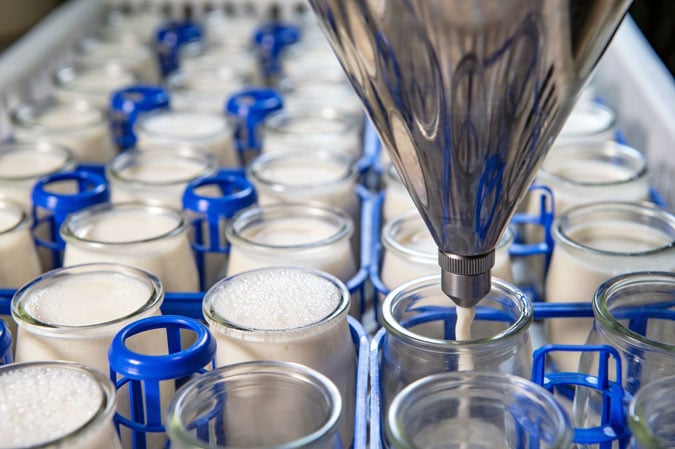
Could dairy processing help explain inconsistent findings on dairy consumption and breast cancer risk?
A new review suggests the way dairy foods are processed may alter their chemistry in ways that could help explain the inconsistent findings on dairy intake and breast cancer risk.
Are colon cancer subtypes linked to a greater risk of recurrence – and could diet be relevant?
A particular colon cancer subtype, imCMS4, was linked to the highest risk of recurrence, and a more ‘pro-inflammatory’ diet was associated with greater recurrence risk in this same subgroup.
Could dairy processing help explain inconsistent findings on dairy consumption and breast cancer risk?
A new review suggests the way dairy foods are processed may alter their chemistry in ways that could help explain the inconsistent findings on dairy intake and breast cancer risk.
Are colon cancer subtypes linked to a greater risk of recurrence – and could diet be relevant?
A particular colon cancer subtype, imCMS4, was linked to the highest risk of recurrence, and a more ‘pro-inflammatory’ diet was associated with greater recurrence risk in this same subgroup.
Could dairy processing help explain inconsistent findings on dairy consumption and breast cancer risk?
A new review suggests the way dairy foods are processed may alter their chemistry in ways that could help explain the inconsistent findings on dairy intake and breast cancer risk.