
Browse more research grants
Studying Burkitt lymphoma among children in sub-Saharan Africa
We want to find out if exposure to mycotoxins (toxic compounds produced by fungi) and infection with Epstein-Barr virus put children at risk of Burkitt lymphoma
Identification of metabolic signatures related to stress and breast cancer risk and survival
This study examines the associations between self-reported stress and breast cancer risk and survival, and then identify novel blood markers of stress
Helping colorectal cancer survivors at risk of cardiovascular disease
We’re funding a new research project into helping people with colorectal cancer who are at high risk of cardiovascular disease to improve their physical activity, diet, and sleep
Browse all our research grants
Vitamin D and lifestyle, large bowel cancer development and Lynch syndrome
We’re funding a new research project into how lifestyle factors and vitamin D levels can affect the risk of large bowel cancer in people with Lynch syndrome
Body mass index in childhood and risk of pre-menopausal breast cancer
The study aims to determine whether a larger body size in childhood protects against a risk of pre-menopausal breast cancer.
Does the age you are obese matter?
Obesity is associated with an increased risk of death from prostate cancer, but the underlying causes are poorly understood
Browse all our research grants
Vitamin D and bladder cancer risk, recurrence and progression
Increased risk of bladder cancer was observed among subjects presenting the lowest concentrations of 25(OH)D. Funded by WCRF International
Understanding the link between colorectal cancer and obesity through metabolic profiling
This project aims to determine ‘metabolic signatures’ associated with obesity and assess their link with colorectal cancer, using untargeted metabolomics – a technique that allows simultaneous assessment of thousands of metabolites in blood
Can rehabilitation after bone marrow transplants improve patient outcomes?
We’re funding a new research project to test if providing a rehabilitation programme for people after a bone marrow transplant improves outcomes for blood cancer patients
Browse all our research grants
Early life infections: pathways to prevent adult cancers?
This INSPIRE project investigated whether severe acute infections early in life are linked to risk of cancer in early adulthood.
Does bariatric surgery increase the risk of colorectal cancer?
Bowel cancer risk is increased in individuals with a hospital episode coded as obesity, research shows
Reducing sedentary behaviour after colorectal and renal cancer
The aim of this study is assess whether and how reducing sedentary behaviour is related to adiposity, fatigue and quality of life in people after treatment for colorectal and renal cancer.
Browse more research grants
Impact of nutrition and exercise programme after cancer diagnosis
Our goal is to investigate the effectiveness of a comprehensive programme for people after cancer, which includes nutrition, exercise, sleep and stress management, and explores the use of technology such as smart watches
Does a poor diet cause health problems for colorectal cancer survivors?
This research aimed to discover if diet affects the health of colorectal cancer survivors, such as depression, fatigue and anxiety
Reducing sedentary behaviour after colorectal and renal cancer
The aim of this study is assess whether and how reducing sedentary behaviour is related to adiposity, fatigue and quality of life in people after treatment for colorectal and renal cancer.
More breast cancer-related research grants
Does exercise offer long-term benefits for people with metastatic breast cancer?
A previous study showed that a supervised exercise programme reduced fatigue, pain and shortness of breath. We want to find out if these effects last
Using mindfulness to reduce stress in breast cancer patients receiving chemotherapy
This study assesses the effect of a 6-week online mindfulness program on stress reduction and related symptoms in women undergoing chemotherapy for breast cancer
Identification of metabolic signatures related to stress and breast cancer risk and survival
This study examines the associations between self-reported stress and breast cancer risk and survival, and then identify novel blood markers of stress
More breast cancer-related research grants
Does exercise offer long-term benefits for people with metastatic breast cancer?
A previous study showed that a supervised exercise programme reduced fatigue, pain and shortness of breath. We want to find out if these effects last
Using mindfulness to reduce stress in breast cancer patients receiving chemotherapy
This study assesses the effect of a 6-week online mindfulness program on stress reduction and related symptoms in women undergoing chemotherapy for breast cancer
Identification of metabolic signatures related to stress and breast cancer risk and survival
This study examines the associations between self-reported stress and breast cancer risk and survival, and then identify novel blood markers of stress
More colorectal cancer research
Chronic platelet activation – a major link between diet, lifestyle and cancer risk?
We’re funding the first comprehensive prospective study on chronic platelet activation in healthy subjects and subsequent cancer risk
Identifying the influence of the microbiome and metabolome on intestinal stem cells
We aim to find out if bacteria affect the behaviour of normal and cancerous intestinal stem cells.
The role of inflammation in the link between obesity and colorectal cancer
We are funding a new research project into the role of inflammation in the association between obesity and bowel cancer risk.
Latest news and blogs

Research gives mum hope after breast lump in pregnancy
After finding a lump in her breast at six months pregnant, Sarah faced something no mother should have to experience: a newborn baby and a cancer diagnosis.

Are colon cancer subtypes linked to a greater risk of recurrence – and could diet be relevant?
A particular colon cancer subtype, imCMS4, was linked to the highest risk of recurrence, and a more ‘pro-inflammatory’ diet was associated with greater recurrence risk in this same subgroup.

Fun in the sun: planning a picnic to please everyone
Discover healthy picnic ideas for the whole family, including easy recipes, picnic essentials and fun ways to enjoy eating outdoors.
Latest news and blogs
Research gives mum hope after breast lump in pregnancy
After finding a lump in her breast at six months pregnant, Sarah faced something no mother should have to experience: a newborn baby and a cancer diagnosis.
Are colon cancer subtypes linked to a greater risk of recurrence – and could diet be relevant?
A particular colon cancer subtype, imCMS4, was linked to the highest risk of recurrence, and a more ‘pro-inflammatory’ diet was associated with greater recurrence risk in this same subgroup.
Fun in the sun: planning a picnic to please everyone
Discover healthy picnic ideas for the whole family, including easy recipes, picnic essentials and fun ways to enjoy eating outdoors.
Latest research-related news and blogs
Are colon cancer subtypes linked to a greater risk of recurrence – and could diet be relevant?
A particular colon cancer subtype, imCMS4, was linked to the highest risk of recurrence, and a more ‘pro-inflammatory’ diet was associated with greater recurrence risk in this same subgroup.
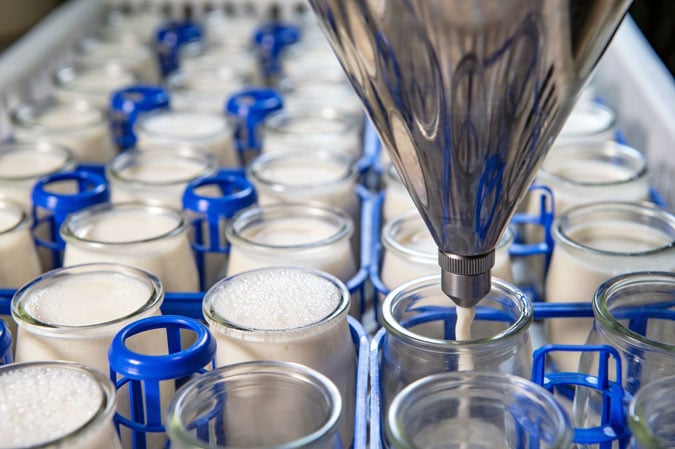
Could dairy processing help explain inconsistent findings on dairy consumption and breast cancer risk?
A new review suggests the way dairy foods are processed may alter their chemistry in ways that could help explain the inconsistent findings on dairy intake and breast cancer risk.

Closing the gaps in cancer prevention
Schools, surgery and self-testing – three new studies explore how to deliver it where it’s needed most.
Latest research-related news and blogs
Are colon cancer subtypes linked to a greater risk of recurrence – and could diet be relevant?
A particular colon cancer subtype, imCMS4, was linked to the highest risk of recurrence, and a more ‘pro-inflammatory’ diet was associated with greater recurrence risk in this same subgroup.
Could dairy processing help explain inconsistent findings on dairy consumption and breast cancer risk?
A new review suggests the way dairy foods are processed may alter their chemistry in ways that could help explain the inconsistent findings on dairy intake and breast cancer risk.
Closing the gaps in cancer prevention
Schools, surgery and self-testing – three new studies explore how to deliver it where it’s needed most.