How mindfulness could ease stress during breast cancer chemotherapy
Women receiving chemotherapy for breast cancer can experience considerable emotional strain alongside physical side effects. Researchers in Mexico are investigating whether a six-week online mindfulness programme could provide accessible support, with early findings suggesting it may help reduce stress and feelings of sadness.
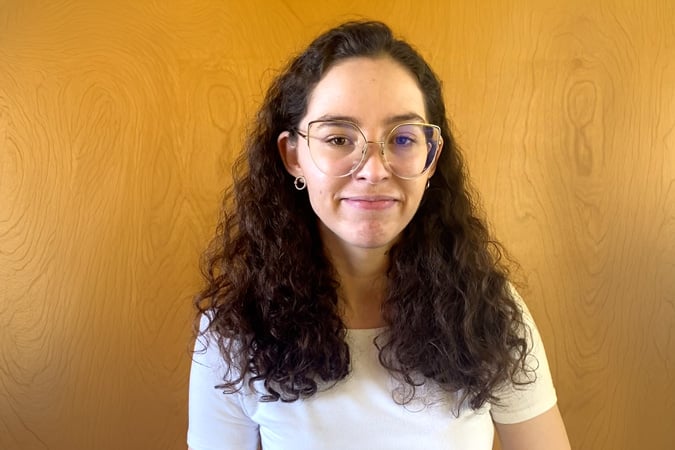
Dr Fernanda Mesa Chávez, from Centro Médico Zambrano Hellion, wants emotional wellbeing to be recognised as an important part of cancer care.
With funding from our INSPIRE Research Challenge, Dr Mesa Chávez and her team have been investigating whether mindfulness can help women manage the emotional impact of cancer treatment.
“Breast cancer affects patients’ lives in aspects beyond the tumour itself. The diagnosis and its treatments can have a deeply emotional impact related to factors such as side effects, fear, and changes in body image, interpersonal relationships and daily routines,” she says.
How the online mindfulness programme worked
The study was designed to involve 128 women beginning chemotherapy for breast cancer in Mexico. Participants were randomly assigned either to take part in a six-week online mindfulness programme or to a comparison group that would be able to access online videos after the study.
The programme used six pre-recorded online sessions to introduce practices including meditation, body awareness and techniques for managing difficult emotions. Because the sessions were available on demand, women could follow them at home and fit them around treatment, medical appointments and periods of fatigue.
The researchers assessed participants’ stress and related symptoms at the beginning of the study and then again after seven and 11 weeks.
Can mindfulness reduce stress during chemotherapy?
With recruitment complete, Dr Mesa Chávez’s team is now analysing the data and preparing the results for presentation and publication in a peer-reviewed journal.
Early findings have been encouraging, both in terms of participants’ emotional wellbeing and their experience of using the online sessions.
“Overall, the online mindfulness programme helped to reduce patients’ stress levels and feelings of sadness. In addition, patients were highly satisfied with the programme and considered that its online, on-demand format was accessible and easy to use.”
Dr Mesa Chávez adds: “Notably, patients were highly satisfied with the programme, with nearly all of them (97%) confirming that they would recommend it to other patients receiving chemotherapy for breast cancer.”
The full findings have not yet been published or peer reviewed, so further detail will be needed before firm conclusions can be drawn. Nevertheless, the early results offer an encouraging indication that relatively simple, accessible support may make a meaningful difference during an intensely demanding period.
Why online mindfulness could improve access
For Dr Mesa Chávez, one of the programme’s greatest strengths is that it does not require people to travel to another appointment or practice at a particular time: “Being able to watch the videos at home in a familiar environment can offer a layer of comfort and a sense of safety.”
Several participants told the researchers that the online approach made support feel more inclusive because women could access it regardless of where they lived or which medical centre was providing their treatment. Many wanted to continue practicing mindfulness after completing the study.
Caring for the whole person
Mindfulness is not a treatment for cancer and should not replace medical or psychological care. Instead, Dr Mesa Chávez sees it as a form of supportive care that could sit alongside treatment and help people manage difficult emotions with greater calm and self-compassion. She is encouraged by growing recognition that cancer care must support the whole person, not only treat the disease.
“Being able to offer this kind of supportive care to patients throughout the country, receiving their feedback and words of gratitude, and observing the positive impact that the mindfulness programme had on their wellbeing have been the most fulfilling parts of this project.”
What happens next for the research
Dr Mesa Chávez’s team now plans to present the findings at an international scientific meeting and prepare a manuscript for publication. Following the positive feedback from participants, the team has also begun promoting mindfulness at its centre and encouraging oncologists to consider it as an additional supportive-care option for patients experiencing emotional distress.
Reflecting on the people who helped make the research possible, Dr Mesa Chávez says: “Generating scientific evidence is possible thanks to the patients who participate in research, their families, and the generous donors who advocate for science. I would like to express my profound gratitude for your participation and support.”