Cancer, diet and treatment: expert answers to common questions
Our Cancer and Nutrition Helpline is staffed by oncology dietitians who help people living with cancer and their loved ones find their way through the maze of misinformation about nutrition after a diagnosis.
Our dietitians are asked about cancer and nutrition myths more than any other subject. Here are a few of the questions they answer most often.
“I’ve just been diagnosed with cancer. What can I do to help myself before my treatment starts?” – Dave
Receiving a cancer diagnosis can feel overwhelming. It can also feel like you’re losing some of your independence as your calendar fills with hospital appointments. But there are steps you can take yourself to look after your health before treatment begins.
Healthy changes will stand you in good stead as you go through treatment so it’s helpful to make a start as soon as you can. That means following a healthy, balanced diet, being physically active and looking after your mental health. Ask your cancer care team for advice and let them know about any changes you’re making.
Some cancer centres run prehabilitation programmes designed to help you prepare for treatment in the days or weeks before it starts. Prehab programmes typically focus on your general health, including your diet and how active you are, and your emotional wellbeing. Their goal is to get you in the best state possible for treatment.
There’s increasing evidence of the benefits of prehab for people living with cancer. It can reduce your side effects or help you cope better with side effects linked to your treatment. It can shorten the time you need to spend recovering in hospital. And, sometimes, being fitter can mean you’re offered treatments you wouldn’t otherwise be suitable for.
You don’t need to take part in an official hospital prehab programme to benefit from making healthy changes and looking after your general health, but make sure you’re using information from a robust, evidence backed source like World Cancer Research Fund, the NHS website or other trusted information creators showing the PIF TICK symbol.
See it as taking steps to invest in your health which will not only bolster you to cope better with treatment, but also help with your recovery and lay foundations for healthy habits in the future.
“I’ve seen cancer-fighting diets advertised online. What’s your advice?” – Bernice
You may come across ‘fad diets’ which claim they can fight cancer and, with claims like that, it’s not surprising if they grab your attention. That’s exactly what they are designed to do, but there’s no scientific evidence that following any particular diet can cure cancer or replace cancer treatments.
Cancer and cancer treatment can be tough on your body so it’s really important that you give your body the energy (calories) and nutrients it needs. Some ‘fad diets’ suggest you restrict yourself to particular foods or cut out whole food groups like carbohydrates or dairy. These diets might stop you getting what your body needs and they aren’t backed by reliable scientific evidence.
It’s much safer to stick to a healthy, balanced diet before, during and after cancer treatment. If you have questions about healthy eating, ask your cancer care team or contact our Cancer and Nutrition Helpline – you can pick up the phone or drop them a line.
“Is a vegan diet a good idea during cancer treatment?” – Becky
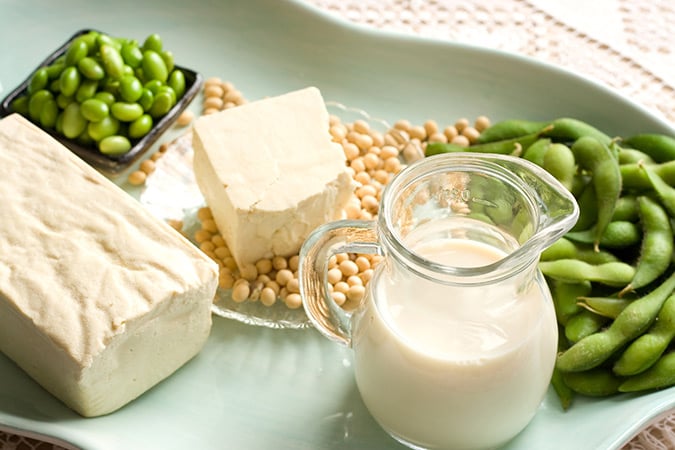
There’s no evidence to suggest that a vegan or plant-based diet gives you any advantages during cancer treatment compared to a diet that includes animal products.
We do know that eating plenty of plant-based foods like fruit, veg, pulses (like beans, chickpeas or lentils) and wholegrains (like brown rice, bread and pasta) can help give your body essential nutrients like vitamins, minerals and fibre.
So a vegan diet isn’t something you need to avoid as long as there’s enough variety in what you eat so your body can fight infection, cope with treatment side effects and minimise weight loss. That means you need to make sure you get enough energy (calories), protein, vitamins and minerals.
Going vegan sometimes means you can struggle to get everything your body needs and to keep to a healthy weight, especially as cancer and cancer treatments can make you feel sick or affect your appetite. But a vegan diet which includes a variety of different foods can be a good substitute for an animal-based diet if it gives you enough energy and you don’t miss out on any essential nutrients.
If you’re following a vegan diet or want to swap to one, it’s a good idea to speak to a dietitian to check you’re still getting all the nutrients your body needs.
“Will taking supplements help me during my cancer treatment?” – Ian
Most people don’t need to take dietary supplements as long as they’re following a healthy balanced diet, and that includes people who are living with cancer. Some supplements can be harmful, increasing tumour growth, and some can interfere with how chemotherapy and radiotherapy work.
Let your cancer care team know about any supplements you’re taking, including the doses. That includes homeopathic, natural or herbal remedies. Even if a supplement is made from plants and seems natural, that doesn’t mean it’s safe. You should only take supplements that your doctor or dietitian has said are ok for you.
Even multivitamin supplements which include a wide range of nutrients will not give you all the benefits of substances naturally found in foods like fibre.
If you can’t manage to eat very much or you can’t eat a healthy balanced diet because of your cancer or the side effects of treatment, you might need advice from your doctor or a dietitian.
They can check if you’re missing out on essential nutrients like vitamins and minerals like iron and give you advice on how to top up on the nutrients you need. That may be through a small change to your diet or they may prescribe a supplement that’s safe to take during treatment.
Examples are calcium and vitamin D to support your bone health or protein-rich drinks or powder to give your body enough protein to repair itself when you are unwell.
“I heard that sugar makes cancer grow more quickly so should I try and cut it out completely?” – Kam
There’s no strong evidence to show that avoiding sugar can stop cancer cells growing or that sugar directly causes cancer. So the answer’s no, you don’t need to avoid sugar entirely.
Sugar comes into our diet from different sources. You don’t only find sugar in foods like cakes and biscuits, in soft drinks or added to savoury foods like soups and ready meals. It’s also found naturally in foods like fruit and milk.
If you decided to restrict all the sugar you have, of all types, that could mean limiting how much fruit and veg you eat. We know that having a mix of fruit and veg is important to give you the vitamins and minerals you need to help with your recovery.
Instead, for a healthy balanced diet, we recommend that you limit how much added sugar you have. That’s the sugar in sugar-sweetened syrups, cakes, biscuits, chocolate and full-sugar soft drinks. It’s also the sugar you often find in ready-made soups, sauces, ketchup and ready meals. You’ll see if these foods have had sugar added on the ingredients list on the packaging.
You don’t need to cut down on the sugars in fruit and milk because they are digested slower than added sugar and also come with other nutrients like fibre, vitamins and minerals.
It’s a good idea to try to limit the added sugar in your diet because over time the excess calories can affect your weight. We know that living with overweight or obesity increases your risk of cancer.
There can be exceptions to this. If your appetite is poor or you’re having cancer treatment and are losing weight without intending to, foods with added sugar can be useful to help you get enough calories to regain a healthy weight. A dietitian can advise if this would help you and can give you tips on which foods to choose.

Cancer and Nutrition Helpline
Looking for trusted nutrition advice after a cancer diagnosis? Our FREE Cancer and Nutrition Helpline offers expert answers and practical support for people living with cancer and those who care for them.