
Achieving a balanced combination of exercise and controlling our waistline is far more effective in reducing our risk of cancer than doing just one or the other, according to a study funded by World Cancer Research Fund.
In the world’s first study looking at the effectiveness of combining these measures, we found that only doing one is not enough to lower our risk of cancer. The study, which looked at more than 300,000 people, found that:
- People not meeting World Health Organization (WHO) guidelines on waist circumference are at 11% greater risk, even if they are physically active.
- People not meeting WHO guidelines for physical exercise are at 4% greater risk, even if “abdominally lean” (ie they have a smaller waist).
- Achieving neither means a 15% greater risk.
The study – WHO guidelines on waist circumference and physical activity and their joint association with cancer risk (Lead researcher: Prof Michael Leitzmann, University of Regensburg) – was published in the British Journal of Sports Medicine.
Prof Michael Leitzman
We're excited about the insights we’ve uncovered regarding the interplay between waist circumference and physical activity in reducing cancer risk. Our findings highlight the value of addressing multiple factors together, showing that both maintaining a recommended waist size and being physically active are critical for cancer prevention. This research reinforces the importance of practical, achievable changes that can have a meaningful impact on health over time.
Dr Helen Croker
This is the first study to examine the independent and combined impact of waist circumference and physical activity levels. The findings underscore the importance of a holistic approach instead of focusing on a single factor to reduce cancer risk. Maintaining a healthy weight and, in particular, having a waist circumference within the recommended level and being physically active, along with eating a healthy diet, are all crucial steps to reduce cancer risk. People can start by making small, sustainable changes like incorporating regular movement into daily routines or choosing healthier food options.
World Cancer Research Fund has been at the forefront of cancer prevention in the UK and globally for decades. We developed Activ8, a free 8-week programme to encourage people to move more, eat well and reduce their cancer risk. Every step is backed by science and brings our Cancer Prevention Recommendations to life.
Latest news and blogs
At World Cancer Research Fund, our mission is to live in a world where no one dies from a preventable cancer, so of course they’re all designed to help you live a healthier, happier cancer free life!
25 things for 2025
1. Drink more water!
The human body comprises around 60% water, so drinking enough water will help improve your physical performance and increase your energy levels.
2. Eat more beans, legumes and pulses
They’re a great source of protein, iron and fibre, they’re much cheaper than meat and good for the climate.
3. Move more!
Being physically active is important to live a healthy life and it’s one of our Cancer Prevention Recommendations.
There’s also strong evidence that being active protects against cancers of the colon, breast and endometrium.
4. Eat more fibre
We should consume at least 30g of fibre a day. Eating a healthy balanced diet that contains plenty of fibre-rich food helps to support your general health and it helps to reduce your risk of bowel cancer.
5. Drink less alcohol
We have strong evidence to show consuming alcoholic drinks is a cause of 7 types of cancer and that there is no “safe” level of alcohol. Why not try a new mocktail recipe instead?
6. Eat more fruit
Fruit is a vital part of a healthy and balanced diet. It contains a variety of important vitamins, minerals and natural chemicals that our body needs.
7. Check your body regularly
Get into the habit of performing regular self-checks at home. As soon as you see or experience something new or something unusual, see a doctor. Even if it’s nothing, getting checked earlier is always better.
8. Eat more vegetables
Just like fruit (No6), it’s important to eat a range of vegetables. We have some evidence that eating non-starchy vegetables helps protects against some cancers of the mouth and throat.
9. Drink fewer fizzy or sugar-sweetened drinks
There’s strong evidence that regularly having sugar-sweetened drinks lead to weight gain over time, which can increase the risk of 13 types of cancer.
Stick to water or other unsweetened drinks, such as tea and coffee.
10. Eat less processed meat
There is strong evidence that consuming processed meat is a cause of bowel cancer. Ideally, you should cut back on all the bacon, sausages, pork pies and ham that you eat.
Research in 2023 showed that 8,500 bowel cancer deaths per year could be prevented if people stop eating processed meat.
11. Eat less red meat
Just like with processed meat, there’s evidence that too much red meat increases your risk of bowel cancer. But we don’t suggest you completely cut out red meat – it’s a good source of nutrients such as protein, iron, zinc and vitamin B12 so can form part of a healthy, balanced diet.
Our Recommendation is to eat no more than 3 servings of red meat a week. Opt for white meat and fish instead, or go meat-free.
12. Get better sleep
Sleep is vital for a healthy life, so whether it’s ditching screens before bed or establishing a routine, better sleep will have many benefits.
13. Opt for more wholegrains
Wholegrains are the seeds of cereal plants, such as wheat, barley, quinoa, oats, rye, maize (corn) and rice.
There’s evidence that they can decrease the risk of bowel cancer, as well as being a rich source of copper, zinc and dietary fibre.
14. Sign up to Activ8
If you’re looking to get more healthy – whether that’s increasing your activity levels, maintaining a healthy weight or eating better, why not join our FREE 8-week interactive programme?
It will be sent straight to your inbox 📧
15. Eat less fast food
There’s strong evidence that diets containing high amounts of “fast food” and processed foods high in fat, starches and sugars are a cause of weight gain, overweight and obesity, which has been linked to cancers.
A study in 2023 linked ultra-processed food to an increased risk of mouth and throat cancers.
16. Wear SPF and protect yourself from the sun
Each year, around 332,000 people are diagnosed with skin cancer globally, but a high-factor suncream, the right clothing and avoiding the sun between 11am–3pm can help decrease your risk.
17. Try a new recipe
Not only is it fun to cook new dishes, but it also introduces you to new flavours and can get you out of a rut of always cooking the same thing.
We have more than 350 healthy recipes to try – many of which are budget friendly, so you don’t have to break the bank.
18. Eat more protein
Protein is important for us maintaining our health and plays a role in maintaining your muscles, repairing any injuries, keeping your weight down (it keeps you fuller for longer), and it provides energy.
You don’t even need to eat lots of red meat to keep your levels up – nuts, seeds, eggs, wholegrains and pulses are all good sources of protein.
19. Get outside more
Keeping active is important and taking a break from screens and connecting with nature is good for both our mental and physical health.
Plus, spending 15 minutes a day in the sunshine helps restore the body’s vitamin D levels.
20. Ditch the sunbeds
If you want to get a tan, faking it is much safer.
21. Walk an extra 10 minutes a day
Get off the bus/train a stop early, or leave the car at home and walk to the shops. Small things add up quickly and soon you’ll prefer two legs over four wheels.
22. Sign up to our monthly newsletter
Get regular updates on our cancer prevention work, the latest research, health tips, new recipes and much more…
23. Have a meat free day
Or, why not try Veganuary? We’ve already mentioned that limiting red and processed meat is important for cutting your cancer risk.
And a 2022 study showed that following a vegetarian diet could cut your risk of cancer by 14%, so why not explore meat-free recipes.
24. Try a new sport or activity
If you’re in a slump or feeling generally demotivated, why not try something new? And, if sport isn’t your thing, gardening or yoga could get you moving more.
Alternatively, why not join a local group, such as a choir or a craft meet-up. Not only will you be learning something new, but you become part of a community, which provides multiple health benefits.
25. Change one thing
If this list has made you feel overwhelmed, don’t feel as you have to do them all. Start by picking just one thing to do differently and then build up from there. Before you know it, you’ll be thriving!
Sign up to hear more from us
We’ll bring health advice and tips, tasty recipes, the latest cancer research and much more direct to your inbox.
More things to read

Science and football – while they may not seem like they have much in common, the disciplines meet in the person of Dr Frankie Brown. Frankie is an immunologist and former member of Scotland’s women’s team who has represented her country 96 times on the international stage.
Our funding helped Frankie realise her other dream of researching ways exercise can benefit those living with and beyond cancer.
Helping people with blood cancer
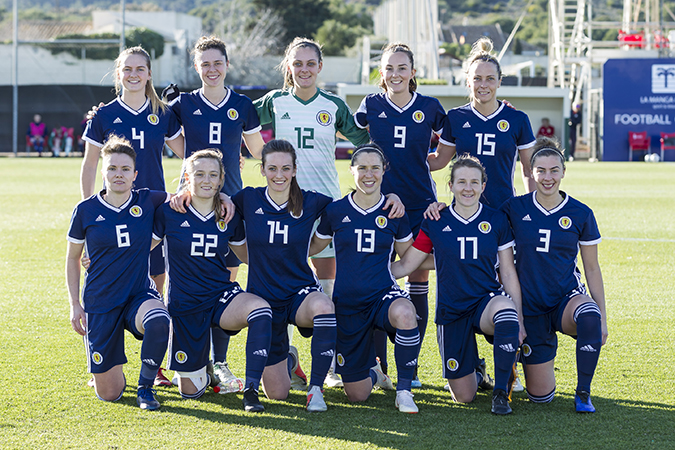
Frankie Brown with her Scotland team-mates
Under Dr Campbell from the University of Bath, Frankie worked in a team on a project funded by us investigating the effects of exercise on the health of patients with chronic lymphocytic leukaemia, a form of blood cancer that affects around 4,000 new people every year in the UK.
The team evaluated the safety and feasibility of a progressive exercise programme for these patients – many who were over 60. Essentially, they tested a “recipe for how to run a big study” more effectively, and even adapted it to continue successfully during the COVID pandemic.
She was inspired by her own background as a professional footballer, as well as her personal experience with cancer:
 “When I was finishing up my PhD, my mum died of breast cancer. That was a real trigger moment for me to look more into oncology. I just couldn’t get my head around it – she had been so healthy. I would wonder, what’s going on here?
“I already knew a lot about health and monitoring my body for football. I started playing football very young, playing with my little brother, and I haven’t stopped since. I was in the Scotland under 17s, then the under 19s, and got into the full squad when I was 21 and was there for 10 years.
“Having spent my whole life in a high-performance environment, with everything being tested and monitored, I became more aware of how my body reacts to even very small shifts in circumstances and situations. It wasn’t hard for me to see how those tiny changes that are so important to athletes can be important for everybody.”
This inspired Frankie to become a researcher, where she found herself on the team led by Dr Campbell and funded by us. There were, however, some setbacks along the way – the biggest being the COVID-19 pandemic. Thanks to the flexibility of our funding programme, Frankie says she and the rest of the team were able to pivot from designing the programme to be in-person, to buying the participants exercise bikes and running a group session over Zoom.
“We had to shift the whole design of the exercise sessions to be home-based and World Cancer Research Fund allowed us to deliver exercise bikes to the participants’ homes. Without that, the trial would have fallen apart.“
‘The more muscle mass you have as you get older, the more independent you will be’
The data showed a 2% increase in lean mass in the exercise group compared with a 0.4% decrease in the control group. This is a significant benefit, as Frankie explains: “The data we have now and the study we’ve done shows that any gain a patient can make with their performance can make a huge difference to their own wellbeing.
“An increase in lean mass – in other words, in muscle mass – in these patients is a huge thing, especially in people over 60. The more muscle mass you have as you get older the more independent you will be. One of our participants lived up some stairs, and whenever I think about the study, I think about them and hope that my work has made it easier for them to get the shopping up and down to their home.”
These results have informed the design of a larger study where Frankie and her team will assess the tumour-suppressing effects and mechanisms of exercise in humans.
Frankie is very vocal about the impact of our support on her work: “In my experience, World Cancer Research Fund has been incredibly supportive of me as a young academic. They’ve provided amazing flexibility at a very uncertain time. I wouldn’t have been able to achieve any of this without you.”
What do people who took part in the study say?
I was really unfit when I started the trial and in the battle with the bike I came near to collapse! But the research team were watching and got me sorted me out. So I didn't collapse and in fact went on to add 2kg to my muscle mass.
What do people who took part in the study say?
I’m pleased that I took part in the study as although I already did some exercise it pushed me out of my comfort zone and has left me feeling more positive about the future giving me a way to ‘fight back’.
A new study funded by World Cancer Research Fund has found that activity throughout the day, with peaks in the morning and late afternoon, correlated with an 11% reduced risk of developing colorectal (also known as bowel) cancer, compared with other patterns of exercise studied.
This study used accelerometer data (which measures movement) to analyse daily activity. It used a statistical method that examines all of the data and finds common patterns, and how those patterns might be related to the risk of colorectal cancer.
Researchers from Regensburg University utilised data from the UK Biobank, which had contacted 86,252 randomly selected individuals (56% of them women), asking them to wear accelerometers to track their movement over 1 week and following them for 5 years to monitor the development of colorectal cancer. When studying the data, researchers identified a 2-peak pattern of daily physical activity associated with reduced colorectal cancer risk.
The researchers identified 4 different patterns of physical activity throughout the day:
- Continuous day-long activity
- Activity later in the day
- Early and late-day activity
- Activity in the middle of the day and during the night
The 3rd pattern, where people were active both in the early and late parts of the day, was associated with an 11% lower risk of colorectal cancer, compared with 6% for day-long activity and no change for middle of the day and the night. Data from activity later in the day only was inconclusive. These findings held true even when considering factors such as smoking, shift work and other variables that could affect a person’s cancer risk.
Impact on sedentary lifestyles
In addition, the researchers found that a day-long activity pattern most effectively reduced colorectal cancer risk among individuals who were more sedentary. This may be because the effect of physical activity becomes more obvious when contrasted with a previously more inactive lifestyle, meaning that those who are fit and healthy are already at a reduced level of cancer risk. These findings show how beneficial physical activity can be, especially in those who are more sedentary.
Dr Helen Croker, Assistant Director of Research and Policy at World Cancer Research Fund, said:
“Being physically active is one of our Cancer Prevention Recommendations, and we know that this cuts cancer risk. These intriguing new findings offer potential for developing more specific recommendations, including patterns and timing of physical activity, for reducing cancer risk. This shows the vital importance of World Cancer Research Fund continuing to support research that expands our knowledge to inform cancer prevention going forwards.”
Prof Michael Leitzmann, Chair of the Department of Epidemiology and Preventive Medicine at the University of Regensburg, Germany, who was the lead investigator in the study, said:
“Our study highlights that not only is physical activity important for reducing colorectal cancer risk, but the timing of peak activity throughout the day could play a crucial role. By identifying specific times – early morning and late day – when physical activity is most beneficial, our findings open new avenues for targeted prevention strategies. If confirmed by future research, this could provide a simple yet impactful way for individuals to further reduce their cancer risk through the timing of their exercise.”
Read the paper
Stein, M.J., Baurecht, H., Bohmann, P. et al. Diurnal timing of physical activity and risk of colorectal cancer in the UK Biobank. BMC Med 22, 399 (2024).
About the UK Biobank
The UK Biobank is a large, population-based prospective study, established to allow detailed investigations of the genetic and non-genetic determinants of the diseases of middle and old age. It has 500,000 UK participants between the ages of 40–69.
About the University of Regensburg
The University of Regensburg is a nationally and internationally renowned comprehensive university with an excellent research spectrum, an attractive range of courses and a high sense of social responsibility. The UR stands for diversity, openness to the world and shaping the future. Its research strength is demonstrated by 6 Collaborative Research Centers funded by the German Research Foundation (DFG) and 9 grants from the European Research Council.
In 2017, the Institute for East and Southeast European Studies (IOS), an affiliated institute of the UR, was the first institution in Regensburg to be accepted into the renowned Leibniz Association, followed in 2022 by the Leibniz Institute for Immunotherapy, which emerged from the Regensburg Center for Interventional Immunology. In May 2024, the Regensburg Center for Ultrafast Nanoscopy opened at the university, where the ultra-fast quantum movements of atoms and molecules are researched using innovative, high-resolution slow-motion cameras. In spring 2022, the Science Council recommended funding for the Center for Immunomedicine in Transplantation and Oncology at the UR, a center for basic research in immunomedicine.
More news and blogs about being active
Dress right, rest right
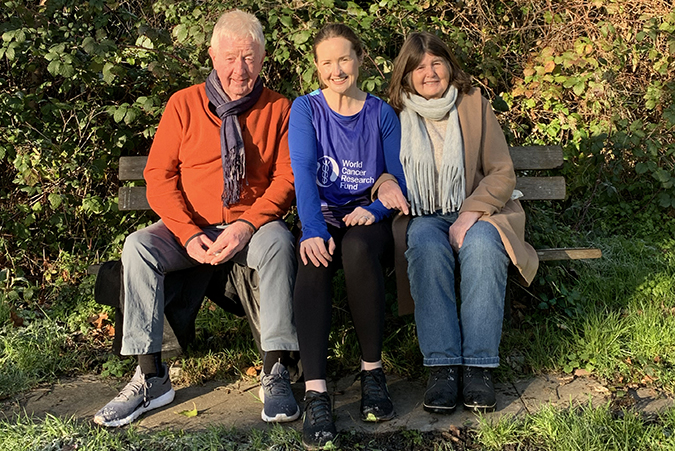
It’s important to remember to dress appropriately for your workout and warm up just before, especially if you’re exercising outside. Shoes with good grip, warm clothes, gloves, a headband or beanie, and a scarf or snood can help you avoid getting too cold, sick or injured. And don’t forget to rest and recover, including stretching after.
Keeping active in winter may have its challenges, but setting SMART goals and creating a routine to build healthy habits can help you achieve your goals. Embrace the chill, stay active and watch it transform your overall well-being during the winter season and beyond!
Are you interested in building healthy habits? Sign up to Activ8, our free 8-week online behaviour change programme that can help you achieve your health goals, including being more active.
More exercise-related news and blogs
Of all the different forms of exercise, mind-body exercises are sometimes overlooked for more strenuous workouts that appear to provide more immediate results, such as weight training (known as resistance exercise) or jogging, cycling or going on the treadmill (known as aerobic exercise).
In fact, researchers last year did an umbrella review (looking at all the studies meeting a certain criteria) of mind-body exercise – looking specifically at how this type of exercise affects the cognitive function of older people – and concluded that: “To promote healthy ageing, mind-body exercise should be used over a prolonged period to complement other types of exercise”. And it has also been studied for potential benefits to recovering stroke patients and cancer survivors.
If you’re aware of the benefits of strengthening and aerobic exercises – but haven’t yet added mind-body routines to your workout – read on to find out more.
From injured to instructor for Syed Ahsan Raza
Syed Ahsan Raza, 60, is one of our supporters. He writes:
The proper name of what is commonly known as “Tai Chi”, is Tai Chi Chuan, which means Supreme Ultimate (Tai Chi) Fist (Chuan). It is a martial art which originated in China.
What’s interesting about it is the way it is practised. To start with, it wouldn’t be a martial art if it couldn’t be practised in a fast manner for self-defence. However, it is the internal aspect of this martial art which has proved to be so beneficial for millions of people worldwide.
As a teenager, I was always interested in martial arts and had taken up Karate. However due to an eye injury my mother put a stop to it – no martial art in the world can stand up to a determined Mother!
Fast forward to 1998 when, as a result of a fall, I managed to injure both my knees. Feeling the frustration of not being able to practise other martial arts, I decided to give Tai Chi a go due to the gentle nature of its training. I almost quit after a couple of years as the pain in my knees became too much.
The turning point came when I joined the instructor course. The intensive training actually helped with the pain in my knees and was an eye-opener to what real Tai Chi training is like. I later found out that this was just a trailer. The real film and the enjoyable part was continuing this training – but now with understanding.
Instructor training lasted a year, and it was hard. For me, the most interesting part was when we had to perform a set of moves, one at a time, and the others had to judge these movements pointing out our faults – like in Strictly Come Dancing. You can imagine the tension in each of us when our turn came! Now this was going against the basic principle of Tai Chi, which is to relax.
The instructor training gave me the ability to take a closer look at how people move and behave in normal life, which is quite interesting. I can now judge my movements in any kind of exercise I undertake. I can now do some things that I couldn’t in my youth.
Benefits of Tai Chi Chuan
Tai Chi has been described as “meditation in motion” and, when practised properly and with intent, has been found to have many health benefits:
- Improves agility, balance and coordination, which can help improve balance and reduce the risk of falls.
- Improves your range of motion.
- Improves upper and lower body strength.
- Reduces stress and has a calming effect.
- Can help improve cardiovascular health by reducing blood pressure and improving cholesterol levels.
- Improves mood and makes you feel relaxed.
Tai Chi is a low-impact exercise and can be easily adapted for anyone, from healthy people to those living in wheelchairs or recovering from surgery. It is a great way to stay active, can be practised at any age and can improve your quality of life.
Useful links
> The Health Benefits of Tai Chi (blog by Harvard Health Publishing)
> The surprising health benefits of Tai Chi (Just One Thing podcast with Michael Mosley on BBC Radio 4)
Paul’s passion for yoga
Paul Sweeney is our IT officer at World Cancer Research Fund. He writes:
My love for yoga started when I joined the classes World Cancer Research Fund offered. Unfortunately, as I started just a couple of months before the pandemic, those came to an abrupt end. Determined to continue, I did the only sensible thing a prospective yogi with an internet connection could do: I looked at YouTube. As with many on this journey I found Adriene (Yoga with Adriene) and was charmed by her chatty manner and lovely dog Benji. She has routines for everyone and everything.
As lockdown and working from home continued, so did my daily yoga practice. I did lots of Adriene’s routines, including her 30 days of yoga series, and then “cheated” on her by looking at other instructors including Kassandra and Sarah Beth. Thanks to yoga I am now much more flexible and feel generally healthier for it. Anything that gets the body moving is a bonus and I find it helpful to have someone telling me when and how to breathe properly.
Thankfully, World Cancer Research Fund’s weekly yoga classes are back up and running with Gemma (Gem & I Yoga) and I always look forward to them. Yoga has now firmly become part of my daily routine and I try to do at least 10–20 minutes a day by following along with my favourite YouTube yoga instructors (links below).
If you are thinking of trying yoga – go for it. There are so many options, from in-person to online classes, you can really find what works for you. I’d just say that if you are starting out, or are nervous or unsure of the poses, then an in-person or Zoom class (like Gemma’s) could be a good idea before continuing online.
Yoga is something I intend to continue with and I will, one day, do the Crow Pose!
I like the following instructors and go back to their channels time and time again:
- Yoga with Adriene (the original and biggest yogi in the world)
- Yoga with Kassandra (friendly and a little bit more spiritual, but not in an annoying way)
- Sarah Beth Yoga (no nonsense and gives lots of modifications)
Diana discovers the key to Qigong
 World Cancer Research Fund’s Head of Communications, Diana Mackie, writes:
During the long days of lockdown, I started practising Qigong, which is about coordinating the body, breath and mind through different body postures. It brought me some peace of mind and a little extra headspace during that time.
Using the Yoqi channel on YouTube, the instructor, Marissa, brings the concept to life by explaining the origin of the various movements – many of which are related to the flow of “chi” around the body. While this was a new concept to me, I enjoyed the dance-based element of emulating a fountain with your movements, or a shaking tree, and did feel both more relaxed and invigorated afterwards. I was surprised at how hard I was working my muscles, despite the gentle rhythm of the movements, and carried a sense of “Zen” and wellbeing into the rest of my day.
Now that lockdown is well and truly over, I prefer classes at my local gym. That said, if I couldn’t get to the gym for any reason, I’d definitely revisit these online sessions and would recommend Qigong to anyone who wants a low-impact holistic exercise routine.
Penny takes it slow with Pilates
Penny Woods is World Cancer Research Fund’s Digital Content Manager. She writes:
All the mind-body exercises reviewed so far have their origins in ancient Indian (yoga) and Chinese (Tai Chi and Qigong) spirituality and philosophy. Pilates is much newer (it dates from the 19th century) and originated in Germany, where the young, sickly Joseph Pilates researched a wide range of exercise and strengthening routines from east and west, in an attempt to make himself strong. It was called Controlology – only from the 1970s in the UK did this mind-body exercise become known by the founder’s name.
So what is it? Pilates – used by dancers and athletes around the world – focuses on lengthening and strengthening your muscles through slow movements and holding positions for a short period of time. It’s low impact, and gentle on joints and on people recovering from injury or illness. It emphasises balance, control and relaxation.
So much relaxation, in fact, that I found it hard to stay awake. Admittedly I was trying out Pilates via a DVD (yes, an actual DVD): Darcey Bussell’s Pilates for Life. Scenes of Bussell moving gently on sunlit sands, with the soft sound of the waves rolling in the background, probably didn’t do much to stimulate me but overall, it was all a little slow. I still felt good after a 45-minute session and the main pros were:
- Stretching muscles I didn’t know I had.
- Feeling in control and pain-free.
- All the exercises were child-friendly (see picture above!) and easy to understand.
- A focus on posture and the core – especially for someone who spends a lot of time hunched over a desk.
But I missed the burn and sweat that comes from a jog. And even though jogging isn’t a mind-body exercise, there’s lots of evidence that any level of activity can be good for our mental health. It’s a question of finding something that suits your body and your schedules.
Activ8
If you’ve been inspired to try Tai Chi, yoga, Qigong or Pilates, let us know. And if you’d like support to kickstart your healthy living, sign up for Activ8, our free, 8-week programme towards better health.
Latest news and blogs
Latest news and blogs
Latest news and blogs
Breast cancer is now the most common cancer in the world. We asked our researcher to explain how physical activity plays a key role in reducing breast cancer risk.
Evidence suggests that inactivity and sitting down too much increase a woman’s risk of breast cancer, and that exercise after a breast cancer diagnosis lowers a woman’s risk of dying from cancer. How close are we to knowing how strong these links are?
Brigid Lynch: I think we are now at a point where we can say that physical inactivity causes breast cancer. The evidence is consistent and robust, and we can triangulate evidence from:
- observational studies
- Mendelian randomisation [a research method that uses genetic variants associated with risk factors of interest to examine causal effects]
- systematic reviews [a structured analysis of all the literature on a particular topic]
The evidence isn’t as clear for sedentary behaviour, as there are far fewer studies on this topic.
There is also less robust evidence for exercise after a breast cancer diagnosis. The research on this topic comes from observational studies, which are subject to considerable selection bias [arising from errors in choosing the individuals or groups to take part in a study], measurement error, and reverse causation [attributing a cause from a consequence]. So we need additional, carefully-designed studies on these latter two topics.
> More on physical activity and breast cancer survivors
What’s going on in a woman’s body when she does or doesn’t exercise? It may seem strange that exercise, which we assume is to do with muscle/bone/respiratory/cardiological health, can have such an impact on a small group of cells in a woman’s breast.
BL: We recently concluded a study funded by Wereld Kanker Onderzoek Fonds [the Dutch part of the World Cancer Research Fund International network]. In this project we systematically reviewed and meta-analysed the mechanistic [biological] evidence linking physical inactivity to breast cancer risk, focusing on 3 potential biological pathways:
- sex steroid hormones
- insulin/insulin-like growth factor (IGF) signalling [IGF is a protein that can promote cell division and inhibit cell death, which can lead to tumour development]
- inflammation
We found clear evidence that sex steroid hormones increase the risk of breast cancer, and that physical activity reduces the circulating levels of sex steroid hormones.
Although physical activity had an effect on insulin/IGF signalling and inflammation, there was minimal evidence that these pathways played a role in breast cancer risk. We weren’t able to rule out insulin/IGF signalling and inflammation as being important because there were not many high-quality, low risk of bias studies on these topics.
In summary, there is a clear biological pathway from physical activity to reduced breast cancer risk via sex hormones, particularly oestrogens and androgens. And as physical activity is important for so much more than cancer prevention, it’s critical to build this into your everyday routine!
When we talk about physical activity, are we talking about running and going to the gym? Or is it simply sitting down less?
BL: The studies that have focused on physical activity are nearly all talking about moderate to vigorous intensity activity, so this means activities that raise your heart rate and make it harder to talk while exercising. Moderate physical activity could be a brisk walk or a bike ride to the shops; vigorous physical activity uses higher levels of energy and includes running, fast swimming and aerobics.
We know that many girls exercise less in their teenage years. In light of your research on the connections between breast cancer and activity, how concerning is this?
BL: We know that people who maintain their exercise levels through childhood and adolescence into adulthood are more likely to remain active. It’s concerning that so many girls reduce their physical activity during teenage years, but there are many good programmes that are aimed to help reverse this trend.
After speaking to Prof Lynch, we asked Dr Ioana Vlad from World Cancer Research Fund International’s Policy and Public Affairs team to share examples of countries encouraging women and girls to exercise more.
- Every Body Active is a lottery-funded programme in Northern Ireland that aims to increase participation in sport among traditionally underrepresented groups, including women and girls aged 14–25.
- Universo Mujer II is a project in Spain that aims to promote and increase female participation in all areas of sport.
- Tuttingoal is a scheme by the Italian Football Federation, in collaboration with the Ministry of Education, University and Research, to encourage participation in football by school-age children, with children setting themselves up as sports clubs and building teams of 5 boys and 5 girls.
- Terre de Jeux 2024 aims put more sport in the daily life of inhabitants in France and its oversea territories.
These examples are from our MOVING database of global policies designed to promote physical activity.
More on breast cancer

Get our policy enewsletter
Our monthly digest of the most important developments in international policy relating to cancer and nutrition and physical activity
Get our policy enewsletter
Our monthly digest of the most important developments in international policy relating to cancer and nutrition and physical activity