
Pulses and cancer
Find out about the link between pulses (like beans, chickpeas and lentils) and cancer.

On this page
What are pulses?
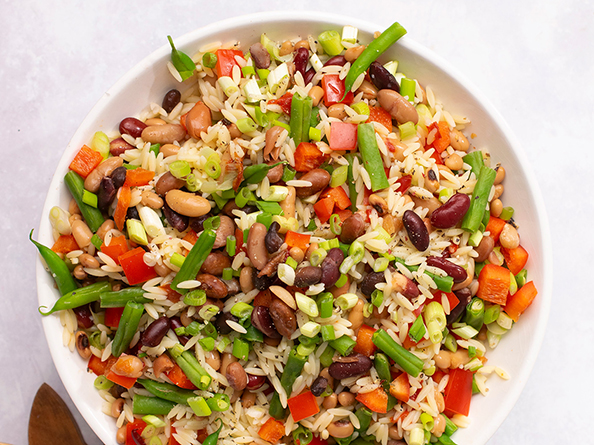
Pulses are dried seeds from legume plants. Examples include beans (such as kidney beans, black beans and soya beans), chickpeas and lentils.
They are an affordable way to add protein and fibre to your meals. Pulses also provide important nutrients like iron, potassium and folate, and are low in saturated fat.
They count towards your 5 A DAY, but only one portion (80g) counts each day.
What is the link between pulses and cancer?
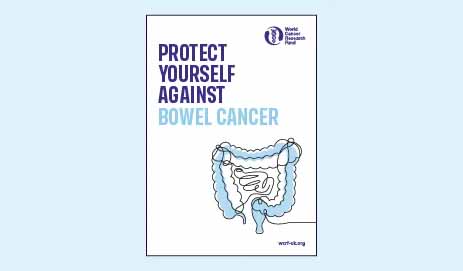
Pulses are a good source of fibre, and strong evidence from World Cancer Research Fund shows that eating plenty of fibre can lower the risk of bowel cancer. It can also help protect against weight gain, overweight and obesity, which are linked to at least 13 types of cancer.
Because of this, we recommend that you make pulses, fruit, vegetables and wholegrains (such as brown rice) a main part of your daily diet.
Free resources for you
What’s the science behind pulses and cancer?
Pulses contain fibre, vitamins, minerals and natural plant chemicals. Together, these can help lower the risk of some cancers.
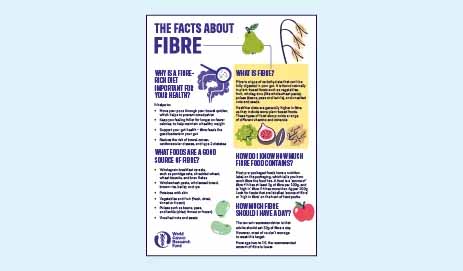
Fibre plays an important role. Because pulses are a good source of fibre, they can help protect your health and reduce cancer risk.
In the UK, adults are recommended to eat 30g of fibre each day.
Tips to eat more pulses
Keep tinned pulses (in water) in your cupboard to make quick, budget friendly meals. Here are some simple ways to use them:
- Replace half the meat in meals like chilli, curry or bolognese with lentils or beans.
- Add a tin or handful of chickpeas, beans or lentils to soups, sauces or salads you already make.
- Use beans or lentils on wholemeal toast or baked potatoes for a quick, filling meal.
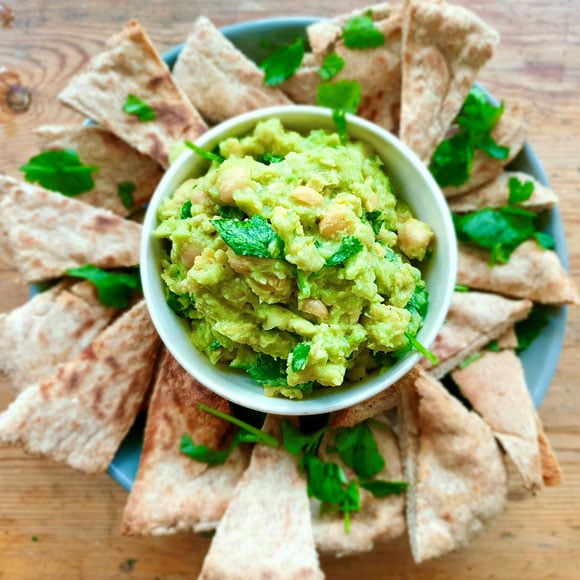
- Plan one simple pulse-based meal each week, such as a lentil curry, bean chilli or a homemade dip.
Living with cancer
After a cancer diagnosis, try follow our Cancer Prevention Recommendations if you can.
Pulses can provide important nutrients. However, speak to your cancer care team before making any changes to your diet.
This helps make sure you still get enough energy, protein, vitamins and minerals to support your recovery.
What is the link between soy and breast cancer?
Soya beans and foods like tofu contain phyto-oestrogens. These are plant compounds that have a similar structure to the hormone oestrogen, but they act differently in the body.
Some people worry that soya may increase cancer risk. However, research shows that soya does not increase the risk of cancer.
In fact, there is some evidence that eating soya foods may lower the risk of breast cancer coming back and reduce the risk of death from any cause after a breast cancer diagnosis.
You do not need to avoid soya foods, even if you are living with cancer. Soya can be part of a healthy, balanced diet. It contributes to your 5 A DAY and is a good source of plant protein.
Browse our recipes
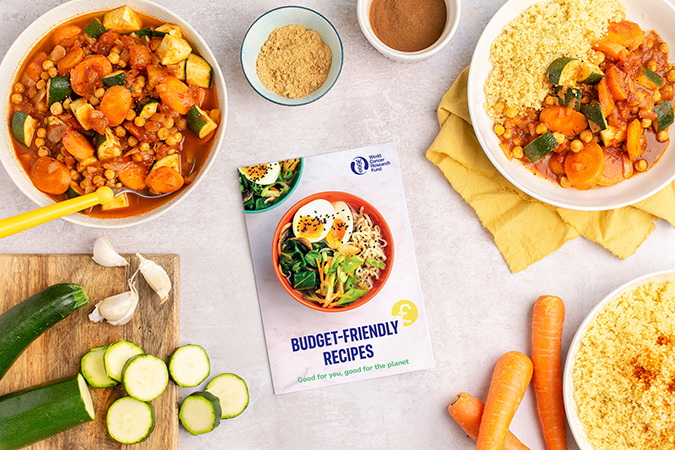
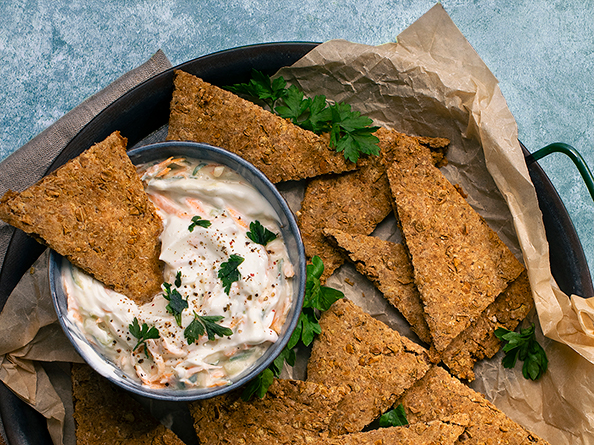
Our recipes have lots of beans and pulses that help you reach your 5 A DAY and get plenty of fibre in your diet.
Page last reviewed: June 2026
Next review date: June 2029
-
References
- World Cancer Research Fund/ American Institute for Cancer Research. Wholegrains, vegetables and fruit and the risk of cancer [Internet]. 2018. Available from: https://www.wcrf.org/research-policy/library/wholegrains-vegetables-and-fruit/
- World Cancer Research Fund/ American Institute for Cancer Research. Energy balance and body fatness [Internet]. 2018. Available from: https://www.wcrf.org/research-policy/library/energy-balance-and-body-fatness/
More information

Preventing cancer. Saving lives
While society continues to search for a cure, our prevention and survival work helps people to live longer, healthier lives – free from the devastating effects of cancer.