
Browse all our research grants
How exercise affects cancer survivors with chemotherapy-induced peripheral neuropathy
This research will help us understand the impacts of chemotherapy side-effects on long-term quality of life
How high-intensity exercise and fibre affect immunotherapy outcomes for patients with melanoma
This trial will explore the effects of a high-fibre diet and high-intensity exercise on the gut microbiome, immune function and immunotherapy outcomes in melanoma patients
ERADICATE exercise trial to improve tumour perfusion alongside radiotherapy for prostate cancer patients
The ERADICATE exercise trial aims to increase the flow of oxygen to the prostate tumour alongside radiotherapy.
Browse all our research grants
Does bariatric surgery increase the risk of colorectal cancer?
Bowel cancer risk is increased in individuals with a hospital episode coded as obesity, research shows
Metabolomic profiling and colorectal cancer risk
This study, funded by WCRF International, provides new insights into metabolic pathways that may play a role in colon cancer development
The impact of obesity and insulin on cancer risk
Our research will assess the role of obesity and insulin across multiple cancers using Mendelian randomisation
More lung cancer research
Which fatty acids help people respond better to immunotherapy for lung cancer?
We expect mono- and poly-unsaturated fatty acids to help patients respond to immunotherapy. We also want to identify diets, with the right kinds of fats, that make this treatment most effective
Adherence to Mediterranean diet and risk of esophageal, gastric, pancreas, lung and breast cancer
Piet van den Brandt’s research concluded that eating a Mediterranean diet may reduce the risk of lung, postmenopausal breast, oesophagus (squamous cell carcinoma in men), and stomach cancers
Comprehensive assessment, validation and causal identification of dietary exposures and cancer risk
Konstantinos Tsilidis’s research uses nutrient-wide association studies to look at lung, breast, colorectal and prostate cancers
Browse more research grants
Adherence to Mediterranean diet and risk of esophageal, gastric, pancreas, lung and breast cancer
Piet van den Brandt’s research concluded that eating a Mediterranean diet may reduce the risk of lung, postmenopausal breast, oesophagus (squamous cell carcinoma in men), and stomach cancers
Adherence to the WCRF/AICR Cancer Prevention Recommendations and Cancer Risk in the EPIC
This research investigated whether following our Recommendations was related to risk of cancers and death
Colorectal cancer survivors and following WCRF/AICR Recommendations
Is adherence to World Cancer Research Fund/AICR’s Recommendations associated with a better quality of life in survivors of colorectal cancer?
Advanced Glycation End Products: are exposures associated with colorectal cancer risk and survival?
Mazda Jenab is researching high fat/protein or animal-source foods, and how they impact colorectal cancer
Are metabolites associated with obesity causing colorectal cancer?
This research looks at whether the impact of obesity on colorectal cancer is mediated through changes to the circulating metabolome
Vitamin D and prostate cancer
Richard Martin and his team observed an association between vitamin D and more aggressive cancers
Latest research-related news and blogs

Are colon cancer subtypes linked to a greater risk of recurrence – and could diet be relevant?
A particular colon cancer subtype, imCMS4, was linked to the highest risk of recurrence, and a more ‘pro-inflammatory’ diet was associated with greater recurrence risk in this same subgroup.
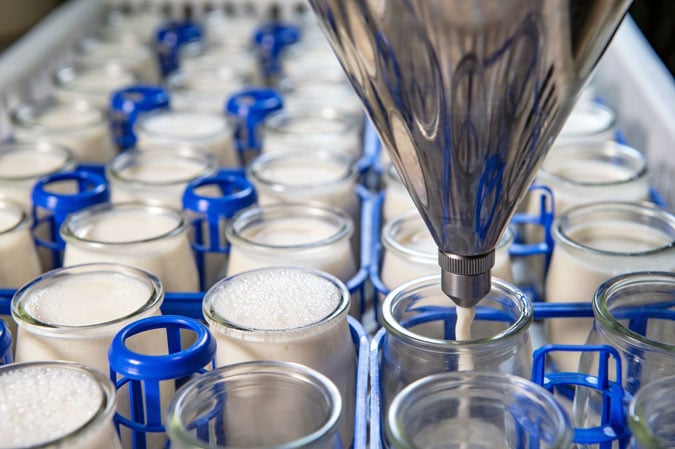
Could dairy processing help explain inconsistent findings on dairy consumption and breast cancer risk?
A new review suggests the way dairy foods are processed may alter their chemistry in ways that could help explain the inconsistent findings on dairy intake and breast cancer risk.

Closing the gaps in cancer prevention
Schools, surgery and self-testing – three new studies explore how to deliver it where it’s needed most.