Do different ingredients or cooking methods generate DNA building blocks that promote bowel cancer?
Different ingredients, and cooking and preservation methods, may generate DNA building blocks called non-canonical nucleotides, which could enter cells and cause mutations
Non-metastatic colorectal cancer: the role of liver fat, treatment tolerance & prognosis
The aim of this project is to unravel the role of liver fat in relation to acute and long-term clinical outcomes in individuals with large bowel cancer
Breast cancer: effect of yoga on endocrine-related musculoskeletal symptoms
The aim of this study is to assess the effect of yoga in women with a breast cancer diagnosis who suffer from joint pain and stiffness caused by hormone therapy.
Using AI chatbots to support families of children with cancer
This INSPIRE project developed an artificial intelligence chatbot called DAPHNE, to address social needs in real-time for families of children with cancer.
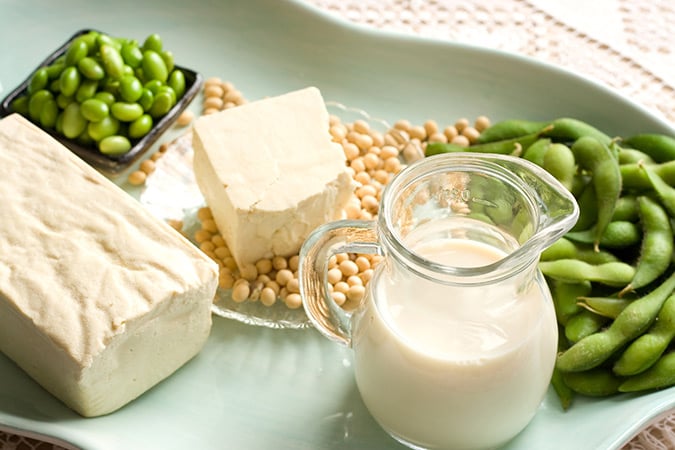
High soy intake in early-life linked to lower breast density
New findings suggest that soy consumption during childhood and adolescence is associated with lower breast density in adulthood, a predictor of lower breast cancer risk.
Are colon cancer subtypes linked to a greater risk of recurrence – and could diet be relevant?
A particular colon cancer subtype, imCMS4, was linked to the highest risk of recurrence, and a more ‘pro-inflammatory’ diet was associated with greater recurrence risk in this same subgroup.
High soy intake in early-life linked to lower breast density
New findings suggest that soy consumption during childhood and adolescence is associated with lower breast density in adulthood, a predictor of lower breast cancer risk.
Are colon cancer subtypes linked to a greater risk of recurrence – and could diet be relevant?
A particular colon cancer subtype, imCMS4, was linked to the highest risk of recurrence, and a more ‘pro-inflammatory’ diet was associated with greater recurrence risk in this same subgroup.
High soy intake in early-life linked to lower breast density
New findings suggest that soy consumption during childhood and adolescence is associated with lower breast density in adulthood, a predictor of lower breast cancer risk.
Are colon cancer subtypes linked to a greater risk of recurrence – and could diet be relevant?
A particular colon cancer subtype, imCMS4, was linked to the highest risk of recurrence, and a more ‘pro-inflammatory’ diet was associated with greater recurrence risk in this same subgroup.