
Browse all our research grants
Can diet reduce the side-effects of radiotherapy?
Investigating the effect of pelvic radiotherapy on the intestinal microbiome and metabolome to improve the detection and management of gastrointestinal (GI) toxicity
How much do preventable risk factors increase the burden of cancer?
We’re funding a new research project into the population-level relevance of preventable risk factors on the global burden of cancer
Advanced Glycation End Products: are exposures associated with colorectal cancer risk and survival?
Mazda Jenab is researching high fat/protein or animal-source foods, and how they impact colorectal cancer
More research into colorectal cancer
Do different ingredients or cooking methods generate DNA building blocks that promote bowel cancer?
Different ingredients, and cooking and preservation methods, may generate DNA building blocks called non-canonical nucleotides, which could enter cells and cause mutations
Effect of folic acid and vitamin B12 supplementation on DNA methylation
This study shows that supplementation with folic acid & vitamin B12 does not result in pronounced effects on DNA methylation
Do environmental pollutants contribute to colorectal cancer?
We hypothesise that exposure to microplastics/nanoplastics and PM2.5 contributes to the onset or speed of colorectal cancer progression, through inflammation and affecting how the immune system works
More colorectal cancer research
The Butyrate paradox, MicroRNAs and colorectal cancer
A study of microRNAs in dietary reduction of cancer risk in Familial Adenomatous Polyposis patients, funded by WCRF International
Vegetables, processed meat, or water: does it matter where we get our nitrate and nitrite from?
Nitrate-rich vegetables are beneficial for health, but evidence links nitrate in water and meat to cancer
Body mass index and surviving colorectal and endometrial cancers
The impact of BMI on cancer-related survival in chemotherapy-naive patients with non-metastatic colorectal and endometrial cancer
More colorectal cancer research
Reducing sedentary behaviour after colorectal and renal cancer
The aim of this study is assess whether and how reducing sedentary behaviour is related to adiposity, fatigue and quality of life in people after treatment for colorectal and renal cancer.
Does a poor diet cause health problems for colorectal cancer survivors?
This research aimed to discover if diet affects the health of colorectal cancer survivors, such as depression, fatigue and anxiety
Delivering chemotherapy to people with colon cancer on exercise bikes
Instead of sitting still during treatment, participants will use a stationary bike. Exercise may boost chemotherapy effectiveness by increasing blood flow
Further colorectal cancer research
The role of inflammation in the link between obesity and colorectal cancer
We are funding a new research project into the role of inflammation in the association between obesity and bowel cancer risk.
Investigating colorectal cancer in young adults
We’re funding a new research project into the role of overweight/obesity, diabetes, diet, and physical inactivity in early-onset colorectal cancer
How does coffee influence large bowel cancer survival?
We’re funding a new research project into how regularly drinking coffee may affect survival from large bowel cancer
More colorectal cancer research
Do different ingredients or cooking methods generate DNA building blocks that promote bowel cancer?
Different ingredients, and cooking and preservation methods, may generate DNA building blocks called non-canonical nucleotides, which could enter cells and cause mutations
Can vitamin D reduce fatigue in colorectal cancer patients?
A study to test whether vitamin D supplementation improves fatigue in patients with a colorectal tumor
The Butyrate paradox, MicroRNAs and colorectal cancer
A study of microRNAs in dietary reduction of cancer risk in Familial Adenomatous Polyposis patients, funded by WCRF International
Latest research-related news and blogs
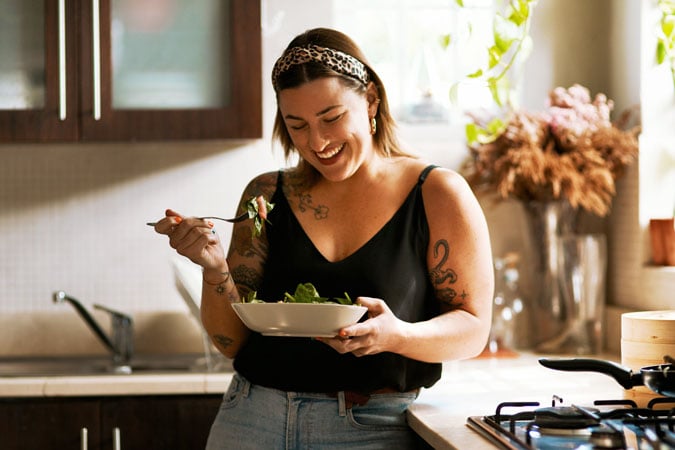
Largest ever study of vegetarian diets and cancer shows lower risk of 5 cancers
A major new study funded by has revealed how vegetarian diets may help reduce the risk of specific cancer types
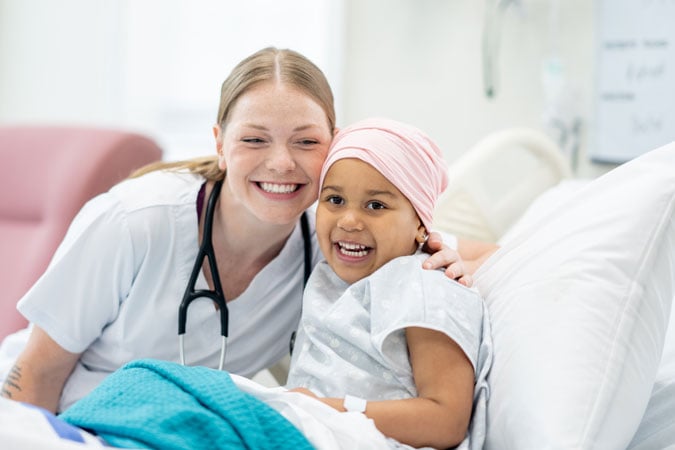
International Childhood Cancer Day 2026
We’re marking International Childhood Cancer Day by highlighting our research programmes across our network of charities that are dedicated to improving outcomes for children and young people

The UK’s junk food ad ban: a cautionary tale of delay and dilution
Senior Policy and Public Affairs Officer, Melissa Dando, sets out why marketing restrictions on junk food are particularly tricky to get over the line despite the benefits to public health and cancer prevention.
More research into cancer survivorship
Does a poor diet cause health problems for colorectal cancer survivors?
This research aimed to discover if diet affects the health of colorectal cancer survivors, such as depression, fatigue and anxiety
Using personalised diet and physical activity intervention to help stomach cancer patients after a gastrectomy in India
The project aims to determine whether using information about body composition can help personalise a diet and physical activity lifestyle intervention (IBC) and is acceptable to stomach cancer survivors who recently completed treatment
Predicting responses to chemotherapy in breast cancer treatment
We’re funding a new research project into identifying chemotherapy pathways altered by nutrients in breast cancer to help develop a tool to select the best treatment for individual patients
Latest news and blogs

Runner to complete World Marathon Majors for cancer prevention research
A runner from New York will take on the TCS London Marathon this April with a goal that extends far beyond the finish line
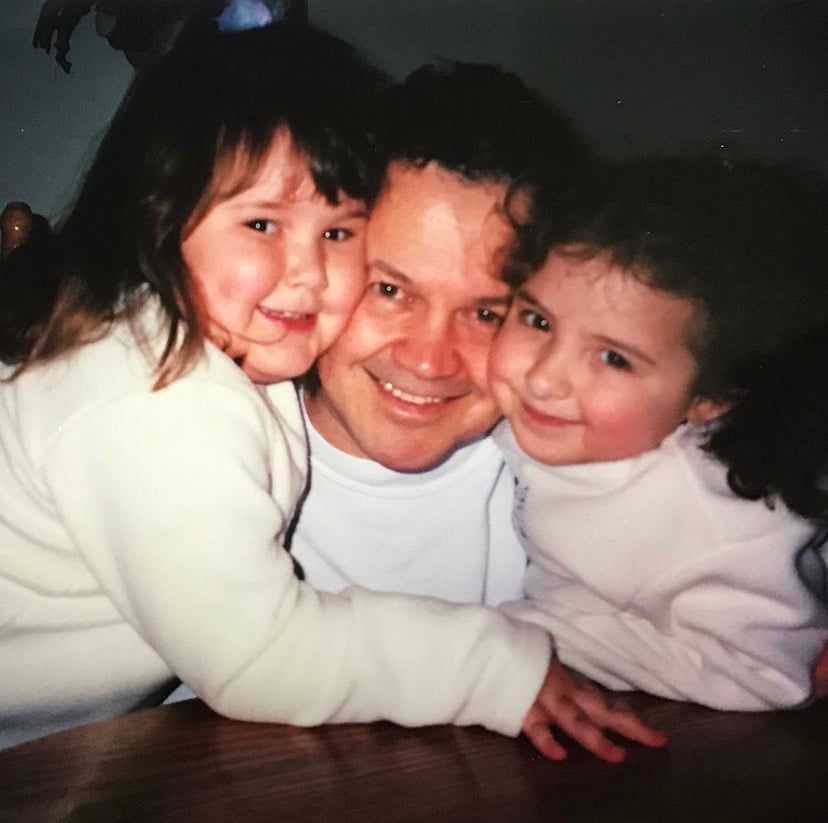
Vet turns grief into action with the London Marathon
A veterinarian from New Jersey will travel across the Atlantic Ocean to fundraise for cancer prevention research in her dad’s memory
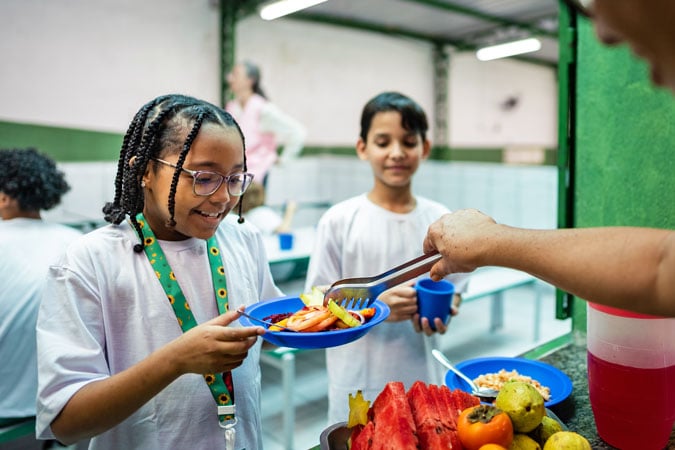
From plate to policy: how can we make schools healthier places to grow up?
Senior Policy Research Manager, Dr Chloe Clifford Astbury, looks at how we can use policy to improve food in and around the places where children spend much of their time.