Research funded by World Cancer Research Fund has shown that people living with cancer who closely follow a sustainable and nutritious diet – the EAT-Lancet reference diet – have a lower risk of dying from cancer and from all causes.
This is the first study to look at the impact of the EAT-Lancet diet on people living with or beyond cancer – as opposed to the general population. Prof Sabine Rohrmann and her team at the University of Zurich, in collaboration with colleagues from another Swiss university, the UK and Austria, used UK Biobank data to see if closely following this diet – with its emphasis on eating a rich variety of plant foods – affected the risk of death for people with a cancer diagnosis at the time they were recruited for the study.
Studying more than 25,000 people with an average age of 60 years at recruitment, the researchers used dietary information collected in the UK Biobank to develop a score that reflected how closely participants followed the EAT-Lancet diet.
More support needed for people facing cancer
Of the 25,348 cancer survivors in the group studied, 4,781 people died during the study follow-up. Prof Rohrmann’s results showed modest links between closely following the diet and a lower risk of dying from cancer, and of dying from all causes. The researchers didn’t observe a link between the diet and dying from heart disease.
Almost 64% of the participants were female, and participants who followed the EAT-Lancet diet more closely were more likely to be female. However, this study confirmed previous evidence showing that people living with and beyond cancer do not tend to follow healthy diets after their diagnosis. This emphasises the need to help people form healthier habits and overcome the barriers to eating well, such as treatment side-effects affecting appetite and taste.
These findings highlight the importance of greater nutrition support and guidance for people facing cancer. Guidelines aimed at the general population are unlikely to consider the needs of people living with and beyond cancer. With a lack of evidence-based recommendations for this population, the gap can sometimes be filled by practices not supported by the science – such as excessive use of dietary supplements.
This evidence showing the benefits of the EAT-Lancet diet follows recent research by our Global Cancer Update Programme, which provided guidance for people with a breast or a bowel cancer diagnosis.
Prof Sabine Rohrmann
We specifically put the focus of our study on cancer survivors because we believe that it is important to encourage them to follow a healthy lifestyle. For this, we need more evidence and so far, research on lifestyle changes in cancer survivors is still scarce.
Dr Julia Panina, Head of Research Funding
This study provides important new evidence that following the EAT-Lancet reference diet may reduce the risk of mortality in people living with and beyond cancer. The focus on the consumption of plant-based foods reflects our Cancer Prevention Recommendations to eat more wholegrains, vegetables, fruit and beans, and to limit red and processed meat. Importantly, these findings also show that diets supporting cancer survivorship can promote more sustainable eating and help protect the environment.
The EAT-Lancet reference diet was created by a team of scientists (The EAT-Lancet Commission on Food, Planet, Health) in 2019. It is a mainly plant-based diet that, according to the Commission, addresses the environmental impact of food production and consumption better than most national dietary guidelines.
> Read the paper: Higher adherence to the EAT-Lancet reference diet is inversely associated with mortality in a UK population of cancer survivors
> On the blog: Plant-based diets: eating for our health and the planet
Latest news and blogs

Related content

A bowel cancer diagnosis during lockdown shocked our supporter Claire Burlison to the core. But following surgery, she’s now living beyond cancer and trying to follow our Recommendations.
A cancer diagnosis can be devastating for anyone. But when you’re young, energetic – and the world is in the grip of a global pandemic – it’s even harder.
“I was diagnosed with bowel cancer in 2020,” says Claire, “which came as a shock as I’m only in my 40s. Before that, I assumed my irritable bowel syndrome was just getting worse. It was only when I got sharp stomach pains and ended up in A&E that I found out I needed surgery.
“I was expecting bad news, but it still knocked me for six when they phoned and told me I had bowel cancer,” she adds.
Although bowel cancer – like most cancers – is more prevalent in older adults, it’s sadly increasingly common in younger people. Researchers are trying to find out why. Fortunately for Claire, doctors found that the cancer hadn’t spread. Now, having been cancer-free for over 2 years, she’s trying to follow our Recommendations in her daily life to reduce the risk of cancer returning.
Conscious eating
Claire limits alcohol and is much more aware of what she eats – checking food labels to see what’s really in the food she’s buying, and dramatically reducing how much red and processed meat she eats, because of the strong links to bowel cancer.
Exercise is also important for people living beyond cancer – with both physical and mental benefits. For Claire, staying active comes naturally as she is the founder of the international dance phenomenon Clubbercise. Blending simple but effective dance, toning and combat moves, Clubbercise is a workout with a difference aimed at all abilities. The atmosphere is more nightclub than gym, as people dance together in a darkened room with low lighting and flashing LED glow sticks.
Know the symptoms of bowel cancer
Claire says she’s “proud to still be here supporting Bowel Cancer Awareness Month”, which takes place in April every year.
“Thankfully, my cancer was caught early and I’m fine now but many people aren’t so lucky. I’ve lost friends to this terrible disease and I’m keen to raise awareness to help others. If you notice any changes to your bowel habits that last more than a couple of weeks please see your doctor straight away – it could save your life!”
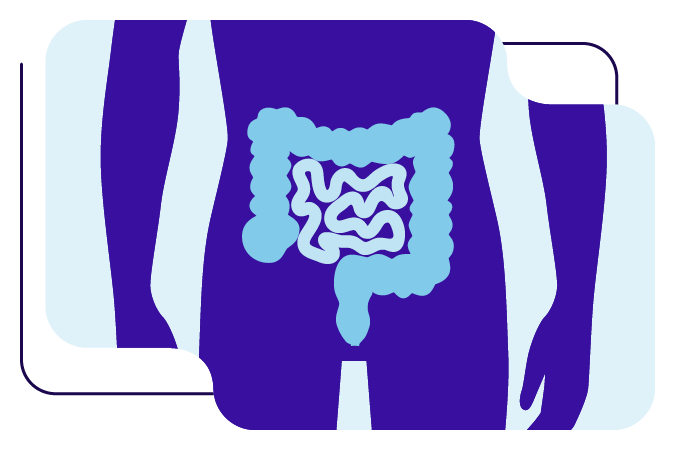
Get the lowdown on bowel cancer
What does our research say about how you can prevent the disease?