
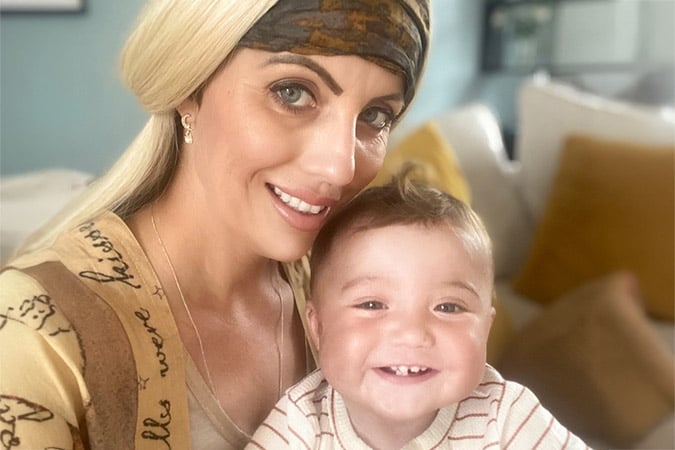
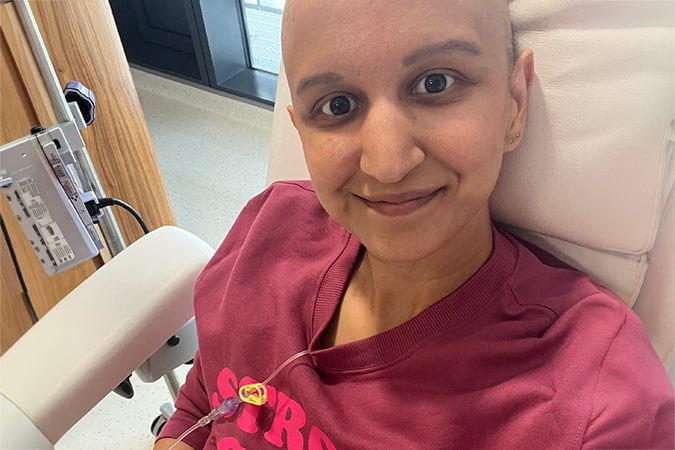
During one of the most special times in her life, paramedic Sarah Husband was diagnosed with HER2-positive breast cancer in October 2024.
Two years on, she shares her story as part of World Cancer Research Fund’s 112 Skips a Day in October challenge, which is fundraising for new treatments and improved advice and support for breast cancer patients.
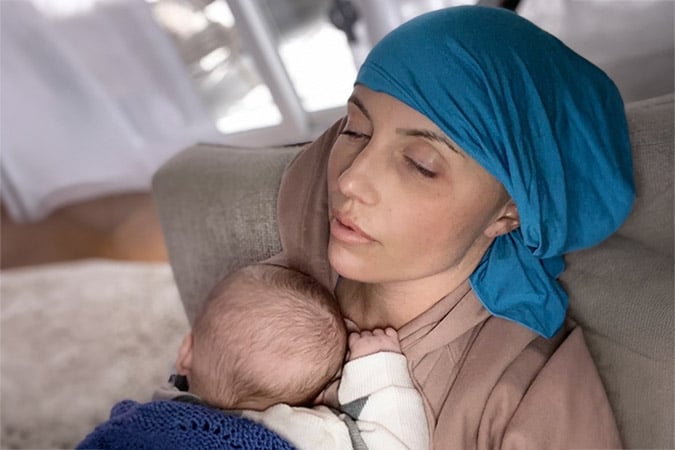
Throughout her pregnancy, Sarah experienced breathlessness, chest discomfort and extreme fatigue alongside intermittent burning pain over a lump in her right breast – which she discovered at around six months pregnant.
Initially believing that her symptoms were pregnancy-related breast changes or a blocked milk duct, Sarah followed the advice she was given and tried warm compresses, but the lump did not go away.
Sarah explained:
“As time passed, I developed a sinking feeling that it may be something more serious, which prompted me to seek further investigation.”
After a biopsy in her third trimester, Sarah received her breast cancer diagnosis just one week after the birth of her son, Ted.
“I should have been soaking up those precious newborn moments, but the joy of becoming a mum again was suddenly overshadowed by fear.”
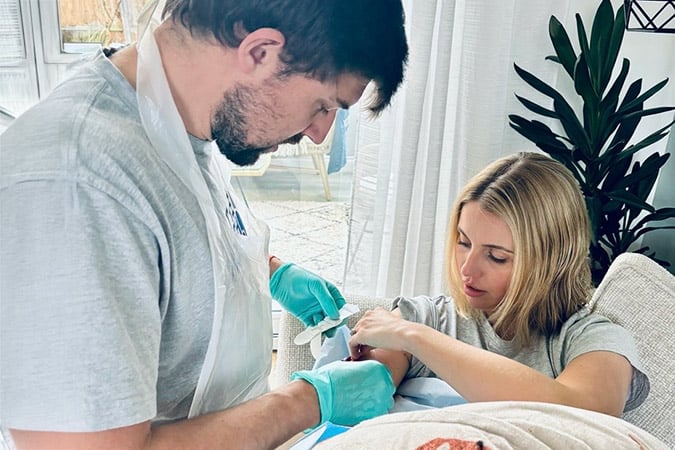
Her treatment began with six rounds of pre-operative chemotherapy, which shrunk the tumour “dramatically” but did not leave Sarah cancer-free.
“There were days I felt exhausted, sick and frightened, but motherhood doesn’t stop because you have cancer. My boys gave me a reason to keep putting one foot in front of the other.”
Further treatment included a skin-sparing mastectomy and lymph node removal, together with a tissue expander to begin the long journey towards breast reconstruction.
“As a paramedic, I was used to caring for others, but overnight I became the patient. My focus shifted from looking after people in their darkest moments to wondering whether I would live long enough to watch my own children grow up.”
Her treatment concluded with 14 rounds of post-operative chemotherapy and five high-dose radiotherapy treatments, followed by a targeted drug to reduce the risk of her cancer returning.
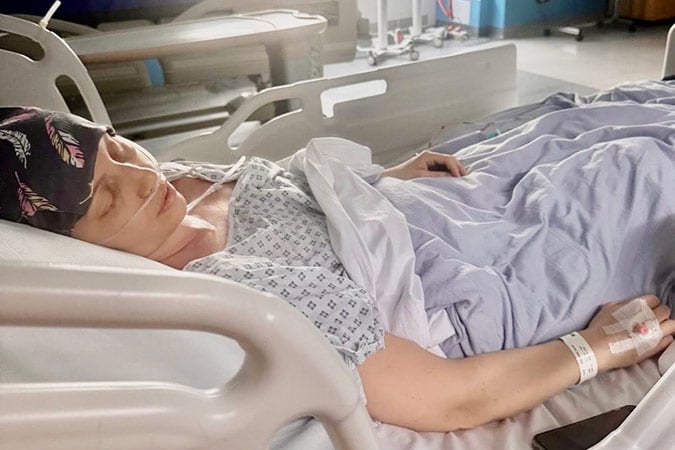
Alongside the side effects of treatment, Sarah describes her inability to breastfeed as one of the “quiet heartbreaks” that stays with her today.
“Like so many mothers, I imagined feeding my baby, comforting him and creating that bond. Instead, cancer took the choice away before I even had the chance. I remember crying for several nights as my milk came in and gradually dried up, knowing I could no longer feed my newborn.”
Today, Sarah’s scans are showing no evidence of disease (NED), which she credits to decades of research and the generosity of people who fundraise for it.
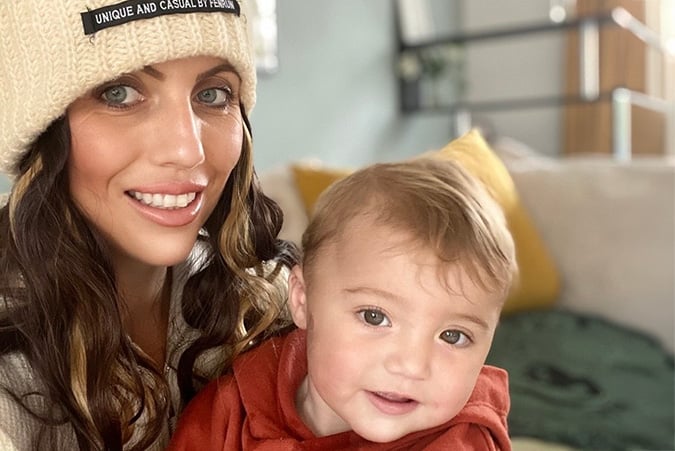
“Cancer research gives me hope. Every breakthrough represents another family who may have more birthdays together, more first days at school and more cuddles.”
Since her diagnosis, Sarah has made mindful changes to her diet, such as eating a wider variety of fruit and vegetables to support her health and help protect against weight gain, overweight and obesity – which are linked to at least 13 types of cancer.
“After experiencing something over which I have such little control, making thoughtful changes helps me feel like I’m doing everything in my power to support my recovery.”
Evidence from World Cancer Research Fund suggests that physical activity can help reduce risk of three common cancers: colon, post-menopausal breast cancer and womb cancer.
By signing up to 112 Skips a Day in October, you can help mothers like Sarah create more memories with their children and take steps to reduce your own cancer risk.
Follow us on social media

It's #NationalFitnessDay 🏃♂️
Did you know that around 40% of cancer cases are preventable?
While not every cancer can be prevented, being physically active is one of the best ways to reduce your risk.
In this clip, our supporter James shares why cancer ...prevention is just as important as finding new ways to treat and cure cancer.
Feeling inspired to get moving? Why not run the Tokyo Marathon with @wcrfuk to help stop cancer before it starts 🗼
Visit the link in our bio to apply today 🔗
#MoveYourBody #HealthyLifestyle #FitnessDay
Today we are proud to launch our latest month-long challenge, 𓀪 112 SKIPS A DAY 𓀪
Over 11,200 people a year die from breast cancer in the UK - that’s 30 people a day. By taking on this challenge, every pound you raise helps fund research into kinder, more personalised and effective... treatments.
Dust off your sports bra and BOUNCE over to our link in bio.
#Exercise #HormonalTherapy #Charity
New shoes. Photos on the doorstep. Another first day back at school 🎒
For many parents, September brings moments they'll treasure. But for a parent who has faced breast cancer, it can be a milestone they once feared they would never see.
Sarah was diagnosed just one week ...after giving birth to her son, Ted. At one point, she wondered whether she would live long enough to see him grow up.
This October, we're asking you to complete 112 Skips a Day for the 11,200 people who die from breast cancer each year in the UK.
Because behind that number are thousands of people – mothers, daughters, sisters, partners and friends – and thousands of moments their families want more of.
Sign up today at the link in bio 🔗
#BreastCancer #Fundraising #Research
Health professionals are in a unique position to support people in making changes that can help reduce their cancer risk. But knowing what to say and how to have those conversations can be challenging.
We have the answer - join our FREE CPD-accredited 90-minute workshop next month!
...
✔️ Explore the evidence behind our cancer prevention recommendations
✔️ Understand the biological mechanisms that influence cancer risk
✔️ Learn practical behaviour change techniques that can help improve health outcomes in your community
CPD-endorsed by the Association for Nutrition and accredited by the Royal Society for Public Health.
#HealthProfessionals #Nutrition #LifestyleMedicine
Our award-winning online classes are hosted by a professional chef and oncology specialist dietitian! 🍏
We’re here to support people affected by cancer, including carers and loved ones.
Which one catches your eye that we’re dishing up next? 👀 Both now live to sign up for... on our website.
#Food #DinnerIdeas #Nutrition
This is your FINAL CALL to join our August challenge! ⭐
Receive a FREE T-shirt and a shiny medal when you reach the target. Click the 'Events' link in our bio.
#Friendship #Exercise #Running
Breast cancer is the most common cancer in women, and the second-most common cancer globally.
Register now for our ‘Jog 50’ miles challenge this month and help fund the science that changes what happens next for thousands of women facing a diagnosis. You’ll be more encouraged to ...complete it with a friend by your side! Walking, jogging, running - it all counts. 😎
Tap the ‘Events’ link in our bio to discover.
#Feminism #CancerJourney #Exercise
This is your FINAL CALL to join our August challenge! ⭐ Receive a FREE T-shirt and a shiny medal when you reach the target. Click the link in our bio. #Friendship #Exercise #Running
August has arrived, and so has our fundraising challenge! ⚠️
Could you go the extra mile for cancer prevention? 🏅
Click the ‘Events’ link in our bio to find out more.
#Exercise #London #BreastCancer
“If I can raise an extra proud to give another person the chance to see their loved one get married, I’ll do it.” - @the_beard_goes_running
Earlier this week, we re-introduced you to James, who’s fundraising in memory of the women in his life all taken by cancer.
Every ...mile, every step and every challenge supporting @wcrfuk helps fund life-changing cancer prevention research 🔬
Hear what keeps James going, then take on a challenge of your own.
Explore our events today at the link in bio 🔗
#Charity #Exercise #Cancer
@Peppa Pig’s Dad ran recently in the @TCS London Marathon for the @National Deaf Children’s Soc - now you can walk, jog or run for us in your own area! Sign up on our website. #Charity #Fundraising #Exercise
When @jamesvincentradford's mum, Julia, was diagnosed with bowel cancer, she was told she had months to live. She died just six days later. Julia is one of three women in James' life that cancer has taken from him. Rather than letting grief define him, James chose to honour their memories... by fundraising for cancer prevention research. 🔬 His story is a powerful reminder that while we can't change the past, we can help create a better future for others. Every challenge taken on in support of World Cancer Research Fund gives people, like James, more time with their loved ones. From the @londonmarathon to @ultrachallenges, we have opportunities that truly make a difference! All on our website. 🪂 #Fundraising #Research #Charity
Read more supporter stories
Cancer is an extremely complex disease, with over 200 different types. Even tumours belonging to the same cancer type can have important biological differences. Tumour heterogeneity refers to the differences observed between tumours of the same type in different patients.
For example, colon cancers are not all biologically the same. They can be grouped into molecular subtypes that may behave differently and respond differently to their surroundings.
Research funded by Wereld Kanker Onderzoek Fonds (WKOF) – the Netherlands-based charity within the World Cancer Research Fund network of charities – explored whether colon cancer recurrence differed between tumour subtypes and whether diet and other lifestyle factors at diagnosis were associated with recurrence.
The new study, published recently in the journal Cancer Epidemiology, suggests that people with a particular tumour subtype – the imCMS4 subtype – had a significantly higher risk of cancer recurrence.
The results also found that, among people with imCMS4 tumours, a more pro-inflammatory diet around the time of diagnosis was associated with a higher rate of recurrence. However, this association was not seen in other subtypes.
Dr Evertine Wesselink, based at the Netherlands Cancer Institute and lead author of the research, said:
“When we talk about lifestyle habits, such as diet, physical activity, and body weight, and cancer, we often look at the big picture. But tumours are incredibly diverse. We wanted to explore whether a person’s diet is associated with their risk of cancer recurrence differently depending on the specific ‘molecular personality’ of their tumour”.
Colorectal cancer subtypes
To capture some of the biological variation seen between colon cancer tumours, researchers classify colorectal tumours (meaning both colon and rectal tumours) according to their molecular, cellular and surrounding tissue characteristics. One widely used framework is the four Consensus Molecular Subtypes, or CMS.
For this research, tumours were grouped into four main subtypes:
- CMS1: These tumours show strong immune-system activity and often contain many immune cells. They commonly have defects in the system that usually repairs DNA which can lead to the accumulation of genetic changes.
- CMS2: This is the most common subtype. These tumours are mainly driven by well-known cancer growth pathways and tend to have less immune activity around them.
- CMS3: These tumours have distinctive changes in how cancer cells process energy and nutrients and have relatively little immune activity.
- CMS4: These tumours have a strong supporting tissue and display inflammation-related and immune-suppressive characteristics. They also tend to have a greater potential to spread and are generally associated with poorer outcomes.
Previous studies have highlighted the value of CMS as a prognostic marker in colorectal cancer, but the association between CMS and cancer recurrence, and whether the inflammatory potential of diet and lifestyle relates to recurrence differently across colon cancer subtypes, is not well understood.
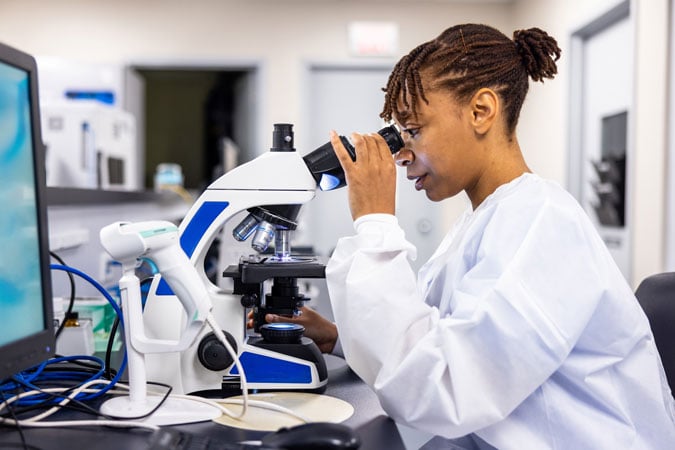
Looking at tumours under the microscope
The researchers studied people with stage I–III colon cancer from two large Dutch patient cohorts. They compared 167 people whose cancer recurred with 668 people whose cancer had not returned by the same point in follow-up.
They used artificial intelligence to analyse routine microscope images of tumour tissue from 532 patients and assign each tumour to an image-based molecular subtype, known as imCMS1, imCMS2, imCMS3 or imCMS4.
Dr Evertine Wesselink said:
“The subtype was identified from standard tumour slides using artificial intelligence. Because these slides are already widely collected in hospitals, this approach could eventually offer a relatively quick and scalable way to classify tumours.”
Participants also completed questionnaires about their diet, physical activity, smoking, alcohol use and body weight in the month preceding their diagnosis. These were used to generate:
- A dietary inflammation score, where a higher score meant a more pro-inflammatory diet.
- A lifestyle inflammation score (which took into account physical activity, smoking status, BMI and alcohol consumption), where a higher score meant a more pro-inflammatory lifestyle.
Next, the research team examined whether tumour subtype, diet and lifestyle were associated with the risk of recurrence.
What did the results show?
Their analysis found that people with an imCMS4 tumour had more than twice the risk of recurrence compared with those with the most common subtype, imCMS2.
Across all patients combined, the inflammatory potential of the diet was not clearly associated with recurrence. However, the picture changed when the researchers looked separately at each tumour subtype. Among people with imCMS4 tumours, each one-unit increase in the dietary inflammation score was associated with a 39% higher risk of recurrence, but no clear association was seen in the other subtypes.
Within the imCMS4 group, higher intakes of tomatoes, apples and berries, fish and nuts were each associated with a lower risk of recurrence. However, the research team stress that these findings were exploratory, based on a relatively small subgroup, and do not prove that these foods themselves prevented recurrence.
A more pro-inflammatory lifestyle showed a possible association with higher recurrence risk overall, but this finding was not statistically clear. The researchers found no clear association between the lifestyle inflammation score and risk of recurrence across different tumour subgroups.
World Cancer Research Fund International Assistant Director of Research and Policy , Dr Helen Croker, said:
“The study suggests that the biological subtype of a colon tumour may help identify people at greater risk of recurrence and that diet may play a role.
“It is wonderful to see early-career researchers produce such interesting results as part of our INSPIRE research challenge. These findings raise the possibility that diet could be especially important for certain patients, particularly those with imCMS4 tumours.”
Dr Evertine Wesselink added:
“As our study was observational, relied on self-reported diet and lifestyle, and included relatively small numbers once patients were divided into subgroups, the results should be repeated in other populations and tested in studies that follow dietary changes after diagnosis.”
Latest news and blogs
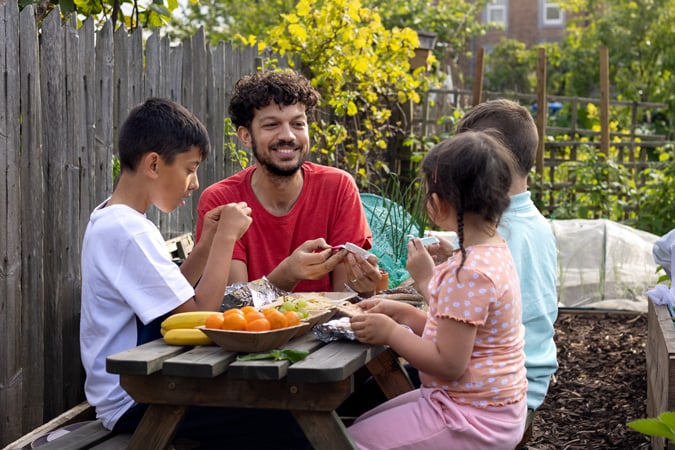




With warmer weather and school holidays here, it’s the perfect time to plan an exciting day out with family or friends. You don’t have to break the bank, though. Why not embrace the joy of a picnic and the freedom to explore nature?
Easy picnic recipes
We’ve got a selection of delicious nibbles and refreshing drinks you can prepare in advance.
For snacks, pack chopped fresh fruit and vegetables such as apples, strawberries, carrots, peppers or cucumbers, instead of crisps. Get creative by whipping up a red lentil or pineapple dip to add a burst of flavour to your fresh nibbles.
For larger bites, try our mouth-watering houmous and beetroot salsa wraps, coronation chicken sandwiches or salmon, bean and pea fishcake bites.
For healthier sweet options, give our banana and peanut butter flapjacks or raspberry choc mini muffins a go. They can be prepared in advance and frozen for your convenience.

Lastly, don’t forget to keep hydrated while enjoying the warm weather. Keep a supply of water with you and avoid sugary drinks. If you’re craving something more exciting, why not jazz up your water by adding a squeeze of lemon, lime or some mint? Or try sugar-free squash for a burst of flavour.
What to take on a picnic
Being outside can mean lots of sun exposure. Take care of yourself when the sun is at its strongest between 11am and 3pm. Find shade during that time and use at least 30 SPF sunscreen. Wear a hat, sunglasses or a long-sleeve shirt or trousers to protect your skin.
Don’t forget to pack a few essentials for your adventure:
- Picnic blanket
- Cool box, bag or basket to keep food and drinks chilled
- Plates, glasses and utensils as needed
- Napkins, wipes or sanitiser to keep things clean
- Bin bag or carrier bag for easy clean-up and to keep the picnic area tidy
Where to go for your picnic
By venturing outside, children get a break from screens and sedentary routines, and spending time outdoors as a family is a great way to get everyone more active. Being physically active as part of everyday life can protect you from cancer, and that’s why it’s one of our Cancer Prevention Recommendations.

- Don’t feel like going far? Set up a cosy picnic spot in your garden if you have one. Decorate with cushions and blankets, and enjoy a picnic at home. Get crafty outdoors by making a spinner and playing the wiggle, hop or creep game.
- Team up with family, friends or a community group and head to your local park with a basket full of picnic food. Everyone can contribute something delicious!
- Find a nature or hiking trail and picnic amid trees and wildlife. Make it even more exciting for children by going on a scavenger hunt, exploring the sights and sounds of the outdoors.
- If you can reach a beach, lake, river or pond, relax by the soothing waters. Enjoy outdoor games with children such as flying a rainbow fish windsock.
- Visit a farm or orchard that allows picnicking and eat surrounded by countryside. Encourage your children to bring their favourite activities along: pack a football, card games to challenge each other, or a colouring book or scrapbook to bring out their artistic side.
With these tips in mind, you can enjoy being in nature, savouring delicious food and drinks, and creating wonderful memories. Happy picnicking!
Latest news and blogs
The relationship between dairy consumption and breast cancer risk has raised questions for scientists for years, with various studies reporting differing results. Recent work has begun to explore whether these inconsistent findings could be explained by the degree of food processing.
Although nutritional composition (such as the amount of calcium, fat, vitamin D or hormones in a product) has traditionally been considered the primary factor for explaining these inconsistent results, emerging laboratory and food chemistry research suggests that processing methods may also influence the biological properties of dairy foods.
A new review paper, published recently in the journal Advances in Nutrition, led by researchers at the University of Toulouse, aims to move the research beyond a nutrient-only explanation for the differences in association and asks whether food-processing chemistry should be built into future study designs.
Dr Silia Ayadi, first author on the paper, has been funded by the Wereld Kanker Onderzoek Fonds, (WKOF) – the Netherlands-based charity within the World Cancer Research Fund network of charities.
Dr Silia Ayadi, Ph.D., said:
“Through this work we have proposed a novel hypothesis linking the processing of dairy products to the formation of molecules that may influence breast cancer-related pathways.
“By combining research from nutritional epidemiology, food chemistry, and molecular mechanisms, this review paper provides a new potential perspective for explaining the differences we see in the existing research that has examined the dairy and breast cancer association.”
What does the evidence say so far?
When exploring how diet and nutrition can impact cancer risk, dairy products have received considerable attention due to their complex composition, which includes macronutrients, hormones, and a wide range of bioactive lipids. Bioactive lipids are compounds that regulate biological processes within the body, such as inflammation or cell growth.
To date, studies examining a possible link between dairy consumption and breast cancer have found inconsistent results, with reports of neutral, inverse, or positive associations depending on the population, tumour type, and type of dairy product consumed.
Milk, fermented products, cheeses, and highly processed dairy foods differ not only in fat content and fermentation status, but also in their exposure to technological processes such as heating, drying, and storage. Recent laboratory research suggests that these processing methods can generate a wide range of bioactive molecules beyond conventional nutrients, some of which may affect biological pathways, even at very low levels.
Proposing a new framework
To dig further into the existing literature, the authors integrated findings from 82 publications covering three areas of research – studies on dairy consumption and breast cancer, research on food chemistry, and lab studies on how these changes might affect cancer-related pathways.
A central hypothesis is that processing dairy products can generate or modify bioactive fat-derived molecules, including oxidised forms of cholesterol. In experimental models, some of these compounds can influence biological pathways relevant to breast cancer, including inflammation and hormone signalling. The review also notes that fermentation may generate metabolites with potentially different, possibly protective, biological effects.
This work proposes an original framework suggesting that dairy processing, not only nutrient composition, may help explain the differing results seen in this area of breast cancer research. The team highlights that the evidence is mainly from laboratory and mechanistic and epidemiological research and is not sufficient to draw conclusions about cause and effect, or steer clinical advice.
Dr Marc Poirot, Ph.D., Research Director at Inserm, said:
“Different dairy products, including milk, cheese, yoghurt, butter, fermented products and ultra-processed dairy foods, undergo different forms of heating, fermentation, storage and industrial processing, which may change their molecular composition.
“By integrating nutritional epidemiology, food chemistry, and molecular biology, this work offers a novel angle to explain the differences in the associations observed across dairy products and cancer outcomes.”
World Cancer Research Fund International Assistant Director of Policy and Research Dr Helen Croker, said:
“The WCRF network’s evidence syntheses have shown suggestive protective effects of dairy foods and high calcium diets, but the findings are not conclusive. The current work outlines the heterogeneity of dairy foods, including the level of processing, and may help to explain previous inconclusive findings.
“The focus on processing is interesting and in line with emerging research on ultra-processed foods. This represents a promising avenue for advancing our understanding of how processing of dairy foods could influence the development of cancer.”
Latest news and blogs
When her sister found a lump in her breast, Meera decided to get one of her own checked, which helped save her life. Now, she urges people to fundraise for research that could save others.
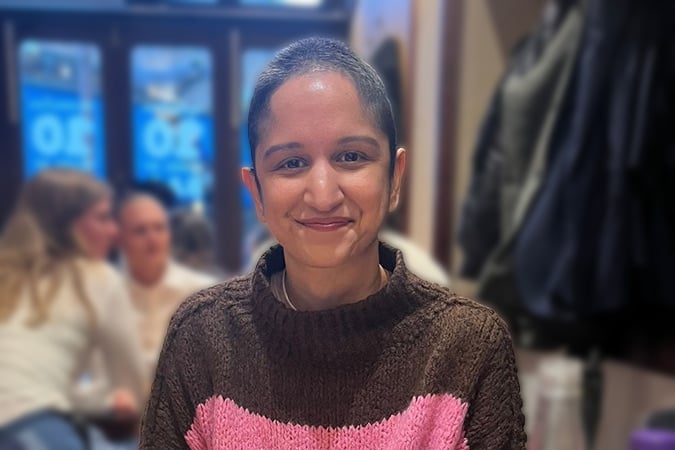
Meera is sharing her story in support of our fundraising for research into targeted treatments and improved advice and support for breast cancer patients.
While juggling life with two small children, Meera discovered a lump in her left breast which she believed was a blocked milk duct.
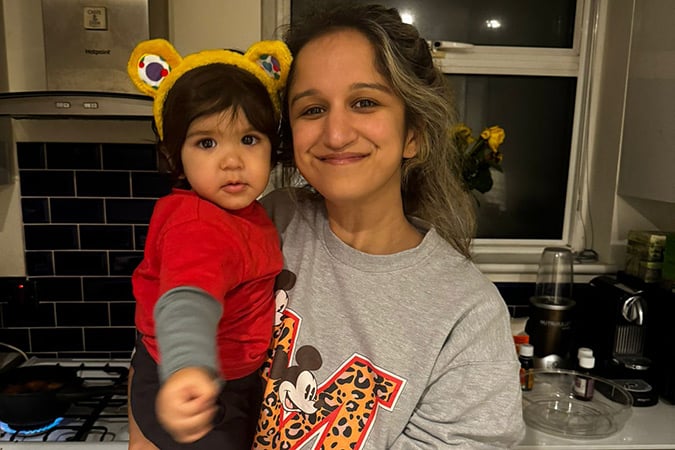
Meera said:
“I breastfed my son from birth. During this time, I noticed many lumps and bumps, so I just ignored it. Like lots of mums with young children, I didn’t think about my own health or prioritise it.”
Months later, Meera’s sister found a lump in her own breast. After being checked and receiving the all-clear, Meera began to think differently about her symptoms.
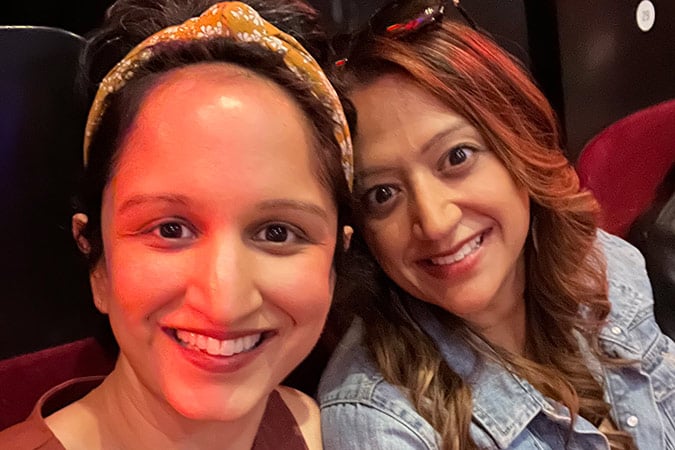
Following a GP visit, Meera was sent for further tests. After scans and a biopsy, she was diagnosed with hormone receptor-positive (HR+) breast cancer in March 2025.
“It’s a reminder of why it’s so important to have these conversations with loved ones. My sister sharing her experience with me effectively saved my life.”
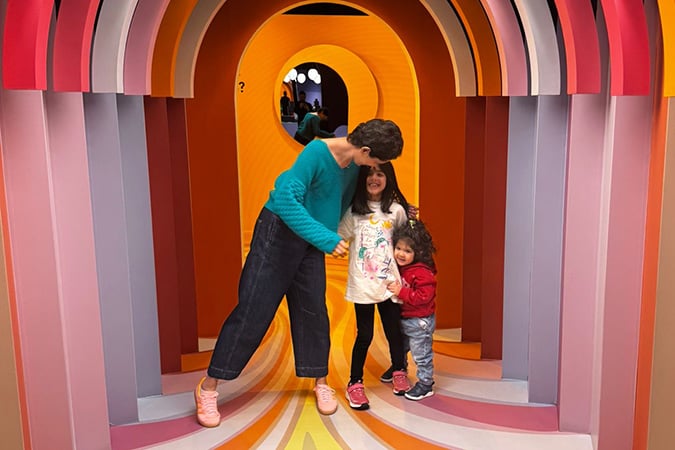
Her treatment involved sixteen rounds of chemotherapy over five months, followed by surgery and twenty rounds of radiotherapy. Reflecting on her diagnosis and treatment, Meera shared:
“It was heartbreaking and a huge shock. My biggest fear was not being around to see my children grow up.”
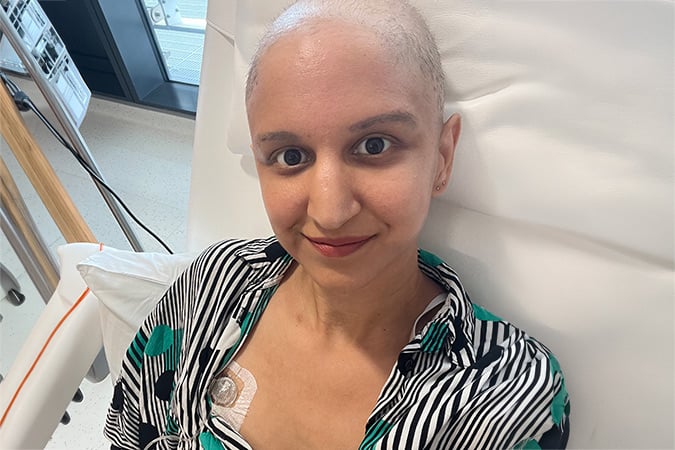
Now in remission, Meera prioritises exercise to support her recovery, visiting the gym at least three times per week to improve her strength and fitness.
“My gym has a machine that calculates your body composition and carries out a strength test to help you lift heavier weights over time.
“When I first took a strength test in January, after nearly a year of cancer treatment, I had the strength of a 73-year-old. My latest test showed that I now have the strength of a 25-year-old! Seeing this transformation has been incredible, as exercise has become a huge part of my life post-treatment.”
Recently, a study we funded showed that following evidence-based lifestyle recommendations can support long-term health after a cancer diagnosis.
Regular physical activity can also help people maintain a healthy weight, and having less excess body fat can reduce risk of several cancers.

Rachael Hutson, World Cancer Research Fund’s CEO, commented:
“We are incredibly grateful to Meera for sharing her experience, which shows how research into breast cancer treatments is changing lives and why it is needed now more than ever. We’re proud to be funding pioneering research at the University of Southampton, which is bringing us one step closer to kinder, more effective treatments for breast cancer patients.”
Supporting breast cancer research is important to Meera after she benefitted from ribociclib, a form of targeted therapy, following its introduction for primary breast cancer patients in February 2021.
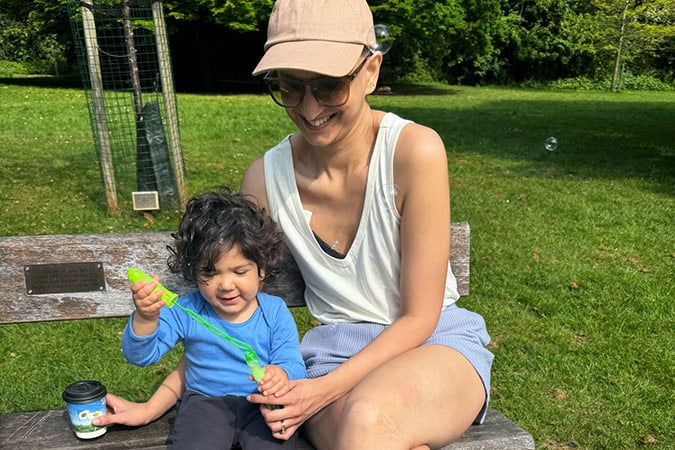
“Research makes change happen. My biggest fear is dying while my children are young, and every breakthrough brings me closer to a future where that fear doesn’t become reality. People who fundraise may never meet the people they’re helping, but they give families like mine something priceless: hope and more time together.”
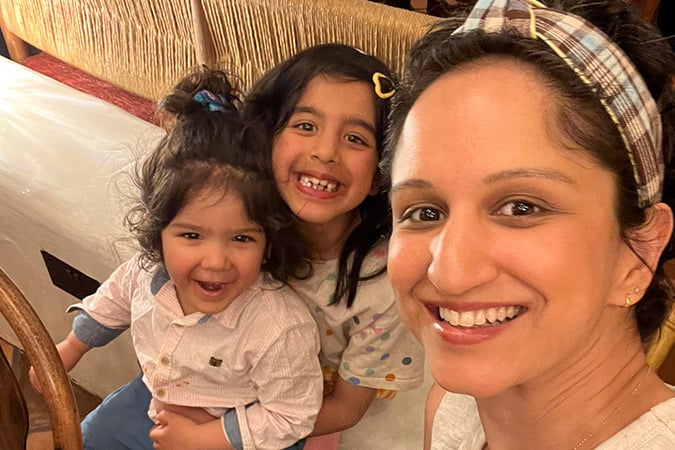
By signing up to one of our challenge events, you can offer the gift of hope to people like Meera.
Follow us on social media
It's #NationalFitnessDay 🏃♂️
Did you know that around 40% of cancer cases are preventable?
While not every cancer can be prevented, being physically active is one of the best ways to reduce your risk.
In this clip, our supporter James shares why cancer ...prevention is just as important as finding new ways to treat and cure cancer.
Feeling inspired to get moving? Why not run the Tokyo Marathon with @wcrfuk to help stop cancer before it starts 🗼
Visit the link in our bio to apply today 🔗
#MoveYourBody #HealthyLifestyle #FitnessDay
Today we are proud to launch our latest month-long challenge, 𓀪 112 SKIPS A DAY 𓀪
Over 11,200 people a year die from breast cancer in the UK - that’s 30 people a day. By taking on this challenge, every pound you raise helps fund research into kinder, more personalised and effective... treatments.
Dust off your sports bra and BOUNCE over to our link in bio.
#Exercise #HormonalTherapy #Charity
New shoes. Photos on the doorstep. Another first day back at school 🎒
For many parents, September brings moments they'll treasure. But for a parent who has faced breast cancer, it can be a milestone they once feared they would never see.
Sarah was diagnosed just one week ...after giving birth to her son, Ted. At one point, she wondered whether she would live long enough to see him grow up.
This October, we're asking you to complete 112 Skips a Day for the 11,200 people who die from breast cancer each year in the UK.
Because behind that number are thousands of people – mothers, daughters, sisters, partners and friends – and thousands of moments their families want more of.
Sign up today at the link in bio 🔗
#BreastCancer #Fundraising #Research
Health professionals are in a unique position to support people in making changes that can help reduce their cancer risk. But knowing what to say and how to have those conversations can be challenging.
We have the answer - join our FREE CPD-accredited 90-minute workshop next month!
...
✔️ Explore the evidence behind our cancer prevention recommendations
✔️ Understand the biological mechanisms that influence cancer risk
✔️ Learn practical behaviour change techniques that can help improve health outcomes in your community
CPD-endorsed by the Association for Nutrition and accredited by the Royal Society for Public Health.
#HealthProfessionals #Nutrition #LifestyleMedicine
Our award-winning online classes are hosted by a professional chef and oncology specialist dietitian! 🍏
We’re here to support people affected by cancer, including carers and loved ones.
Which one catches your eye that we’re dishing up next? 👀 Both now live to sign up for... on our website.
#Food #DinnerIdeas #Nutrition
This is your FINAL CALL to join our August challenge! ⭐
Receive a FREE T-shirt and a shiny medal when you reach the target. Click the 'Events' link in our bio.
#Friendship #Exercise #Running
Breast cancer is the most common cancer in women, and the second-most common cancer globally.
Register now for our ‘Jog 50’ miles challenge this month and help fund the science that changes what happens next for thousands of women facing a diagnosis. You’ll be more encouraged to ...complete it with a friend by your side! Walking, jogging, running - it all counts. 😎
Tap the ‘Events’ link in our bio to discover.
#Feminism #CancerJourney #Exercise
This is your FINAL CALL to join our August challenge! ⭐ Receive a FREE T-shirt and a shiny medal when you reach the target. Click the link in our bio. #Friendship #Exercise #Running
August has arrived, and so has our fundraising challenge! ⚠️
Could you go the extra mile for cancer prevention? 🏅
Click the ‘Events’ link in our bio to find out more.
#Exercise #London #BreastCancer
“If I can raise an extra proud to give another person the chance to see their loved one get married, I’ll do it.” - @the_beard_goes_running
Earlier this week, we re-introduced you to James, who’s fundraising in memory of the women in his life all taken by cancer.
Every ...mile, every step and every challenge supporting @wcrfuk helps fund life-changing cancer prevention research 🔬
Hear what keeps James going, then take on a challenge of your own.
Explore our events today at the link in bio 🔗
#Charity #Exercise #Cancer
@Peppa Pig’s Dad ran recently in the @TCS London Marathon for the @National Deaf Children’s Soc - now you can walk, jog or run for us in your own area! Sign up on our website. #Charity #Fundraising #Exercise
When @jamesvincentradford's mum, Julia, was diagnosed with bowel cancer, she was told she had months to live. She died just six days later. Julia is one of three women in James' life that cancer has taken from him. Rather than letting grief define him, James chose to honour their memories... by fundraising for cancer prevention research. 🔬 His story is a powerful reminder that while we can't change the past, we can help create a better future for others. Every challenge taken on in support of World Cancer Research Fund gives people, like James, more time with their loved ones. From the @londonmarathon to @ultrachallenges, we have opportunities that truly make a difference! All on our website. 🪂 #Fundraising #Research #Charity
Read more supporter stories
Twenty years ago, researchers in Mexico set out to answer a question that could not be answered retrospectively: ‘How do lifestyle, reproductive and environmental factors shape women’s risk of cancer and other chronic diseases over time?’
“The only way to do that is to start off with a group of people who are free of the disease and wait until that disease occurs,” says Dr Martin Lajous, who directs the Mexican Teachers’ Cohort (MTC), now one of the largest long-term health studies in Latin America.
Since 2006, the MTC cohort has followed more than 115,000 women working in Mexico’s public education system, generating evidence on breast cancer, cardiometabolic disease, smoking, sugar-sweetened beverages, alcohol and other risk factors.
But building the cohort was only the first challenge. For years, the team worked to solve a persistent problem – how to identify new cancer cases in a country without a national cancer registry. The turning point came in 2019 when the problem was finally solved and, as Dr Lajous puts it, the MTC moved from being “a promise of a cancer cohort to a realisation of a cancer cohort”.
While there has been great change around the world, and in Mexico over the last 2 decades, from evolving technology to changing eating habits, collaboration has remained central to the mission of the MTC.
Long term partners
Funding to establish the Mexican Teachers’ Cohort began in 2006. Since then, the MTC has followed more than 115,000 women working in Mexico’s public education system. It generates evidence on breast cancer, heart disease, smoking, sugar-sweetened beverages, alcohol and other risk factors.
Collaboration has remained central to the mission of the MTC. “None of this would have been possible without AICR and WCRF, you believed in us,” says Dr Lajous. “And we are forever grateful for this sustained support.”
The partnership between the American Institute for Cancer Research, WCRF and MTC remains strong and ongoing. In 2020, AICR funded a grant for Dr Lajous to study lifestyle and breast cancer risk in a prospective study of Mexican women. In 2026, AICR funded a grant for Dr Lajous to study fibre, gut microbiome and colorectal cancer risk in a prospective study of Mexican women.
In May 2026, the WCRF International bursary helped Dr Lajous’ colleague Dr Liliana Gómez Flores Ramos, PhD, to attend the International Agency for Research on Cancer (IARC) conference in Lyon, France. At the IARC conference, she presented work on alcohol consumption and breast cancer from the MTC.
The story so far
The idea for the Mexican Teachers’ Cohort grew out of a 2004 case-control study on carbohydrates and breast cancer, led by Dr Isabel Romieu, Dr Walter Willett and Dr Mauricio Hernández. The study attracted wide attention, and inspired by international studies using teachers, sparked the idea for a prospective cohort based in Mexico.
Dr Lajous, who was based at the Harvard School of Public Health at the time, was invited to be part of the team setting up the project.
“We invited more than 115,000 women, working in the public education system in Mexico to provide us with details on their health conditions, but also on their lifestyle,” says Dr Lajous. “It was built with the intention of following up over time to be able to compare these lifestyle factors, or reproductive factors, in individuals who ended up having, for instance, breast cancer and those women who did not.”
From a promise to a realisation
ESMaestras researchers and operational staff at the Annual Liaison Meeting held on December 6, 2019, at the facilities of the Mexican Health Foundation (FUNSALUD).
When the cohort was first established, the program was able to collect baseline data. (such as age, menopause and smoking status, and BMI) and the participants have been completing questionnaires approximately every 4-6 years.
“But, in order to have a cancer cohort, you have to demonstrate that you can actually identify individuals who develop the disease,” says Dr Lajous. “And this element is what really took time to develop, making the primary challenge ascertaining incident cancer cases without a national cancer registry.”
By collaborating with different institutions in Mexico, the MTC were able to verify national IDs and have achieved approximately 97% ID coverage within the cohort. The national ID numbers then enabled cross-linkage with national mortality registries, cancer registries and health utilisation databases.
By 2019, they had developed a multi-source strategy to identify cancer cases using health utilisation databases (discharge data, consultations, medication use) from major healthcare providers.
“We dedicated three years to develop the method and convince the stakeholders, and to get everyone together, which took a lot of conviction, and then we finally got it done,” says Dr Lajous.“That’s when we went from being a promise of a cancer cohort to a realisation of a cancer cohort.”
Key milestones
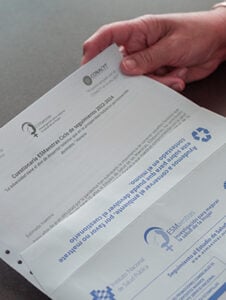
An example of the questionnaire for participants, originally circulated by post.
Aside from officially becoming a cancer cohort in 2019, key milestones include findings that have had implications for prevention and public health policy.
Highlights include data on diabetes and weight gain that informed Mexico’s sugar-sweetened beverages tax. “Mexico has led efforts to change the dietary environment and reduce the consumption of sugar, sweetened beverages,” says Dr Lajous. “So, we conducted analysis on sugar-sweetened beverage intake and diabetes and also weight gain, which I think has been used by policy makers.”
The cohort has also produced some important work on smoking. “You may presume that we already know about the link between tobacco and cancer,” says Dr Lajous. “That may be so, but the pattern of tobacco smoking in Mexico, and particularly among women in Mexico, is one of occasional or very low consumption.
“There is a perception that if you only smoke a cigarette a week, it’s fine. However, we showed with the Mexican Teacher’s Cohort that even very low consumption of tobacco was associated with death.”
In recent years, external groups have begun seeking data from the MTC, shifting internal perception from a theoretical project to a strategic asset, something that Dr Lajous is proud of. “For the past 20 years, I’ve been reaching out to people to let them know how important the cohort is, how key this resource is, how they all should be proud of it. And now the dial has shifted, and institutions have started reaching out to us to collaborate, but it took time.”
Engagement and building trust
Teachers offered two advantages that made a long-term study feasible. Many were already used to completing written evaluations through an economic incentive programme, and their employment stability, healthcare access and pension system made it easier for researchers to remain in contact over many years. But the cohort’s longevity has depended on more than the suitability of teachers as a study population, it has also depended on trust.
“You must have a participant-centered approach, in the sense that if we promise something to the participants, be sure that you deliver that,” says Dr Lajous.
A key challenge for the team over time has been maintaining this engagement as teachers retire and communication has evolved from paper to electronic.
To ensure contact is kept consistent, the MTC plan monthly webinars, a well-attended series on health topics for all teachers, not just those who are part of the study. The team has also moved to home visits to collect data in-person for older, less tech-savvy participants. And, to ensure community building, created state-specific Facebook groups for participants.
Importantly, Dr Lajous stresses a two-way dialogue with the cohort. Feedback from teachers has helped shape the research agenda, leading to studies on stress and Adverse Childhood Experiences (ACEs). “One thing we’re always pushing for is that we keep our ears open to their concerns,” he says.
Lessons learned from the Mexican Teachers’ Cohort
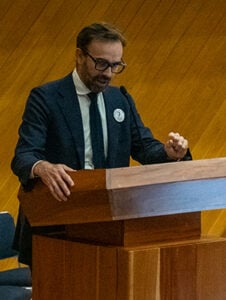
Dr Martin Lajous speaking to the audience at the 20th anniversary event for the Mexican Teachers’ Cohort.
A lesson for Dr Lajous over the last 2 decades of setting up such a large-scale and long-term cohort is patience. “It’s a marathon in the sense that it requires consistency over time,” he says. “Understanding that this is a long-term investment and that you need to be patient. Sometimes things are not going great, but you just need to keep moving.”
People are at the heart of the project. Fostering a dedicated team and using international partnerships to build leverage and demonstrate value has been essential to the MTC. Dr Lajous also notes the importance of incorporating young investigators into the cohort and making them feel invested, so that the programme can be sustained over a long period of time.
“We are a relatively small team and collaboration with people outside of Mexico is important for us,” says Dr Lajous. “It gives us leverage in Mexico and also because it articulates that what we’re doing is important, and people elsewhere are seeing the value in the work that we’re doing.”
Future research
As the cohort enters its third decade, its research questions are changing with its participants.
“We want to understand the intersection between ageing, cognitive health, and cancer. So now we have a grant where we are going to visit 15,000-17,000 participants at their homes to perform in-depth cognitive assessments,” says Dr Lajous.
The team also plans to expand their work into environmental exposures including plastics, light at night, and climate-mediated events.
“And for me, the most salient cancer-related problem right now is colorectal cancer, which is increasing much more dramatically than other cancers. It’s currently the leading cause of cancer mortality in Mexico but we have very limited strategies for prevention and control of the disease.”
Reflecting on the last 20 years, Dr Lajous says, “I’m most proud of how this project has changed people’s lives and will potentially change a lot more people’s lives.”
Looking back, the cohort’s greatest achievement may be exactly what it set out to create – evidence rooted in real lives, sustained by trust, with the power to inform future generations on cancer prevention.
Latest news and blogs
A new study has identified five proteins in the blood that may help explain why people who are naturally ‘morning people’ tend to have a lower risk of breast cancer than ‘evening people’.
This work, led by researchers at the University of Hong Kong, was funded by Wereld Kanker Onderzoek Fonds, (WKOF) – the Netherlands-based charity within the World Cancer Research Fund network of charities.
The findings, published in the journal Communications Medicine, do not mean people can lower their risk simply by getting up earlier. Chronotype – our natural leaning towards mornings or evenings – is largely set by our genes and is hard to change. Instead, the real value of this research lies in the proteins themselves, which could point scientists towards new ways to prevent or treat breast cancer.
What is chronotype, and why does it matter for cancer risk?
Chronotype describes whether someone is naturally more of a ‘morning person’ or an ‘evening person’. Earlier research has linked having an evening chronotype, and other disruptions to the body’s internal clock – such as shift work, jet lag or irregular sleep – to a higher risk of breast cancer. But exactly why this happens has not been clear, which has made it hard to know what, if anything, could be done about it.
How did the researchers investigate this?
To dig into the biology behind the link, the team used a method called Mendelian randomisation. This uses genetic information to help work out whether one thing – in this case, chronotype – actually influences another, such as breast cancer risk, rather than the two simply appearing together by chance.
The researchers drew on genetic and health data from more than 650,000 people who took part in two large studies, UK Biobank and 23andMe, all of whom had self-reported whether they saw themselves as more of a morning or evening person.
They then took a two-step approach. First, they looked for links between chronotype and levels of nearly 5,000 different proteins in the blood, and found 895 proteins connected to a morning chronotype. Second, they checked whether any of those proteins were also linked to breast cancer risk and at this point, seven stood out as promising candidates.
To avoid false leads, the team ran an additional check called colocalisation. This statistical test shows whether the same genetic signal is genuinely influencing both the protein level and breast cancer risk, rather than two separate signals sitting close together by coincidence.
Dr April Shan Luo, Research Assistant Professor at Li Ka Shing Faculty of Medicine, the University of Hong Kong, who led the study, said:
“This gap in our understanding is significant in light of the growing prevalence of sleep deprivation in modern society and the challenges of being able to change or alter chronotype, particularly due to external factors such as shift work and frequent travel.
“There is a real need to better understand the link we are seeing between chronotype and breast cancer risk.”
What did they find?
After all the checks, five proteins stood out as having a genuine role in linking morning chronotype to a lower risk of breast cancer:
- ADAM15
- BTN2A1
- CASP8
- PDCD6
- RSPO3
Some proteins were more strongly linked to particular types of breast cancer than others. PDCD6, for example, showed the strongest connection to a subtype known as luminal A-like breast cancer.
Dr Luo, a recipient of the INSPIRE research grant, aimed at early career investigators, said: “We used large genetic datasets to examine morning preference, blood protein levels, and breast cancer risk. We also looked at different breast cancer subtypes and used breast cancer tissue data to assess the biological relevance of the proteins.”
Why does this matter?
World Cancer Research Fund International’s Assistant Director of Research and Policy, Dr Helen Croker, said:
“We know that there is a potential link between breast cancer risk and sleep chronotype, but this research has helped move the dial on our understanding of the biology behind this association.
The genetic tendency to be a morning person appears to be connected to a set of molecular switches, and some of those switches may also be linked to breast cancer risk. These findings improve our understanding of how sleep-related behaviour may influence breast cancer risk and further research could influence prevention strategies.”
Because chronotype is largely determined by our genes, this research is not a call to change your sleep habits. Its real potential lies in the proteins themselves: each one could be a possible new target for future cancer-prevention drugs or treatments, though that work is still at an early stage.
The researchers also note that their data came from people of European ancestry, so more research is needed to see whether the same proteins matter for people from other backgrounds.
Latest news and blogs
When Ben Wagenmann walked through a hospital radiation scanner and triggered every alarm in the corridor, it was not a malfunction. For several days after treatment, Ben is radioactive.
The 27-year-old medical AI student is living with metastatic cervical paraganglioma, a form of cancer so rare that only a handful of documented cases exist worldwide.
Ben’s original tumour developed around the fork of his carotid artery located in his neck. It measured around 5-6cm and required complex surgery lasting over ten hours to remove.
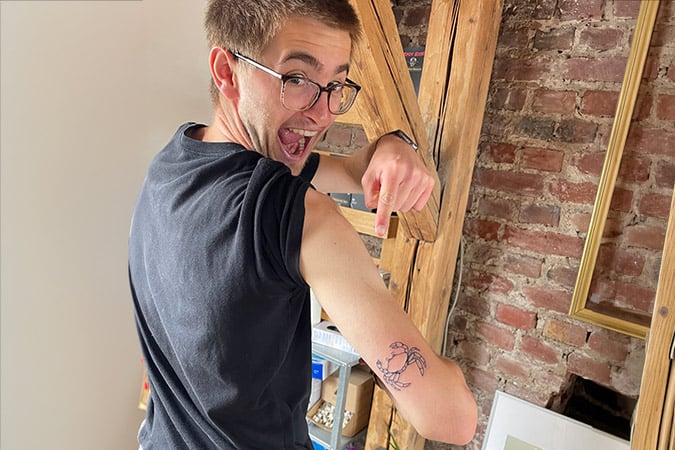
What makes Ben’s case so extraordinary is not only the tumour itself, but where the cancer has metastasised (spread). While cervical paraganglioma is typically benign (non-cancerous), Ben’s has spread throughout his spine, ribs and other bones.
Because no standard treatment exists, specialists across multiple hospitals in Europe worked on an experimental care plan. This included radionuclide treatment, a form of nuclear medicine requiring Ben to enter an underground radiation ward every six weeks.
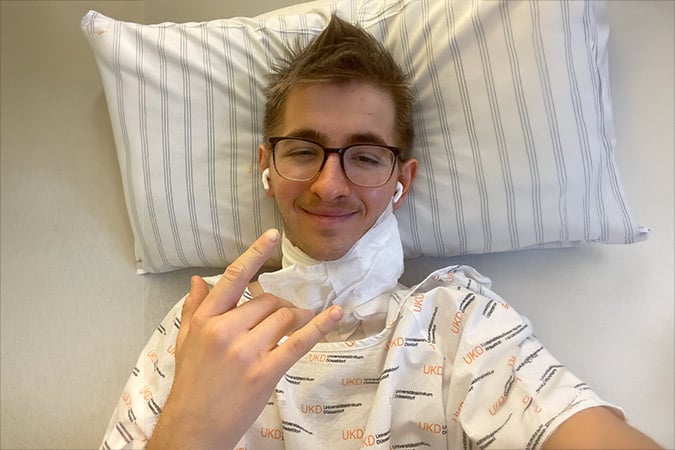
“It genuinely felt like being in a bunker,” Ben said. “There were no door handles, and I couldn’t shower because it would turn the water radioactive.”
At one point, he triggered a hospital radiation detector simply by walking through the corridor.
“That was a surreal moment, realising you’re literally radioactive,” Ben added.
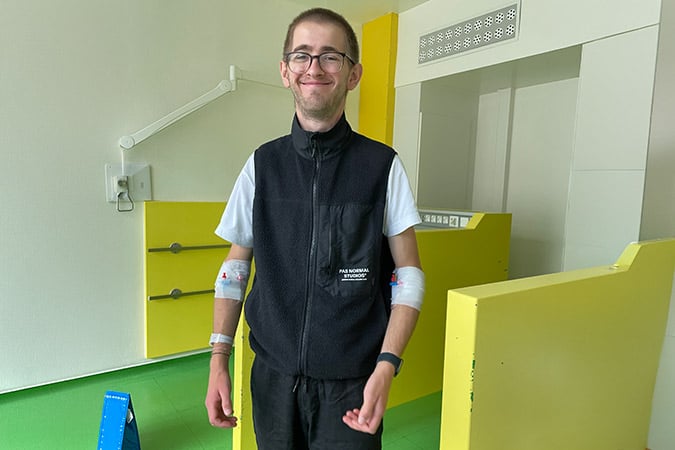
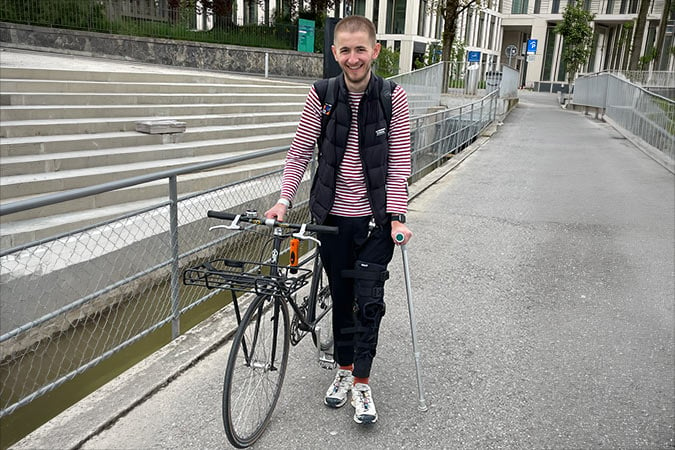
Following hospital discharge, Ben’s radiation levels were still so high that he could not be around pregnant women or small children safely.
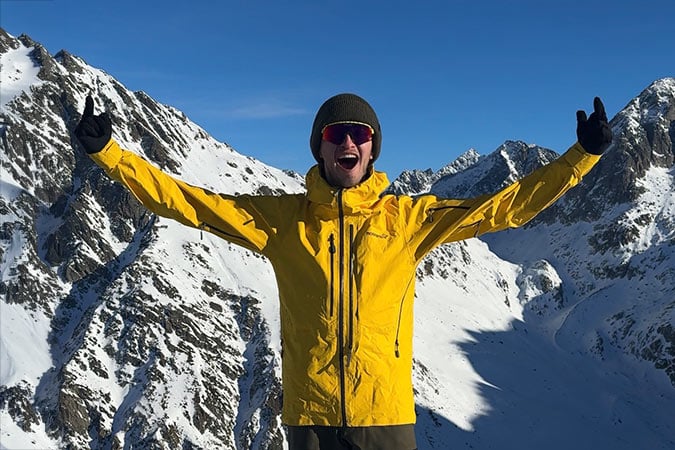
Despite intensive treatment, regular hospital travel across Europe and the fragility of his spine, Ben has refused to give up the hobby he loves most – skiing.
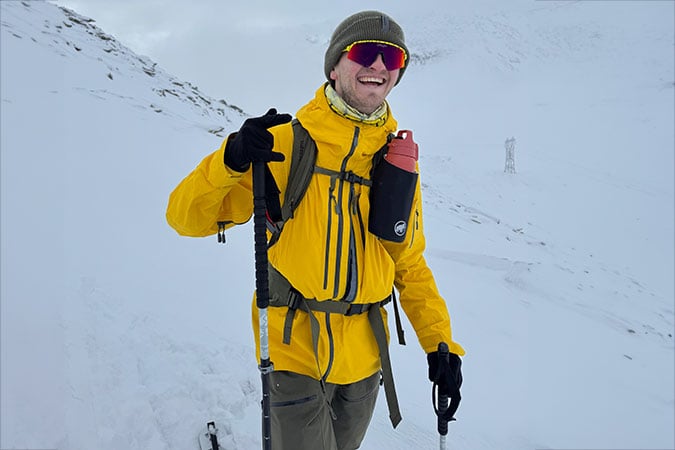
“I’ve had to adapt. I’m more careful now and I notice the pain more, but skiing is one of the most important things in my life. I don’t want cancer to take that away,” he explained.
To raise awareness about cancer in young people, Ben began sharing his journey online through short ‘life recap reels’ on Instagram. Unexpectedly, the project raised hundreds of pounds for World Cancer Research Fund.
“I didn’t complete a marathon or jump out of a plane,” Ben said. “I just shared my life online and people connected with that.”
Rachael Hutson, World Cancer Research Fund CEO, commented:
“Ben’s commitment to sharing his journey is deeply moving, and we are grateful for the way he has turned his experience into hope for others. His fundraising efforts are helping fund life-saving research, and we are truly honoured to have his support.”
Following the success of his Instagram fundraiser, Ben completed a 16-kilometre race in his native Switzerland in May 2026 while on treatment break. He is now exploring a cycle across Norway to combine his love of endurance sport with fundraising.
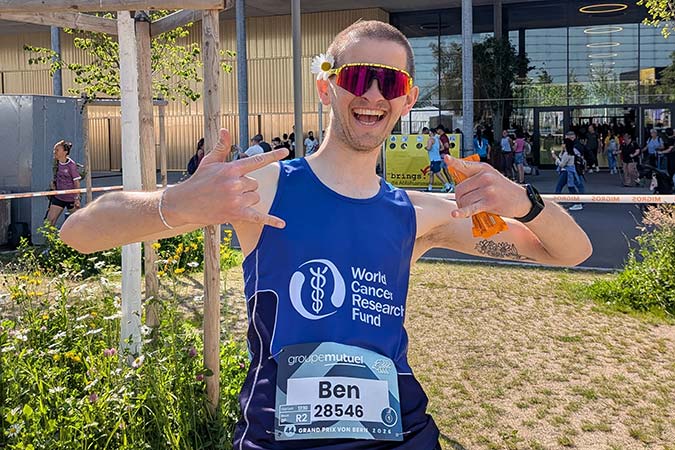
Now, Ben hopes his story will challenge assumptions about what living with cancer looks like.
“You’re not just your diagnosis. Cancer changes things but it doesn’t automatically end your life,” he shared.
Ben shares his journey as part of our Every Step Tells a Story campaign.
Feeling inspired? Why not sign up to one of our exciting events and challenges today.
Read more supporter stories
Alice Conroy completed the London Marathon for World Cancer Research Fund in April 2026 to help people live longer, happier and healthier lives.
The challenge was important to Alice after losing five family members to cancer including three grandparents, her uncle and her mum when Alice was just four years old.
“I have lots of memories of being in hospitals, being aware of cancer and knowing that my family was more at risk,” Alice shared.
Cancer also affected Alice’s sister, Amy Conroy, who went on to become a four-time wheelchair basketball Paralympian after surviving bone cancer as a teenager.

Driven by years of loss and resilience, Alice dedicated herself to a career in healthcare and is committed to supporting prevention research that could stop others facing the same heartbreak.
“These early, life-changing experiences shaped my understanding of cancer and the urgent need for better prevention and support,” Alice added.
A keen runner since 2017, Alice balanced her marathon training and long shifts on the ward with early-morning and late-night runs.
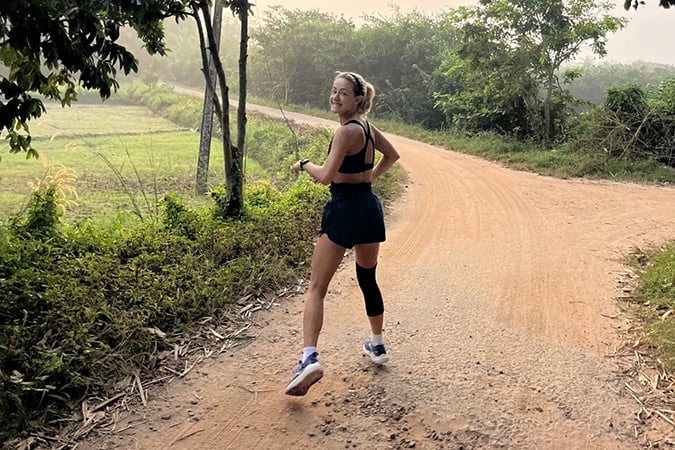
“Running is my release. With cancer, you know it is going to be a long road ahead. If my patients can go through everything that a cancer diagnosis involves, then this is nothing. I feel honoured to represent them,” Alice said.
World Cancer Research Fund CEO, Rachael Huston, added:
“We can’t thank Alice enough for going the extra mile for cancer prevention. Her courage, compassion and determination embody everything we stand for at World Cancer Research Fund. We are so grateful for her support, which is driving forward research that could save lives.”
Alice shares her journey as part of our Every Step Tells a Story campaign.
If, like Alice, you want to make a difference and support life-changing research, why not sign up to one of our exciting events and challenges.
Read more supporter stories
New evidence, published today, shows that sticking to five lifestyle recommendations improves survival after a later cancer diagnosis.
The findings provide encouraging evidence that simple, achievable habits established before a cancer diagnosis can play a role in improving long-term health and the health of those following a cancer diagnosis.
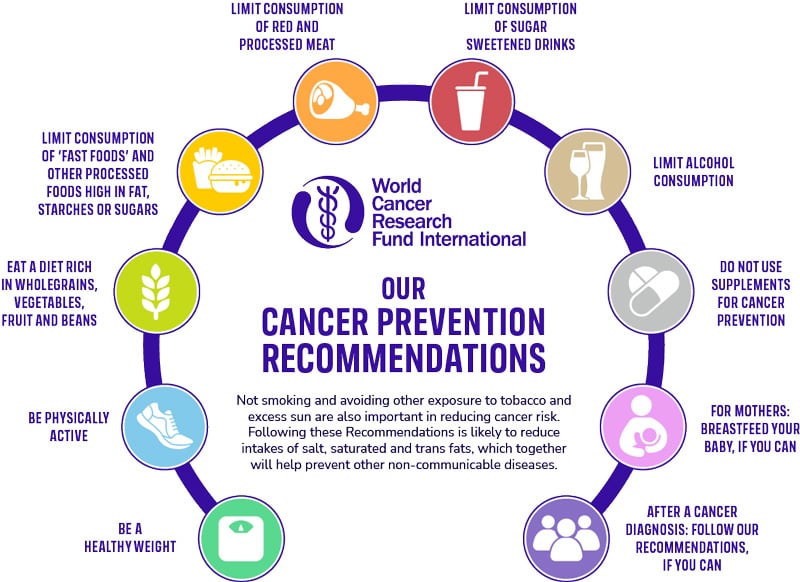
The Cancer Prevention Recommendations analysed in the study include:
- Be a healthy weight
- Be physically active
- Eat wholegrains, vegetables, fruit and beans
- Limit red and processed meat
- Limit alcohol consumption
The latest research led by Newcastle University, UK, published in Cancer was funded by Wereld Kanker Onderzoek Fonds, (WKOF) – the Netherlands-based charity within theWorld Cancer Research Fund International network of charities that also includes World Cancer Research Fund and the American Institute for Cancer Research.
The Recommendations were developed in 2018 by World Cancer Research Fund (WCRF) and the American Institute for Cancer Research (AICR) as evidence-based lifestyle guidance which aim to reduce cancer risk.
Although previous research in cancer survivors has indicated some positive effects, this new study provides the most comprehensive evidence to date of their association with improved survival for people living with and beyond cancer.
Professor John Mathers, Emeritus Professor of Human Nutrition at Newcastle University, who led the study, said:
“This research is incredibly exciting because, for the first time, we have shown that higher adherence to the WCRF/AICR 2018 Recommendations may reduce the risk of mortality for people diagnosed with cancer in a UK cohort.
The results of this paper add to an existing body of evidence on the WCRF/AICR Recommendations and cancer survivors and could be informative for those developing policies and clinical guidelines to improve health and longevity following a cancer diagnosis.”
Breaking down the results
The research team assessed the dietary and lifestyle data of 28,550 individuals who were assigned score points from 0-5 in relation to how closely the Recommendations were followed at the time of recruitment to the Biobank, prior to a cancer diagnosis. The UK Biobank is a large, population-based database, established to allow detailed investigations of the genetic and nongenetic determinants of the diseases of middle and old age.
Based on decades of research, the key WCRF/AICR Recommendations were developed in 2018.
The research team found that each 1-point increment in score, equivalent to fully meeting one Recommendation, was associated with an 8% lower chance of dying from any cause over time. Overall, having a score in the highest third of the study population was associated with a 16% lower chance of all-cause mortality, compared with those in the lowest third.
This association was consistent regardless of whether the individual smoked and also held true for multiple cancer types such as breast and liver cancers, suggesting broad survival benefits.
Calls for interventions for healthy living
The findings show that following a healthy lifestyle is not only important for cancer prevention but may also have implications for long-term health after a cancer diagnosis.
Dr Fiona Malcomson, researcher at Newcastle University and co-author of the paper said:
“The take home message is that the 2018 WCRF/AICR Cancer Prevention Recommendations apply to cancer survivors too. Having a healthier eating pattern, being more physically active and avoiding being too heavy, as described in the Recommendations, is associated with better long-term outcomes for those living with and beyond cancer.
The scientists behind the research suggest that these findings support prioritising the development of interventions to enhance adherence to the WCRF/AICR Recommendations– including after diagnosis – that may potentially lower mortality risk among people diagnosed with cancer. This means that cancer survivors can take action to improve their health and should be encouraged to do so by healthcare providers.”
Nadia Ameyah, Director of WKOF, the Netherland-based charity within WCRF International said:
“This tremendously exciting study further cements the status of our evidence-based Recommendations as one of the best ways of maintaining your health when living with and beyond cancer. We have always prided ourselves on the scientific grounding of our Recommendations for primary prevention, and this is the first time we have had such robust evidence for survivorship. Cancer survivorship and quality of life after cancer diagnosis are key priorities of WKOF.
We look forward to seeing how these findings will inform health policy and the design of healthcare interventions to help those living with and beyond cancer to live happier, healthier lives.”
Latest news and blogs
Two studies published recently in Nature Cell Biology and Cancer Discovery show that breast cancer cells that have spread to the lungs rely on fats produced by healthy lung cells to grow. They found these fats help breast cancer cells survive and grow in the lungs.
This research was led by Professor Sarah-Maria Fendt at the VIB-Flemish Institute for Biotechnology (VIB) and funded by Wereld Kanker Onderzoek Fonds (WKOF), which is part of our global network of charities including World Cancer Research Fund and the American Institute for Cancer Research.
Collaborating with researchers at The Francis Crick Institute in the UK, an international team of scientists identified how breast cancer cells grow after spreading to the lungs, revealing that tumour cells can hijack healthy lung cells and hyperactivate their fat production to help them grow.
The team also revealed more about how these fats are used to maintain tumour growth and discovered that blocking fat production in lung cells can slow the growth of metastases, pointing to a potential new target for treatment.
Reprogramming healthy cells makes cancer grow
Cancer that spreads from the primary tumour to other parts of the body is known as metastatic cancer. Metastasis is the leading cause of cancer deaths and remains a major challengefor cancer care as there are often limited treatment options once cancer has spread.
The lungs are a common secondary site for cancer cells to spread to, including for breast cancer.
For metastasis to happen, we know that specific conditions are required to accommodate cancer cells. Alveolar type II (AT2) cells are specialised lung cells that produce the chemical compound – known as a surfactant – needed to keep the lungs functioning properly and can also help repair lung tissue. Previous work from Prof Fendt’s team have shown that AT2 change before cancer cells arrive to the lung in response to signals from the primary tumour.
However, the role these lung cells play once metastases have become established in the lung is not yet understood.
By investigating metastatic cancer in mice and human samples, and employing a range of different laboratory techniques (including mass spectrometry imaging), the team discovered that in the vicinity of metastases, AT2 cells are reprogrammed by the cancer into lipid feeder cells.
Importantly, the researchers found that metastasis growth was slowed by targeting lipid metabolism in the lung environment rather than in the cancer cells themselves. When they blocked the production of specific fats in AT2 cells with breast cancer that had spread to the lungs, they saw reduced tumour growth. Significantly, this happened without major detectable effects on healthy lung tissue in these experimental models, which functioned the same as healthy cells adapted to the loss of specific fats while cancer cells hadn’t.
Head of Research Funding at World Cancer Research Fund, Dr Julia Panina, who worked on this paper while completing her PhD at the Francis Crick Institute, says:
“Through this research, we were able to uncover a new way that metastatic cancer cells exploit the metabolism of the tissues they spread to, to support their survival and growth. These findings could help identify new approaches for preventing and treating metastatic disease in the future.”
How are these lipids used?
In a second study, Professor Fendt’s team focused on understanding exactly how cancer cells use these fats once they reach the lungs.
These specific fats which contained the fatty acid palmitate are known as energy-rich molecules and have long been thought to mainly serve as an energy source for cancer. However,the research team found that cancer cells also use these fats in a different way – to modify proteins and control how they function in the cell.
These palmitate modifications allow cancer cells to alter their molecular makeup and help them adapt to the lung environment and grow more effectively.
“So those lipids are not just fuel for cancer cells,” explains Prof. Sarah-Maria Fendt. “They also initiate molecular processes that help the tumour grow. If we interrupt that process, we can block the growth of metastases.”
Paving the way for new treatments
These findings help explain how tumours adapt to new environments in the body and has opened the door for further research that could explore new treatment options.
Encouragingly, reducing fat production significantly slowed the growth of lung metastases in experimental models. This means that rather than targeting cancer cells directly, it also be possible to target other cells that boost their growth.
“This work highlights the importance of supporting mechanistic research to better understand the biological processes of cancer progression, which is central to the research supported across the WCRF network,” says Dr Panina.
Latest news and blogs
Is there a better way to classify obesity than relying on BMI alone?
Body mass index (BMI) is a simple calculation: take a person’s weight, divide it by their height squared and you get an idea of their body size.
While it’s easy to use, it may not be capturing the whole picture when it comes to obesity. That’s the question Dr Heinz Freising at the International Agency for Research on Cancer (IARC), together with colleagues Dr Michael Stein and Prof Michael Leitzmann, have been looking into.
We sat down with Dr Freisling to discuss their research letter, which evaluates the association between a new definition of obesity, proposed by the Lancet Diabetes and Endocrinology Commission, and mortality in the UK Biobank.
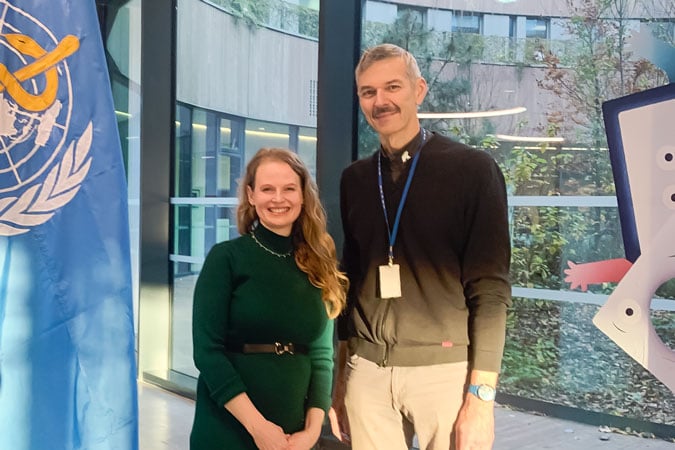
Dr Heinz Freisling with Dr Jana Sremanakova, Research Funding Manager, WCRF International
How would you explain what is new about this definition of obesity?
The new definition of obesity distinguishes clinical obesity from preclinical obesity. The difference is whether there are clear health problems caused by obesity.
– Clinical obesity means obesity is already causing health issues that are directly linked to obesity, like any or more of the following:
- Trouble breathing (eg breathlessness and/or wheezing)
- High blood pressure
- Joint problems (eg osteoarthritis)
- Elevated blood glucose levels in conjunction with high triglycerides and low HDL cholesterol levels.
- Problems with other organs including the central nervous system, liver or cardiovascular
– Preclinical obesity means someone has excess body fat but no obvious health problems yet. They’re healthy for now, but the risk of obesity-related health issues in the future is real.
This new definition acknowledges that you can have extra body fat and still be healthy, at least for a while.
This new assessment of excess body fat doesn’t just rely on BMI – it’s alsoconfirmed by additional measurements of body size such as; waist circumference, waist-to-hip ratio and waist-to-height ratio. These health measurements can be used together with BMI or independently to assess overall body fat.
Alternatively, precise clinical tools to measure body fat should be used, such as a specialised X-ray scan (DEXA) or a body composition scale (Bioimpedance measurement).
What is the most common misunderstanding about obesity and health that your study helps to correct for the general public?
Obesity is often portrayed as the result of unhealthy eating or insufficient willpower. This view fuels stigma toward people living with obesity. In reality, obesity is a complex chronic condition shaped by a variety of factors, such as:
- Genetics
- Socioeconomic position
- Environment
- Long-term physiological adaptations.
As excess body fat builds up, the body’s system for managing energy, nutrients and metabolism begins to change. Cutting calories – as often happens during dieting – doesn’t necessarily lead to proportional fat loss because the body adapts to defend its own weight.
New medical guidelines have recently redefined obesity as a disease caused by physical changes in the body, rather than a matter of personal behaviour or lifestyle choice. The aim is to reduce stigma and improve care by focusing on measurable health problems — not just a number on a scale.
While BMI remains the most widely used measure of body size in population research, it doesn’t tell the whole story. It can’t reveal where fat is distributed in the body, or whether excess fat is affecting how organs function. The new framework combines several body measurements with an assessment of organ health to give a fuller picture of how obesity affects a person overall.
If health systems were to adopt this approach, how might it change diagnosis or treatment in practice?
If health systems adopt this approach, it would make diagnosis more precise and reduce unnecessary treatments. Any treatment would become more personalised, targeting specific organ damage or functional impairment, much like how we treat other chronic diseases.
Do you see this as the start of a broader international shift?
I think we may see a gradual change over several years, driven by evidence, practicality, and available resources. Expert groups and professional societies worldwide are increasingly recognising the limitations of BMI and placing greater emphasis on biological changes, organ-specific effects, and how well a person is able to function day-to-day – as better indicators of when excess body fat becomes a true medical condition.
This fits with a wider movement in medicine toward precision and personalisation and helps reduce stigma by focusing on measurable health impact rather than body size alone. As more research accumulates and more organisations engage with this framework, the momentum behind such an approach is likely to continue building.
How did WCRF funding support this research and make a difference to the study?
Dr Freisling: WCRF funding enabled me to connect and kick-start a collaboration with like-minded researchers with complementary expertise to conduct this study.
Dr Stein: WCRF funding laid the foundation for me to pursue my PhD in the field of cancer epidemiology.
Prof Leitzmann: WCRF funding made this work possible by providing the resources and environment that allowed the research to reach a high scientific impact.
Dr Heinz Freisling, Dr Michael Stein and Prof Michael Leitzmann.
This research was conducted as part of Prof Leitzmann’s grant – Physical activity, sedentary behaviour and cancer risk in people with comorbidities.