Can you trust what you read about cancer and diet on social media?
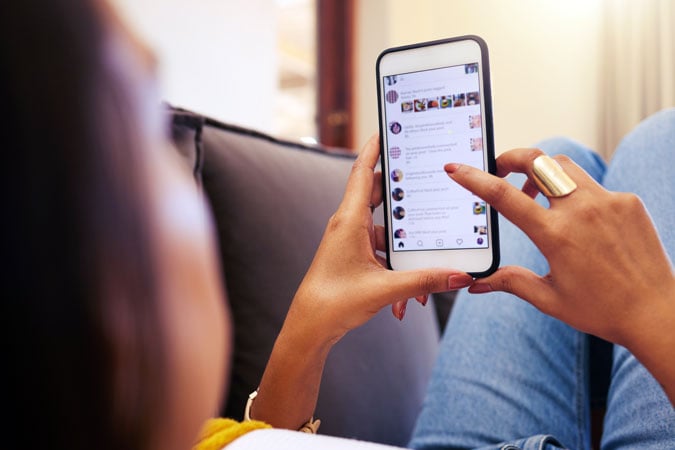
Every day, millions of people search online for answers about cancer, diet and health. Some of what they find is accurate and helpful. Much of it is not. And when it comes to cancer – a subject where fear, hope and complexity are factors – misleading information can cause real harm.
Proving the challenge
There is no doubt that social media influencers promote a vast amount of misinformation online, especially to younger people. New YouGov polling, commissioned by World Cancer Research Fund for Cancer Prevention Action Week (15–21 June 2026), reveals a striking pattern:
- Among adults who rely on social media as their main news source, 13% wrongly believe that certain foods or diets can “starve” cancer, compared with 7% of other adults.
- 15% wrongly think certain supplements can reduce cancer risk, compared with 11% of other adults who prefer sources other than social media.
- Younger adults are particularly affected: 20% of 18–34-year-olds say they are more likely to trust a health claim if it is shared by an influencer or account they follow, compared with just 7% of over-55s.
Positive influencers speak out
However, there are also large numbers of influencers and experts online who are fighting back against misinformation. We are enormously grateful to the more than 30 health professionals and experts who gave their time to support Science Not Fiction — their commitment and expertise made a real difference.
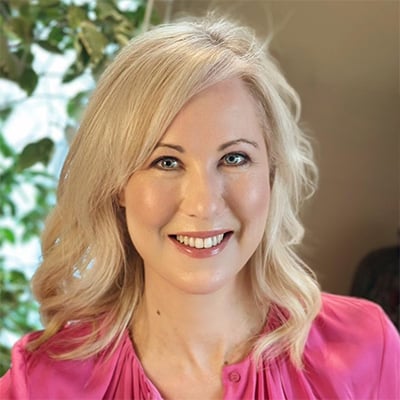
Deborah Cohen
Deborah Cohen is one such expert. A medically-qualified journalist and author of “Bad Influence”, she warns:
“Over time, [influencers’] recommendations can start to feel less like advice from a stranger and more like guidance from a trusted friend.
They sometimes use scientific language to create an impression of authority, while the actual evidence behind their claims is weak, selective or simply not there.”
For anyone affected by cancer, the stakes are high.
Dr Idrees Mughal, known as Dr Idz, is a medical doctor with a master’s degree in nutritional research and more than 1.5 million followers across TikTok and Instagram.
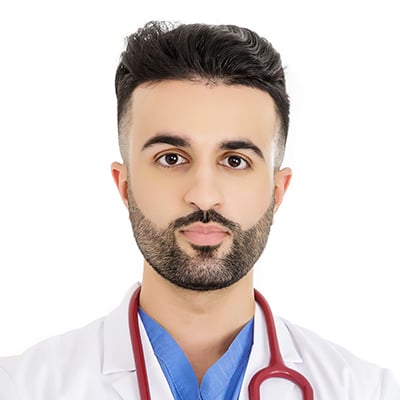
Dr Idz
He explains:
“The danger is not just wasted money, but that misinformation can push people away from evidence-based advice and proven cancer treatments.
When people delay or reject effective care in favour of unproven alternatives, the consequences can be devastating, and in some cases fatal.”
Professor Sander van der Linden is Professor of Social Psychology at the University of Cambridge and author of FOOLPROOF.
He frames the broader challenge.
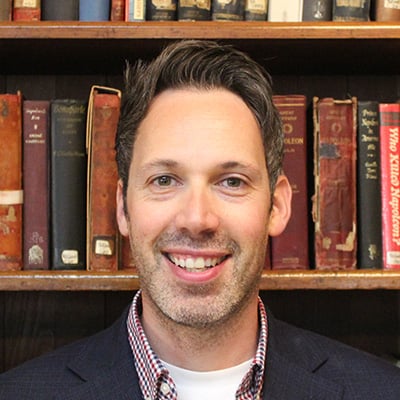
Professor Sander van der Linden
He says:
“Misinformation about cancer is rampant. One of the most important challenges is empowering people with skills to discern wellness quackery from evidence-based advice.”
The picture is not all bad online. The experts and influencers who joined us aren’t alone. Many doctors, dietitians, cancer specialists and science communicators are actively using social media to challenge misinformation with clear, evidence-based information.
How to tell the difference: the TRUST Test practical tool
That is exactly why World Cancer Research Fund has developed the TRUST Test – a simple, practical framework for evaluating health and nutrition information wherever you come across it. It gives you a clear set of prompts to help you pause and check before acting on a claim – whether you are reading a health blog, watching a video or seeing a claim shared in a group chat.
Join our campaign
Science Not Fiction is a three-year World Cancer Research Fund campaign tackling health misinformation and helping people find evidence-based information they can trust about cancer prevention, living with cancer, and nutrition.
Cancer Prevention Action Week 2026 was an important first step. The campaign reached a wide and influential audience, with backing from more than 30 health professionals and experts, support from organisations including the British Dietetic Association, IARC, Our Future Health and Alcohol Change UK, and coverage in national media.
You can be part of this work. Email us at pr@wcrf.org if you have a story to tell. You can also share the TRUST Test with friends, family or colleagues, and follow us on social media for reliable, evidence-based information about reducing your cancer risk and living with cancer.