Jane’s story: My two-year fight to be heard
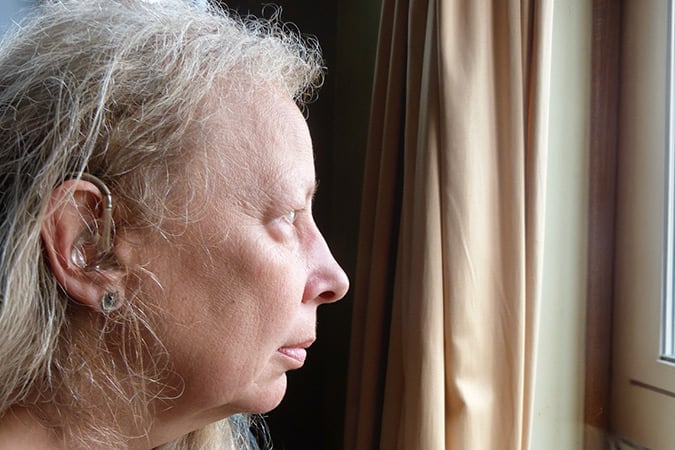
It began with symptoms that made Jane, 68, realise that something was wrong: a sudden change in bowel movements, blood in her stool and increasing tiredness. After reading about bowel cancer symptoms in a magazine, she visited her GP.
Because a recent bowel cancer test came back negative, Jane was reassured that she was ‘okay.’ This led to an initial misdiagnosis of irritable bowel syndrome (IBS).
Over the next two years, her symptoms worsened. Jane became anaemic and experienced pain so severe that she could no longer sit on a hard chair.
At the same time, life at home was becoming more demanding. Jane’s husband’s health was declining, and her mother needed more support. Jane told us:
“I didn’t have time to keep challenging the doctors.”
Then, she saw a new GP at her surgery. After reading Jane’s notes, the doctor was concerned and referred her for further tests.
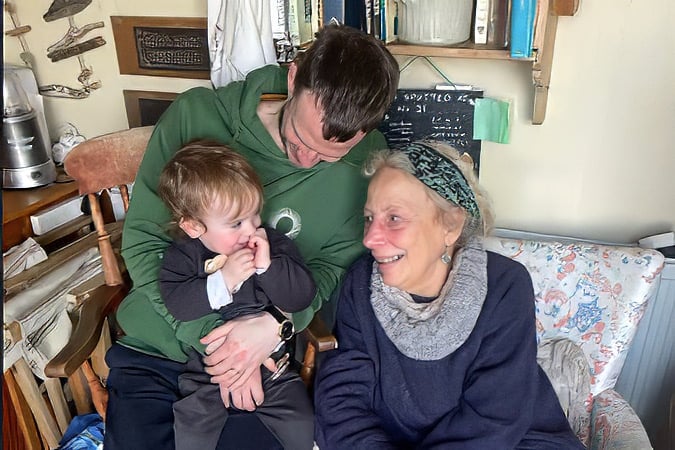
Within minutes of seeing a surgeon, she had an answer: it was almost certainly rectal cancer. For many, those words would have been devastating. For Jane (pictured below with her step-grandson and his child), they brought something unexpected – relief.
When the nurse came in with tissues, Jane remembers saying:
“Thank goodness there is something wrong with me.”
By the time she was eventually diagnosed, Jane needed extensive treatment including chemotherapy, radiotherapy and major surgery. This left her with long-term complications including scar tissue and hernias which caused intestinal blockages, leading to repeated episodes of vomiting, dehydration and hospital stays.
Now, food has become so complicated for Jane that ordinary life feels impossible. She shared:
“I can’t eat out in restaurants anymore and I can’t go to my friends for meals. That’s a big chunk of my social life gone.”
Devastatingly, during one of her routine follow-ups, Jane was also diagnosed with kidney cancer.
She was advised to follow a strict diet due to her bowel issues, while having to factor in her kidney health, gluten intolerance and weight loss. Foods that Jane once relied on as a vegetarian are now difficult to incorporate into her daily diet. She added:
“I’m really struggling to juggle all of that.”
Jane recalls receiving dietary advice after her first cancer diagnosis that did not take all her factors into account.
“I spent two years knowing that something wasn’t right, but not feeling listened to. So, when I later struggled to get nutrition support that considered all my needs, those feelings suddenly came flooding back”
After hearing about WCRF’s Cancer and Nutrition Helpline, Jane shared:
“This is a lifeline for people like me. People affected by cancer have so much to manage, and the helpline makes food and nutrition one less thing to worry about.”
World Cancer Research Fund’s UK Director, Steven Greenberg, added:
“Food is about so much more than nutrition – it can support recovery and has an impact on quality of life. This year, we released research showing that seven types of cancer have risen sharply in young people across England. With cancer affecting more people, the need for trusted, accessible information on food and nutrition is more important than ever.
We’re incredibly proud of our free Cancer and Nutrition Helpline, where specialist oncology dietitians offer expert support to people of all ages. Please help us spread the word, it could be the most valuable thing you pass on this year.”
For people like Jane who are living with or beyond cancer, enjoying food and navigating nutrition can be tricky. Our experts are here to help.
Contact our Cancer and Nutrition Helpline for free, expert-led and evidence-based support.