News and blogs
Latest news, updates and blogs from World Cancer Research Fund.

Will new junk food legislation work?
The UK government’s long-awaited junk food advertising restrictions have come into force at the start of 2026
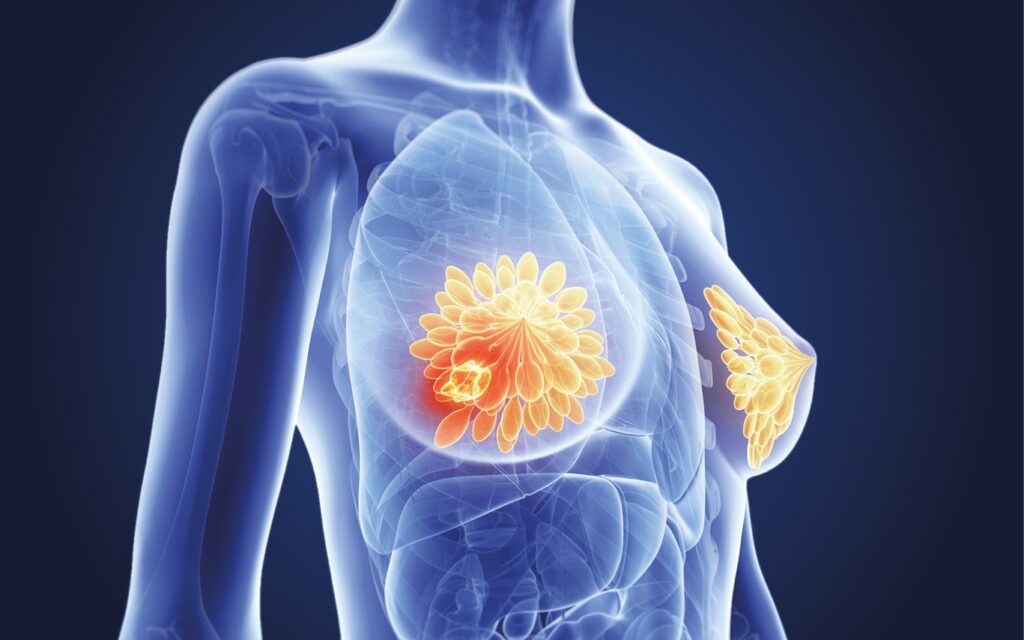
What causes breast cancer – lifestyle or genes?
The debate between ‘nature and nurture’ is often discussed with strong views and the same is true when it comes to thinking about our risk of breast cancer
Policy and advocacy for healthier lifestyles – the challenges and opportunities
Unhealthy eating, physical inactivity, drinking alcohol, and being overweight or obese contribute to the worldwide epidemic of NCDs
Mexico’s sugar tax – did it make a difference?
Mexico approved a 1 peso tax to drinks with added sugar. Did it have an impact?
Understanding barriers – the key to behaviour change
Whether we work in health or not, we’re all aware of the familiar list of excuses that people give for why they struggle to be healthier – and often catch ourselves using them too!
Advancing food and nutrition security in Brazil
What can we learn from Brazil’s advances in food security?
Stomach acid reflux and cancer risk
The unpleasant symptoms of acid reflux could be doing more damage than just being an inconvenience
Jamie Oliver calls for a global food revolution
Food Revolution is a global campaign to provoke debate and inspire positive, meaningful change
A spotlight on stomach cancer subtypes
What’s the difference between cardia and non-cardia cancers?
Salt: shaking up the link with stomach cancer
We found strong evidence that certain high-salt foods are a cause of stomach cancer
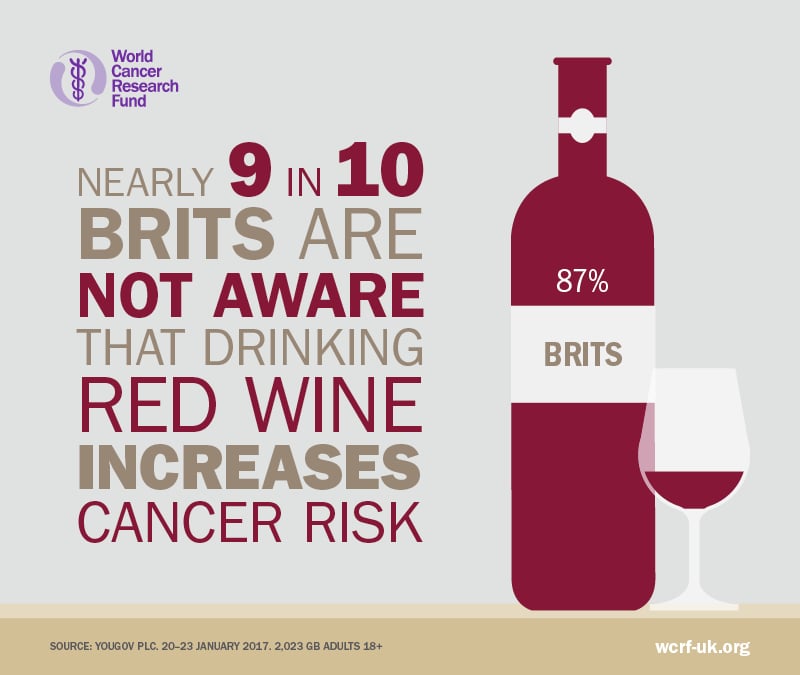
How does alcohol increase cancer risk?
Alcohol is linked to an increased risk of several cancers, but how does alcohol interact with us to cause this effect?
Diet, HPV and mouth cancer
Rates of cancers of the mouth are increasing worldwide due to an increase in those cancers that are linked to a sexually transmitted infection called human papillomavirus (HPV).
New research shows vegan diets could lower prostate cancer risk
Vegan diets could help reduce the risk of developing prostate cancer, according to a major new study funded by World Cancer Research Fund