Why trusted evidence matters in the fight against cancer misinformation
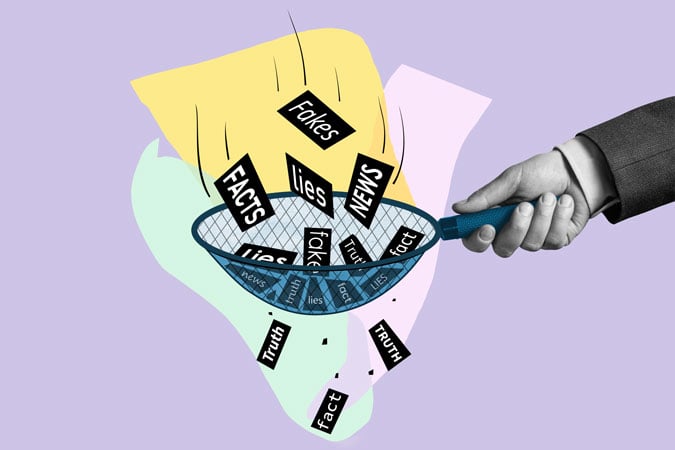
The internet and social media have transformed the way people access health information. While these platforms can help people learn more about cancer prevention, diagnosis and treatment, they have also become major channels for the spread of misinformation.
Our article, Cancer misinformation, social media, and the need for trusted evidence published by BMJ Leader, examines how cancer misinformation is affecting individuals, healthcare systems and public trust.
Unproven treatments and miracle cures
In the article, we highlight how false or misleading claims about cancer can spread quickly online, often reaching large audiences before accurate information has a chance to catch up. These claims can range from unproven treatments and miracle cures to misleading advice about cancer prevention and risk factors.
Misinformation can have serious consequences. It may discourage people from seeking medical advice, delay diagnosis and treatment, or lead individuals to make health decisions based on inaccurate information. It can also contribute to confusion and mistrust around established scientific evidence.
“Research suggests misinformation spreads particularly effectively when it taps into fear, hope, personal identity or distrust.”
Instilling confidence in evidence
The article argues that addressing cancer misinformation requires a collective response. Researchers, healthcare professionals, charities, policymakers and digital platforms all have a role to play in ensuring that reliable, evidence-based information is accessible and visible.
We also emphasise the importance of health literacy and helping people develop the skills needed to evaluate information critically. Building public confidence in trusted sources is essential if we are to counter misleading claims and support informed decision-making.
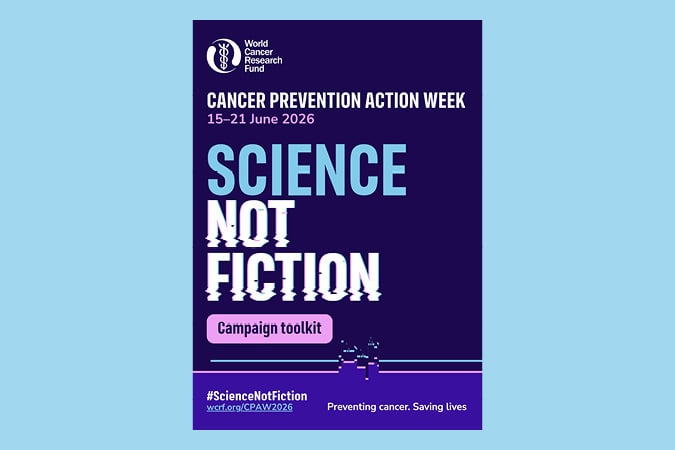
At World Cancer Research Fund, we are committed to providing clear, evidence-based information on cancer prevention and survivorship. As part of Cancer Prevention Action Week 2026, we continue to highlight Science Not Fiction – the importance of trustworthy health information and the need to tackle misinformation wherever it appears.
The full article explores these issues in greater depth and sets out why stronger collaboration across sectors is needed to protect public health and strengthen trust in evidence-based cancer information.
“We invite leaders across healthcare, public health and research to join us in ensuring that science, not fiction, shapes how cancer risk is reduced globally.”
Read Vanessa Gordon-Dseagu and Lilly Matson’s article, Cancer misinformation, social media and the need for trusted evidence, published in BMJ Leader.