
The facts about weight
This factsheet explains why being a healthy weight is good for your health and gives practical tips on eating well and staying active to achieve a healthier weight
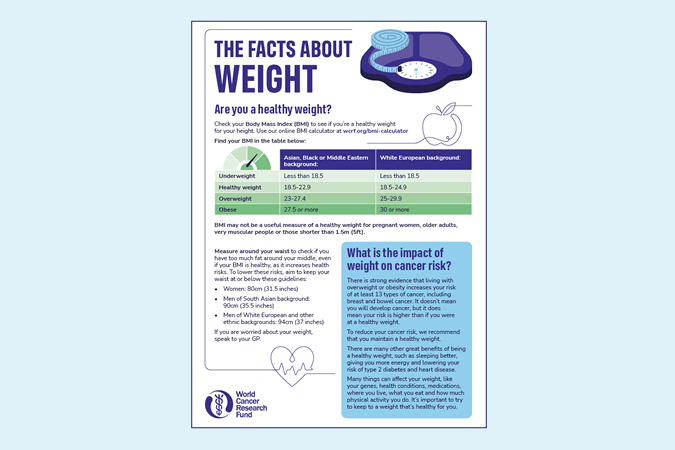
Publication review date: December 2027
Weight factsheet
One of World Cancer Research Fund’s Cancer Prevention Recommendations is to be a healthy weight. Being a healthy weight can reduce the risk of at least 13 cancers.
This factsheet explains:
- What a healthy weight is
- Why being a healthy weight is important for your health
- How to achieve a healthier weight through diet and lifestyle

Support our work
We can only offer our guides and recipe booklets for free thanks to the generosity of people like you
The facts about being physically active
This factsheet explains how being more active can help reduce your risk of cancer
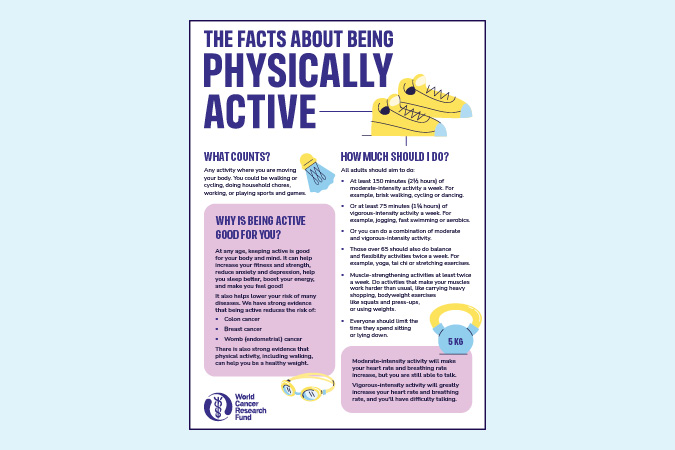
Publication review date: December 2026
Physical activity factsheet
One of World Cancer Research Fund’s Cancer Prevention Recommendations is to be physically active.
This factsheet explains:
- Why exercising is good for your health
- How much exercise you should aim for and what counts
- Tips on getting more active in your daily life
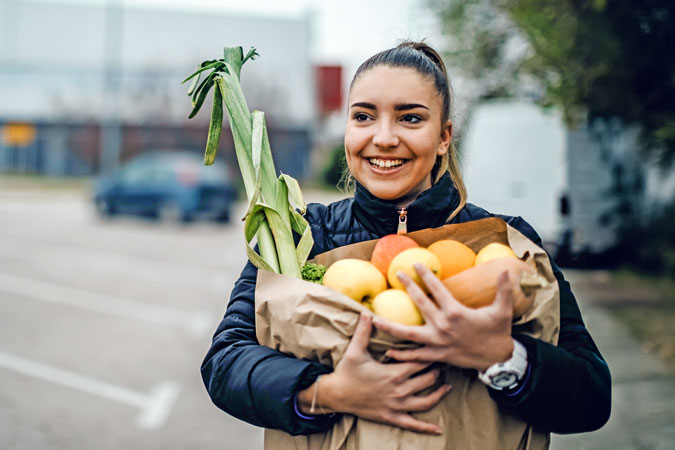
What’s your cancer risk?
Answer a few simple questions to find out if your lifestyle is making you attractive to cancer
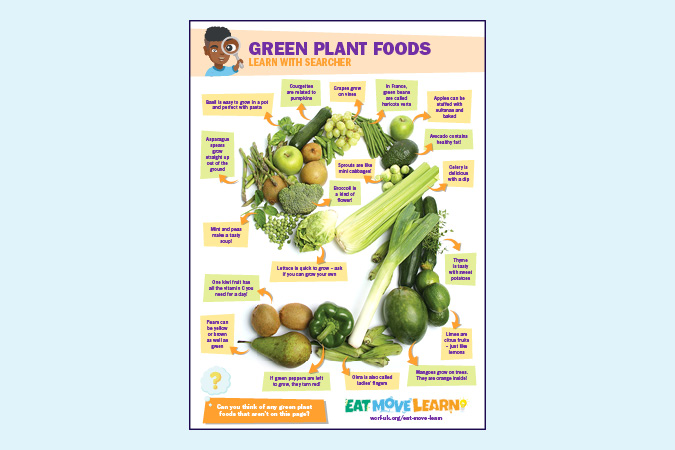
Green plant foods
Stick up our factsheet at home or at school and be inspired to eat more green food, from okra to grapes.
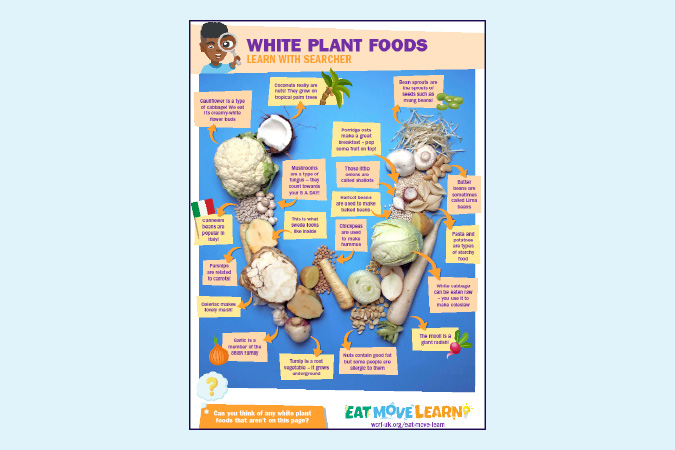
White plant foods
Stick up our factsheet at home or at school and be inspired to eat more white food, from butterbeans to celeriac.
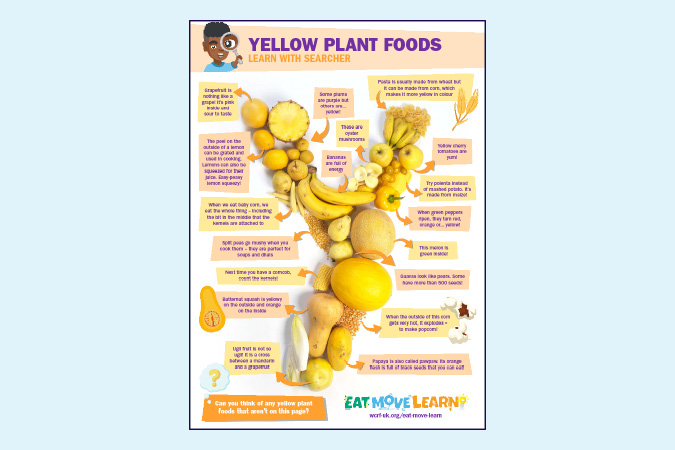
Yellow plant foods
Stick up our factsheet at home or at school and be inspired to eat more red food, from corn on the cob to polenta.
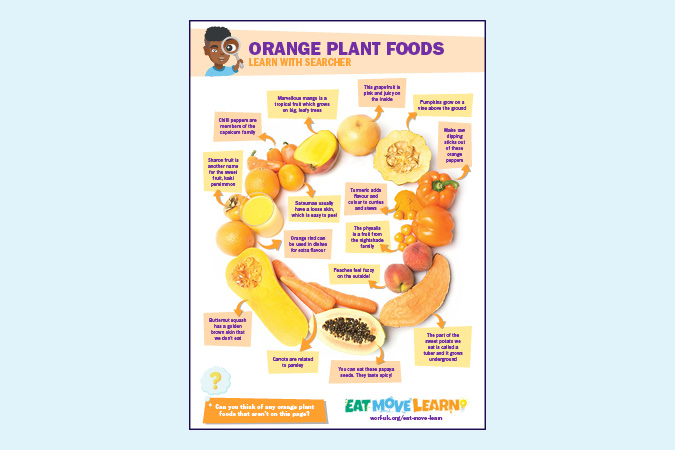
Orange plant foods
Stick up our factsheet at home or at school and be inspired to eat more orange food, from physalis to peppers.
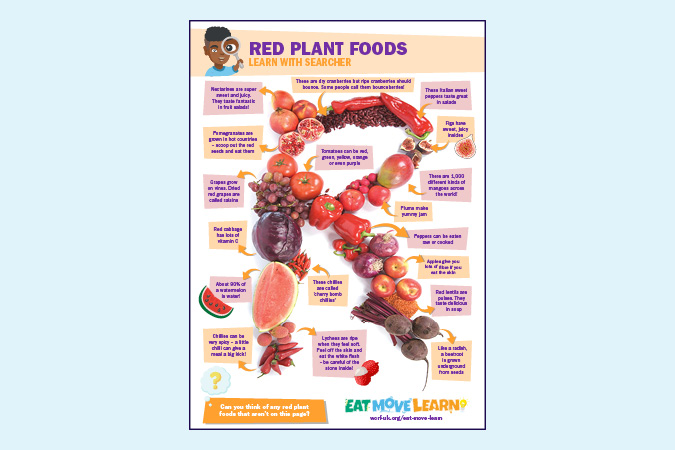
Red plant foods factsheet
Stick up our factsheet at home or at school and be inspired to eat more red food, from plums to pomegranate seeds.
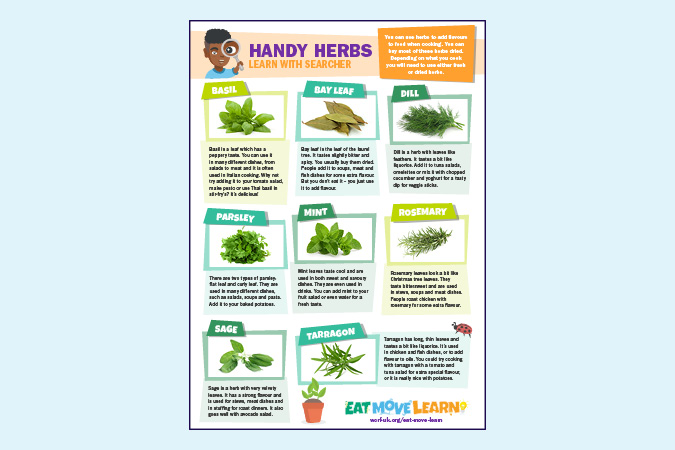
Handy herbs factsheet
Find out all about herbs, which are very useful plants you use to add flavour to food when cooking.
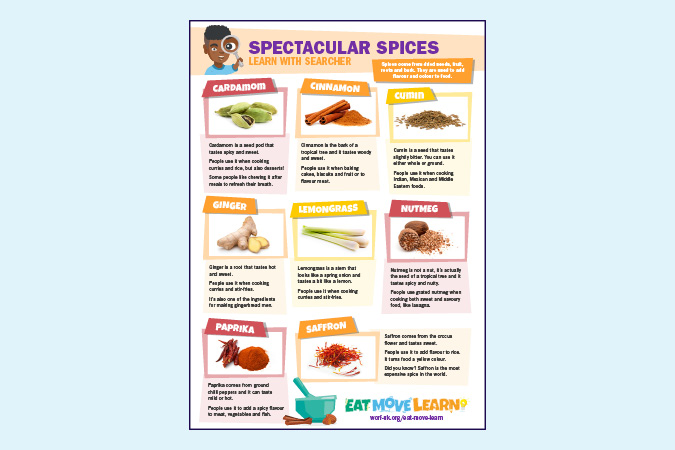
Spectacular spices factsheet
Find out about the spices used in cooking all over the world to add flavour to dishes. Plus visit Eat Move Learn to check out our spice challenge!
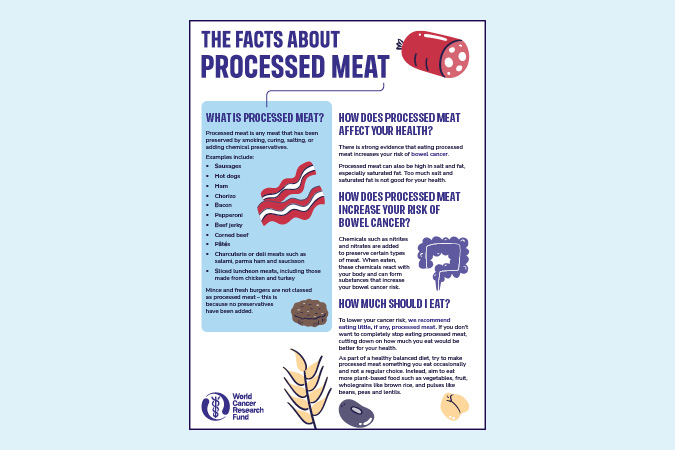
The facts about processed meat
This factsheet explains how reducing how much processed meat you eat can help reduce cancer risk
Publication review date: March 2026
Processed meat factsheet
One of World Cancer Research Fund’s Cancer Prevention Recommendations is to eat little or no processed meat, as there is strong evidence that eating too much increases the risk of bowel cancer.
This factsheet explains:
- What processed meat is
- The link between processed meat and cancer
- Practical tips to help you cut down on processed meat
Support our work
We can only offer our guides and recipe booklets for free thanks to the generosity of people like you
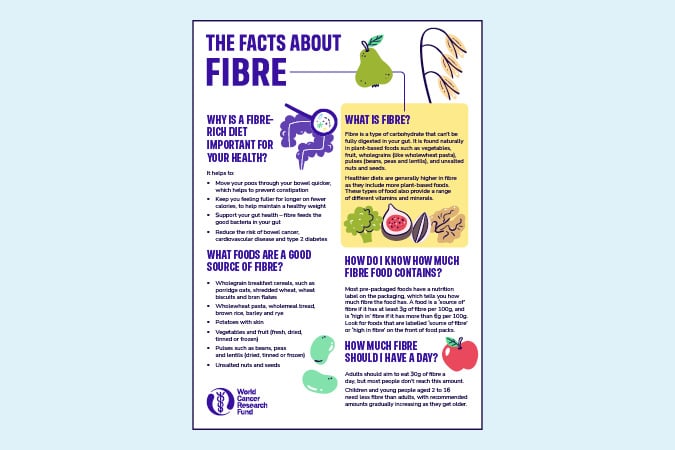
The facts about fibre
Our fibre factsheet explains the importance of fibre for your health and how to get more in your diet.
Publication date: November 2025
Next review date: November 2028
Fibre factsheet
Eating more fibre is one of the best ways to improve your health and can help reduce the risk of cancer. But what exactly is fibre and why is it so important?
This factsheet explains:
- What fibre is
- Why a fibre-rich diet is important for your health
- How much fibre you should eat each day
- What foods are a good source of fibre
- How to get more fibre in your diet
Support our work
We can only offer our guides and recipe booklets for free thanks to the generosity of people like you
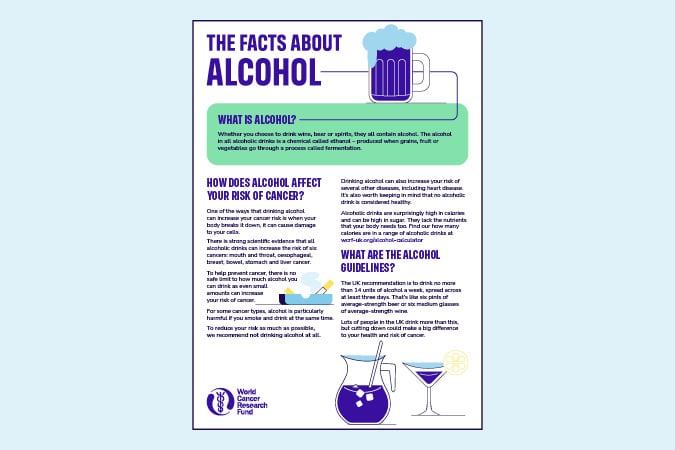
The facts about alcohol
This factsheet explains how limiting how much alcohol you drink can help reduce your risk of cancer
Publication date: July 2023
Next review date: July 2026
Alcohol factsheet
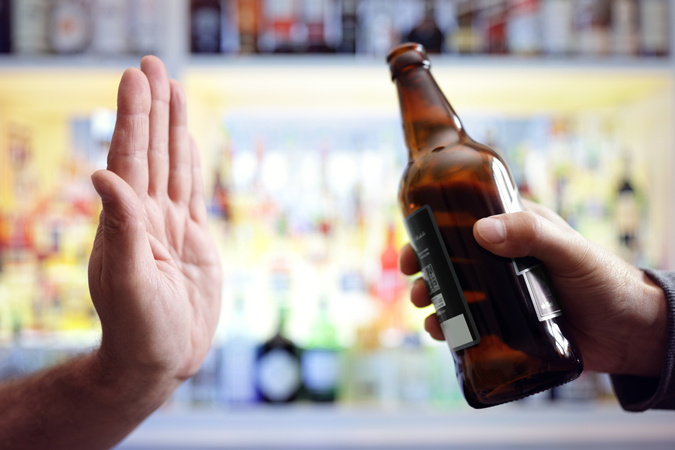
One of World Cancer Research Fund’s Cancer Prevention Recommendations is to limit how much alcohol you drink, as there is strong scientific evidence that drinking alcohol increases the risk of 7 cancers.
This factsheet explains:
- What alcohol is
- Why you should be drinking less alcohol to support your health
- Tips on how to cut down on how much alcohol you drink
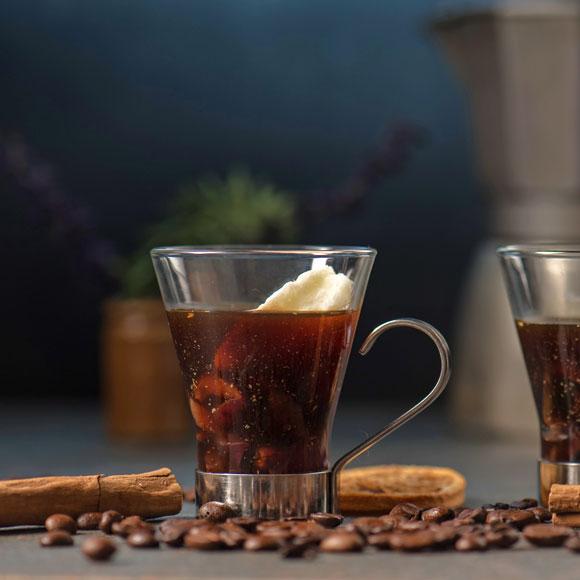
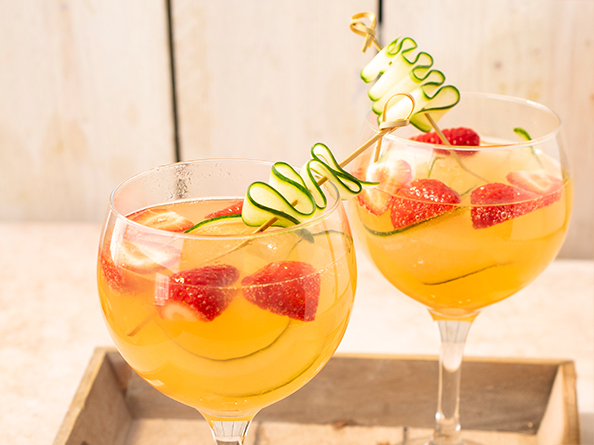
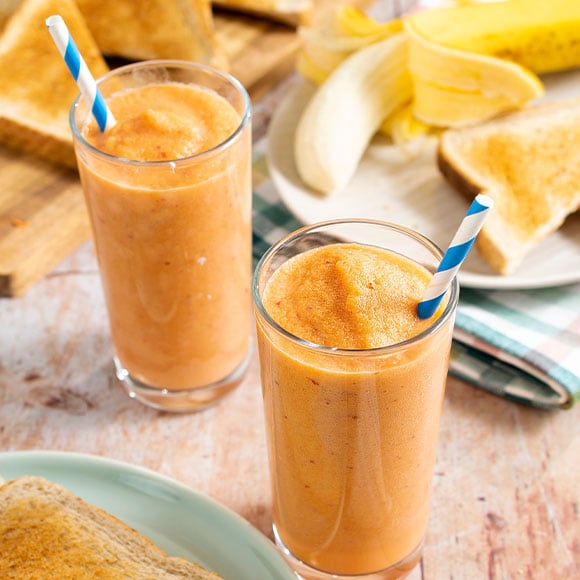
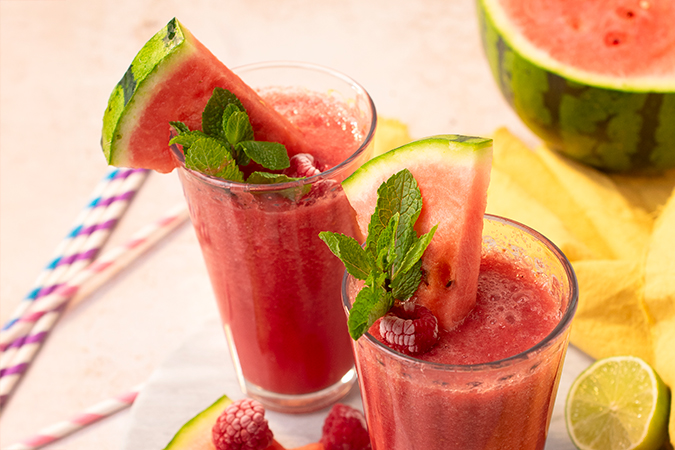
Try one of our non-alcoholic drinks
More about alcohol

Support our work
We can only offer our guides and recipe booklets for free thanks to the generosity of people like you