
Fibre, wholegrains and cancer
Eating plenty of fibre can help protect your health and cancer risk. Find out more about the link between fibre and cancer.

On this page
What is fibre?
Fibre is a type of carbohydrate that can’t be fully digested in your gut. It’s found in plant foods such as fruit, vegetables, nuts, seeds, wholegrains (like brown rice) and pulses (like beans, chickpeas and lentils).
In the UK, it is recommended to eat 30g of fibre every day.
What are the benefits of eating fibre?
Fibre can help to:
- move poo through your gut more easily
- keep you feeling full so you don’t need to eat as much
- keep your gut healthy by feeding the good bacteria inside it
- reduce your risk of bowel cancer, heart disease and type 2 diabetes
There are different types of fibre and most plant foods have a mix of them. Eating a variety of plant foods helps you get all the benefits.
What are wholegrains?
A grain is a small, hard seed from plants like wheat, rice or corn that people grow for food. Grains are used in many meals and are made into foods like bread, pasta and breakfast cereals.
Wholegrains are unrefined and keep all parts of the grain seed. This means they provide fibre, protein, vitamins and minerals.
Examples of wholegrains include:
- oats
- brown and wild rice
- barley
- bulgur
- quinoa
- spelt
- rye
- whole wheat
How do I know if a food is wholegrain?
Wholegrain foods are often brown, but not always. Check the name for words like “wholemeal”, “wholewheat” or “wholegrain”. When buying grains like barley or quinoa, look for them in their whole form.
Common wholegrain foods you can find in the supermarket:
- Wholemeal (brown) bread, wraps, pittas and chapattis
- Wholegrain breakfast cereals such as shredded wheat, wheat biscuits or bran flakes
- Wholewheat (brown) pasta and noodles
- Wholemeal flour
- Brown and wild rice
- Quinoa, barley, bulgur and spelt
- Rye bread and crackers
- Oats (including porridge) and oatcakes
What is the link between fibre, wholegrains and cancer?
Research from World Cancer Research Fund shows that eating plenty of fibre-rich foods, including wholegrains, lowers the risk of bowel cancer.
Our research also shows that eating high-fibre foods protects against weight gain, overweight and obesity, which are linked to at least 13 types of cancer.
Because of this, we recommend that you make wholegrains, fruit, vegetables and pulses a main part of your daily diet.
Free resources for you
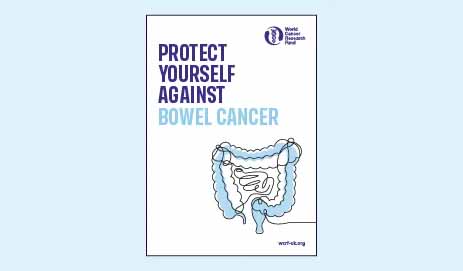
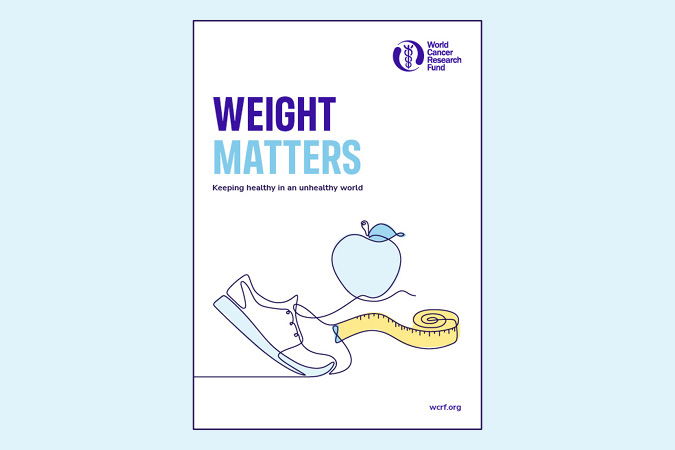
We have lots of resources to inspire you to eat more fibre and wholegrains, and help reduce your risk of bowel cancer.

What’s the science behind fibre and cancer?
Fibre helps lower the risk of bowel cancer. It makes stools softer and easier to pass, so harmful substances spend less time in the bowel.
Fibre also feeds the good bacteria in the gut, which supports bowel health.
Eating plenty of fibre can help reduce insulin resistance (when your body’s cells don’t respond properly to insulin, and this can lead to high blood sugar levels) and supports a healthy weight.
What’s the science behind wholegrains and cancer?
Wholegrains contain fibre, vitamins, minerals and natural plant compounds. Together, these nutrients help protect against cancer, with fibre playing a key role.
Aflatoxins and cancer
Aflatoxins are harmful chemicals made by moulds that can grow on grains, such as maize, in warm and damp conditions.
Strong evidence shows that eating foods contaminated with aflatoxins can increase the risk of liver cancer.
Food safety rules in the UK limit aflatoxins to help protect health. You can also reduce risk by storing grains in a cool, dry place and checking for mould, unusual colours or smells. Throw away any food that shows signs of mould.
Living with cancer
After a cancer diagnosis, try follow our Cancer Prevention Recommendations if you can.
Fibre and wholegrains can provide your body with a range of beneficial nutrients. However, speak to your cancer care team before making any changes to your diet.
This helps make sure you still get enough energy, protein, vitamins and minerals to support your recovery.
How can I eat more fibre and wholegrains?
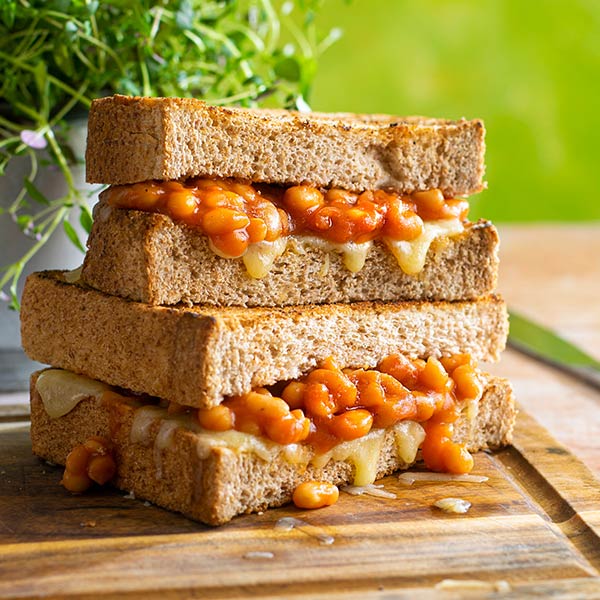
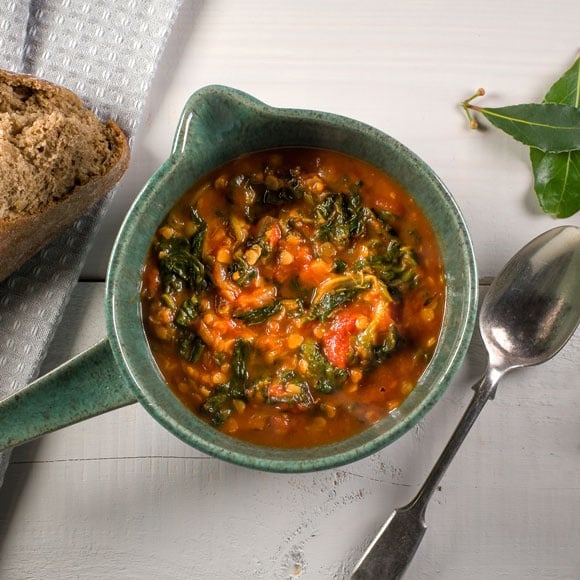
Our cookbooks and recipes site are filled with recipes that use a variety of different wholegrains, fruit, vegetables and pulses.
1. Swap white for wholegrain
Replace white flour, bread, rice and pasta with wholegrain versions.
2. Choose wholegrain breakfast cereals
Start your day with wholegrain breakfast cereals. For an extra fibre boost, add fresh or dried fruit, unsalted nuts or seeds.
3. Eat more fruit and veg
Eat at least 5 portions of different fruit and vegetables every day.
4. Add vegetables and pulses to meals
Include vegetables, beans, lentils or chickpeas in stews, curries, sauces, soups and salads.
5. Keep the skin on
Where possible, leave the skin on fruit, vegetables and potatoes.
6. Choose healthy snacks
Opt for fresh fruit, vegetable sticks with reduced-fat houmous, rye crackers or oatcakes with low-fat soft cheese, a handful of unsalted nuts or plain popcorn.
Example daily plan to get 30g of fibre
| Meal | Suggestion | Fibre (g) |
|---|---|---|
| Breakfast | 2 1/2 tablespoons bran flakes with semi-skimmed milk | 5.4 |
| 1 small handful of nuts | 1.7 | |
| 1 medium banana | 1.1 | |
| Lunch | Two slices wholemeal bread | 5.2 |
| Small tin tuna | ||
| 1 cereal bowl of salad: lettuce, red onion, cucumber and tomato | 1.7 | |
| Dinner | A medium baked potato with skin | 5.7 |
| Half tin no added sugar and salt baked beans | 11.8 | |
| A small pot of plain yoghurt | ||
| 1 medium apple | 1.2 | |
| Total fibre: 33g |
Browse our recipes
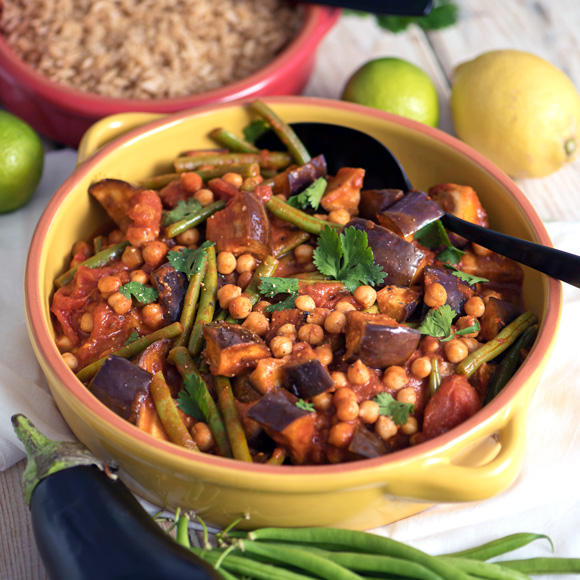
Our recipes have lots of fruit, vegetables, wholegrains and pulses that can help you get plenty of fibre in your diet.
Page last reviewed: June 2026
Next review: June 2029
-
References
- World Cancer Research Fund/ American Institute for Cancer Research. Wholegrains, vegetables and fruit and the risk of cancer [Internet]. 2018. Available from: https://www.wcrf.org/research-policy/library/wholegrains-vegetables-and-fruit/
- World Cancer Research Fund/ American Institute for Cancer Research. Energy balance and body fatness [Internet]. 2018. Available from: https://www.wcrf.org/research-policy/library/energy-balance-and-body-fatness/
More information

Preventing cancer. Saving lives
While society continues to search for a cure, our prevention and survival work helps people to live longer, healthier lives – free from the devastating effects of cancer.