GLP-1 medications and cancer
Interest in the use of GLP-1 medications for weight loss is growing rapidly. Learn what they are, what the current evidence says and where research is heading.

On this page
GLP-1 medications (GLP-1s) have attracted significant attention in recent years. Originally developed to treat type 2 diabetes, GLP-1s – such as semaglutide, liraglutide and tirzepatide – are increasingly being used for weight loss.
With excess body weight increasing the risk of at least 13 cancers and as more people use these medications to manage overweight and obesity, many are asking what GLP-1s could mean for cancer prevention and for people living with and beyond cancer. For World Cancer Research Fund (WCRF), this is a critical question.
Researchers around the world are actively investigating these questions but the evidence is still emerging. We know that maintaining a healthy weight can help reduce the risk of several cancers. Studies are now exploring whether GLP-1s could also have a role in cancer prevention and survivorship as well as assessing what their long-term impact may be.
Find out what GLP-1s are, why they’re relevant to cancer and what the current evidence says. As research continues to evolve, this information will be updated to reflect the latest evidence.
What are GLP-1s?
Glucagon-like peptide-1 (GLP-1) is a natural hormone released by the gut that helps regulate blood glucose and appetite. GLP-1 medications mimic or enhance the natural GLP-1 hormone, helping you feel fuller for longer and reducing your appetite. They also slow down how quickly food moves through your stomach, which can help you eat less and lose weight.
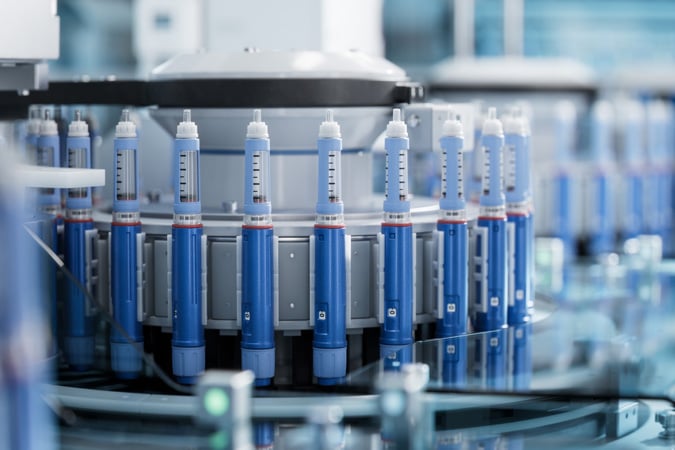
GLP-1 medications can help people living with overweight and obesity manage their weight. They can also be used to help people with type 2 diabetes control their blood sugar levels. Common examples include semaglutide, tirzepatide and liraglutide. Brand names include Ozempic, Wegovy, Mounjaro and Saxenda.
Semaglutide: GLP-1 receptor agonist
| Brand name | How it is taken | What it may be prescribed for in the UK |
|---|---|---|
| Ozempic | Injection | Type 2 diabetes |
| Rybelsus | Tablet | Type 2 diabetes |
| Wegovy | Injection or tablet | Weight management for adults who meet specific clinical criteria |
Liraglutide: GLP-1 receptor agonist
| Brand name | How it is taken | What it may be prescribed for in the UK |
|---|---|---|
| Saxenda | Injection | Weight management for adults who meet specific clinical criteria |
| Diavic | Injection | Type 2 diabetes |
| Zegluxen | Injection | Type 2 diabetes |
Tirzepatide: Acts on GLP-1 and GIP pathways
| Brand name | How it is taken | What it may be prescribed for in the UK |
|---|---|---|
| Mounjaro | Injection | Type 2 diabetes and weight management for adults who meet specific clinical criteria |
Orforglipron: GLP-1 receptor agonist
| Brand name | How it is taken | What it may be prescribed for in the UK |
|---|---|---|
| Foundayo | Tablet | Type 2 diabetes and weight management for adults who meet specific clinical criteria |
These medications are prescription-only. Although they are licensed for these uses, they may not always be available on the NHS. Access may vary depending on local services and clinical eligibility.
These medications are prescribed as part of a treatment plan that includes healthy lifestyle changes, such as eating a healthy, balanced diet and being physically active. They are not suitable for everyone, so treatment should always be discussed with a qualified health professional like a GP.
Why are people asking about GLP-1s and cancer?
Maintaining a healthy weight is one of the most important ways to help reduce the risk of cancer. We know that too much body fat increases the risk of at least 13 types of cancer, which is why ‘be a healthy weight’ is one of our Cancer Prevention ecommendations.
Because GLP-1 medications can help people lose weight, researchers are exploring whether they could also have an impact on cancer risk. At the same time, scientists are studying their long-term safety and whether they have any direct effects on cancer beyond weight loss.
As interest in these medications continues to grow, so does the amount of research being carried out to better understand their potential role in cancer prevention and for people living with and beyond cancer.
What does the evidence currently say?
Research into GLP-1 medications and cancer is developing rapidly, but there are still important questions to answer. Current evidence shows that these medications can be effective in the management of obesity and type 2 diabetes, and maintaining a healthy weight is linked to a lower risk of several cancers.
Researchers are now investigating whether the health benefits seen with GLP-1s could also influence cancer risk, as well as looking at their potential role for people living with and beyond cancer. Some of the key questions that need to be answered include:
- How do these medications affect outcomes and treatment in people living with and beyond cancer?
- What are the potential risks of these medications for people living with and beyond cancer?
- How do effects differ between medications, people and cancer types?
For more information, see our position statement.
At present, there isn’t enough evidence to draw firm conclusions about the relationship between GLP-1 medications and cancer prevention, treatment or survivorship.
If you’re living with or beyond cancer and are considering GLP-1 medications, speak to your healthcare team who can advise you based on your individual circumstances. As more high-quality studies are completed, our understanding will continue to evolve.
Find out more about our work on GLP-1s and cancer, which is happening across the World Cancer Research Fund network of charities, including the American Institute for Cancer Research (AICR) in the US and the Wereld Kanker Onderzoek Fonds (WKOF) in the Netherlands:
Position statement: GLP-1-related weight loss medications and cancer
Explore our position statement examining access to GLP-1 medications, health inequalities and the opportunities and challenges for cancer prevention.
Looking after your health
Healthy lifestyle habits are important for your overall health, to lower your risk of cancer and for people living with and beyond cancer. Healthy habits may be especially important for people taking GLP-1 medications as they can help support nutrition, muscle strength and long-term health.
1. Eat well and stay hydrated
Eat a healthy, balanced diet with a variety of foods, including:
- Fibre-rich foods, such as fruit, vegetables, wholegrains (like brown rice), pulses (like beans and chickpeas) and unsalted nuts. These provide important vitamins and minerals and can support gut health.
- Protein foods, such as beans, lentils, fish, eggs, chicken, yoghurt and tofu. Eating enough protein, particularly alongside doing exercises that strengthen your muscles (see more below), may help you maintain muscle while losing weight.
- Calcium-rich foods, such as yoghurt, milk, cheese, calcium-fortified dairy alternatives and calcium-set tofu. These can help support bone health.
Drink 6-8 glasses of water a day.
If you don’t have much of an appetite, or side effects make it hard for you to eat, choose smaller meals and snacks throughout the day. Choose foods that give you important nutrients, such as vitamins, minerals (like calcium), fibre and protein.
2. Move more and build strength
Aim for 20-30 minutes of moderate-intensity activity a day, such as brisk walking, or 10-15 minutes of vigorous-intensity activity a day, such as fast cycling, or a mix of both.
Include strength-building activities on at least 2 days a week, such as resistance exercises, carrying shopping, gardening, yoga or Pilates. Doing exercises that strengthen your muscles may help you maintain muscle while losing weight.
If you are not active at the moment, start slowly and build up gradually. Any movement is better than none.
3. Other advice to reduce your cancer risk
Limit alcohol, sugary drinks, red and processed meat, and foods high in fat, salt and sugar (like crisps and chocolate).
Avoid smoking and keep safe in the sun.
For more support
Speak to a qualified health professional such as a doctor, nurse or dietitian if side effects or poor appetite do not improve or make it hard to eat, drink or stay active.
Our dedicated GLP-1s and cancer resource

Stay informed
Research into GLP-1 medications is moving quickly. Over the coming months, we’ll be expanding our website to cover the latest research, expert insights, policy developments and answers to frequently asked questions about GLP-1s and cancer.
Sign up to hear when new content is published or check back soon to explore the latest updates.