Browse all our research grants
Can dietary fibre improve the gut bacteria response to immunotherapy in melanoma?
This study aims to enhance immunotherapy in patients with advanced melanoma by supplementing diet with extra dietary fibre
What role does thyroid hormone metabolism play in liver cancer development?
We aim to assess relationships between blood thyroid hormone levels and risk of hepatocellular carcinoma, and explore underlying mechanistic pathways
Lifetime overweight and obesity: impact on cancer survival
This study investigated the exact relationship between obesity and cancer survival
More on oesophageal cancer
Greater food variety could cut risk of gastrointestinal cancers
Risk of cancers including bowel, colon and stomach could be reduced by having a wide variety of food species in our diets
Is exercise helpful after oesophageal cancer surgery?
We’re investigating the effect of exercise on quality of life in patients after surgery for oesophageal cancer
Investigating major risk factors of oesophageal cancer in north-eastern Iran
This study will help clarify whether poor diet and hot beverage consumption are important risk factors
More on oesophageal cancer
Should you pop the kettle on?
Paul Brennan, one of our researchers, investigates whether drinking hot tea increases the risk of oesophageal cancer
Less survivable cancers and what can be done about them
Just 6 cancer types are responsible for almost half of cancer deaths in the UK. So why do they get less research funding?
Drinking hot tea – what are the cancer risks?
WCRF-funded research has gained new insights on oesophageal cancer risk factors in north-east Iran
Latest research-related news and blogs
High soy intake in early-life linked to lower breast density
New findings suggest that soy consumption during childhood and adolescence is associated with lower breast density in adulthood, a predictor of lower breast cancer risk.
Staying active after cancer: why the first year may need more support
New research involved participants wearing an activity monitor to provide a picture of movement, sitting and sleep across everyday life.
Are colon cancer subtypes linked to a greater risk of recurrence – and could diet be relevant?
A particular colon cancer subtype, imCMS4, was linked to the highest risk of recurrence, and a more ‘pro-inflammatory’ diet was associated with greater recurrence risk in this same subgroup.

Latest research-related news and blogs
High soy intake in early-life linked to lower breast density
New findings suggest that soy consumption during childhood and adolescence is associated with lower breast density in adulthood, a predictor of lower breast cancer risk.
Staying active after cancer: why the first year may need more support
New research involved participants wearing an activity monitor to provide a picture of movement, sitting and sleep across everyday life.
Are colon cancer subtypes linked to a greater risk of recurrence – and could diet be relevant?
A particular colon cancer subtype, imCMS4, was linked to the highest risk of recurrence, and a more ‘pro-inflammatory’ diet was associated with greater recurrence risk in this same subgroup.
Latest research-based news and blogs
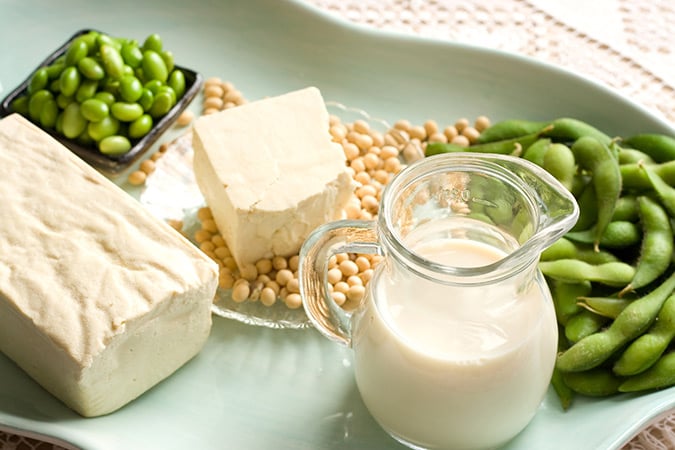
High soy intake in early-life linked to lower breast density
New findings suggest that soy consumption during childhood and adolescence is associated with lower breast density in adulthood, a predictor of lower breast cancer risk.
Staying active after cancer: why the first year may need more support
New research involved participants wearing an activity monitor to provide a picture of movement, sitting and sleep across everyday life.
Are colon cancer subtypes linked to a greater risk of recurrence – and could diet be relevant?
A particular colon cancer subtype, imCMS4, was linked to the highest risk of recurrence, and a more ‘pro-inflammatory’ diet was associated with greater recurrence risk in this same subgroup.