
Grant title: DIET2TREAT: A randomised controlled trial of adjunct ketogenic diet versus the anti-cancer diet for newly diagnosed glioblastoma
Institution: Monash University
Grant awarded: September 2026
Funded by: Wereld Kanker Onderzoek Fonds
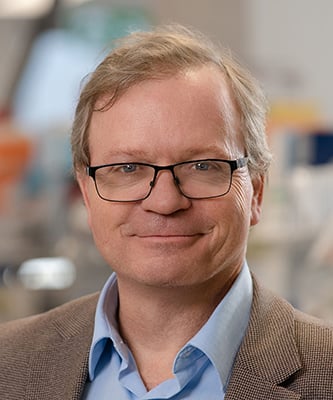
We are deeply grateful to receive this grant from Wereld Kanker Onderzoek Fonds to support this critical research. Glioblastoma is an aggressive brain cancer for which effective treatments are urgently needed. Ketogenic diet therapy represents a promising approach, and this funding enables us to evaluate its potential in a robust clinical trial, bringing together an international team of doctors, dietitians, and researchers.Professor Terence O’Brien
Background
Glioblastoma is a rare but devastating brain cancer. Sadly, the majority of people diagnosed with this form of cancer will die within five years of diagnosis. Brain cancer also causes a number of physical, cognitive and psychological side effects. There is an urgent need to find new treatments to improve quality of life and overall survival for people with glioblastoma.
Cancer cells are “addicted” to sugar to survive. New research suggests that restricting sugar availability to cancer cells might stop cancer growth. The ketogenic diet is a high-fat, low-carbohydrate diet that has been used in the treatment of epilepsy for more than a century. It restricts sugar, while still providing the rest of the brain and body with fuel from ketones (substances the body can use for energy when carbohydrate intake is low). We are undertaking a clinical trial to evaluate whether a ketogenic diet, added to standard treatment, can improve survival in people with newly diagnosed glioblastoma.
Aims and objectives
We will investigate whether 18 weeks of ketogenic diet treatment compared to a standard healthy diet can improve the chances of survival 18 months after treatment. We will also evaluate the impact of ketogenic diet treatment compared to the standard anti-cancer diet on quality of life, tumour growth, cognition, physical activity, sleep, and healthcare costs.
How it will be done
We will enrol 40 people in Australia, contributing to a total of 170 people with newly diagnosed glioblastoma worldwide. Participants will be randomly allocated to either the low-carbohydrate, high-fat ketogenic diet or the standard anti-cancer diet for 18 weeks. Participants will be supported by dietitians, study coordinators and doctors throughout the trial. All participants will receive standard of care treatment for glioblastoma, including chemoradiotherapy followed by monthly medication (temozolomide) for 12 months. The main outcome of the trial will be whether survival improves in either group, 18 months after treatment.
Potential impact
Due to the poor outcomes for people diagnosed with glioblastoma, they often pursue treatments that do not have sufficient research to support their use. This research will help to answer the question as to whether the ketogenic diet can improve survival in people with newly diagnosed glioblastoma. This will help inform guidelines used by doctors when recommending treatment. If it is found that the ketogenic diet improves the outcomes of brain cancer, this treatment could be rapidly made available worldwide.
Scientific novelty
This randomised controlled trial is the first of its kind to directly compare a ketogenic diet with a standard healthy diet in people with newly diagnosed glioblastoma. While some research suggests that restricting sugar to brain tumours may slow cancer growth, this has never been tested in a rigorous international clinical trial. It addresses the urgent gap between people using the ketogenic diet and the lack of research, and will guide doctors on whether to recommend or discourage its use.