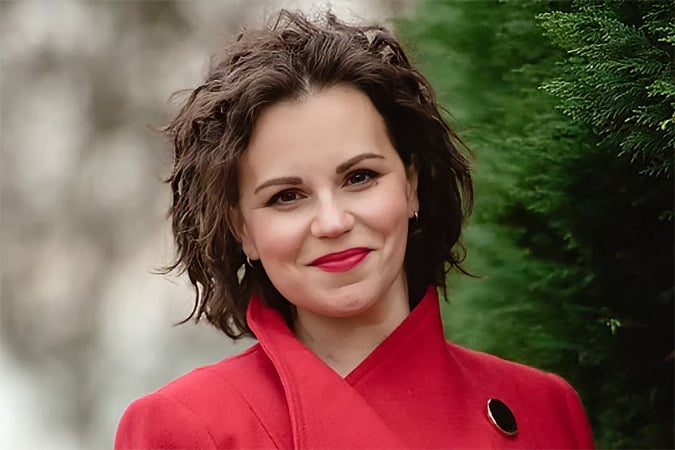
Misinformation is putting lives at risk, warns Dr Philippa Kaye
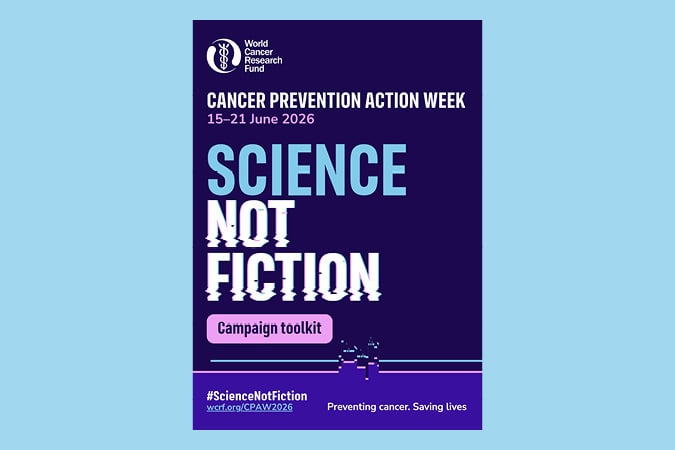
This week, World Cancer Research Fund released new findings showing that 44% of patient-facing NHS staff encounter inaccurate or misleading information about nutrition and supplements at least once per week.
I am part of the 44%. Every week in my GP surgery, I see the consequences of health misinformation.
My patients arrive clutching newspaper stories, social media screenshots, printouts from wellness websites or saved videos from TikTok.
They are not reckless people, quite the opposite. They want better support for their treatment and to regain a sense of control.
Why “natural” doesn’t always mean safe
What worries me is not one miracle pill or herbal supplement. It’s the widely held belief that if something is sold over the counter, marked as “natural” or endorsed online, then it must automatically be safe. As doctors, we know that simply is not true.
Indeed, the full research for the action week shows that 42% of UK adults trust the health claims of products if they are legally sold in the UK.
There is also the dangerous assumption that “natural” means harmless, while prescribed medicines are somehow toxic. As I explain to patients, many of the medicines we rely on today originated from plants.
Nature can heal, but it can harm too. Doses matter, interactions matter and most of all, evidence matters.
Why health misinformation thrives online
In the digital age, separating evidence-based advice from misinformation has become extraordinarily difficult. We are bombarded with persuasive health claims, “life-changing” testimonials and confident voices that insist they have discovered what doctors do not want you to know.
I am incredibly cautious when someone is trying to sell certainty, especially when pushing a product.
Good doctors and other healthcare professionals do not make promises. We weigh up evidence, discuss risks and acknowledge the unknowns. Anyone claiming to hold “secret cures” or hidden truths should be approached with caution.
Because there is science and then there is science distorted, cherry-picked or stripped of context to put a price tag on hope.
Why false hope can be so powerful
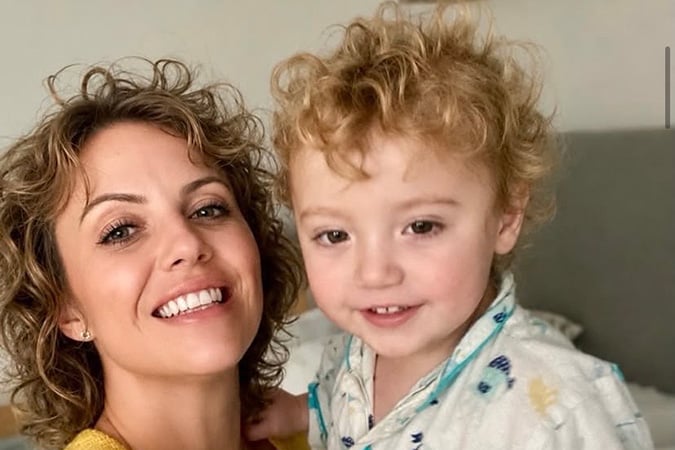
This hope is a powerful currency. I know it not only as a doctor, but as a cancer patient myself.
When I was diagnosed with bowel cancer in my late thirties, I truly understood what vulnerability feels like. I would have done anything to get better, stay better and be with my children for longer.
People prey on this vulnerability.
The risks with supplements
As doctors, we talk about the importance of lifestyle factors because they matter: physical activity, diet, sleep, alcohol, weight. If I could prescribe exercise on the green prescription slip, I would.
On the contrary, the desire to improve our health can sometimes make us susceptible to oversimplified solutions or misleading claims. I have witnessed patients taking supplements that interfere with prescribed medication, or herbal remedies causing severe side effects on the skin and liver.
This is why it is so important to discuss any supplements, vitamins or alternative remedies with a healthcare professional.
You should never feel embarrassed about raising these conversations with your doctor. In my consultations, I want to make it as clear as possible: we are on the same team, and we both want you to get better.
Why questions are a good thing
No doctor knows everything; my patients teach me things every day. I have huge respect for informed for informed, curious people who ask questions and want to know more about their health.
In fact, I would trust a doctor who says “I don’t know, but let me find out” 100 times over one that claims to know all the answers.
How to spot health misinformation
When health information feels overwhelming or confusing, there are three simple steps you can take:
1. Pause before believing dramatic claims
Be sceptical of quick fixes, miracle cures and claims that sound too good to be true.
Take extra care if someone is selling a product alongside their advice.
2. Use trusted, evidence-based sources
Look for information from reputable organisations like World Cancer Research Fund.
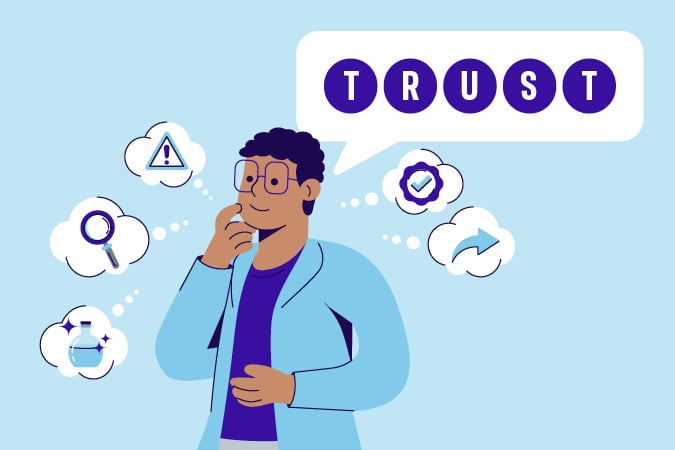
They have developed a practical tool, called the TRUST Test, to help people assess health information before it causes harm.
3. Speak to a healthcare professional
You do not always have to speak to your GP.
Pharmacists, for example, are a valuable and accessible source of advice when it comes to medicine, supplements and the potential interactions between them.
Looking to a better future
Social media and the internet has transformed access to health information. At its best, it empowers people. At its worst, it leaves people vulnerable to exploitation, confusion and harm.
Good healthcare should never begin with fear or false promises. It should be built on honesty, evidence and trust.