
This could help many people stay healthy, as there are 3 million vegetarians in the UK and interest is growing in many parts of the world.
The research, led by scientists at Oxford Population Health’s Cancer Epidemiology Unit, pooled data from more than 1.8 million people across three continents through the Cancer Risk in Vegetarians Consortium – the largest ever study of non-meat diets and cancer risk.
They compared the risk of 17 different cancers across five diet groups: meat eaters, poultry eaters (do not eat red or processed meat), pescatarians (fish eaters), vegetarians (eat dairy and/or eggs), and vegans.
Compared with meat eaters, vegetarians had:
- 21% lower risk of pancreatic cancer
- 9% lower risk of breast cancer
- 12% lower risk of prostate cancer
- 28% lower risk of kidney cancer
- 31% lower risk of multiple myeloma.
However, vegetarians had:
- Nearly double the risk of squamous cell carcinoma of the oesophagus.
Tim Key
Dietary patterns that prioritise fruit, vegetables, and fibre-containing foods, and avoid processed meat, are recommended to reduce cancer risk. Our study helps to shed light on the benefits and risks associated with vegetarian diets.
Aurora Perez Cornago,
The higher risk of oesophageal squamous cell carcinoma in vegetarians and bowel cancer in vegans may relate to lower intakes of certain nutrients more abundant in animal foods. Additional research is needed to understand what is driving the differences in cancer risk found in our study
Dr Helen Croker
The results suggest non-meat diets are linked to lower risks for some cancers, though not all, highlighting important differences between cancer types and the role of different dietary patterns. To increase your overall protection from cancer, our advice is to build meals around wholegrains, pulses, fruit and vegetables, and avoid processed meat and limit red meat.
Yashvee Dunneram
Among the 72,000 vegetarians and vegans included in our study, the numbers of cases for some cancers were small, which limits the certainty of some findings. Moreover, nutrient intakes and overall diet quality vary substantially within and between vegetarian populations. Our next challenge is to collect more data on vegan diets and more data from other parts of the world.
There were no statistically-significant differences in risk for colorectal, stomach, liver, lung (in never smokers), endometrial, ovarian, mouth and pharynx, or bladder cancers, or non-Hodgkin lymphoma, leukaemia, and oesophageal adenocarcinoma in vegetarians.
Vegans had a statistically significant higher risk of colorectal (bowel) cancer when compared with meat eaters. For the other cancers studied, there was no evidence that risk in vegans differed from meat eaters, and for some less common cancers there were too few vegan cases to analyse. Further studies are needed to confirm these results in the vegan population.
Pescatarians had lower risks of breast and kidney cancers, as well as a lower risk of bowel cancer. Poultry eaters were found to have a lower risk of prostate cancer.
The full findings were published on 27 February 2026 in the British Journal of Cancer.
Latest news and blogs
World Cancer Research Fund’s Executive Director of Research and Policy, Dr Giota Mitrou, said: “On International Childhood Cancer Day, it is heartening to see global attention focused on the children and young people, and their loved ones, whose lives are changed by cancer.
We are proud to support studies that help us better understand how nutrition, physical activity and other lifestyle factors influence both risk and survivorship, and to ensure that childhood cancer remains firmly on the health agenda.
Each year, over 400,000 children and adolescents are diagnosed with cancer.
The rate of survival depends on the region. Children and young people with cancer have an 80% chance of survival in most High-Income Countries, but this drops to as low as 20% in Low- and Middle-Income Countries.
International Childhood Cancer Day is held on the 15 February each year. Childhood cancer affects individuals and families all year round, but the day itself provides a moment for us to raise awareness and develop a deeper understanding of the unique issues and challenges faced by those whose lives are touched by childhood cancer.
It also spotlights the need for more equitable and better access to treatment and care for all children with cancer, everywhere.
The World Health Organization (WHO) Global Childhood Cancer Initiative has a goal of increasing the survival rate of children with cancer to at least 60% by 2030, while reducing the suffering and improving the quality of life for all children living with cancer.
This goal can be achieved by increasing capacity to provide quality services for children with cancer around the world, and by prioritising childhood cancer at global, regional and national levels.
The recently-published National Cancer Plan for England places renewed emphasis on improving the nutritional care of children and young people undergoing cancer treatment, recognising that good nutrition is fundamental to treatment tolerance, recovery, and long‑term survival.
This focus on nutrition highlights the wider need for sustained research into childhood cancer that will strengthen our knowledge of how early‑life exposures, diet, physical activity, and environment shape both risk and survivorship.
Across the World Cancer Research Fund (WCRF) network of charities, we are funding studies that explore these factors and their impact on the lives of children and young people affected by cancer.
Using AI chatbots to support families of children with cancer
Dr Micah Skeens was funded by World Cancer Research Fund to test an AI powered chatbot called DAPHNE, designed to identify and manage the social and emotional needs of families caring for a child with cancer.
The research team found that the tool had high usability, and positive feedback from caregivers suggest that it can be an important resource is supporting families. By integrating AI technology into cancer care, it has the potential to revolutionise the identification and management of social needs in paediatric oncology.
Studying Burkitt lymphoma among children in sub-Saharan Africa
Dr Rita Khoueiry is funded by Wereld Kanker Onderzoek Fonds (WKOF) – our network charity in the Netherlands – to understand whether exposure to mycotoxins and infection with Epstein-Barr virus put children at risk of Burkitt lymphoma.
The research is exploring how in-utero and early-life exposure to mycotoxins (toxic compounds produced by fungi) may contribute, in combination with viruses and parasites, to the development of diseases such as Burkitt lymphoma, the most common childhood cancer in sub-Saharan Africa.
Understanding this relationship will set the foundation for developing new prevention strategies to protect at risk children.
Since food contamination with mycotoxins is expected to increase due to climate change, the results are of growing interest worldwide.
The FITco study: Can nutrition and exercise give children with cancer a better chance of survival?
Professor Wim Tissing and Dr Dieuwertje Kok are leading on FITco – a unique long-term study looking at body composition, nutritional intake and exercise in children with cancer.
The FITco study, launched in May 2025, is run by the Princess Máxima Center and Wageningen University & Research, and funded by WKOF.
FITco will follow 500 children newly diagnosed with cancer, tracking their diet, physical activity, and body composition. By understanding how these factors influence treatment, side‑effects, and long‑term health, the team aims to identify better ways to support children during and after cancer therapy.
With strong international collaborations, this research has the potential to shape global standards of supportive care in paediatric oncology.
Real-time tracking of environments and well‑being in young adults with cancer
Dr Katie Darabos is being funded by the American Institute for Cancer Research (AICR) to assess how aspects of the lived environment, and the movement of young adult cancer survivors, influences health behaviours.
Using GPS technology and real‑time surveys, Dr Darabos and team hope to understand how the environments young adults move through each day influence their stress levels, health behaviours, and overall well‑being.
By identifying the types of neighbourhoods or daily settings that increase stress or make healthy choices harder, this research will help pinpoint potential high‑risk environments.
The long‑term impact is significant – it could enable the development of targeted, mobile‑based interventions that support young cancer survivors exactly when and where they need it most.
Smart scans, stronger futures: AI and body composition in paediatric cancer survivorship
Funded by AICR, Dr Paul Yi is developing an AI‑powered tool to analyse routine CT scans and uncover how changes in body composition, such as muscle and fat levels, relate to treatment outcomes in children with cancer.
Right now, it is challenging to predict which survivors of childhood cancer will face serious health impacts down the line.
By revealing patterns that clinicians may not otherwise detect, the insights from this work could transform ongoing survivorship care. This research has the potential to help cancer survivors achieve better long-term health, reduce serious complications that often arise years later, and improve their quality of life.
Diet and exercise to improve treatment outcomes in B‑cell acute lymphoblastic leukaemia
Obesity contributes to the risk for developing acute lymphoblastic leukaemia. It is also known to increase the chance of chemotherapy being less effective and the disease returning in those being treated for it.
Dr Etan Orgel is testing whether targeted diet and physical activity interventions can reduce obesity risk during treatment for B‑cell acute lymphoblastic leukaemia.
This study, funded by AICR, has the potential to identify practical, evidence‑based strategies that make chemotherapy more effective and improve survival outcomes for children and adolescents living with this common childhood cancer.
Digital technologies to understand and improve physical activity in adolescents and young adults
Dr Lisa Schwartz is using innovative tools, including wearable activity monitors and real‑time surveys, to understand the daily factors that influence physical activity in adolescents and young adults with cancer.
By capturing the barriers that prevent young people from being active, this AICR funded research could pave the way for personalised interventions that help them overcome these challenges.
Ultimately, the aim of this research is to assist adolescents and young adults undergoing cancer treatment to be more physically active, which may ease their treatment symptoms and improve their mood and quality of life.
Best known for his viral comedy sketches and no-nonsense ‘Mum’ character, Richard is encouraging his fans to swap laughter for legwork in support of breast cancer research.
The social media star is supporting the challenge in memory of his mum, who sadly lost her life to cancer in 2014. Richard said:
Comedy is about bringing people together, and this challenge is no different. Cancer affects so many of us, either personally or through someone we love. I’m supporting this campaign for everyone whose lives have been impacted by this devastating disease.
Through his involvement, Richard hopes to inspire his followers and beyond to embrace healthier lifestyles that reduce cancer risk, while also fundraising for life-changing research.
In February, Richard will release a video featuring his ‘Mum’ character – showing support for the charity and encouraging fans and fellow creators to donate, share, and get involved with World Cancer Research Fund.
Reflecting on his much-loved character, Richard shared:
My mum was quite a character herself! She’s the inspiration behind ‘Mum’, and I’m proud to honour her memory in this way.
Funds raised from the challenge will be used to support the CANDO project – a five-year research programme at the University of Southampton exploring how body composition affects breast cancer treatment outcomes and side effects.
Ultimately, this research hopes to find kinder, more effective treatments for breast cancer patients.
Rachael Hutson, CEO at World Cancer Research Fund, commented:
On social media, he’s the ‘mum’ you should listen to and laugh along with! So, who better to raise awareness of cancer prevention and the importance of research in this area? We’re incredibly pleased that Richard is supporting this challenge. Around four in ten cancers are preventable, and with the help of Richard and everyone who donates, we’re taking important steps to reduce that risk.
You can follow Richard on TikTok at @richardfrankscomedy, and find out how to get involved with the challenge below:
More about Richard
Richard Franks is a comedian and writer who rose to prominence on TikTok and Instagram through short-form comedy videos, building an online community of over 1.3 million followers.
He is best known for his popular “Mum” sketches, portraying a sharp-witted, no-nonsense mother navigating everyday life.
Originally from High Wycombe and raised in Folkestone, Richard Franks began honing his comedy craft in 2011, before expanding his reach to social media in August 2020 with the launch of his channel @richardfrankscomedy.
Find out more about Richard: His work | Follow him on Instagram
We commend the UK Government for setting out an ambitious 10-year strategy with a strong focus on survival, innovation, and patient experience.
Yet the Plan misses a chance to put prevention front and centre, with stronger alcohol policy, breastfeeding protection, and a dedicated focus on the modifiable risk factors that drive cancer
A bold ambition on survival and care
We particularly welcome the Government’s bold target that 75% of people diagnosed with cancer from 2035 will be cancer-free or living well five years after diagnosis – a genuine step change in ambition. The Plan’s emphasis on earlier diagnosis, reducing emergency presentations, expanding evidence-based screening, and improving access to innovative treatments has the potential to deliver meaningful improvements for patients across England.
We also welcome commitments to improve patient experience and outcomes, including personalised care, better coordination, and stronger accountability for delivery through a reformed National Cancer Board.
Progress on prevention – but a missed opportunity to go further
We welcome the Plan’s commitments on cancer prevention, including action to crack down on the illegal use of sunbeds and harmful UV exposure, progress towards a smoke-free generation, and expanded access to HPV vaccination as part of the ambition to eliminate cervical cancer. These are important, evidence-based interventions that will prevent cancers and reduce future pressure on the health system.
However, prevention deserves greater prominence. New global evidence shows that up to four in ten cancers worldwide are linked to preventable causes. Tackling the lifestyle and environmental factors that increase cancer risk is one of the most effective and affordable ways to prevent cancer in the long term.
Crucially, modifiable risk factors are not evenly distributed. Tobacco use, harmful alcohol consumption, unhealthy diets and obesity disproportionately affect people in lower socio-economic groups, driving stark and persistent inequalities in cancer incidence, survival and mortality. Strong, population-level prevention policies are therefore essential not only to reduce cancer overall, but to narrow health inequalities and ensure the benefits of progress are shared fairly.
We believe the Plan would have benefitted from a dedicated chapter on prevention, helping to drive a necessary mindset shift and embed the principle that diet, alcohol, and breastfeeding policies are cancer policies.
Action on alcohol and breastfeeding is lacking
The Plan does not expansively build on the wider prevention measures announced in the Government’s 10 Year Health Plan, particularly in relation to alcohol policy. Alcohol remains a leading avoidable cause of cancer, yet the Plan does not commit to minimum unit pricing (MUP) or restrictions on alcohol advertising and marketing, including where it reaches children and young people – among the most effective and evidence-based tools for reducing population-level alcohol harm and cancer risk.
We also note the absence of strengthened action to protect breastfeeding, including full compliance with the International Code of Marketing of Breast-milk Substitutes. Breastfeeding reduces cancer risk for mothers and improves long-term health outcomes for children, and stronger implementation of the Code should form part of a comprehensive, life-course approach to cancer prevention.
Partnerships with food manufacturers must also be approached with caution, given past experience of policy dilution. Where voluntary approaches fall short, Government must not shy away from mandatory measures. Strong governance, transparency, and protection from undue commercial influence are essential to ensure prevention policies deliver for public health.
Biomedical innovation matters but it is not enough
We are pleased to see the Plan’s commitment to biomedical prevention, including continued rollout of the HPV vaccine, trials of preventative vaccines such as LungVax, and plans to accelerate uptake of GLP-1 medicines for those who clinically need them. These innovations are hugely important and represent real progress in reducing cancer risk and improving outcomes.
But vaccines and medicines alone are not sufficient. We must also tackle the environments that make us sick. We cannot continue to treat people only to send them back to the same food, alcohol, and physical environments that drove ill health in the first place. Population-level prevention policies remain essential to reducing cancer incidence at scale.
Crucially, prevention is not only about avoiding diagnosis. It also supports survival and quality of life, contributing directly to living well with and beyond cancer. Good nutrition, physical activity, and maintaining a healthy weight are fundamental to recovery, rehabilitation, and long-term wellbeing. Prevention and survivorship are not competing priorities – they are mutually reinforcing.
Digital innovation as a driver of prevention
We welcome the ambition to harness digital innovation through the NHS App. By 2028, the App will allow patients to manage screening invitations, appointments, treatment plans, and prehabilitation, with personalised prevention advice drawing on genomic, lifestyle, and wearable data.
This creates a major opportunity to establish the NHS App as a trusted, accessible source of cancer prevention information, supporting people to understand and act on behaviours that can influence cancer risk over their lifetime. We would welcome the opportunity to contribute evidence-based, tried and tested prevention resources, developed and evaluated for public audiences, to support this ambition and ensure alignment with the best available science.
Prehabilitation, rehabilitation and supportive oncology
We strongly welcome the Plan’s focus on prehabilitation, rehabilitation, and supportive oncology, including dietary and physical activity advice, psychological support, and acute oncology for those with more complex needs. The evidence is clear: these interventions improve treatment tolerance, recovery, and long-term outcomes. We believe the ambition should be for these services to be available to all patients, where appropriate, as standard.
Research and the cancer workforce
Research and the cancer workforce will be central to delivering the Plan’s ambitions. While we acknowledge the focus on accelerating clinical research and innovation, there is a clear opportunity to strengthen investment in cancer prevention research, including implementation research on modifiable risk factors. Healthcare professionals must also be supported with the time, training, and tools to deliver prevention, behaviour change, and survivorship support alongside treatment.
Children and young people
We welcome the Plan’s commitment to improving nutrition for children and young people undergoing cancer treatment in acute settings. Good nutrition is fundamental to treatment tolerance, recovery, and survival. We hope this approach will be extended to all patients, and that public procurement across health settings consistently meets the highest nutritional and sustainability standards through the upcoming NHS food standards review.
Matching survival ambition with prevention action
We welcome the ambition and scope of the National Cancer Plan. The integration of prehabilitation, rehabilitation, supportive oncology, digital innovation, and prevention advice into the cancer pathway is a significant step forward.
However, there remains a missed opportunity to embed prevention at the heart of the Plan, through stronger alcohol policy, breastfeeding protection, and a dedicated focus on the modifiable risk factors that drive cancer incidence.
A Plan that matches its ambition on survival with bold, population-level prevention action will reduce cancer incidence, improve outcomes, and deliver a financially sustainable cancer strategy for generations to come.
We stand ready to work with Government, healthcare professionals, and partners to help make this ambition a reality.
More policy-related news and blogs

It has long been established that junk food advertising drives consumption of unhealthy food and drink, shaping preferences from a young age and contributing to overweight and obesity.
The strength of the evidence base is perhaps best corroborated by the enormous advertising budgets of unhealthy food and drink companies. If advertising didn’t pay off, why would Coca-Cola allocate a whopping $5 billion to their worldwide advertising budget in 2024?
Restricting junk food advertising is therefore a powerful and proven public health measure. Yet, most recently, you may have seen measured responses from public health advocates in the UK, including World Cancer Research Fund, upon the introduction of long-awaited junk food advertising restrictions in January 2026.
Marketing regulations can underdeliver
The bottom line is that whilst the UK’s restrictions mark a step forward in protecting children’s health at a time when obesity rates continue to rise, they have been weakened and delayed by industry influence – most notably through the introduction of a sweeping brand exemption. This significantly undermines the policy in two key ways. First, it allows brands that are synonymous with foods high in fat, salt and sugar (HFSS) to continue being advertised – think the famous Golden Arches. Second, the lack of brand restrictions enables companies to promote entire HFSS product ranges, just not individual products. Ultimately this preserves brand visibility and influence while circumventing the spirit of the regulations.
The brand exemption is not the only weakness of the advertising restrictions. Work on this policy began as far back as 2018, and in the years since, the marketing landscape has evolved dramatically. Simply put, the regulations are not a match for the rapidly changing marketing landscape. For example, direct marketing channels, such as email and text messaging, remain unchecked, allowing unhealthy food and drink companies to continue targeting consumers.
The unseen cost of delays and dilution
The unfortunate tale of industry influence is not unique to the UK. Globally, efforts to curb the scourge of junk food on society are denied, diluted, derailed and delayed by industry.
Marketing restrictions are difficult to get over the line. In the UK, the policy was subject to five separate consultations and four delays to its rollout. That is an immense amount of government time, effort and resources. Moreover, the burden it places on the public health sector, which often operate under capacity constraints, must be acknowledged.
We also need to recognise that obesity, a key risk factor for cancer, is linked to deprivation. In many countries, those living in the most deprived areas are more likely to be living with obesity compared to those in the most affluent communities. Delays or failures to implement effective policies therefore disproportionately impact those who are already most vulnerable.
Industry opposition at full throttle
The resistance we see to advertising restrictions can partly be explained by the fact that marketing is not a peripheral commercial function. Instead, it sits at the very core of food and drink businesses, playing a pivotal role in building brand value, customer loyalty and long-term profitability.
Marketing restrictions are also unusually visible. Unlike reformulation targets or nutrient thresholds, which operate largely behind the scenes, advertising bans are immediately noticeable. They can also be drawn into wider debates around personal responsibility, censorship and creativity – making the more contested and politically charged. They tend to hit a nerve.
Recognition of these issues is not a justification for inaction. The reality is that companies by their very nature are required to innovate, and they can do so in a way that supports public health rather than undermining it.
Action must go beyond the status quo
Let’s be clear, no one is suggesting that junk food marketing restrictions alone will solve the obesity crisis. However, the version we’ve seen introduced in the UK will most certainly underdeliver, especially given the restrictions don’t sit within a broader framework of measures designed to improve the nation’s diet yet. Countries in Latin America, including Chile and Mexico, have taken more holistic approaches which embed marketing restrictions within a wider set of measures including mandatory warning labels and robust school food standards
But when governments introduce policies that appear ambitious on paper but lack the strength to deliver in practice, they risk entrenching the status quo while giving the impression of action. This pattern is not unique to food. Similar delays and dilutions are seen across alcohol, gambling and other health-harming industries, where commercial interests routinely take priority over public health.
Ultimately, the question is not what needs to be done, but what governments are willing to do to protect public health.
Related news and blogs
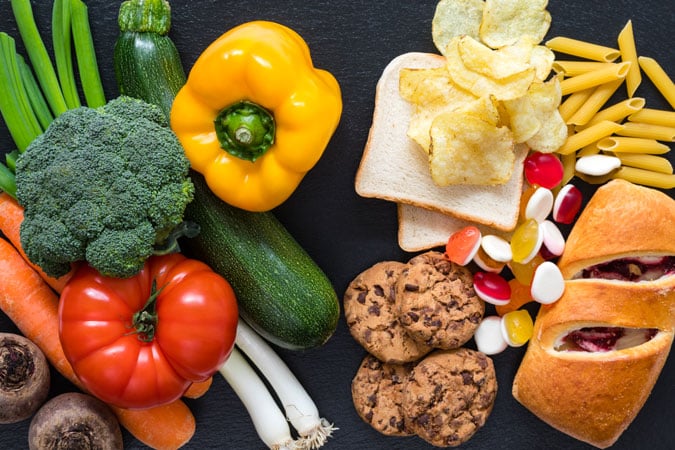

Today the UK Government published a long-awaited update to the Nutrient Profile Model (NPM) – a quiet but powerful public health tool that is central to cancer prevention and tackling diet-related diseases.
NPMs are used to assess how healthy foods are, classifying products as healthier or less healthy (often referred to as HFSS – high in fat, salt and sugar). While no system is perfect, the NPM is critical because it underpins food policy, determining which products are captured by regulation and which are allowed to escape it.
The UK’s existing junk food advertising and promotion restrictions are still based on the 2004 NPM. This means the effectiveness of these policies depends entirely on a model developed more than 20 years ago.
A robust, evidence-based NPM is essential to prevent unhealthy products continuing to fall through regulatory gaps. Since the original model was developed, the science on diet and health has moved on.
Obesity firmly established as major driver of cancer
In particular, evidence linking unhealthy diets, overweight and obesity, and cancer risk has grown substantially. Obesity is now firmly established as a major driver of cancer and one of the leading preventable causes of the disease in the UK and globally. If food policy is to meaningfully improve diets and reduce obesity-related cancer risk, it must be built on a credible, up-to-date NPM.
Importantly, the updated NPM will better reflect recommendations from the independent Scientific Advisory Committee on Nutrition (SACN) on free sugars and fibre, ensuring policy aligns with current scientific guidance.
We therefore warmly welcome today’s publication of the revised NPM, first consulted on in 2018. This is an important step forward. However, the updated NPM is not yet applied in policy.
The Government has committed to holding a public consultation in 2026 on applying the 2018 NPM to advertising and promotion restrictions. We stand ready to work with the UK Government at this next stage to ensure the NPM delivers real progress for cancer prevention and overall public health.
More policy-related news and blogs
World Cancer Research Fund – part of the World Cancer Research Fund network – welcomes many of the recommendations in the new US Dietary Guidelines for Americans that support healthier diets and reduce the burden of diet-related disease.
When it comes to cancer prevention, we have some concerns with the guidelines relating to alcohol and red and processed meat.
The strong emphasis on healthy dietary patterns, including increased consumption of fruits, vegetables and wholegrains, is very helpful – as are the recommendations to limit highly processed foods and products high in added sugars. The clear inclusion of plant-source protein foods – such as beans, lentils, nuts, seeds and soy – is also positive.
The guidance to drink mainly water and to avoid sugar-sweetened beverages and consume less alcohol is helpful, as we know there is no safe level of drinking alcohol when it comes to cancer prevention. Finally, we strongly welcome support for breastfeeding.
These Guidelines help to translate evidence into clear public advice and shape future policies. However, from a cancer prevention perspective, the Guidelines’ increased emphasis on animal-source proteins, and particularly the emphasis on red meat, is at odds with the scientific evidence linking higher intakes of red and processed meat to increased cancer risk.
Similarly, the promotion of whole-fat dairy raises concerns, given the potential contribution to excess weight gain. In light of such issues, we remain committed to informing the public with authoritative advice, which we develop based on the latest scientific evidence from leading researchers worldwide.
Below is a more detailed summary of the what the Guidelines mean for cancer prevention.
Important takeaways from the guidance
- Clear guidance is provided to prioritise whole foods and limit highly processed products, including advice to avoid salty and sweet packaged snacks and to favour nutrient-dense, home-prepared meals. This approach is closely aligned with our emphasis on limiting fast foods and processed foods high in fat, starches and sugars, and on reducing overall dietary energy density as a pathway to achieving a healthier body weight and lowering cancer risk.
- The Guidelines strengthen the stance on added sugars and sugar-sweetened beverages, including explicit recommendations to limit consumption of sugar-sweetened drinks and to limit added sugars at meals. This aligns well with our evidence of sugar intake as a contributor to excess weight gain and poorer overall diet quality.
- Plant foods remain important to the guidance, with daily targets for fruit and vegetable intake and a clear recommendation to prioritise fibre-rich whole grains. This maps directly onto our emphasis on dietary and lifestyle patterns and core cancer prevention recommendations.
- Breastfeeding is explicitly encouraged, with guidance to breastfeed exclusively for the first six months and to continue breastfeeding for two years or beyond. This is consistent with our recommendation that mothers breastfeed where possible and complements the focus on breast cancer prevention.
Important clarifications based on our global scientific research
- The Guidelines place a strong emphasis on increasing protein intake, explicitly including red meat and setting a higher quantitative protein target.
From a cancer prevention perspective, this emphasis would benefit from clearer direction to prioritise plant-based protein sources such as tofu, beans, lentils and other legumes, as well as nuts, seeds, fish and poultry, while reiterating World Cancer Research Fund guidance to limit red meat consumption and avoid processed meat altogether. - Furthermore, the Guidelines promote protein-rich foods, in relation to meat; specifically, meat with no or limited added sugars, refined starches or chemical additives is recommended. Avoidance of processed meat aligns with our recommendation to eat little, if any, processed meat based on strong evidence of an increased risk of colorectal cancer.
- While the Guidelines prioritise fibre-rich wholegrains, they do not have significant prominence in the new ‘Real Food’ pyramid, which undermines their importance.
- The Guidelines adopt a general recommendation to consume less alcohol. For cancer prevention, it is best not to drink alcohol at all, as there is no safe threshold of consumption for cancer risk for at least seven cancer types.
- The explicit endorsement of full-fat dairy, with guidance to consume three servings per day, warrants careful interpretation given its contribution to excess weight and some variation in evidence by cancer site. Framing dairy as one possible option, rather than a central or universal recommendation, may therefore be more appropriate.
- The Guidelines’ discussion of “healthy fats” includes foods such as butter and beef tallow, while still recommending that saturated fat remain below 10% of total energy intake.
This recommendation needs careful explanation because butter and beef tallow are high in saturated fat and can affect overall energy balance. Maintenance of a healthy weight is important, as overweight and obesity increase the risk of at least 13 cancers.
Three important policy implications for the future
- Affordability and access: Achieving the dietary pattern outlined in the guidelines will require targeted policy measures to improve the availability and affordability of fresh and whole foods. At present, such diets remain out of reach for many Americans, particularly those on lower incomes. Without significant structural interventions there is a risk that the guidelines may exacerbate existing health inequalities.
- Clarity and implementation: Greater clarity is needed on how “highly processed foods” are defined within the guidelines and how this definition will be operationalised. Clear definitions are essential to inform coherent policy action, regulation, monitoring and public communication.
- Policy alignment and delivery: It remains unclear whether new or strengthened policy measures will be introduced to support the recommended dietary changes, or how these guidelines will be embedded across food, agriculture, procurement and public health policies to enable meaningful implementation. In addition, the guidelines should also consider broader factors such as sustainability and planetary health.
Explore our research
More useful information
After years of delays, a law to ban ads for unhealthy food and drink before 9pm on TV and across online platforms, will start.
Commenting on the ban, Dr Giota Mitrou, Executive Director of Research and Science at World Cancer Research Fund (WCRF) International, said:
“Marketing is a well-established driver of consumption of unhealthy foods, and children – who are the primary targets of junk food advertising by large corporations – are particularly vulnerable. These long-awaited restrictions therefore mark an important step forward in protecting children’s health.
“However, we must recognise the fact that these measures have not only been severely delayed, but also significantly weakened by broad exemptions for brand advertising.
“The scale of childhood obesity crisis demands greater and more far-reaching action. The latest data shows that 10.5% of children in Reception and 22.2% of children in Year 6 are living with obesity, with prevalence more than double in the most deprived areas compared with the least deprived.
“The UK government must expand the range of products in scope of the ban, removing brand exemptions, and extend protections to the outdoor environment. We must not let large corporations’ water down and undermine efforts to give all children the healthiest start.
World Cancer Research Fund remains committed to working with the government to address obesity, which is a cause of at least at least 13 types of cancer.”
Delay to the junk food marketing restrictions
In 2020 – as part of its Obesity Strategy – the government under Boris Johnson promised to implement a ban on products that were high in fat, salt and sugar (HFSS) online and before 9pm on TV, saying it would come into force by 2023.
However, under pressure from industry, the enforcement was delayed while a further review was undertaken.
These delays mean that today’s implementation will be three years later than originally promised, and severely weakened.
Research has demonstrated that children eat significantly more calories in a day, after watching just 5 minutes of junk food advertising.
Building Momentum report
In 2020, World Cancer Research fund produced its Building Momentum report showing the lessons of implementing robust restrictions of food and non-alcoholic beverage marketing to children
More policy-related news and blogs
Understanding the origins of bowel cancer risk
Our funded research showed greater birthweight or body size during childhood, adolescence or young adulthood was linked with higher risk of bowel cancer in later life.
It was the first CUP Global review to analyse and judge all the research examining how factors such as weight, height and body size in early life relate to our risk of bowel cancer as we get older.
Brisk walking cold reduce your cancer risk
Our funded researchers published evidence that brisk walking is linked to a lower risk of 5 cancers, including anal, liver, small intestine, thyroid, and lung.
Smaller waist or more exercise? For cancer prevention, both is best
In the world’s first study looking at the effectiveness of combining maintaining a smaller waist with staying active, we found that only doing one is not enough to lower our risk of cancer.
The study found that people not meeting World Health Organization (WHO) guidelines on waist circumference are at 11% greater risk, even if they are physically active.
And people not meeting WHO guidelines for physical exercise are at 4% greater risk, even if “abdominally lean” (i.e. they have a smaller waist). Achieving neither means a 15% greater risk.
The simple rule that cuts cancer risk by 23%
We released a first-of-its-kind study into how the number of different food types consumed, measured as Dietary Species Richness (the number of species an individual consumes per year) affects the risk of developing gastrointestinal cancer.
The study found that individuals with the most diverse diets had a 23% lower risk of developing gastrointestinal cancers compared with those with the least variety. The risk decreased by 6% for every 10 extra species per year added to their diet.
The growing need for your support
Your generous donations have enabled us to fund 19 new research grants this year, worth a total of £5 million, bringing our network’s achievements over the last 20 years to more than 200 research grants awarded and over £50m invested in research overall.
Over the past year, 13 projects came to a close, delivering inspiring new findings. These completed studies explored many ways to prevent cancer, improve treatment, and support people living with and beyond the disease. They examined how factors like body weight, nutrition, inflammation, and even sleep patterns may influence cancer risk, treatment side effects, and recovery.
Some looked at how early-life infections, obesity, and physical activity can affect cancer risk later in life, while others tested promising treatments or searched for new ways to use cancer drugs. There were also studies researching how to help people living with and beyond cancer live healthier lives, from technology-based tools and personalised vitamin D supplements to culturally tailored support for Indigenous communities and families of children with cancer.
As the number of cancer diagnoses grows worldwide, research into cancer prevention is more vital than ever. Thanks to your continuing support, we can continue to fund novel and innovative research and push the boundaries of knowledge on cancer research so that fewer people die from a preventable cancer.

The original CMA study made 11 important recommendations to bring the UK closer in line with international standards, address high formula prices and tackle inappropriate marketing practices.
Crucially, these important recommendations by the CMA also serve to ensure that breastfeeding – which protects babies against overweight and obesity, and mothers against breast cancer – is not undermined.
The long-awaited response from the UK government and four nations sets out several positive steps. It is encouraging to see commitments to make information for parent’s clearer in retail settings, clarify what constitutes advertising and give families more flexible ways to pay for formula.
These actions are welcome, but ultimately addressing excessively high formula prices remains the most equitable and impactful way to support families – especially during a cost-of-living crisis.
We also welcome the government’s intention to explore recommendations that would extend advertising restrictions to follow-on formula and require manufacturers to clearly show on product labels that all formula meets nutritional requirements and avoid vague or misleading claims.
These measures are vital to ensure parents receive clear, unbiased information in all settings and that marketing practices are fair and transparent.
However, it is disappointing that some recommendations – such as introducing standardised packaging in hospitals and establishing a pre-approval process for labels – have not been taken forward at this stage.
We are also clear that relying on voluntary action from manufacturers is unlikely to deliver meaningful change in a market dominated by a few large companies. We hope the government keeps this under review and does not shy away from mandatory measures if needed in future.
Kate Oldridge-Turner, Head of Policy and Public Affairs, said:
‘Infant nutrition is a public health priority with lifelong implications, including for cancer risk. The government’s response is a positive step forward in improving information provided to families about breast milk substitutes for those who need them. We are keen to work with government to ensure that every family has access to affordable products and services they need to ensure the best start in life for their child – and that they are protected from insidious marketing practices that skew feeding choices.’

Get the latest Policy updates
Receive the latest on our databases, publications and how we’re getting involved in cancer prevention policy around the world
Latest news and blogs
January: Setting the scene for prevention
We started the year strongly with the launch of our Policy Blueprint for Cancer Prevention, our new flagship advocacy tool outlining a clear roadmap for policymakers to curb rising cancer rates through prevention. Bringing together evidence and policy guidance across diet, weight, breastfeeding, physical activity, and alcohol, the blueprint offers practical tools and factsheets to support healthier environments and reduce inequities.
It also highlights the wider co-benefits of prevention for resilient health systems, economies, and societies. Since launch, it has been downloaded 1433 times (and is our 5th most popular download) and presented at 2 conferences.
February: Taking international nutrition policy to UK Parliament
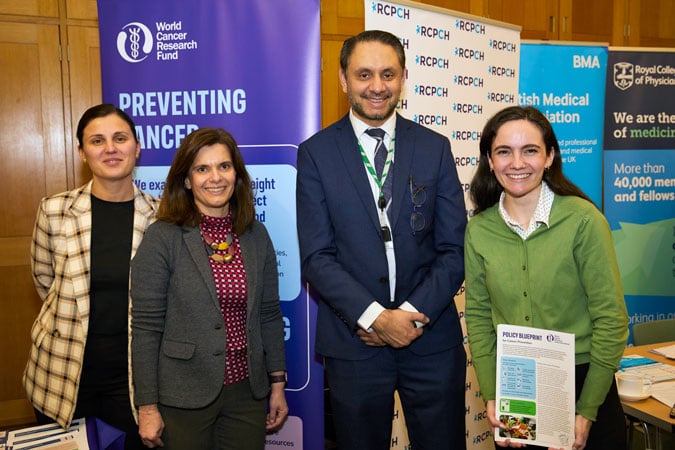
We participated in our first Obesity Health Alliance parliamentary event, meeting with the Minister for Prevention and 11 other Members of Parliament (MPs) to share our expertise in international nutrition policy.
We highlighted the link between obesity and cancer and the need for an integrated policy approach, as set out in our Policy Blueprint for Cancer Prevention.
We also shared best practice examples from other countries that the UK can learn from – critically demonstrating to MPs that it is possible for the UK to take meaningful action on obesity.
March: Welcoming new Policy Advisory Group members
Our Policy Advisory Group brings together leading policy experts from government, academia, and civil society around the world to guide WCRF’s efforts to turn evidence into action.
In March we officially welcomed four new members to the group: Dr Henry Li (UK), Dr Terry Slevin (Australia), Pubudu Sumanasekara (Sri Lanka), and Dr Si Thu Win Tin (Fiji) – expanding the group’s expertise to include more of our policy priority areas and increasing regional representation.
April: Making prevention central to England’s National Cancer Plan
Following the UK government’s World Cancer Day announcement of a new National Cancer Plan for England, we responded to the call for evidence with a clear message: prevention must be central.
Global reviews show most National Cancer Control Plans overlook prevention, and England must not repeat this mistake. Our submission therefore called for strong primary and tertiary prevention measures and bold action on modifiable risk factors such as alcohol and obesity.
Prevention remains the most sustainable and cost-effective way to reduce the growing cancer burden. We expect the National Cancer Plan for England to be published in early 2026.
May: Influencing global health for cancer prevention
In May, we attended the UN’s Multi-stakeholder Hearing in New York ahead of the 4th High-Level Meeting (HLM) on NCDs and mental health. We delivered a clear statement urging governments to prioritise cancer prevention through evidence-based, cost-effective policies.
We also launched our advocacy push around our HLM policy brief – calling for bold action on prevention, equity, and protection from industry interference – while meeting with key negotiating blocs.
We highlighted that around 40% of cancers are preventable by addressing modifiable risk factors. This engagement was a key moment in building momentum ahead of the Political Declaration negotiations later in the year.
June: Sparking a national conversation on alcohol and cancer
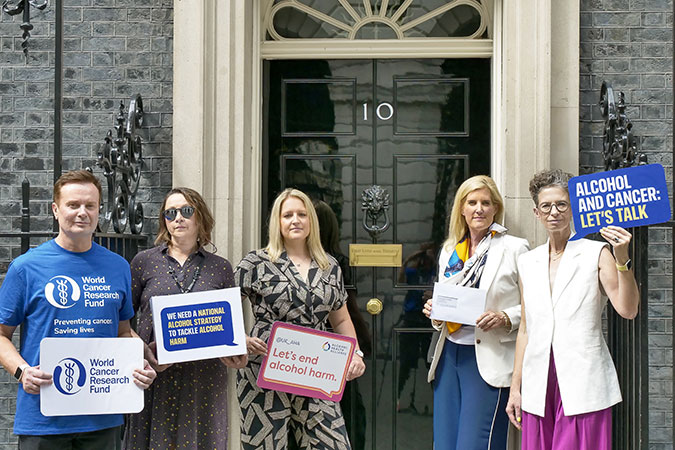
June was a highlight of our year as we marked Cancer Prevention Action Week (CPAW) in the UK, this time focusing on the little-known link between alcohol and cancer. Our bold campaign sparked a national conversation on alcohol consumption and raised awareness of the fact that it increases the risk of 7 cancers.
Working alongside more than 20 organisations and experts, we urged the government to implement a National Alcohol Strategy for England including evidenced-based policies such as minimum unit pricing, marketing restrictions and labelling.
We are thrilled that the government heeded one of our calls, with a commitment to introduce mandatory labelling.
July: Creating UK Parliamentary history
We also supported the first-ever UK Parliamentary debate on alcohol and cancer, which marked a historic moment in raising awareness of this long-overlooked cause of preventable cancer.
Led by Cat Smith MP, the cross-party discussion called for a comprehensive National Alcohol Strategy aligned with WHO ‘Best Buys’. Although the government ruled out a strategy, it did commit to mandatory alcohol labelling with health warnings and nutritional information – a welcome but partial step.
We’ve kept the pressure on alcohol policy since, with work on alcohol licensing, drink driving limits and the forthcoming consultation on labelling.
August: Presenting at the International Congress on Nutrition
We showcased our science and policy expertise on nutrition, cancer prevention and survivorship at the International Congress of Nutrition (ICN) at the end of August in Paris.
This included co-hosting a scientific symposium with Fédération Française de Nutrition (FFN) on our CUP Global Dietary and Lifestyle patterns report, as well as e-posters on our Policy Blueprint for Cancer Prevention and Policy recommendations to reduce the health impacts of alcohol.
September: Global Spotlight – UN High-Level Meeting on NCDs and Mental Health
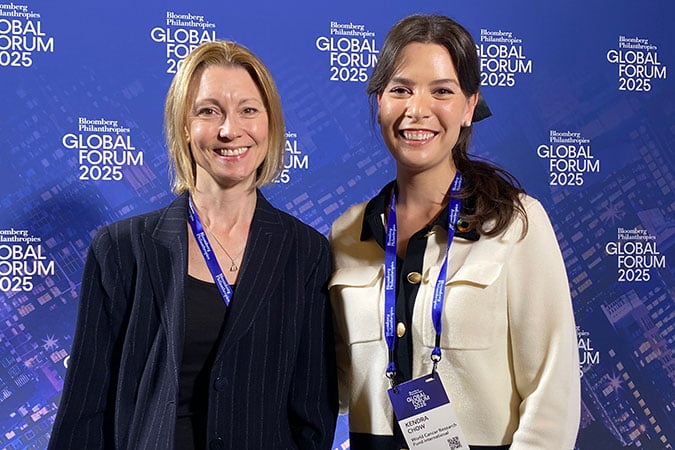
After an intense year of global health activity, the 4th UN High-Level Meeting on NCDs and mental health took place on 25 September in New York. The week was packed with NCD-focused side events and bilateral meetings, where we advocated for stronger, bolder global action on NCDs.
Although the final Political Declaration fell short on ambition for prevention, it included important recognition of cancer and the vital role of quality research. Many heads of state and ministers expressed strong national commitments to tackling NCDs and mental health and emphasised the need for urgent, bold action.
October: The 5th European Code Against Cancer
In October, the 5th edition of the European Code Against Cancer was launched, summarising the most up-to-date knowledge of the preventable causes of cancer.
It includes a set of 14 recommendations to help prevent cancer for individuals, including tobacco smoking, overweight and obesity, unhealthy diet, and lack of physical activity.
We are very proud that our research on these risk factors helped shape these 14 evidence-based recommendations.
November: Connecting with global cancer leaders
We attended the World Cancer Leaders’ Summit, strengthening global partnerships and exploring new collaboration opportunities – including with Australian research leaders and partners from Hong Kong ahead of next year’s World Cancer Congress.
We also met with IARC as they prepare for their 60th anniversary and aligned with the Union for International Cancer Control on promoting the new World Cancer Declaration.
We ended the week in Melbourne visiting Cancer Council Victoria, meeting our grant holders and PhD students – an inspiring reminder of the global partnerships that power our mission to prevent cancer worldwide.
December: Making mandatory alcohol labelling a reality
After securing a major public health victory with the UK government’s commitment to introduce mandatory alcohol labels featuring health warnings and nutritional information, the team is now consulting international partners in countries where similar measures have been considered such as Ireland, South Korea and Norway, to inform our position.
The evidence is clear: cancer warnings are particularly effective in changing consumption behaviours and can help address low awareness of alcohol’s link to cancer. Throughout 2026 and beyond, we will be working to ensure that labels are protected from industry influence and implemented at pace – this is a public health imperative.
Coming up in 2026:
- Review of NOURISHING and MOVING frameworks and databases
- Expanded policy work on breastfeeding, infant nutrition and cancer
- Greater policy focus on cancer survival and adherence to our Cancer Prevention Recommendations
- Providing policy perspectives to new CUP Global reviews and recommendations – including Ultra-processed foods
- Presence at the World Cancer Congress 2026
Read our previous annual round-ups

Get the latest Policy updates
Receive the latest on our databases, publications and how we’re getting involved in cancer prevention policy around the world
Latest news and blogs
Ahead of the Budget, the Chancellor said it would deliver on the priorities of the British people to cut waiting lists, national debt and the cost of living.
In response to the Autumn Budget 2025, Kate Oldrige Turner, Head of Policy and Public Affairs at World Cancer Research Fund said:
“Almost half of cancer cases are preventable by addressing key risk factors such as obesity and alcohol, so we are pleased to see the UK Government take concrete steps on prevention in this Autumn Budget.
“The expansion of the UK’s world-leading levy on sugar-sweetened beverages to include milk-based drinks and plant-milk alternatives, alongside lowering the sugar threshold to 4.5g per 100ml, are particularly welcome measures. This will build on the immense success of the levy, which has reduced the average sugar content of drinks sold in the UK by almost half since it was introduced. Crucially, it will drive further reformulation and ensure that more drinks sold to consumers are healthier.
“We are also relieved that the Chancellor will raise alcohol duty in line with inflation. The World Health Organization has identified alcohol duty as one of the most effective ways to tackle alcohol-related harm, including alcohol-related cancers, so we are glad to see the UK Government take this forward.
As a research funder, we would have liked to see the important contribution of the life sciences sector acknowledged in the Chancellor’s speech. Continued support and investment in research are essential to advance our understanding of cancer prevention and survivorship.
To improve public health and reduce burden on the NHS, today’s measures must be the beginning – not the end – of a bold approach to prevention. With the National Cancer Plan for England expected early next year, the UK has a crucial opportunity to put prevention at the heart of its cancer strategy.
We look forward to working with the UK government to make prevention a reality – helping millions of people live free from the devastating effects of cancer.