More breast cancer research
Body composition and chemotherapy toxicity in women with early breast cancer
Can the amount of muscle and fat in the body, and how well the cells of the body are working, predict how people respond to chemotherapy?
How cholesterol metabolism disruptions influence breast cancer development
This study examines the link between cholesterol metabolites, lifestyle factors and breast cancer risk in the European Prospective Investigation into Cancer and Nutrition (EPIC) cohort
Breast cancer: effect of yoga on endocrine-related musculoskeletal symptoms
The aim of this study is to assess the effect of yoga in women with a breast cancer diagnosis who suffer from joint pain and stiffness caused by hormone therapy.
More breast cancer research
Do vegetarian diets lower cancer risk?
This research found that vegetarians had a reduced risk of cancers of the gastrointestinal tract
How does exercise improve cancer-related fatigue in patients with advanced breast cancer?
This study investigates how tailored exercise reduces fatigue and improves quality of life in patients with advanced breast cancer.
How short-term fasting can improve chemotherapy in breast cancer patients
We’re funding a new research project to enhance our understanding of how short-term fasting-mimicking diets enhance the effects of chemotherapy
More breast cancer research
Breast cancer: effect of yoga on endocrine-related musculoskeletal symptoms
The aim of this study is to assess the effect of yoga in women with a breast cancer diagnosis who suffer from joint pain and stiffness caused by hormone therapy.
Folic acid intake and breast cancer risk
Our findings, funded by WCRF, support epidemiological studies that suggest a U-shaped relationship between folate and cancer risk
How cholesterol metabolism disruptions influence breast cancer development
This study examines the link between cholesterol metabolites, lifestyle factors and breast cancer risk in the European Prospective Investigation into Cancer and Nutrition (EPIC) cohort
Latest news and blogs
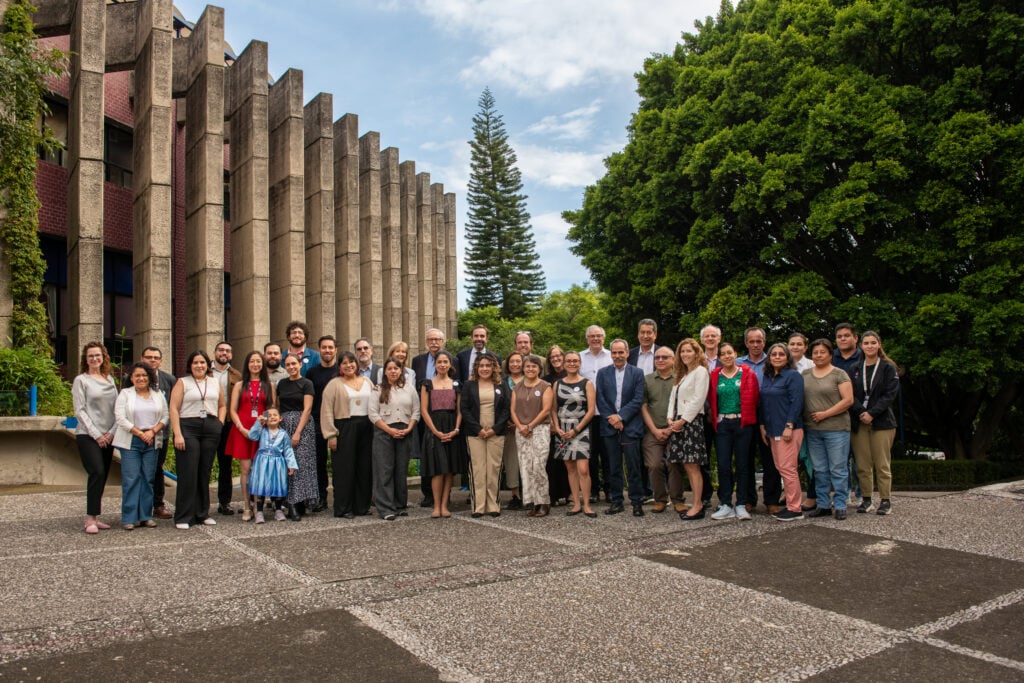
Celebrating 20 years of progress with the Mexican Teachers’ Cohort
Over 20 years, the Mexican Teachers’ Cohort has followed more than 115,000 women working in Mexico’s public education system, generating evidence on health and disease risk factors.
Make the most of summer: simple ways to move more
Make the most of summer with simple ways to move more. Discover enjoyable activities, stay active outdoors and support your long-term health.
Why might ‘morning people’ have lower breast cancer risk?
New findings improve our understanding of how sleep-related behaviour may influence breast cancer risk.
Latest research-related news and blogs
Celebrating 20 years of progress with the Mexican Teachers’ Cohort
Over 20 years, the Mexican Teachers’ Cohort has followed more than 115,000 women working in Mexico’s public education system, generating evidence on health and disease risk factors.
Why might ‘morning people’ have lower breast cancer risk?
New findings improve our understanding of how sleep-related behaviour may influence breast cancer risk.
Can you trust what you read about cancer and diet on social media?
During Cancer Prevention Action Week, more than 30 online health professionals and experts backed our Science Not Fiction campaign – and helped explain why health misinformation is a serious public health problem.
Latest research news and blogs
WCRF attends UK parliamentary roundtable on health misinformation
World Cancer Research Fund joined clinicians, researchers and policymakers at Westminster to discuss the real-world impact of health misinformation and what needs to change.
How a Fellowship helped Dr Mike Coleman uncover links between obesity, the immune system and cancer
During his AICR/WCRF Fellowship, Assistant Professor Mike Coleman helped uncover how obesity weakens the immune system’s ability to fight cancer.
Misinformation is putting lives at risk, warns Dr Philippa Kaye
GP and cancer survivor Dr Philippa Kaye explains what people can do to find trusted health information and advice.
Latest research news and blogs
WCRF attends UK parliamentary roundtable on health misinformation
World Cancer Research Fund joined clinicians, researchers and policymakers at Westminster to discuss the real-world impact of health misinformation and what needs to change.
How a Fellowship helped Dr Mike Coleman uncover links between obesity, the immune system and cancer
During his AICR/WCRF Fellowship, Assistant Professor Mike Coleman helped uncover how obesity weakens the immune system’s ability to fight cancer.
Misinformation is putting lives at risk, warns Dr Philippa Kaye
GP and cancer survivor Dr Philippa Kaye explains what people can do to find trusted health information and advice.
Further research into breast cancer
How short-term fasting can improve chemotherapy in breast cancer patients
We’re funding a new research project to enhance our understanding of how short-term fasting-mimicking diets enhance the effects of chemotherapy
Breast cancer: effect of yoga on endocrine-related musculoskeletal symptoms
The aim of this study is to assess the effect of yoga in women with a breast cancer diagnosis who suffer from joint pain and stiffness caused by hormone therapy.
Adherence to Mediterranean diet and risk of esophageal, gastric, pancreas, lung and breast cancer
Piet van den Brandt’s research concluded that eating a Mediterranean diet may reduce the risk of lung, postmenopausal breast, oesophagus (squamous cell carcinoma in men), and stomach cancers
Further breast cancer-related research
How does physical activity lower the risk of cancer?
This research, funded by WCRF International, looks at how our genetics affect immunity, hormones and metabolism, and how these affect activity
Breast cancer: effect of yoga on endocrine-related musculoskeletal symptoms
The aim of this study is to assess the effect of yoga in women with a breast cancer diagnosis who suffer from joint pain and stiffness caused by hormone therapy.
Folic acid intake and breast cancer risk
Our findings, funded by WCRF, support epidemiological studies that suggest a U-shaped relationship between folate and cancer risk
Further breast cancer research
How does physical activity lower the risk of cancer?
This research, funded by WCRF International, looks at how our genetics affect immunity, hormones and metabolism, and how these affect activity
How does exercise improve cancer-related fatigue in patients with advanced breast cancer?
This study investigates how tailored exercise reduces fatigue and improves quality of life in patients with advanced breast cancer.
How cholesterol metabolism disruptions influence breast cancer development
This study examines the link between cholesterol metabolites, lifestyle factors and breast cancer risk in the European Prospective Investigation into Cancer and Nutrition (EPIC) cohort
Latest research-related news and blogs
Celebrating 20 years of progress with the Mexican Teachers’ Cohort
Over 20 years, the Mexican Teachers’ Cohort has followed more than 115,000 women working in Mexico’s public education system, generating evidence on health and disease risk factors.
Why might ‘morning people’ have lower breast cancer risk?
New findings improve our understanding of how sleep-related behaviour may influence breast cancer risk.
Can you trust what you read about cancer and diet on social media?
During Cancer Prevention Action Week, more than 30 online health professionals and experts backed our Science Not Fiction campaign – and helped explain why health misinformation is a serious public health problem.
Latest research-related news and blogs
Celebrating 20 years of progress with the Mexican Teachers’ Cohort
Over 20 years, the Mexican Teachers’ Cohort has followed more than 115,000 women working in Mexico’s public education system, generating evidence on health and disease risk factors.
Why might ‘morning people’ have lower breast cancer risk?
New findings improve our understanding of how sleep-related behaviour may influence breast cancer risk.
Can you trust what you read about cancer and diet on social media?
During Cancer Prevention Action Week, more than 30 online health professionals and experts backed our Science Not Fiction campaign – and helped explain why health misinformation is a serious public health problem.