
Browse all our research grants
Folate status, HPV persistence and cervical cancer risk
A higher concentration of folate in cervical cells, and a chemical change in the DAPK gene, are predictors of HPV persistence
Using AI chatbots to support families of children with cancer
This INSPIRE project developed an artificial intelligence chatbot called DAPHNE, to address social needs in real-time for families of children with cancer.
Studying Burkitt lymphoma among children in sub-Saharan Africa
We want to find out if exposure to mycotoxins (toxic compounds produced by fungi) and infection with Epstein-Barr virus put children at risk of Burkitt lymphoma
Browse more research grants
Delivering chemotherapy to people with colon cancer on exercise bikes
Instead of sitting still during treatment, participants will use a stationary bike. Exercise may boost chemotherapy effectiveness by increasing blood flow
Evaluation of the 2018 WCRF/AICR Cancer Prevention Recommendations in Asia
Using pooled data from the Asia Cohort Consortium, this study examines if following 2018 WCRF/AICR cancer prevention recommendations can reduce cancer risk in Asia and guide regional policies
Isoflavones and lignans in breast cancer among Chinese women
This Hong Kong study will add to the data on the effects of dietary phytoestrogen on breast cancer outcomes
Browse more research grants
An examination of the methods for assessing preventability of cancer
We’re researching the different ways in which the proportion of potentially preventable cancers is estimated
Diet, weight and physical activity and risk of glioma
This study aims to identify lifestyle factors influencing glioma risk, using pooled data from over 2 million participants in 21 studies worldwide to inform glioma prevention strategies
How lifestyle factors in childhood affect adult cancers in low- and middle-income countries (SUNRISE)
The aim of the SUNRISE Pilot Study in Fiji, Botswana, and Kenya is to determine the feasibility and acceptability of the proposed methods for the SUNRISE Study in each country.
Browse all our research grants
Do sugary drinks increase pancreatic cancer risk?
We’re funding a new research project to identify the processes linking fructose consumption and pancreatic cancer
Are metabolites associated with obesity causing colorectal cancer?
This research looks at whether the impact of obesity on colorectal cancer is mediated through changes to the circulating metabolome
Obesity, exercise and prostate cancer
This study, funded by WCRF International, aims to investigate why obesity makes prostate cancer more aggressive
Further breast cancer-related research
Wearable technology and breast cancer survivors
This study, funded by WCRF International, suggests wearable fitness trackers may improve the quality of life of breast cancer survivors
Adherence to the WCRF/AICR Cancer Prevention Recommendations and Cancer Risk in the EPIC
This research investigated whether following our Recommendations was related to risk of cancers and death
Defining the role of diet and age in the spreading of breast cancer
This research assesses metabolism, gene and protein expression in breast cancer cells, aged, obese and control mice with breast tumours and patient samples to understand formation of metastasis
Latest news and blogs

Can you trust what you read about cancer and diet on social media?
During Cancer Prevention Action Week, more than 30 online health professionals and experts backed our Science Not Fiction campaign – and helped explain why health misinformation is a serious public health problem.
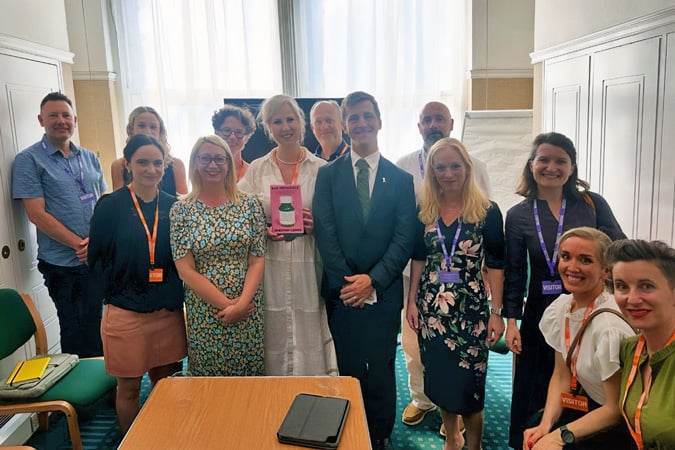
WCRF attends UK parliamentary roundtable on health misinformation
World Cancer Research Fund joined clinicians, researchers and policymakers at Westminster to discuss the real-world impact of health misinformation and what needs to change.
How a Fellowship helped Dr Mike Coleman uncover links between obesity, the immune system and cancer
During his AICR/WCRF Fellowship, Assistant Professor Mike Coleman helped uncover how obesity weakens the immune system’s ability to fight cancer.
More prostate cancer research
Improving cognitive impairment in survivors of prostate cancer
How does physical activity, cognitive training, or a combination of the two help improve fatigue, memory and thinking in men on hormone treatment
Identifying which nutrients may cause or protect against prostate cancer
Our research hypothesises that folate, vitamin B12, & iron may increase cancer risk; selenium, vitamin D, E & lycopene may protect against
Impact of dietary energy restriction and exercise on prostate cancer patients
This study will use a newly method to compare the impact of eating less food versus daily exercise on muscle, prostate, and prostate tumour growth responses
Latest news and blogs
Can you trust what you read about cancer and diet on social media?
During Cancer Prevention Action Week, more than 30 online health professionals and experts backed our Science Not Fiction campaign – and helped explain why health misinformation is a serious public health problem.
WCRF attends UK parliamentary roundtable on health misinformation
World Cancer Research Fund joined clinicians, researchers and policymakers at Westminster to discuss the real-world impact of health misinformation and what needs to change.
How a Fellowship helped Dr Mike Coleman uncover links between obesity, the immune system and cancer
During his AICR/WCRF Fellowship, Assistant Professor Mike Coleman helped uncover how obesity weakens the immune system’s ability to fight cancer.
More lung cancer research
Evaluating the protective effect of folate against lung cancer in a large European prospective study
Blood concentrations of vitamin B6 and methionine were lower in lung cancer cases than in controls in a study funded by WCRF International
Adherence to Mediterranean diet and risk of esophageal, gastric, pancreas, lung and breast cancer
Piet van den Brandt’s research concluded that eating a Mediterranean diet may reduce the risk of lung, postmenopausal breast, oesophagus (squamous cell carcinoma in men), and stomach cancers
Older adults with cancer: designing a diet and activity model of care
This project aims to co-design and test the feasibility of a new diet and physical activity programme for older people with cancer based on their values and needs.
Latest news and blogs
Can you trust what you read about cancer and diet on social media?
During Cancer Prevention Action Week, more than 30 online health professionals and experts backed our Science Not Fiction campaign – and helped explain why health misinformation is a serious public health problem.
WCRF attends UK parliamentary roundtable on health misinformation
World Cancer Research Fund joined clinicians, researchers and policymakers at Westminster to discuss the real-world impact of health misinformation and what needs to change.
How a Fellowship helped Dr Mike Coleman uncover links between obesity, the immune system and cancer
During his AICR/WCRF Fellowship, Assistant Professor Mike Coleman helped uncover how obesity weakens the immune system’s ability to fight cancer.
More prostate cancer research
Obesity, exercise and prostate cancer
This study, funded by WCRF International, aims to investigate why obesity makes prostate cancer more aggressive
Selenium and the prostate: clinical trials on availability to prostate tissue and effects on gene expression
Ellen Kampman’s study showed that selenium is able to induce changes in the expression of a number of genes in the prostate
Do vegetarian diets lower cancer risk?
This research found that vegetarians had a reduced risk of cancers of the gastrointestinal tract
Latest news and blogs
Can you trust what you read about cancer and diet on social media?
During Cancer Prevention Action Week, more than 30 online health professionals and experts backed our Science Not Fiction campaign – and helped explain why health misinformation is a serious public health problem.
WCRF attends UK parliamentary roundtable on health misinformation
World Cancer Research Fund joined clinicians, researchers and policymakers at Westminster to discuss the real-world impact of health misinformation and what needs to change.
How a Fellowship helped Dr Mike Coleman uncover links between obesity, the immune system and cancer
During his AICR/WCRF Fellowship, Assistant Professor Mike Coleman helped uncover how obesity weakens the immune system’s ability to fight cancer.