
Browse more research grants
Folic acid, epigenetic regulation of BRCA genes and DNA repair
This research is a step towards helping nutritionists devise dietary recommendations for folic acid intake
Comprehensive assessment, validation and causal identification of dietary exposures and cancer risk
Konstantinos Tsilidis’s research uses nutrient-wide association studies to look at lung, breast, colorectal and prostate cancers
Can rehabilitation after bone marrow transplants improve patient outcomes?
We’re funding a new research project to test if providing a rehabilitation programme for people after a bone marrow transplant improves outcomes for blood cancer patients
Browse all our research grants
Which fatty acids help people respond better to immunotherapy for lung cancer?
We expect mono- and poly-unsaturated fatty acids to help patients respond to immunotherapy. We also want to identify diets, with the right kinds of fats, that make this treatment most effective
Defining characteristics to help predict survival from pancreatic cancer
This project will aim to define a set of patient traits within patients’ body composition, nutritional status, and inflammatory state that is predictive of postoperative course and survival of pancreatic cancer.
Unravelling the balance between dietary protein and fibre intake for people with bowel cancer
We’re trying to work out the optimal intake of dietary protein for people with bowel cancer, especially when fibre intake is low
Browse all our research grants
Identifying the influence of the microbiome and metabolome on intestinal stem cells
We aim to find out if bacteria affect the behaviour of normal and cancerous intestinal stem cells.
The feasibility of a diet and physical activity intervention to prevent recurrence in colorectal cancer survivors
Judy Ho identified only a limited service in Hong Kong that offers specific dietary and activity advice to prevent cancer relapse
Does exercise during treatment help patients survive cancer?
Studying the molecular mechanisms underlying the protective effect of preoperative exercise in patients with gastro-oesophageal cancer
Browse all our research grants
Evaluating the protective effect of folate against lung cancer in a large European prospective study
Blood concentrations of vitamin B6 and methionine were lower in lung cancer cases than in controls in a study funded by WCRF International
The Butyrate paradox, MicroRNAs and colorectal cancer
A study of microRNAs in dietary reduction of cancer risk in Familial Adenomatous Polyposis patients, funded by WCRF International
Does a poor diet cause health problems for colorectal cancer survivors?
This research aimed to discover if diet affects the health of colorectal cancer survivors, such as depression, fatigue and anxiety
Browse more research grants
How much do preventable risk factors increase the burden of cancer?
We’re funding a new research project into the population-level relevance of preventable risk factors on the global burden of cancer
How western diets alter stem cells and induce colon cancer
This project will investigate which western-style diet-related factors influence the inflammation of stem cells and the development of colon cancer
Impact of sleep on the development of reproductive system cancers
This INSPIRE project will use data from the UK Biobank and genome-wide association studies to examine the relationship between sleep habits, sleep medications, and the risk of prostate and endometrial cancers
More breast cancer-related research grants
Does exercise offer long-term benefits for people with metastatic breast cancer?
A previous study showed that a supervised exercise programme reduced fatigue, pain and shortness of breath. We want to find out if these effects last
Using mindfulness to reduce stress in breast cancer patients receiving chemotherapy
This study assesses the effect of a 6-week online mindfulness program on stress reduction and related symptoms in women undergoing chemotherapy for breast cancer
Identification of metabolic signatures related to stress and breast cancer risk and survival
This study examines the associations between self-reported stress and breast cancer risk and survival, and then identify novel blood markers of stress
More breast cancer-related research grants
Does exercise offer long-term benefits for people with metastatic breast cancer?
A previous study showed that a supervised exercise programme reduced fatigue, pain and shortness of breath. We want to find out if these effects last
Using mindfulness to reduce stress in breast cancer patients receiving chemotherapy
This study assesses the effect of a 6-week online mindfulness program on stress reduction and related symptoms in women undergoing chemotherapy for breast cancer
Identification of metabolic signatures related to stress and breast cancer risk and survival
This study examines the associations between self-reported stress and breast cancer risk and survival, and then identify novel blood markers of stress
More colorectal cancer research
Can vitamin D reduce fatigue in colorectal cancer patients?
A study to test whether vitamin D supplementation improves fatigue in patients with a colorectal tumor
Body fatness at adolescence, adult attained height and the development of tumours in Lynch syndrome
Investigating the role of body fatness at adolescence & height on cancer in people with Lynch syndrome
How does physical activity lower the risk of cancer?
This research, funded by WCRF International, looks at how our genetics affect immunity, hormones and metabolism, and how these affect activity
Latest news and blogs
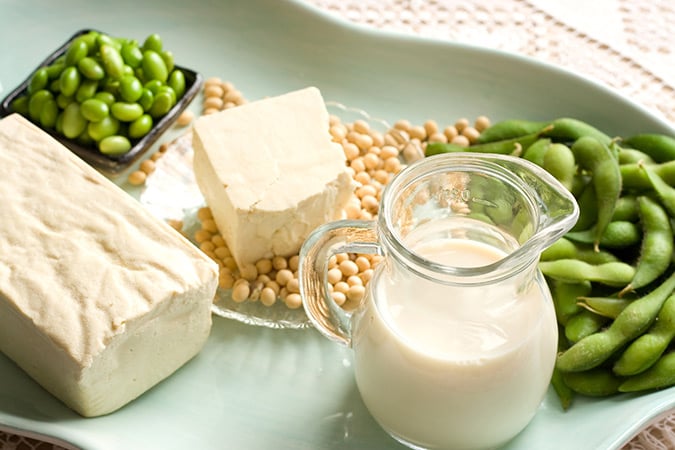
High soy intake in early-life linked to lower breast density
New findings suggest that soy consumption during childhood and adolescence is associated with lower breast density in adulthood, a predictor of lower breast cancer risk.

Staying active after cancer: why the first year may need more support
New research involved participants wearing an activity monitor to provide a picture of movement, sitting and sleep across everyday life.

Research gives mum hope after breast lump in pregnancy
After finding a lump in her breast at six months pregnant, Sarah faced something no mother should have to experience: a newborn baby and a cancer diagnosis.
Latest news and blogs
High soy intake in early-life linked to lower breast density
New findings suggest that soy consumption during childhood and adolescence is associated with lower breast density in adulthood, a predictor of lower breast cancer risk.
Staying active after cancer: why the first year may need more support
New research involved participants wearing an activity monitor to provide a picture of movement, sitting and sleep across everyday life.
Research gives mum hope after breast lump in pregnancy
After finding a lump in her breast at six months pregnant, Sarah faced something no mother should have to experience: a newborn baby and a cancer diagnosis.
Latest research-related news and blogs
High soy intake in early-life linked to lower breast density
New findings suggest that soy consumption during childhood and adolescence is associated with lower breast density in adulthood, a predictor of lower breast cancer risk.
Staying active after cancer: why the first year may need more support
New research involved participants wearing an activity monitor to provide a picture of movement, sitting and sleep across everyday life.

Are colon cancer subtypes linked to a greater risk of recurrence – and could diet be relevant?
A particular colon cancer subtype, imCMS4, was linked to the highest risk of recurrence, and a more ‘pro-inflammatory’ diet was associated with greater recurrence risk in this same subgroup.
Latest research-related news and blogs
High soy intake in early-life linked to lower breast density
New findings suggest that soy consumption during childhood and adolescence is associated with lower breast density in adulthood, a predictor of lower breast cancer risk.
Staying active after cancer: why the first year may need more support
New research involved participants wearing an activity monitor to provide a picture of movement, sitting and sleep across everyday life.
Are colon cancer subtypes linked to a greater risk of recurrence – and could diet be relevant?
A particular colon cancer subtype, imCMS4, was linked to the highest risk of recurrence, and a more ‘pro-inflammatory’ diet was associated with greater recurrence risk in this same subgroup.