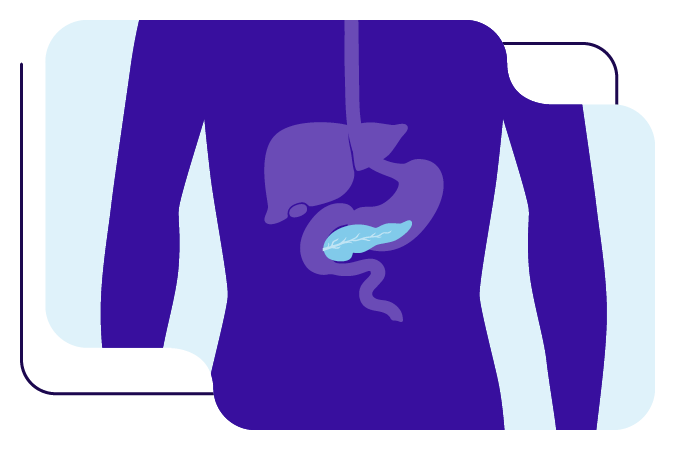
Preventing bowel cancer
Find out how diet and lifestyle can reduce your bowel cancer risk.
On this page
Can bowel cancer be prevented?
In the UK, around 54% of bowel cancer cases are thought to be preventable. While there is no guaranteed way to prevent bowel cancer, there are steps you can take to help reduce your risk.
Some factors can’t be changed, such as your age or family history. However, research shows that everyday choices, such as your diet, can help reduce your risk.
Lifestyle choices and bowel cancer prevention
To reduce your risk of bowel cancer, we recommend you:
Eat a fibre-rich diet
There is strong evidence that eating a diet rich in fibre, including wholegrains, can reduce your risk of bowel cancer.
Good sources of fibre include:
- Fruit and vegetables
- Pulses such as beans, chickpeas and lentils
- Wholegrain and brown varieties of bread, rice, pasta and breakfast cereals
- Unsalted nuts and seeds
Aim to eat 30g of fibre a day. To help you get more fibre, try adding these foods to your meals and snacks more often.
You can find more information on our fibre, wholegrains and cancer page or download our fibre factsheet.
Limit red and processed meat
Eating processed meat, such as ham, bacon and sausages, and too much red meat, including beef, pork and lamb, increases bowel cancer risk.
That’s why we recommend you to:
- Eat little or no processed meat
- Limit red meat to no more than 3 portions per week (350–500g or 12-18oz cooked weight in total)
For more guidance, visit our meat and cancer page or download our processed meat factsheet.
Limit how much alcohol you drink
Drinking alcohol increases the risk of bowel cancer and at least 6 other cancers. For cancer prevention, it is best to avoid alcohol altogether.
Find more guidance on our alcohol and cancer page or download our alcohol factsheet for tips to reduce how much you drink.
Be physically active
There is strong scientific evidence that being physically active in everyday life reduces your risk of bowel cancer by supporting digestion and helping you maintain a healthy weight.
Try doing 20-30 minutes of moderate-intensity exercise a day like brisk walking, or 10-15 minutes of vigorous-intensity exercise a day like running.
Learn more on our exercise and cancer page or download our physical activity factsheet for tips to get active.
Being a healthy weight
Being a healthy weight can reduce your risk of 13 different types of cancer, including bowel cancer. To achieve a healthier weight, aim to eat a healthy, balanced diet and move more throughout your day.
Visit our weight and cancer page or download our Weight Matters guide for information and support to achieve a healthier weight.
Stop smoking
Smoking tobacco increases your risk of developing bowel cancer and several other cancers. Cutting down or quitting can help reduce your risk.
Contact your GP for support and services to help you cut down or stop.
Visit our smoking and cancer page for more information.
Supplements and bowel cancer prevention
Our research shows that taking calcium supplements can help reduce your risk of bowel cancer. However, we do not recommend relying on supplements for cancer prevention. Getting nutrients from a healthy, balanced diet is the best way to support your overall health.
Our research also shows that eating dairy foods can help reduce bowel cancer risk, and dairy is naturally a good source of calcium. For most people, including dairy foods as part of a balanced diet is an easy way to get the calcium you need.
There is also limited evidence that taking vitamin D or multivitamin supplements might help reduce bowel cancer risk. Even so, our advice remains the same: aim to get your nutrients from food first and only use supplements if they are recommended to you by a health professional.
Overall lifestyle and bowel cancer
In April 2025, we published a report looking at how your overall diet and lifestyle choices work together to affect your risk of bowel cancer.
Instead of focusing on individual food types (such as vegetables) or individual lifestyle choices (like how active you are), this report looked at the bigger picture – how all of these aspects of our lives work together to influence your cancer risk.
This research showed strong evidence that certain combinations of everyday choices reduce the risk of bowel cancer. They include:
- Maintaining a healthy weight and regularly doing physical activity
- Eating plenty of fruit and vegetables, as well as other fibre-rich foods like wholegrains and pulses
- Drinking coffee and having calcium containing foods, such as dairy
- Reducing sugary drinks and avoiding alcohol
- Avoiding processed meat
- Not smoking
To get the most benefit, it’s better to follow as many of these as possible every day, rather than just focusing on one or two.
How health professionals can help patients reduce their bowel cancer risk
Health professionals can play an important role in helping people reduce their risk of bowel cancer. By offering clear, evidence-based advice on healthy habits, you can support patients to make positive and informed choices about their health.
We’ve created free resources to help you in your conversations:
More bowel cancer information for you


Page last reviewed: March 2026
Next review date: March 2029
-
References
- Brown KF, Rumgay H, Dunlop C, Ryan M, Quartly F, Cox A, et al. The fraction of cancer attributable to modifiable risk factors in England, Wales, Scotland, Northern Ireland, and the United Kingdom in 2015. Bri J Cancer [Internet]. 2018 Mar 23;118(8):1130–41. Available from:https://doi.org/10.1038/s41416-018-0029-6.
- World Cancer Research Fund/ American Institute for Cancer Research. Diet, nutrition, physical activity and colorectal cancer [Internet]. 2018. Available from: https://www.wcrf.org/research-policy/library/colorectal-cancer-systematic-literature-review/
- World Cancer Research Fund International. Dietary and lifestyle patterns for cancer prevention: evidence and recommendations from CUP Global [Internet]. 2025. Available from: wcrf.org/DLP