
Cancer is an extremely complex disease, with over 200 different types. Even tumours belonging to the same cancer type can have important biological differences. Tumour heterogeneity refers to the differences observed between tumours of the same type in different patients.
For example, colon cancers are not all biologically the same. They can be grouped into molecular subtypes that may behave differently and respond differently to their surroundings.
Research funded by Wereld Kanker Onderzoek Fonds (WKOF) – the Netherlands-based charity within the World Cancer Research Fund network of charities – explored whether colon cancer recurrence differed between tumour subtypes and whether diet and other lifestyle factors at diagnosis were associated with recurrence.
The new study, published recently in the journal Cancer Epidemiology, suggests that people with a particular tumour subtype – the imCMS4 subtype – had a significantly higher risk of cancer recurrence.
The results also found that, among people with imCMS4 tumours, a more pro-inflammatory diet around the time of diagnosis was associated with a higher rate of recurrence. However, this association was not seen in other subtypes.
Dr Evertine Wesselink, based at the Netherlands Cancer Institute and lead author of the research, said:
“When we talk about lifestyle habits, such as diet, physical activity, and body weight, and cancer, we often look at the big picture. But tumours are incredibly diverse. We wanted to explore whether a person’s diet is associated with their risk of cancer recurrence differently depending on the specific ‘molecular personality’ of their tumour”.
Colorectal cancer subtypes
To capture some of the biological variation seen between colon cancer tumours, researchers classify colorectal tumours (meaning both colon and rectal tumours) according to their molecular, cellular and surrounding tissue characteristics. One widely used framework is the four Consensus Molecular Subtypes, or CMS.
For this research, tumours were grouped into four main subtypes:
- CMS1: These tumours show strong immune-system activity and often contain many immune cells. They commonly have defects in the system that usually repairs DNA which can lead to the accumulation of genetic changes.
- CMS2: This is the most common subtype. These tumours are mainly driven by well-known cancer growth pathways and tend to have less immune activity around them.
- CMS3: These tumours have distinctive changes in how cancer cells process energy and nutrients and have relatively little immune activity.
- CMS4: These tumours have a strong supporting tissue and display inflammation-related and immune-suppressive characteristics. They also tend to have a greater potential to spread and are generally associated with poorer outcomes.
Previous studies have highlighted the value of CMS as a prognostic marker in colorectal cancer, but the association between CMS and cancer recurrence, and whether the inflammatory potential of diet and lifestyle relates to recurrence differently across colon cancer subtypes, is not well understood.
Looking at tumours under the microscope
The researchers studied people with stage I–III colon cancer from two large Dutch patient cohorts. They compared 167 people whose cancer recurred with 668 people whose cancer had not returned by the same point in follow-up.
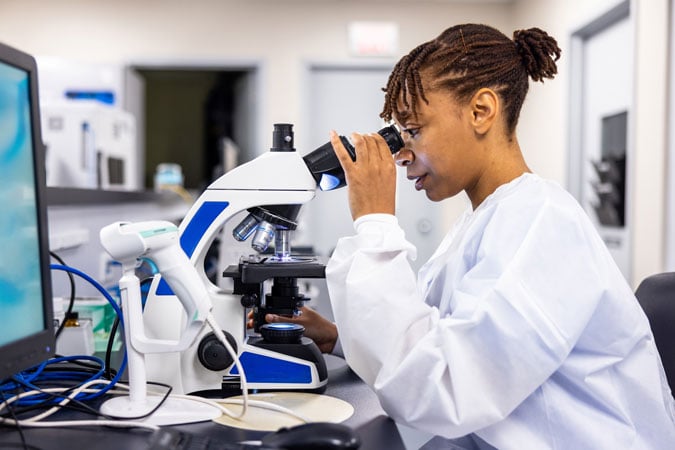
They used artificial intelligence to analyse routine microscope images of tumour tissue from 532 patients and assign each tumour to an image-based molecular subtype, known as imCMS1, imCMS2, imCMS3 or imCMS4.
Dr Evertine Wesselink said:
“The subtype was identified from standard tumour slides using artificial intelligence. Because these slides are already widely collected in hospitals, this approach could eventually offer a relatively quick and scalable way to classify tumours.”
Participants also completed questionnaires about their diet, physical activity, smoking, alcohol use and body weight in the month preceding their diagnosis. These were used to generate:
- A dietary inflammation score, where a higher score meant a more pro-inflammatory diet.
- A lifestyle inflammation score (which took into account physical activity, smoking status, BMI and alcohol consumption), where a higher score meant a more pro-inflammatory lifestyle.
Next, the research team examined whether tumour subtype, diet and lifestyle were associated with the risk of recurrence.
What did the results show?
Their analysis found that people with an imCMS4 tumour had more than twice the risk of recurrence compared with those with the most common subtype, imCMS2.
Across all patients combined, the inflammatory potential of the diet was not clearly associated with recurrence. However, the picture changed when the researchers looked separately at each tumour subtype. Among people with imCMS4 tumours, each one-unit increase in the dietary inflammation score was associated with a 39% higher risk of recurrence, but no clear association was seen in the other subtypes.
Within the imCMS4 group, higher intakes of tomatoes, apples and berries, fish and nuts were each associated with a lower risk of recurrence. However, the research team stress that these findings were exploratory, based on a relatively small subgroup, and do not prove that these foods themselves prevented recurrence.
A more pro-inflammatory lifestyle showed a possible association with higher recurrence risk overall, but this finding was not statistically clear. The researchers found no clear association between the lifestyle inflammation score and risk of recurrence across different tumour subgroups.
World Cancer Research Fund International Assistant Director of Research and Policy , Dr Helen Croker, said:
“The study suggests that the biological subtype of a colon tumour may help identify people at greater risk of recurrence and that diet may play a role.
“It is wonderful to see early-career researchers produce such interesting results as part of our INSPIRE research challenge. These findings raise the possibility that diet could be especially important for certain patients, particularly those with imCMS4 tumours.”
Dr Evertine Wesselink added:
“As our study was observational, relied on self-reported diet and lifestyle, and included relatively small numbers once patients were divided into subgroups, the results should be repeated in other populations and tested in studies that follow dietary changes after diagnosis.”
Latest news and blogs
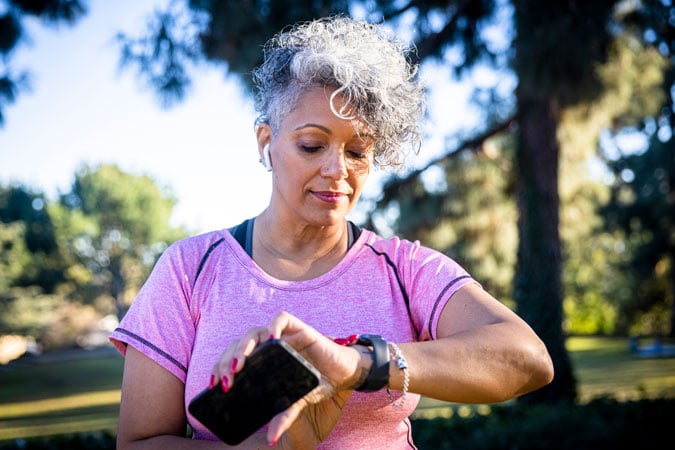
With warmer weather and school holidays here, it’s the perfect time to plan an exciting day out with family or friends. You don’t have to break the bank, though. Why not embrace the joy of a picnic and the freedom to explore nature?
Easy picnic recipes
We’ve got a selection of delicious nibbles and refreshing drinks you can prepare in advance.
For snacks, pack chopped fresh fruit and vegetables such as apples, strawberries, carrots, peppers or cucumbers, instead of crisps. Get creative by whipping up a red lentil or pineapple dip to add a burst of flavour to your fresh nibbles.
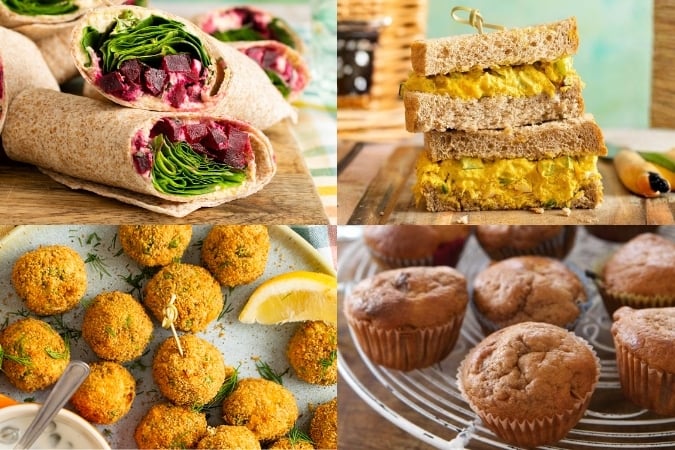
For larger bites, try our mouth-watering houmous and beetroot salsa wraps, coronation chicken sandwiches or salmon, bean and pea fishcake bites.
For healthier sweet options, give our banana and peanut butter flapjacks or raspberry choc mini muffins a go. They can be prepared in advance and frozen for your convenience.
Lastly, don’t forget to keep hydrated while enjoying the warm weather. Keep a supply of water with you and avoid sugary drinks. If you’re craving something more exciting, why not jazz up your water by adding a squeeze of lemon, lime or some mint? Or try sugar-free squash for a burst of flavour.
What to take on a picnic
Being outside can mean lots of sun exposure. Take care of yourself when the sun is at its strongest between 11am and 3pm. Find shade during that time and use at least 30 SPF sunscreen. Wear a hat, sunglasses or a long-sleeve shirt or trousers to protect your skin.
Don’t forget to pack a few essentials for your adventure:
- Picnic blanket
- Cool box, bag or basket to keep food and drinks chilled
- Plates, glasses and utensils as needed
- Napkins, wipes or sanitiser to keep things clean
- Bin bag or carrier bag for easy clean-up and to keep the picnic area tidy
Where to go for your picnic
By venturing outside, children get a break from screens and sedentary routines, and spending time outdoors as a family is a great way to get everyone more active. Being physically active as part of everyday life can protect you from cancer, and that’s why it’s one of our Cancer Prevention Recommendations.

- Don’t feel like going far? Set up a cosy picnic spot in your garden if you have one. Decorate with cushions and blankets, and enjoy a picnic at home. Get crafty outdoors by making a spinner and playing the wiggle, hop or creep game.
- Team up with family, friends or a community group and head to your local park with a basket full of picnic food. Everyone can contribute something delicious!
- Find a nature or hiking trail and picnic amid trees and wildlife. Make it even more exciting for children by going on a scavenger hunt, exploring the sights and sounds of the outdoors.
- If you can reach a beach, lake, river or pond, relax by the soothing waters. Enjoy outdoor games with children such as flying a rainbow fish windsock.
- Visit a farm or orchard that allows picnicking and eat surrounded by countryside. Encourage your children to bring their favourite activities along: pack a football, card games to challenge each other, or a colouring book or scrapbook to bring out their artistic side.
With these tips in mind, you can enjoy being in nature, savouring delicious food and drinks, and creating wonderful memories. Happy picnicking!
Latest news and blogs
The relationship between dairy consumption and breast cancer risk has raised questions for scientists for years, with various studies reporting differing results. Recent work has begun to explore whether these inconsistent findings could be explained by the degree of food processing.
Although nutritional composition (such as the amount of calcium, fat, vitamin D or hormones in a product) has traditionally been considered the primary factor for explaining these inconsistent results, emerging laboratory and food chemistry research suggests that processing methods may also influence the biological properties of dairy foods.
A new review paper, published recently in the journal Advances in Nutrition, led by researchers at the University of Toulouse, aims to move the research beyond a nutrient-only explanation for the differences in association and asks whether food-processing chemistry should be built into future study designs.
Dr Silia Ayadi, first author on the paper, has been funded by the Wereld Kanker Onderzoek Fonds, (WKOF) – the Netherlands-based charity within the World Cancer Research Fund network of charities.
Dr Silia Ayadi, Ph.D., said:
“Through this work we have proposed a novel hypothesis linking the processing of dairy products to the formation of molecules that may influence breast cancer-related pathways.
“By combining research from nutritional epidemiology, food chemistry, and molecular mechanisms, this review paper provides a new potential perspective for explaining the differences we see in the existing research that has examined the dairy and breast cancer association.”
What does the evidence say so far?
When exploring how diet and nutrition can impact cancer risk, dairy products have received considerable attention due to their complex composition, which includes macronutrients, hormones, and a wide range of bioactive lipids. Bioactive lipids are compounds that regulate biological processes within the body, such as inflammation or cell growth.
To date, studies examining a possible link between dairy consumption and breast cancer have found inconsistent results, with reports of neutral, inverse, or positive associations depending on the population, tumour type, and type of dairy product consumed.
Milk, fermented products, cheeses, and highly processed dairy foods differ not only in fat content and fermentation status, but also in their exposure to technological processes such as heating, drying, and storage. Recent laboratory research suggests that these processing methods can generate a wide range of bioactive molecules beyond conventional nutrients, some of which may affect biological pathways, even at very low levels.
Proposing a new framework
To dig further into the existing literature, the authors integrated findings from 82 publications covering three areas of research – studies on dairy consumption and breast cancer, research on food chemistry, and lab studies on how these changes might affect cancer-related pathways.
A central hypothesis is that processing dairy products can generate or modify bioactive fat-derived molecules, including oxidised forms of cholesterol. In experimental models, some of these compounds can influence biological pathways relevant to breast cancer, including inflammation and hormone signalling. The review also notes that fermentation may generate metabolites with potentially different, possibly protective, biological effects.
This work proposes an original framework suggesting that dairy processing, not only nutrient composition, may help explain the differing results seen in this area of breast cancer research. The team highlights that the evidence is mainly from laboratory and mechanistic and epidemiological research and is not sufficient to draw conclusions about cause and effect, or steer clinical advice.
Dr Marc Poirot, Ph.D., Research Director at Inserm, said:
“Different dairy products, including milk, cheese, yoghurt, butter, fermented products and ultra-processed dairy foods, undergo different forms of heating, fermentation, storage and industrial processing, which may change their molecular composition.
“By integrating nutritional epidemiology, food chemistry, and molecular biology, this work offers a novel angle to explain the differences in the associations observed across dairy products and cancer outcomes.”
World Cancer Research Fund International Assistant Director of Policy and Research Dr Helen Croker, said:
“The WCRF network’s evidence syntheses have shown suggestive protective effects of dairy foods and high calcium diets, but the findings are not conclusive. The current work outlines the heterogeneity of dairy foods, including the level of processing, and may help to explain previous inconclusive findings.
“The focus on processing is interesting and in line with emerging research on ultra-processed foods. This represents a promising avenue for advancing our understanding of how processing of dairy foods could influence the development of cancer.”
Latest news and blogs
Over the past few months, fans across the world have come together to watch football, cricket, rugby and more. Major sporting events like the FIFA World Cup, Commonwealth Games, and Wimbledon are a time to celebrate excellence at the highest levels of sport. They also bring people together in support of their national teams and athletes with joy, passion and pride. Yet looming over these events is the pervasive sponsorship and advertisement of health-harming products, particularly alcohol and junk food, which directly contradict the essence of sport. This can best be described as “sportswashing” – the practice of using sport and its positive associations to enhance reputations and divert attention from the negative impacts of an individual, product, company, or government.
Promotion of health-harming products and cancer risk
As a cancer prevention charity, the pervasive presence of alcohol and junk food promotions at sporting events watched by millions, and in some cases billions, is deeply concerning. Around 40% of cancer cases are caused by risk factors such as alcohol and obesity and it has long been established that the marketing of alcohol and unhealthy food and drink drives consumption of these products. This is a child rights issue. The UN Committee on the Rights of the Child has stated that the marketing of health-harming products to children impedes their right to life, survival and development as set out in Article 6 of the United Nations Convention on the Rights of the Child. This is unsurprising given evidence that junk food advertising is associated with childhood obesity whilst alcohol marketing has also been shown to increase uptake and consumption amongst young people.
Despite this, we live in a world where sporting events are closely intertwined with the promotion of health-harming products that are known to contribute to cancer and other diseases. This is part of a wider strategy through which health-harming industries align themselves with sport, from local grassroots clubs and children’s physical activity programmes all the way through to elite competitions. This ultimately creates a powerful association between sport and products such as sugar-sweetened beverages and alcohol. As a result, advertising and sponsorship from these industries have become so deeply embedded in sport that they are not only normalised but expected. To understand the scale of the issue, it is worth taking a closer look at some examples from recent sporting events.
Industry’s smoke and mirrors
First up, and front of mind over the last couple of weeks, is the 2026 Men’s FIFA World Cup. Just two days before the tournament kicked off, Ab InBev (the world’s largest brewer and parent company of Budweiser) announced that its global partnership agreement with FIFA, which grants it the title of ‘Official Beer Sponsor’ of the FIFA World Cup, had been extended to 2030. The company’s reach extends beyond football. Ab InBev own Corona, which became the first ever Olympic Games beer sponsor with a partnership beginning at the Paris 2024 Olympic Games and expected to continue until 2032.
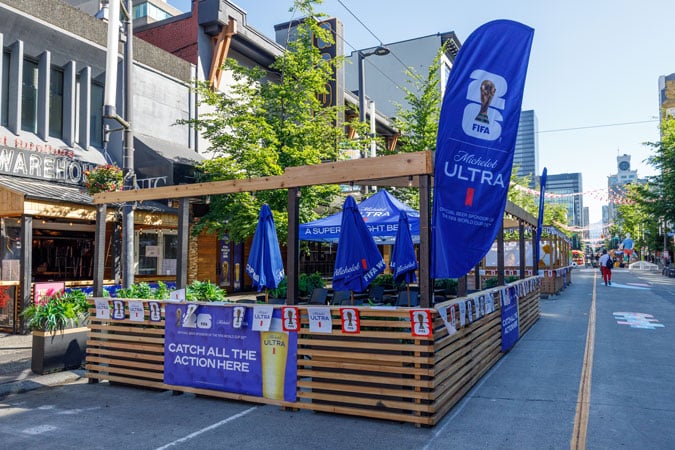
As we know, such partnerships do more than sell products. When it comes to alcohol, they serve to associate these products with positive emotions, success and national pride. Ab InBev CEO, Michel Doukeris, explains this himself in an interview with CNBC saying: “Our brand goes very well with sports, those are moments where people are together with friends and family, where memories are built and the enjoyment that you have across sports is something that lasts forever in people’s minds.”
In other words, the partnership is about building long-term positive associations with the brand and, by extension, consuming alcohol. Thereby masking the truth of alcohol’s many harms and the fact that it is an addictive substance, a major cause of preventable premature death, and a Group 1 carcinogen linked to at least seven cancers.
To keep track of all the alcohol advertising taking place at the World Cup, Movendi International launched a global campaign to gather examples and develop a case study library exposing alcohol marketing during the tournament, which will be used for future research and advocacy.
No sporting event is safe
Big Alcohol isn’t the only industry capitalising on sporting events.
Junk food, soft drink and energy drink brands are doing the same, despite their products directly contributing to ill health. Viewers of the World Cup would have seen consistent on-pitch brand advertising of McDonalds whilst Coca-Cola is touted as the “official soft drinks partner” of the Commonwealth Games.
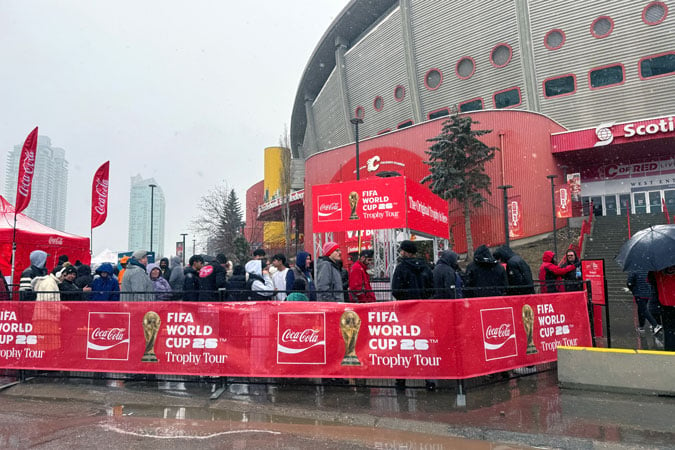
Even the Wimbledon Championships, which is known for minimal advertising, has fallen foul of promoting health-harming products. During this year’s tournament, viewers may have seen the beer brand Stella Artois and Lanson Champagne advertised as official partners.
Showing promotion of health-harming products the red card
Once you take the time to unpack the sponsorship and advertisements at sporting events, it’s hard to argue that we shouldn’t show them the red card.
History is on our side too. Not so long ago, throughout the 20th century, cigarette brands heavily dominated sports sponsorships from Formula 1 to football. Whilst promotions of “smoke-free” alternatives like nicotine pouches and vapes are still highly visible in some sports, significant progress has been made, with over 57 countries enforcing comprehensive bans on tobacco advertising, promotion and sponsorship primarily driven by the WHO’s Framework Convention on Tobacco Control.
Encouragingly, momentum for change is now moving beyond tobacco. In 2024, Member States at the 77th World Health Assembly adopted a resolution on Strengthening health and well-being through sport events, calling on governments to limit the marketing of unhealthy products at sporting events and promote policies to reduce alcohol-related harm. This reflects a growing recognition that sport should support public health, not undermine it.
At its best, sport encourages us to move more, live healthier lives and reach our full potential. It is therefore worth asking: why are so many of the world’s biggest sporting events still being used to promote products that increase the risk of cancer and other diseases?
Latest news and blogs
Being active doesn’t have to mean joining a gym or changing your routine altogether. It can be as simple as taking a walk before starting the work day, cycling to the shops, playing in the park with children, getting in the garden or exploring a local park. A few extra minutes of movement can soon add up, helping you stay active and feel your best throughout the summer.
The benefits of making the most of longer days
Moving more isn’t just a great way to enjoy the longer days of summer. It can also bring important health benefits.
Research shows that being active can help lower the risk of three types of cancer: breast, bowel and womb cancer. We know this from the evidence gathered through World Cancer Research Fund’s CUP Global research programme.
For people living with cancer, being active can also help improve fatigue and support a healthy immune system. Even a few extra minutes of activity throughout the day can benefit your health.
Being active often can also:
- support healthy bones and muscles
- support a healthy weight
- improve sleep
- improve mood and reduce stress and anxiety
- lower the risk of type 2 diabetes and heart disease
So, this summer, make some time to get outside, enjoy the fresh air and find activities that you enjoy. You might be surprised how good a little extra movement can make you feel.
Simple ways to get active this summer
Looking for inspiration? Summer can be a great time to try something new, revisit an old activity you enjoyed or simply spend more time outdoors. There are plenty of ways to build more activity into your week, whether you have ten minutes to spare or a whole afternoon free:
- Explore a canal path, riverside walk or nature trail you haven’t visited before
- Join a local walking group and connect with others
- Try a free outdoor fitness session in your area
- Play outdoor sports or games such as tennis, football, rounders or frisbee
- Use outdoor gym equipment in your local park, such as hand bikes, which are often free and accessible
- Go for a swim or give water aerobics a try
- Spend time gardening
- Walk or cycle to the shops
- Play outdoor games with children or grandchildren
If the weather is too hot, you can still be active indoors. Try chair-based activities such as seated marching, arm circles and stretching to keep moving while staying cool and comfortable.
Find out more ways to get active – see our guide to Moving more
Being safe in the summer sun
A little sunshine can make a walk, bike ride or day outdoors feel even more enjoyable.
Sunlight helps our bodies make vitamin D, which is important for healthy bones, teeth and a well-functioning immune system. But it’s important to enjoy the sun safely too. Too much exposure to ultraviolet (UV) rays can damage the skin and increase the risk of skin cancer.
A few simple steps can help protect your skin:
- Be in the shade when the sun is strongest (between 11am and 3pm)
- Cover up with light clothing
- Wear a hat and UV-protective sunglasses
- Use and reapply sunscreen with at least sun protective factor (SPF) 30 and 4-star UVA rating
- Take breaks from direct sunlight
If it’s particularly hot, try to be active earlier in the morning or later in the evening when it’s a bit cooler. You’ll be more comfortable while still enjoying time outdoors.
Keeping hydrated while being active
Warmer weather and being more active means sweating a lot, so it’s easy to become dehydrated without realising it. Keep a reusable water bottle with you so you drink more water throughout the day.
 You can also get extra hydration from water-rich foods, such as:
- Watermelon, tomatoes, cucumber, courgettes and strawberries
- Smoothies with fruit
- Chilled soups, such as gazpacho
For most people, water is all that’s needed to stay hydrated during everyday summer activities. Sports and electrolyte drinks are usually not needed unless you’re doing very intense exercise or have been advised to use them by a health professional.
Summertime offers a great opportunity to get outdoors and move your body more. By being more active, protecting your skin and staying hydrated, you can support your health and help lower your cancer risk. So why not try something new this summer and see where it takes you?
What’s your favourite way to be active?
Everyone has their own way of moving more, whether that’s in the warm summer or colder winter months.
We’re looking for real experiences to help shape our physical activity and cancer prevention resources to inspire others to find activities they enjoy. By sharing your story, you could help someone else take their first step towards a more active lifestyle.
Ready to inspire others? Share your story
Latest news and blogs
Today the Commons Health and Social Care Select Committee published a report on fixing the food environment as part of its food and weight management inquiry. Its message to Government is loud and clear: it is time to stand up to industry and move forward with a bold new approach to tackling obesity.
The environments in which we live, work and shop play a major role in shaping our health, yet many people are surrounded by the promotion and availability of unhealthy food options. Addressing this is essential for cancer prevention – excess weight is a cause of at least 13 types of cancer and is the second biggest preventable cause of cancer in the UK after smoking.
Many of the Committee’s recommendations are reflected in World Cancer Research Fund’s written evidence to the inquiry and, if implemented together, would help make the healthy choice the easy choice. In particular, we welcome the Committee’s recommendation that the healthy sales reporting policy should be introduced as soon as possible, with targets for major supermarkets set within the next 12 months and for the wider food industry by the end of Parliament. In practice, the policy would mean that large food businesses would be incentivised to have healthier products on their shelves and in promotions – leading to a potential reduction of obesity by around a fifth. We also strongly echo the Committee’s recommendation for the Government to exclude actors with a vested interest from discussions on the formation of policies on food, diet and obesity prevention.
Overall, the report sets out a clear roadmap for fixing our broken food environment. As the UK prepares for a new Prime Minister, we urge them to demonstrate their commitment to prevention by taking forward these recommendations at pace. This is a vital opportunity to fix our food environment, tackle obesity and prevent cancer for future generations.
Latest news and blogs
Every day, millions of people search online for answers about cancer, diet and health. Some of what they find is accurate and helpful. Much of it is not. And when it comes to cancer – a subject where fear, hope and complexity are factors – misleading information can cause real harm.
Proving the challenge
There is no doubt that social media influencers promote a vast amount of misinformation online, especially to younger people. New YouGov polling, commissioned by World Cancer Research Fund for Cancer Prevention Action Week (15–21 June 2026), reveals a striking pattern:
- Among adults who rely on social media as their main news source, 13% wrongly believe that certain foods or diets can “starve” cancer, compared with 7% of other adults.
- 15% wrongly think certain supplements can reduce cancer risk, compared with 11% of other adults who prefer sources other than social media.
- Younger adults are particularly affected: 20% of 18–34-year-olds say they are more likely to trust a health claim if it is shared by an influencer or account they follow, compared with just 7% of over-55s.
Positive influencers speak out
However, there are also large numbers of influencers and experts online who are fighting back against misinformation. We are enormously grateful to the more than 30 health professionals and experts who gave their time to support Science Not Fiction — their commitment and expertise made a real difference.

Deborah Cohen
Deborah Cohen is one such expert. A medically-qualified journalist and author of “Bad Influence”, she warns:
“Over time, [influencers’] recommendations can start to feel less like advice from a stranger and more like guidance from a trusted friend.
They sometimes use scientific language to create an impression of authority, while the actual evidence behind their claims is weak, selective or simply not there.”
For anyone affected by cancer, the stakes are high.
Dr Idrees Mughal, known as Dr Idz, is a medical doctor with a master’s degree in nutritional research and more than 1.5 million followers across TikTok and Instagram.
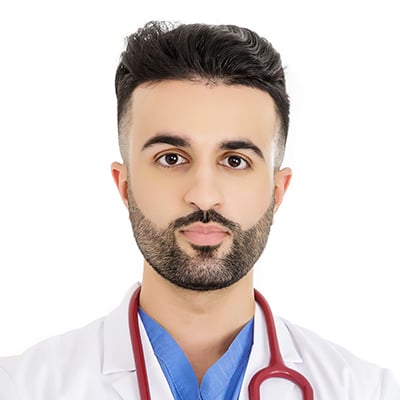
Dr Idz
He explains:
“The danger is not just wasted money, but that misinformation can push people away from evidence-based advice and proven cancer treatments.
When people delay or reject effective care in favour of unproven alternatives, the consequences can be devastating, and in some cases fatal.”
Professor Sander van der Linden is Professor of Social Psychology at the University of Cambridge and author of FOOLPROOF.
He frames the broader challenge.

Professor Sander van der Linden
He says:
“Misinformation about cancer is rampant. One of the most important challenges is empowering people with skills to discern wellness quackery from evidence-based advice.”
The picture is not all bad online. The experts and influencers who joined us aren’t alone. Many doctors, dietitians, cancer specialists and science communicators are actively using social media to challenge misinformation with clear, evidence-based information.
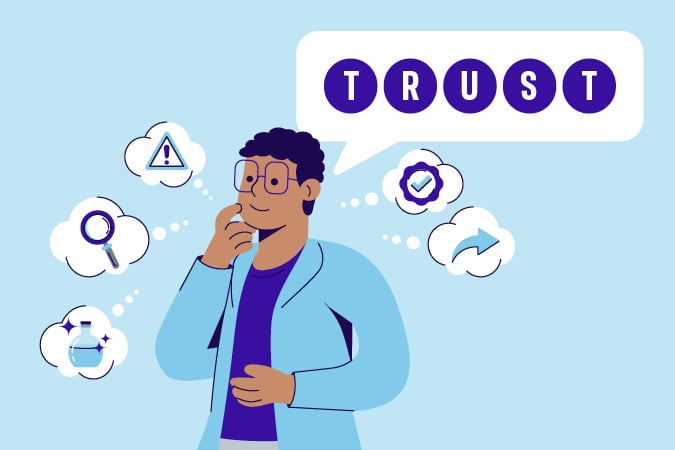
How to tell the difference: the TRUST Test practical tool
That is exactly why World Cancer Research Fund has developed the TRUST Test – a simple, practical framework for evaluating health and nutrition information wherever you come across it. It gives you a clear set of prompts to help you pause and check before acting on a claim – whether you are reading a health blog, watching a video or seeing a claim shared in a group chat.
Join our campaign
Science Not Fiction is a three-year World Cancer Research Fund campaign tackling health misinformation and helping people find evidence-based information they can trust about cancer prevention, living with cancer, and nutrition.
Cancer Prevention Action Week 2026 was an important first step. The campaign reached a wide and influential audience, with backing from more than 30 health professionals and experts, support from organisations including the British Dietetic Association, IARC, Our Future Health and Alcohol Change UK, and coverage in national media.
You can be part of this work. Email us at pr@wcrf.org if you have a story to tell. You can also share the TRUST Test with friends, family or colleagues, and follow us on social media for reliable, evidence-based information about reducing your cancer risk and living with cancer.
Latest news and blogs
Dr Mike Coleman’s research sits at the intersection of cancer, metabolism and the immune system. But when he first began his Marilyn Gentry Fellowship at the University of North Carolina at Chapel Hill back in 2022, the path ahead was far less defined.
“My work concerns the idea that the body’s natural immune system is actually really good at controlling cancer most of the time,” says Dr Coleman. “This means that by the time someone gets a cancer diagnosis, it is usually indicative that their immune system has been tricked in some way by cancer.”
For over 25 years, the AICR/WCRF Marilyn Gentry Fellowship has supported emerging leaders in the field of diet, nutrition and cancer, funded by the American Institute of Cancer Research. Under the guidance of Professor Steve Hursting, a global expert in the field of nutrition and cancer, Dr Coleman was able to approach his research with real creativity. The fellowship gave him the freedom to explore and follow an emerging question that continues to define his research: how does obesity affect the immune system’s ability to fight cancer?
From early inspiration to impact
 Dr Coleman’s interest in science began early. Growing up on a farm, he found himself drawn to problem-solving, and to understanding how diseases develop at a molecular level.
That curiosity led him to study biochemistry, before focusing his PhD on how mitochondria influence the spread of breast cancer. “I wanted to deep dive inside the cell and say, ‘what’s going on at this level?’” says Dr Coleman.
It was during his PhD that he first encountered the strong links between obesity and cancer risk, an observation that would later guide his fellowship research. And at this same time, he decided to expand his research from looking at a single cell towards whole body metabolism.
Investigating adoptive cell therapy
By the time Dr Coleman started the AICR/WCRF fellowship, it was clear that the immune system was going to be central to his work, which brought his attention to what we know as CAR T-cell therapy.
CAR T-cell therapy is a groundbreaking form of immunotherapy, also called adoptive cell therapy, that modifies a patient’s own immune cells to recognise and destroy cancer cells. “You take some blood from the patient and then re-engineer a certain set of immune cells to specifically target cancer cells. These cells can then be re-introduced to the patient and hopefully control the cancer growth,” says Dr Coleman. “I like to think of it as putting them through a cancer-killing boot camp so that when they re-enter the body, they are ready to attack tumour cells.”
While CAR T-cell therapy works very well with blood cancers, they are far less effective against solid tumours, such as breast cancer or colon cancer. “And I wanted to explore how obesity interacts with that,” says Dr Coleman.
Testing his hypothesis on triple negative breast cancer cells, his research showed that obesity-related inflammation can impair the ability of CAR-T cells to destroy tumours, thereby dampening their anti-tumour effects.
Overall, the findings highlighted obesity as an important but often overlooked factor influencing cancer immunotherapy outcomes. With 40% of Americans having obesity, Dr Coleman believes that understanding the role of obesity, and approaches to improve metabolic health, in immunotherapy response will be critical to maximize the potential of next cancer treatments.
Can weight loss affect tumour growth?
As part of Dr Coleman’s work to better understand the impact of obesity on the immune system, he wanted to determine whether weight loss has the potential to restore immune function.
Looking retrospectively at cancer incidence in people who have had bariatric surgery, there’s about a 30-50% reduction in obesity-driven cancer rates in women who have this procedure. “We wanted to understand whether there is something unique to bariatric surgery that is driving the kind of weight loss that sees these special benefits,” says Dr Coleman.
Using mouse models, they compared different weight loss approaches – including bariatric surgery and dietary changes – and examined their effects on tumour growth.
“Long story short is that the extent of weight loss, independent of how you got there, was really a major predictor of how protective an intervention was going to be,” says Dr Coleman.
They found that all forms of sustained weight loss reduced tumour growth and helped restore anti-tumour immune activity, but calorie restriction produced the strongest protective effects. Importantly, the study showed that the amount of weight and fat lost, rather than the specific method used, was a major driver of improved immune function and reduced cancer progression.
“It really set up this idea for me that losing weight has this potentially potent effect to fire the immune system up to control tumour growth,” says Dr Coleman. “And now we understand a lot more about the ways the immune system is dampened by obesity, and why that weight loss then might be so protective.”
A rapidly changing landscape
These findings are becoming even more relevant as new weight loss medications, such as GLP-1 receptor agonists, continue to transform the treatment landscape.
“In the past, sustained weight loss at this scale was mostly limited to bariatric surgery,” he says. “In general, folks who are eligible for bariatric surgery typically don’t undertake it, but we’re now entering an era where these medications are widely used and well tolerated.”
Interventions to study weight loss are generally hard to do. The game-changing feature with GLP-1 medications is that they are relatively well-tolerated and, in general, popular amongst people who are eligible for them. This opens new possibilities for cancer care. A recent publication found that GLP-1 use was significantly associated with improved survival and reduced recurrence among breast cancer patients with obesity.
Researchers can now begin to explore how weight loss interventions might be combined with immunotherapies to improve outcomes.
“This means we’re entering an era where you can now realistically imagine a case of standard oncology treatment where we begin to ask, ‘how do we incorporate Tirzepatide or other weight loss drugs into that care?” says Dr Coleman. “And ‘how can these drugs be used to protect immune function?’, or even ‘how can it synergise with therapies that we know are going to promote immune response?’”
Advice for future scientists
For his next research question, Dr Coleman is approaching adoptive cell therapies as an area of potentially huge growth for solid tumour oncology.
“Is there a way to customise adoptive cell therapy to be responsive to body weight or body composition?” he says. “The overall goal is to overcome obesity-driven resistance by customising the therapy or integrating interventions like GLP-1 drugs to protect immune cell function.”
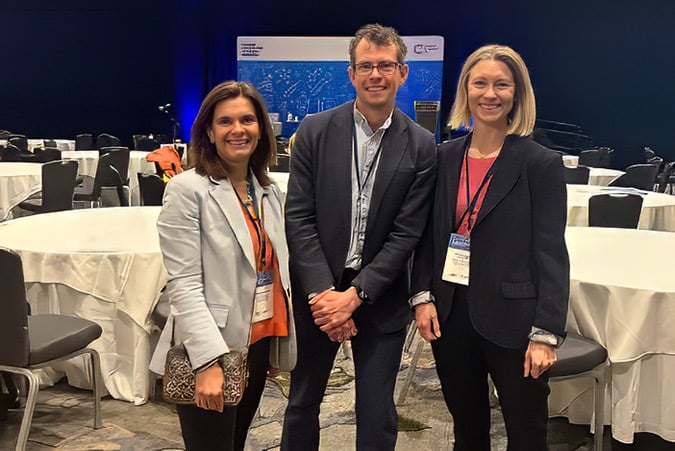
Dr Mike Coleman (centre) with Dr Giota Mitrou (left) and Dr Helen Croker (right) from WCRF International.
Dr Coleman says that the fellowship gave him the security to chase the questions that sparked curiosity in him and allowed him to be a little more fearless.
When thinking about advice for early career researchers, Dr Coleman encourages scientists to think outside of their own silos. He says that the days of one lab solving a problem in isolation is waning, and projects are now being executed in bigger, broader teams. “Dipping a toe in the other research pools gives you a lot back and it will naturally create a network of people you could collaborate with in the future.”
By the end of his Marilyn Gentry Fellowship, Dr Coleman had not only built an extensive body of research, publishing over 20 papers, but helped strengthen the idea that obesity directly suppresses the body’s ability to fight cancer, and that restoring metabolic health could improve responses to future cancer treatments and immunotherapies.
“This fellowship didn’t just support my research,” he says. “It helped to shape the future direction of my career.”
Currently Dr Coleman’s work, at UNC Chapel Hill, continues to further understand how weight management and metabolic approaches can be used to revitalise immune response in cancer.
Latest news and blogs
Our Cancer and Nutrition Helpline is staffed by oncology dietitians who help people living with cancer and their loved ones find their way through the maze of misinformation about nutrition after a diagnosis.
Our dietitians are asked about cancer and nutrition myths more than any other subject. Here are a few of the questions they answer most often.
“I’ve just been diagnosed with cancer. What can I do to help myself before my treatment starts?” – Dave
Receiving a cancer diagnosis can feel overwhelming. It can also feel like you’re losing some of your independence as your calendar fills with hospital appointments. But there are steps you can take yourself to look after your health before treatment begins.
Healthy changes will stand you in good stead as you go through treatment so it’s helpful to make a start as soon as you can. That means following a healthy, balanced diet, being physically active and looking after your mental health. Ask your cancer care team for advice and let them know about any changes you’re making.
Some cancer centres run prehabilitation programmes designed to help you prepare for treatment in the days or weeks before it starts. Prehab programmes typically focus on your general health, including your diet and how active you are, and your emotional wellbeing. Their goal is to get you in the best state possible for treatment.
There’s increasing evidence of the benefits of prehab for people living with cancer. It can reduce your side effects or help you cope better with side effects linked to your treatment. It can shorten the time you need to spend recovering in hospital. And, sometimes, being fitter can mean you’re offered treatments you wouldn’t otherwise be suitable for.
You don’t need to take part in an official hospital prehab programme to benefit from making healthy changes and looking after your general health, but make sure you’re using information from a robust, evidence backed source like World Cancer Research Fund, the NHS website or other trusted information creators showing the PIF TICK symbol.
See it as taking steps to invest in your health which will not only bolster you to cope better with treatment, but also help with your recovery and lay foundations for healthy habits in the future.
“I’ve seen cancer-fighting diets advertised online. What’s your advice?” – Bernice
You may come across ‘fad diets’ which claim they can fight cancer and, with claims like that, it’s not surprising if they grab your attention. That’s exactly what they are designed to do, but there’s no scientific evidence that following any particular diet can cure cancer or replace cancer treatments.
Cancer and cancer treatment can be tough on your body so it’s really important that you give your body the energy (calories) and nutrients it needs. Some ‘fad diets’ suggest you restrict yourself to particular foods or cut out whole food groups like carbohydrates or dairy. These diets might stop you getting what your body needs and they aren’t backed by reliable scientific evidence.
It’s much safer to stick to a healthy, balanced diet before, during and after cancer treatment. If you have questions about healthy eating, ask your cancer care team or contact our Cancer and Nutrition Helpline – you can pick up the phone or drop them a line.
“Is a vegan diet a good idea during cancer treatment?” – Becky
There’s no evidence to suggest that a vegan or plant-based diet gives you any advantages during cancer treatment compared to a diet that includes animal products.
We do know that eating plenty of plant-based foods like fruit, veg, pulses (like beans, chickpeas or lentils) and wholegrains (like brown rice, bread and pasta) can help give your body essential nutrients like vitamins, minerals and fibre.
So a vegan diet isn’t something you need to avoid as long as there’s enough variety in what you eat so your body can fight infection, cope with treatment side effects and minimise weight loss. That means you need to make sure you get enough energy (calories), protein, vitamins and minerals.
Going vegan sometimes means you can struggle to get everything your body needs and to keep to a healthy weight, especially as cancer and cancer treatments can make you feel sick or affect your appetite. But a vegan diet which includes a variety of different foods can be a good substitute for an animal-based diet if it gives you enough energy and you don’t miss out on any essential nutrients.
If you’re following a vegan diet or want to swap to one, it’s a good idea to speak to a dietitian to check you’re still getting all the nutrients your body needs.
“Will taking supplements help me during my cancer treatment?” – Ian
Most people don’t need to take dietary supplements as long as they’re following a healthy balanced diet, and that includes people who are living with cancer. Some supplements can be harmful, increasing tumour growth, and some can interfere with how chemotherapy and radiotherapy work.
Let your cancer care team know about any supplements you’re taking, including the doses. That includes homeopathic, natural or herbal remedies. Even if a supplement is made from plants and seems natural, that doesn’t mean it’s safe. You should only take supplements that your doctor or dietitian has said are ok for you.
Even multivitamin supplements which include a wide range of nutrients will not give you all the benefits of substances naturally found in foods like fibre.
If you can’t manage to eat very much or you can’t eat a healthy balanced diet because of your cancer or the side effects of treatment, you might need advice from your doctor or a dietitian.
They can check if you’re missing out on essential nutrients like vitamins and minerals like iron and give you advice on how to top up on the nutrients you need. That may be through a small change to your diet or they may prescribe a supplement that’s safe to take during treatment.
Examples are calcium and vitamin D to support your bone health or protein-rich drinks or powder to give your body enough protein to repair itself when you are unwell.
“I heard that sugar makes cancer grow more quickly so should I try and cut it out completely?” – Kam
There’s no strong evidence to show that avoiding sugar can stop cancer cells growing or that sugar directly causes cancer. So the answer’s no, you don’t need to avoid sugar entirely.
Sugar comes into our diet from different sources. You don’t only find sugar in foods like cakes and biscuits, in soft drinks or added to savoury foods like soups and ready meals. It’s also found naturally in foods like fruit and milk.
If you decided to restrict all the sugar you have, of all types, that could mean limiting how much fruit and veg you eat. We know that having a mix of fruit and veg is important to give you the vitamins and minerals you need to help with your recovery.
Instead, for a healthy balanced diet, we recommend that you limit how much added sugar you have. That’s the sugar in sugar-sweetened syrups, cakes, biscuits, chocolate and full-sugar soft drinks. It’s also the sugar you often find in ready-made soups, sauces, ketchup and ready meals. You’ll see if these foods have had sugar added on the ingredients list on the packaging.
You don’t need to cut down on the sugars in fruit and milk because they are digested slower than added sugar and also come with other nutrients like fibre, vitamins and minerals.
It’s a good idea to try to limit the added sugar in your diet because over time the excess calories can affect your weight. We know that living with overweight or obesity increases your risk of cancer.
There can be exceptions to this. If your appetite is poor or you’re having cancer treatment and are losing weight without intending to, foods with added sugar can be useful to help you get enough calories to regain a healthy weight. A dietitian can advise if this would help you and can give you tips on which foods to choose.

Cancer and Nutrition Helpline
Looking for trusted nutrition advice after a cancer diagnosis? Our FREE Cancer and Nutrition Helpline offers expert answers and practical support for people living with cancer and those who care for them.
Latest news and blogs
This week, World Cancer Research Fund released new findings showing that 44% of patient-facing NHS staff encounter inaccurate or misleading information about nutrition and supplements at least once per week.
I am part of the 44%. Every week in my GP surgery, I see the consequences of health misinformation.
My patients arrive clutching newspaper stories, social media screenshots, printouts from wellness websites or saved videos from TikTok.
They are not reckless people, quite the opposite. They want better support for their treatment and to regain a sense of control.
Why “natural” doesn’t always mean safe
What worries me is not one miracle pill or herbal supplement. It’s the widely held belief that if something is sold over the counter, marked as “natural” or endorsed online, then it must automatically be safe. As doctors, we know that simply is not true.
Indeed, the full research for the action week shows that 42% of UK adults trust the health claims of products if they are legally sold in the UK.
There is also the dangerous assumption that “natural” means harmless, while prescribed medicines are somehow toxic. As I explain to patients, many of the medicines we rely on today originated from plants.
Nature can heal, but it can harm too. Doses matter, interactions matter and most of all, evidence matters.
Why health misinformation thrives online
In the digital age, separating evidence-based advice from misinformation has become extraordinarily difficult. We are bombarded with persuasive health claims, “life-changing” testimonials and confident voices that insist they have discovered what doctors do not want you to know.
I am incredibly cautious when someone is trying to sell certainty, especially when pushing a product.
Good doctors and other healthcare professionals do not make promises. We weigh up evidence, discuss risks and acknowledge the unknowns. Anyone claiming to hold “secret cures” or hidden truths should be approached with caution.
Because there is science and then there is science distorted, cherry-picked or stripped of context to put a price tag on hope.
Why false hope can be so powerful
This hope is a powerful currency. I know it not only as a doctor, but as a cancer patient myself.
When I was diagnosed with bowel cancer in my late thirties, I truly understood what vulnerability feels like. I would have done anything to get better, stay better and be with my children for longer.
People prey on this vulnerability.
The risks with supplements
As doctors, we talk about the importance of lifestyle factors because they matter: physical activity, diet, sleep, alcohol, weight. If I could prescribe exercise on the green prescription slip, I would.
On the contrary, the desire to improve our health can sometimes make us susceptible to oversimplified solutions or misleading claims. I have witnessed patients taking supplements that interfere with prescribed medication, or herbal remedies causing severe side effects on the skin and liver.
This is why it is so important to discuss any supplements, vitamins or alternative remedies with a healthcare professional.
You should never feel embarrassed about raising these conversations with your doctor. In my consultations, I want to make it as clear as possible: we are on the same team, and we both want you to get better.
Why questions are a good thing
No doctor knows everything; my patients teach me things every day. I have huge respect for informed for informed, curious people who ask questions and want to know more about their health.
In fact, I would trust a doctor who says “I don’t know, but let me find out” 100 times over one that claims to know all the answers.
How to spot health misinformation
When health information feels overwhelming or confusing, there are three simple steps you can take:
1. Pause before believing dramatic claims
Be sceptical of quick fixes, miracle cures and claims that sound too good to be true.
Take extra care if someone is selling a product alongside their advice.
2. Use trusted, evidence-based sources
Look for information from reputable organisations like World Cancer Research Fund.
They have developed a practical tool, called the TRUST Test, to help people assess health information before it causes harm.
3. Speak to a healthcare professional
You do not always have to speak to your GP.
Pharmacists, for example, are a valuable and accessible source of advice when it comes to medicine, supplements and the potential interactions between them.
Looking to a better future
Social media and the internet has transformed access to health information. At its best, it empowers people. At its worst, it leaves people vulnerable to exploitation, confusion and harm.
Good healthcare should never begin with fear or false promises. It should be built on honesty, evidence and trust.

Latest news and blogs
Health misinformation is widespread. Many people are still unaware that alcohol is a Group 1 carcinogen, linked to at least 7 different cancers including breast and bowel. This is unsurprising when you consider the alcohol industry’s long documented history of downplaying these well-established risks.
What’s more, alcohol is an outlier when it comes to labelling. Did you know that there is more legally required information on a bottle of water than on a bottle of alcohol? This is despite the serious harm alcohol can do, and the clear evidence that when it comes to cancer there is no safe level of alcohol consumption.
Cancer warnings on alcohol labels
To counter this and ensure people have access to clear, evidence-based information, World Cancer Research Fund (WCRF) and Balance are campaigning for a cancer warning to be included on the UK Government’s forthcoming mandatory alcohol labels, as outlined in our guest blog – It’s time to expose the great alcohol hoax. It is also imperative that industry-backed messaging such as ‘drink responsibly’ are removed, and that the policy is protected from industry influence more broadly.
The reality is that mandatory labels will take some time to come into force. In the meantime, WCRF has developed the TRUST Test, a simple tool to help people make sense of the health information they encounter online and separate fact from fiction. In our guest blog for Alcohol Change UK – Tackling persistent health misinformation on alcohol – we apply our TRUST Test to a common myth about red wine, showing how scientific research has been taken out of context.
Melissa Dando
The [red wine] myth originates from a study which found that a large amount of resveratrol, an antioxidant in the skin of purple and red grapes and therefore present in red wine, supported heart health in mice. The reality is that one would have to drink between 100 and 1,000 glasses of red wine a day to get anywhere near the amount of resveratrol equivalent to the doses that improved heart health in mice.
Health professionals also have a vital role to play. That’s why we’re calling for the upcoming NHS 10 Year Workforce Plan to provide additional staffing capacity and training on cancer prevention. This will help ensure that nurses and other patient-facing staff have the time and skills to counter the health misinformation, including on alcohol, that patients are increasingly bringing to their routine appointments.

Latest news and blogs
Despite widespread use of dietary supplements, research has shown that taking supplements does not reduce the risk of cancer. Instead, the strongest evidence continues to support following healthy lifestyle recommendations, including eating a balanced diet, maintaining a healthy weight and being physically active.
In our guest blog for MyNutriWeb, we explore common beliefs about supplements and cancer prevention, and highlight the challenges health professionals face when helping patients navigate conflicting nutrition information.
Why food comes first
While vitamins and minerals are essential for good health, experts recommend obtaining them through food wherever possible. Whole foods contain a complex mix of nutrients and other beneficial compounds that work together in ways supplements cannot replicate.
Rachel Clark
We recommend that people do not use supplements for cancer prevention. When it comes to cancer prevention, for most people, eating a healthy, balanced diet is more likely to help protect against cancer than taking dietary supplements.
Supporting informed conversations
With nutrition misinformation widely available online, health professionals have an important role in helping people understand what the evidence shows about supplements and cancer prevention.
The NutriWeb article provides practical insights to support evidence-based conversations and reinforces the importance of promoting healthy dietary patterns rather than relying on supplements.
What does reduce the risk of cancer?
While supplements do not prevent cancer, our cancer prevention guidance is grounded in decades of global research into diet, weight, physical activity and cancer.
We bring together the best available evidence to help people make informed choices – without hype or false promises.
Healthy dietary patterns, such as sustainable plant-based diets which prioritise vegetables, fruits, whole grains, legumes, nuts, and seeds, continue to show more consistent associations with cancer prevention than isolated supplements.
 Learn more
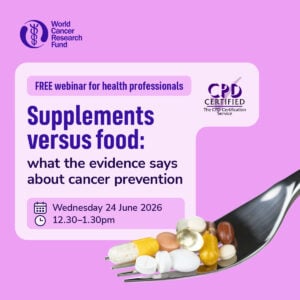
To explore the evidence in more detail, join our webinar, Supplements versus food: What the evidence says about cancer prevention, which will examine the latest research and provide practical guidance for health professionals.