Using mindfulness to reduce stress in breast cancer patients receiving chemotherapy
This study assesses the effect of a 6-week online mindfulness program on stress reduction and related symptoms in women undergoing chemotherapy for breast cancer
Exercise and lifestyle intervention for adolescents with cancer
World Cancer Research Fund is funding a new research project into whether physical exercise intervention and lifestyle counselling can help teenagers with cancer
Using mindfulness to reduce stress in breast cancer patients receiving chemotherapy
This study assesses the effect of a 6-week online mindfulness program on stress reduction and related symptoms in women undergoing chemotherapy for breast cancer
Harnessing γδ T-cell therapies with exercise to treat multiple myeloma
This study investigates how exercise boosts γδ T-cells to strengthen immune responses against multiple myeloma, with the potential to develop new treatments that improve patient outcomes
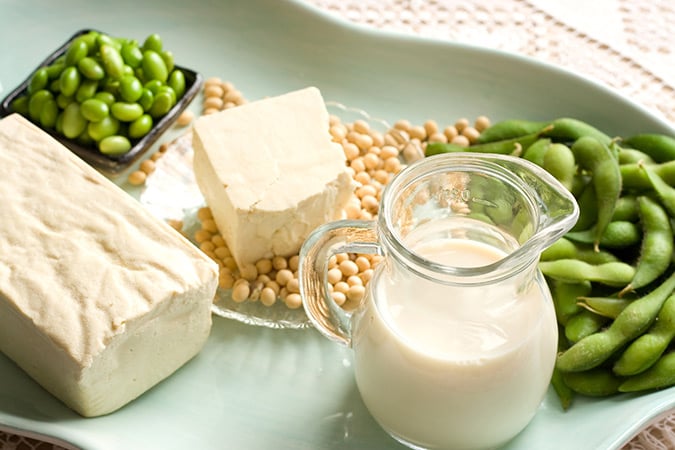
High soy intake in early-life linked to lower breast density
New findings suggest that soy consumption during childhood and adolescence is associated with lower breast density in adulthood, a predictor of lower breast cancer risk.
Are colon cancer subtypes linked to a greater risk of recurrence – and could diet be relevant?
A particular colon cancer subtype, imCMS4, was linked to the highest risk of recurrence, and a more ‘pro-inflammatory’ diet was associated with greater recurrence risk in this same subgroup.
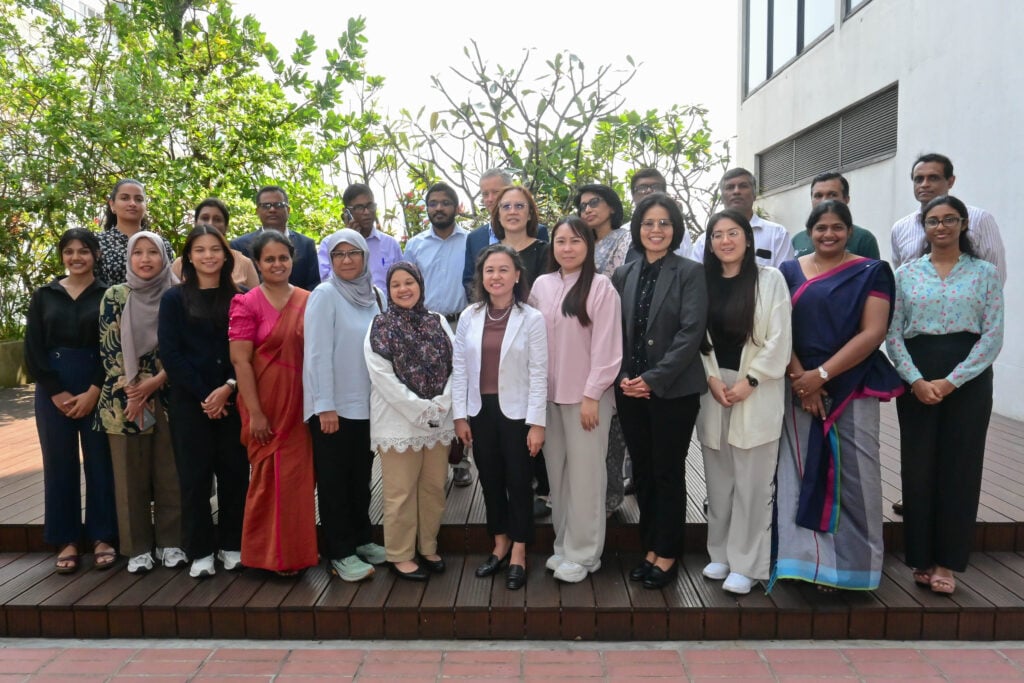
Benchmarking government policies to enhance food environments in Asia
Nisha Arunatilake of the Institute of Policy Studies Sri Lanka reflects on how the SHAPE Asia project is applying World Cancer Research Fund International’s policy tools to assess food environment policies across five countries in the Asian region.
High soy intake in early-life linked to lower breast density
New findings suggest that soy consumption during childhood and adolescence is associated with lower breast density in adulthood, a predictor of lower breast cancer risk.
High soy intake in early-life linked to lower breast density
New findings suggest that soy consumption during childhood and adolescence is associated with lower breast density in adulthood, a predictor of lower breast cancer risk.
Are colon cancer subtypes linked to a greater risk of recurrence – and could diet be relevant?
A particular colon cancer subtype, imCMS4, was linked to the highest risk of recurrence, and a more ‘pro-inflammatory’ diet was associated with greater recurrence risk in this same subgroup.
High soy intake in early-life linked to lower breast density
New findings suggest that soy consumption during childhood and adolescence is associated with lower breast density in adulthood, a predictor of lower breast cancer risk.
Are colon cancer subtypes linked to a greater risk of recurrence – and could diet be relevant?
A particular colon cancer subtype, imCMS4, was linked to the highest risk of recurrence, and a more ‘pro-inflammatory’ diet was associated with greater recurrence risk in this same subgroup.
Non-metastatic colorectal cancer: the role of liver fat, treatment tolerance & prognosis
The aim of this project is to unravel the role of liver fat in relation to acute and long-term clinical outcomes in individuals with large bowel cancer
Harnessing γδ T-cell therapies with exercise to treat multiple myeloma
This study investigates how exercise boosts γδ T-cells to strengthen immune responses against multiple myeloma, with the potential to develop new treatments that improve patient outcomes
Bridging the gap in physical activity and diet support for breast cancer survivors
The aim of this project is to expand our previous study and improve breast cancer survivors’ exercise, healthy diet habits, quality of life and reduce risk of cancer returning
The effect of food and drink on oesophageal cancer risk in east Africa
This research – funded by WKOF – is looking at whether strong alcohol, heat damage from hot food and drinks, and a restricted diet increase oesophageal cancer risk