Our Cancer and Nutrition Helpline is staffed by oncology dietitians who help people living with cancer and their loved ones find their way through the maze of misinformation about nutrition after a diagnosis.
Our dietitians are asked about cancer and nutrition myths more than any other subject. Here are a few of the questions they answer most often.
“I’ve just been diagnosed with cancer. What can I do to help myself before my treatment starts?” – Dave
Receiving a cancer diagnosis can feel overwhelming. It can also feel like you’re losing some of your independence as your calendar fills with hospital appointments. But there are steps you can take yourself to look after your health before treatment begins.
Healthy changes will stand you in good stead as you go through treatment so it’s helpful to make a start as soon as you can. That means following a healthy, balanced diet, being physically active and looking after your mental health. Ask your cancer care team for advice and let them know about any changes you’re making.
Some cancer centres run prehabilitation programmes designed to help you prepare for treatment in the days or weeks before it starts. Prehab programmes typically focus on your general health, including your diet and how active you are, and your emotional wellbeing. Their goal is to get you in the best state possible for treatment.
There’s increasing evidence of the benefits of prehab for people living with cancer. It can reduce your side effects or help you cope better with side effects linked to your treatment. It can shorten the time you need to spend recovering in hospital. And, sometimes, being fitter can mean you’re offered treatments you wouldn’t otherwise be suitable for.
You don’t need to take part in an official hospital prehab programme to benefit from making healthy changes and looking after your general health, but make sure you’re using information from a robust, evidence backed source like World Cancer Research Fund, the NHS website or other trusted information creators showing the PIF TICK symbol.
See it as taking steps to invest in your health which will not only bolster you to cope better with treatment, but also help with your recovery and lay foundations for healthy habits in the future.
“I’ve seen cancer-fighting diets advertised online. What’s your advice?” – Bernice
You may come across ‘fad diets’ which claim they can fight cancer and, with claims like that, it’s not surprising if they grab your attention. That’s exactly what they are designed to do, but there’s no scientific evidence that following any particular diet can cure cancer or replace cancer treatments.
Cancer and cancer treatment can be tough on your body so it’s really important that you give your body the energy (calories) and nutrients it needs. Some ‘fad diets’ suggest you restrict yourself to particular foods or cut out whole food groups like carbohydrates or dairy. These diets might stop you getting what your body needs and they aren’t backed by reliable scientific evidence.
It’s much safer to stick to a healthy, balanced diet before, during and after cancer treatment. If you have questions about healthy eating, ask your cancer care team or contact our Cancer and Nutrition Helpline – you can pick up the phone or drop them a line.
“Is a vegan diet a good idea during cancer treatment?” – Becky
There’s no evidence to suggest that a vegan or plant-based diet gives you any advantages during cancer treatment compared to a diet that includes animal products.
We do know that eating plenty of plant-based foods like fruit, veg, pulses (like beans, chickpeas or lentils) and wholegrains (like brown rice, bread and pasta) can help give your body essential nutrients like vitamins, minerals and fibre.
So a vegan diet isn’t something you need to avoid as long as there’s enough variety in what you eat so your body can fight infection, cope with treatment side effects and minimise weight loss. That means you need to make sure you get enough energy (calories), protein, vitamins and minerals.
Going vegan sometimes means you can struggle to get everything your body needs and to keep to a healthy weight, especially as cancer and cancer treatments can make you feel sick or affect your appetite. But a vegan diet which includes a variety of different foods can be a good substitute for an animal-based diet if it gives you enough energy and you don’t miss out on any essential nutrients.
If you’re following a vegan diet or want to swap to one, it’s a good idea to speak to a dietitian to check you’re still getting all the nutrients your body needs.
“Will taking supplements help me during my cancer treatment?” – Ian
Most people don’t need to take dietary supplements as long as they’re following a healthy balanced diet, and that includes people who are living with cancer. Some supplements can be harmful, increasing tumour growth, and some can interfere with how chemotherapy and radiotherapy work.
Let your cancer care team know about any supplements you’re taking, including the doses. That includes homeopathic, natural or herbal remedies. Even if a supplement is made from plants and seems natural, that doesn’t mean it’s safe. You should only take supplements that your doctor or dietitian has said are ok for you.
Even multivitamin supplements which include a wide range of nutrients will not give you all the benefits of substances naturally found in foods like fibre.
If you can’t manage to eat very much or you can’t eat a healthy balanced diet because of your cancer or the side effects of treatment, you might need advice from your doctor or a dietitian.
They can check if you’re missing out on essential nutrients like vitamins and minerals like iron and give you advice on how to top up on the nutrients you need. That may be through a small change to your diet or they may prescribe a supplement that’s safe to take during treatment.
Examples are calcium and vitamin D to support your bone health or protein-rich drinks or powder to give your body enough protein to repair itself when you are unwell.
“I heard that sugar makes cancer grow more quickly so should I try and cut it out completely?” – Kam
There’s no strong evidence to show that avoiding sugar can stop cancer cells growing or that sugar directly causes cancer. So the answer’s no, you don’t need to avoid sugar entirely.
Sugar comes into our diet from different sources. You don’t only find sugar in foods like cakes and biscuits, in soft drinks or added to savoury foods like soups and ready meals. It’s also found naturally in foods like fruit and milk.
If you decided to restrict all the sugar you have, of all types, that could mean limiting how much fruit and veg you eat. We know that having a mix of fruit and veg is important to give you the vitamins and minerals you need to help with your recovery.
Instead, for a healthy balanced diet, we recommend that you limit how much added sugar you have. That’s the sugar in sugar-sweetened syrups, cakes, biscuits, chocolate and full-sugar soft drinks. It’s also the sugar you often find in ready-made soups, sauces, ketchup and ready meals. You’ll see if these foods have had sugar added on the ingredients list on the packaging.
You don’t need to cut down on the sugars in fruit and milk because they are digested slower than added sugar and also come with other nutrients like fibre, vitamins and minerals.
It’s a good idea to try to limit the added sugar in your diet because over time the excess calories can affect your weight. We know that living with overweight or obesity increases your risk of cancer.
There can be exceptions to this. If your appetite is poor or you’re having cancer treatment and are losing weight without intending to, foods with added sugar can be useful to help you get enough calories to regain a healthy weight. A dietitian can advise if this would help you and can give you tips on which foods to choose.

Cancer and Nutrition Helpline
Looking for trusted nutrition advice after a cancer diagnosis? Our FREE Cancer and Nutrition Helpline offers expert answers and practical support for people living with cancer and those who care for them.
Latest news and blogs

This week, World Cancer Research Fund released new findings showing that 44% of patient-facing NHS staff encounter inaccurate or misleading information about nutrition and supplements at least once per week.
I am part of the 44%. Every week in my GP surgery, I see the consequences of health misinformation.
My patients arrive clutching newspaper stories, social media screenshots, printouts from wellness websites or saved videos from TikTok.
They are not reckless people, quite the opposite. They want better support for their treatment and to regain a sense of control.
Why “natural” doesn’t always mean safe
What worries me is not one miracle pill or herbal supplement. It’s the widely held belief that if something is sold over the counter, marked as “natural” or endorsed online, then it must automatically be safe. As doctors, we know that simply is not true.
Indeed, the full research for the action week shows that 42% of UK adults trust the health claims of products if they are legally sold in the UK.
There is also the dangerous assumption that “natural” means harmless, while prescribed medicines are somehow toxic. As I explain to patients, many of the medicines we rely on today originated from plants.
Nature can heal, but it can harm too. Doses matter, interactions matter and most of all, evidence matters.
Why health misinformation thrives online
In the digital age, separating evidence-based advice from misinformation has become extraordinarily difficult. We are bombarded with persuasive health claims, “life-changing” testimonials and confident voices that insist they have discovered what doctors do not want you to know.
I am incredibly cautious when someone is trying to sell certainty, especially when pushing a product.
Good doctors and other healthcare professionals do not make promises. We weigh up evidence, discuss risks and acknowledge the unknowns. Anyone claiming to hold “secret cures” or hidden truths should be approached with caution.
Because there is science and then there is science distorted, cherry-picked or stripped of context to put a price tag on hope.
Why false hope can be so powerful
This hope is a powerful currency. I know it not only as a doctor, but as a cancer patient myself.
When I was diagnosed with bowel cancer in my late thirties, I truly understood what vulnerability feels like. I would have done anything to get better, stay better and be with my children for longer.
People prey on this vulnerability.
The risks with supplements
As doctors, we talk about the importance of lifestyle factors because they matter: physical activity, diet, sleep, alcohol, weight. If I could prescribe exercise on the green prescription slip, I would.
On the contrary, the desire to improve our health can sometimes make us susceptible to oversimplified solutions or misleading claims. I have witnessed patients taking supplements that interfere with prescribed medication, or herbal remedies causing severe side effects on the skin and liver.
This is why it is so important to discuss any supplements, vitamins or alternative remedies with a healthcare professional.
You should never feel embarrassed about raising these conversations with your doctor. In my consultations, I want to make it as clear as possible: we are on the same team, and we both want you to get better.
Why questions are a good thing
No doctor knows everything; my patients teach me things every day. I have huge respect for informed for informed, curious people who ask questions and want to know more about their health.
In fact, I would trust a doctor who says “I don’t know, but let me find out” 100 times over one that claims to know all the answers.
How to spot health misinformation
When health information feels overwhelming or confusing, there are three simple steps you can take:
1. Pause before believing dramatic claims
Be sceptical of quick fixes, miracle cures and claims that sound too good to be true.
Take extra care if someone is selling a product alongside their advice.
2. Use trusted, evidence-based sources
Look for information from reputable organisations like World Cancer Research Fund.
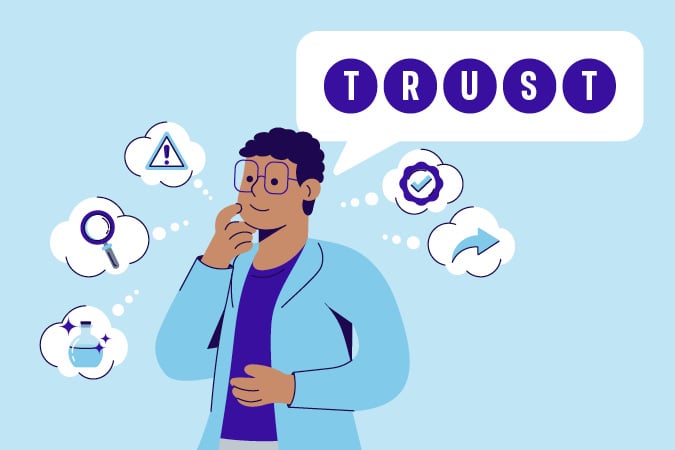
They have developed a practical tool, called the TRUST Test, to help people assess health information before it causes harm.
3. Speak to a healthcare professional
You do not always have to speak to your GP.
Pharmacists, for example, are a valuable and accessible source of advice when it comes to medicine, supplements and the potential interactions between them.
Looking to a better future
Social media and the internet has transformed access to health information. At its best, it empowers people. At its worst, it leaves people vulnerable to exploitation, confusion and harm.
Good healthcare should never begin with fear or false promises. It should be built on honesty, evidence and trust.

Latest news and blogs
Health misinformation is widespread. Many people are still unaware that alcohol is a Group 1 carcinogen, linked to at least 7 different cancers including breast and bowel. This is unsurprising when you consider the alcohol industry’s long documented history of downplaying these well-established risks.
What’s more, alcohol is an outlier when it comes to labelling. Did you know that there is more legally required information on a bottle of water than on a bottle of alcohol? This is despite the serious harm alcohol can do, and the clear evidence that when it comes to cancer there is no safe level of alcohol consumption.
Cancer warnings on alcohol labels
To counter this and ensure people have access to clear, evidence-based information, World Cancer Research Fund (WCRF) and Balance are campaigning for a cancer warning to be included on the UK Government’s forthcoming mandatory alcohol labels, as outlined in our guest blog – It’s time to expose the great alcohol hoax. It is also imperative that industry-backed messaging such as ‘drink responsibly’ are removed, and that the policy is protected from industry influence more broadly.
The reality is that mandatory labels will take some time to come into force. In the meantime, WCRF has developed the TRUST Test, a simple tool to help people make sense of the health information they encounter online and separate fact from fiction. In our guest blog for Alcohol Change UK – Tackling persistent health misinformation on alcohol – we apply our TRUST Test to a common myth about red wine, showing how scientific research has been taken out of context.
Melissa Dando
The [red wine] myth originates from a study which found that a large amount of resveratrol, an antioxidant in the skin of purple and red grapes and therefore present in red wine, supported heart health in mice. The reality is that one would have to drink between 100 and 1,000 glasses of red wine a day to get anywhere near the amount of resveratrol equivalent to the doses that improved heart health in mice.
Health professionals also have a vital role to play. That’s why we’re calling for the upcoming NHS 10 Year Workforce Plan to provide additional staffing capacity and training on cancer prevention. This will help ensure that nurses and other patient-facing staff have the time and skills to counter the health misinformation, including on alcohol, that patients are increasingly bringing to their routine appointments.

Latest news and blogs
Despite widespread use of dietary supplements, research has shown that taking supplements does not reduce the risk of cancer. Instead, the strongest evidence continues to support following healthy lifestyle recommendations, including eating a balanced diet, maintaining a healthy weight and being physically active.
In our guest blog for MyNutriWeb, we explore common beliefs about supplements and cancer prevention, and highlight the challenges health professionals face when helping patients navigate conflicting nutrition information.
Why food comes first
While vitamins and minerals are essential for good health, experts recommend obtaining them through food wherever possible. Whole foods contain a complex mix of nutrients and other beneficial compounds that work together in ways supplements cannot replicate.
Rachel Clark
We recommend that people do not use supplements for cancer prevention. When it comes to cancer prevention, for most people, eating a healthy, balanced diet is more likely to help protect against cancer than taking dietary supplements.
Supporting informed conversations
With nutrition misinformation widely available online, health professionals have an important role in helping people understand what the evidence shows about supplements and cancer prevention.
The NutriWeb article provides practical insights to support evidence-based conversations and reinforces the importance of promoting healthy dietary patterns rather than relying on supplements.
What does reduce the risk of cancer?
While supplements do not prevent cancer, our cancer prevention guidance is grounded in decades of global research into diet, weight, physical activity and cancer.
We bring together the best available evidence to help people make informed choices – without hype or false promises.
Healthy dietary patterns, such as sustainable plant-based diets which prioritise vegetables, fruits, whole grains, legumes, nuts, and seeds, continue to show more consistent associations with cancer prevention than isolated supplements.
 Learn more
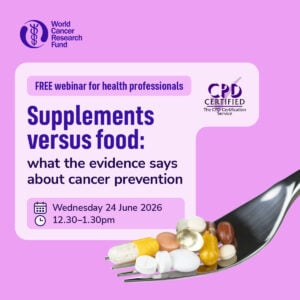
To explore the evidence in more detail, join our webinar, Supplements versus food: What the evidence says about cancer prevention, which will examine the latest research and provide practical guidance for health professionals.

Latest news and blogs
One of the biggest health challenges of our time
Health misinformation is not a new challenge, but its scale and impact have increased significantly in recent years. At World Cancer Research Fund (WCRF), we are increasingly concerned about the ways in which misleading and inaccurate health information is hindering the public’s understanding of cancer risk, preventing cancer, and survivorship.
The rate at which misinformation is generated and disseminated has increased exponentially in recent years, driven primarily through increased use of social media and the rise of influencers, celebrities, and others sharing health advice online without formal scientific or medical training. This is having real-world consequences with attention diverted away from what we know reduces cancer risk, to promises of quick fixes and miracle cures.
That is why this year for Cancer Prevention Action Week (CPAW), we’re launching a three-year campaign to tackle health misinformation.
To kick off the campaign, CPAW 2026 will focus on sharing the latest evidence on cancer prevention relating to diet, supplements and alcohol. We will also raise awareness of trusted sources and promote WCRF’s practical guides that provide clear and up-to-date information people can incorporate into their daily lives.
In recognition that the issue of health misinformation is a systemic one, WCRF will also set out policy recommendations to address its causes over the course of the campaign. In 2026, these focus on supporting healthcare professionals to counter health misinformation, with future years likely to focus on addressing its causes.
Support for health professionals
Polling commissioned by WCRF highlights the burden health misinformation relating to cancer prevention and survivorship is placing on healthcare professionals. The forthcoming NHS Workforce Plan is a key opportunity to ease this burden.
First, the Plan must increase the number of patient-facing staff, such as general practice nurses, to improve patient access and allow time for conversations about cancer prevention during routine appointments.
Secondly, the Plan must help ensure that healthcare professionals are equipped with the latest information on nutrition, alcohol and physical activity as it relates to cancer. This can be done by embedding protected time for training within workforce planning. Crucially, the NHS Workforce Plan should also encourage education bodies to include cancer prevention and survivorship training in both pre-registration education and as part of continuing professional development (CPD).
The Plan must also recognise the ability to identify and respond to health misinformation as a core skill for patient-facing staff. Crucially, any increase in training must not simply add to existing pressures – instead training must be supported by additional staffing capacity and protected learning time.
Finally, there are many great resources on cancer prevention and survivorship that can support patient-facing healthcare professionals. For example, WCRF’s Alcohol and cancer: Let’s talk guide on how to have conversations with patients about alcohol and cancer can be particularly useful. Guides for the public, such as our 10 ways to protect yourself against cancer poster, provide clear, simple information that can support discussions with patients.
We also host a range of free, CPD certified webinars for health professionals, with one on supplements taking place on Wednesday 24 June – register for your place.
Addressing the drivers of health misinformation
While healthcare professionals have an important role to play in countering health misinformation, the responsibility does not rest solely with them. Instead, a broader, system-wide response is needed.
We know that around 40% of cancer cases in the UK are preventable. The evidence is clear: eating a healthy diet, maintaining a healthy weight, regular physical activity, and limiting alcohol reduce cancer risk. Yet online, this evidence competes daily with a vast and growing volume of content promoting fad diets, ‘anti-cancer’ supplements, detox regimens, and misleading claims about alcohol. Often commercially motivated and algorithmically amplified, this content frequently promises miracle cures and quick fixes.
The bottom line is that it’s unreasonable to expect people to navigate the overwhelming amount of health misinformation online without any safeguards. Currently, regulations in the UK permit ‘legal but harmful content’, which includes health misinformation. For example, an influencer promoting a supplement which they claim can cure cancer is producing content that is legal, despite it being harmful and untrue. This is unacceptable.
Algorithmic amplification then exacerbates the issue of legal but harmful content. A platform hosting misleading health content passively is one thing, but algorithms and paid advertising actively feeding it to people searching for health advice is more serious. While individual users should be held liable for what they post online, the platforms they post on should also be responsible, especially with regard to the systems they use to moderate, circulate and amplify content.
These are some of the challenges that we will be looking to address as our misinformation campaign develops. In the meantime, we have developed the TRUST Test, a simple tool that can help health professionals and their patients make sense of the health misinformation they encounter.
Join our Cancer Prevention Action Week campaign
Health misinformation online is not an issue that has arisen overnight and it will not be solved quickly, but Cancer Prevention Action Week (15-21 June) is a crucial start. Find out more about the campaign and how to get involved by visiting wcrf.org/CPAW2026.
Latest news and blogs
Patient-facing NHS staff are regularly being asked about inaccurate or misleading nutrition and supplement claims, while people who rely on social media for news are more likely to believe some misleading cancer-prevention claims, according to our new research released for Cancer Prevention Action Week 2026.
The YouGov research we commissioned found that 44% of patient-facing NHS staff say patients raise inaccurate or misleading nutrition or supplement information at least once a week – 6% say this happens daily or almost daily.
Social media
We also found a mismatch between confidence and understanding online. While 62% of UK adults say they feel confident finding trustworthy nutrition information online, this rises to 72% among people whose main news source is social network websites.
Despite their confidence, the same primary users of social media are more likely to believe some inaccurate cancer-prevention claims. Compared with people whose main news source is not social media, they are:
- More likely to wrongly think that certain supplements can reduce cancer risk (15% vs 11%).
- More likely to wrongly think that certain foods or diets can “starve” cancer (13% vs 7%).
- Less likely to identify (correctly) that eating plenty of fibre can reduce cancer risk (48% vs 55%).
More broadly, our polling found that nearly 1 in 5 UK adults say detoxes or “cleanses” are good for health, while more than 1 in 5 spend over £10 a month on dietary supplements.
Our warning therefore is that misleading advice can distract people from everyday habits known to reduce cancer risk, such as eating sensibly, staying active and reducing alcohol use, at a time when around 4 in 10 cancer cases in the UK are preventable through such changes.
Launching our TRUST Test
As part of this year’s Cancer Prevention Action Week, themed Science Not Fiction, we are launching our TRUST Test – a simple tool to help people check health information before acting on it or sharing it.
Action on training and resources
We are also calling on the UK Government to use the NHS Workforce Plan to better equip frontline staff with evidence-based knowledge on nutrition, supplements, cancer prevention and survivorship – and ensure staff have the time, skills and knowledge to address misinformation in routine care.
Previous UK research in authoritative publications has found that more than 70% of medical students and doctors surveyed reported receiving fewer than two hours of nutrition training at medical school.
We are already working with medical schools at the Universities of Lincoln and Southampton to create practical teaching resources for tomorrow’s doctors on diet, weight and cancer risk. Its pilot scheme with NHS Greater Glasgow and Clyde also makes the charity’s Cancer and Nutrition Helpline part of many patients’ cancer care pathways.
Rachael Hutson, Chief Executive of World Cancer Research Fund, said:
“Too many people are trying to make important health decisions in a fog of online misinformation. When advice is confusing or misleading, it can take people away from the everyday habits we know help reduce cancer risk and towards claims that are exaggerated, distorted or simply untrue.
Our TRUST Test is there to help people feel more confident about what they see online because when it comes to cancer prevention, it should be based on science, not fiction.”
Dr Liz O’Riordan, former breast surgeon, three-time breast cancer patient, keynote speaker and author, who is supporting the campaign, said:
“As a breast surgeon and breast cancer patient, I know how overwhelming it can be trying to make sense of all the information out there. When something sounds hopeful, it’s very easy to think ‘why not try it too?’ even if it’s not based on solid evidence. A lot of this information sounds convincing, but it doesn’t always tell the full story.”
Cancer Prevention Action Week runs from 15–21 June 2026.
Latest news and blogs
The internet and social media have transformed the way people access health information. While these platforms can help people learn more about cancer prevention, diagnosis and treatment, they have also become major channels for the spread of misinformation.
Our article, Cancer misinformation, social media, and the need for trusted evidence published by BMJ Leader, examines how cancer misinformation is affecting individuals, healthcare systems and public trust.
Unproven treatments and miracle cures
In the article, we highlight how false or misleading claims about cancer can spread quickly online, often reaching large audiences before accurate information has a chance to catch up. These claims can range from unproven treatments and miracle cures to misleading advice about cancer prevention and risk factors.
Misinformation can have serious consequences. It may discourage people from seeking medical advice, delay diagnosis and treatment, or lead individuals to make health decisions based on inaccurate information. It can also contribute to confusion and mistrust around established scientific evidence.
“Research suggests misinformation spreads particularly effectively when it taps into fear, hope, personal identity or distrust.”
Instilling confidence in evidence
The article argues that addressing cancer misinformation requires a collective response. Researchers, healthcare professionals, charities, policymakers and digital platforms all have a role to play in ensuring that reliable, evidence-based information is accessible and visible.
We also emphasise the importance of health literacy and helping people develop the skills needed to evaluate information critically. Building public confidence in trusted sources is essential if we are to counter misleading claims and support informed decision-making.
At World Cancer Research Fund, we are committed to providing clear, evidence-based information on cancer prevention and survivorship. As part of Cancer Prevention Action Week 2026, we continue to highlight Science Not Fiction – the importance of trustworthy health information and the need to tackle misinformation wherever it appears.
The full article explores these issues in greater depth and sets out why stronger collaboration across sectors is needed to protect public health and strengthen trust in evidence-based cancer information.
“We invite leaders across healthcare, public health and research to join us in ensuring that science, not fiction, shapes how cancer risk is reduced globally.”
Read Vanessa Gordon-Dseagu and Lilly Matson’s article, Cancer misinformation, social media and the need for trusted evidence, published in BMJ Leader.

Latest news and blogs
New evidence, published today, shows that sticking to five lifestyle recommendations improves survival after a later cancer diagnosis.
The findings provide encouraging evidence that simple, achievable habits established before a cancer diagnosis can play a role in improving long-term health and the health of those following a cancer diagnosis.
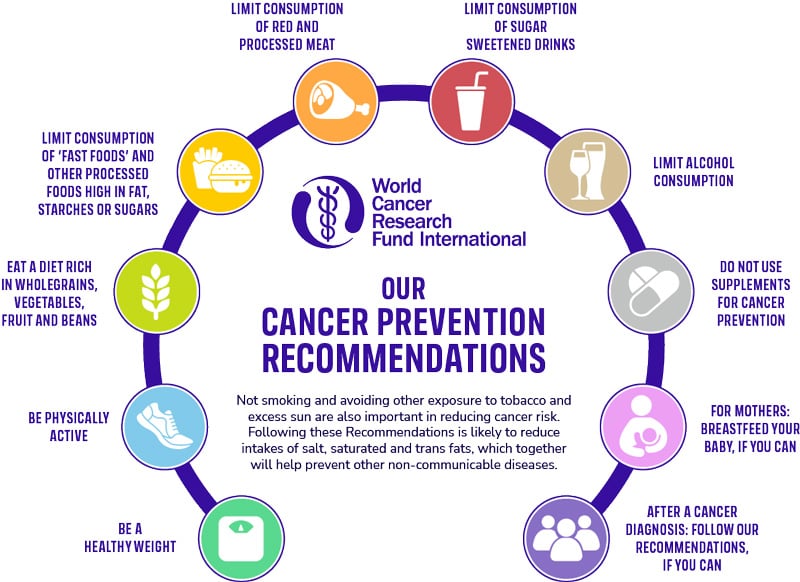
The Cancer Prevention Recommendations analysed in the study include:
- Be a healthy weight
- Be physically active
- Eat wholegrains, vegetables, fruit and beans
- Limit red and processed meat
- Limit alcohol consumption
The latest research led by Newcastle University, UK, published in Cancer was funded by Wereld Kanker Onderzoek Fonds, (WKOF) – the Netherlands-based charity within theWorld Cancer Research Fund International network of charities that also includes World Cancer Research Fund and the American Institute for Cancer Research.
The Recommendations were developed in 2018 by World Cancer Research Fund (WCRF) and the American Institute for Cancer Research (AICR) as evidence-based lifestyle guidance which aim to reduce cancer risk.
Although previous research in cancer survivors has indicated some positive effects, this new study provides the most comprehensive evidence to date of their association with improved survival for people living with and beyond cancer.
Professor John Mathers, Emeritus Professor of Human Nutrition at Newcastle University, who led the study, said:
“This research is incredibly exciting because, for the first time, we have shown that higher adherence to the WCRF/AICR 2018 Recommendations may reduce the risk of mortality for people diagnosed with cancer in a UK cohort.
The results of this paper add to an existing body of evidence on the WCRF/AICR Recommendations and cancer survivors and could be informative for those developing policies and clinical guidelines to improve health and longevity following a cancer diagnosis.”
Breaking down the results
The research team assessed the dietary and lifestyle data of 28,550 individuals who were assigned score points from 0-5 in relation to how closely the Recommendations were followed at the time of recruitment to the Biobank, prior to a cancer diagnosis. The UK Biobank is a large, population-based database, established to allow detailed investigations of the genetic and nongenetic determinants of the diseases of middle and old age.
Based on decades of research, the key WCRF/AICR Recommendations were developed in 2018.
The research team found that each 1-point increment in score, equivalent to fully meeting one Recommendation, was associated with an 8% lower chance of dying from any cause over time. Overall, having a score in the highest third of the study population was associated with a 16% lower chance of all-cause mortality, compared with those in the lowest third.
This association was consistent regardless of whether the individual smoked and also held true for multiple cancer types such as breast and liver cancers, suggesting broad survival benefits.
Calls for interventions for healthy living
The findings show that following a healthy lifestyle is not only important for cancer prevention but may also have implications for long-term health after a cancer diagnosis.
Dr Fiona Malcomson, researcher at Newcastle University and co-author of the paper said:
“The take home message is that the 2018 WCRF/AICR Cancer Prevention Recommendations apply to cancer survivors too. Having a healthier eating pattern, being more physically active and avoiding being too heavy, as described in the Recommendations, is associated with better long-term outcomes for those living with and beyond cancer.
The scientists behind the research suggest that these findings support prioritising the development of interventions to enhance adherence to the WCRF/AICR Recommendations– including after diagnosis – that may potentially lower mortality risk among people diagnosed with cancer. This means that cancer survivors can take action to improve their health and should be encouraged to do so by healthcare providers.”
Nadia Ameyah, Director of WKOF, the Netherland-based charity within WCRF International said:
“This tremendously exciting study further cements the status of our evidence-based Recommendations as one of the best ways of maintaining your health when living with and beyond cancer. We have always prided ourselves on the scientific grounding of our Recommendations for primary prevention, and this is the first time we have had such robust evidence for survivorship. Cancer survivorship and quality of life after cancer diagnosis are key priorities of WKOF.
We look forward to seeing how these findings will inform health policy and the design of healthcare interventions to help those living with and beyond cancer to live happier, healthier lives.”
Latest news and blogs
Coming into my new role as Interim Head of Policy and Public Affairs 1 at World Cancer Research Fund (WCRF) International, I was immediately faced with trying to understand what ultra-processed foods (UPFs) are and how they might, or might not, contribute to cancer risk.
The harms caused by UPFs have been a growing concern in public health, cancer research and nutrition policy over recent years. The increasing number of scientific publications such as Kevin Hall’s 2019 research and the recent Lancet series on UPFs and human health have further amplified and elevated attention to this critical issue. However, to be certain of the risks between UPFs and cancer, there is a need to identify, review and judge the strength of the evidence related to these potential links.
Foods can go through many different types of processing, not all of which are unhealthy. From common practices such as baking homemade bread and pasteurising milk, to commercial and industrial production which breaks foods down and recombines them, often using artificial preservatives and ingredients that aren’t normally found in a kitchen.
In 2010, the NOVA system of food classification was introduced and is now a common tool to categorise foods according to their level of processing:
- Unprocessed and minimally processed foods, containing no added fats, salt, sugar or other additives. Examples include frozen fruit and vegetables, and pasteurised milk.
- Processed culinary ingredients. These are ingredients that aren’t created to be eaten alone and are often used alongside foods in group 1 such as oils, sugars and salt.
- Processed food, where a product from group 2 – like salt, sugar, fat or vinegar – is added to minimally-processed foods. Examples include tinned goods such as lentils and beans, salted nuts and cheese.
- Ultra-processed foods. Many of the foods we consume daily fall into this category: pre-packaged meals (and yes, I have to admit, I am partial to an easy-to-cook ready meal on a Friday night), industrialised bread, sweets, soft drinks and sweetened yoghurt.
Why is this important and what does it mean for health?
Across the world, the average share of UPFs in a person’s diet ranges from 9% in Iran to 60% in the USA2. Recent UK data shows that 57% of the calories British people eat come from UPFs: a figure that rises, worryingly, to 63.5% for children aged 1.5-11 years and 68% for adolescents aged between 12-18 years. Furthermore, there are critical health equity dimensions to the consumption of UPFs, with greater exposure to UPFs often being found among lower-income, marginalised or socially disadvantaged populations.
The increasing consumption of UPFs is a trend that is being seen not just in high-income countries, but also in low- and middle-income countries (LMICs), leading to a double burden of malnutrition, with many LMICs being faced with challenges of both undernutrition and overweight and obesity at the same time3.
Alongside the growing body of evidence suggesting that UPFs are harmful to health, these trends are concerning. Combining the steady increase of UPF production and consumption in both high-income and lower-income countries, the way in which producers of UPFs undermine food systems and dietary patterns (by displacing minimally processed foods and being more affordable than freshly prepared meals), and the impact of UPFs on pollution, greenhouse gas emissions and biodiversity loss, it is abundantly clear that the growing consumption of UPFs requires urgent policy action.
But what is the link between UPFs and cancer?
Well, the honest answer is that, at the moment, we are not entirely sure. The recent Lancet review of available evidence found some indications that an ultra-processed dietary pattern increased risk of a range of chronic diseases, including cancer-related morbidity and mortality. A small number of studies found an association between the consumption of UPFs and increased overall incidence of cancer.
However, to be certain of the risks between UPFs and cancer, there is a need to identify, review and judge the strength of the evidence related to the potential links between UPFs and cancer risk. This includes the evidence related to the biological mechanisms that may be driving these links. It may also be the case that UPFs, in and of themselves, do not increase our risk of cancer directly but increase the risk of things we know do. For example, the Lancet study found a clear association between UPFs and overweight or obesity – and we know that people living with overweight or obesity have an increased risk of at least 13 different types of cancer. We also know that one way to prevent cancer is to avoid processed meat as we highlight in our 10 Cancer Prevention Recommendations.
What have I learned so far?
In my second week in my new role, I was fortunate enough to attend a policy forum on UPFs organised by Imperial College London. The forum set out a clear case for action and highlighted some excellent examples of good practice in national policy implementation to reduce consumption of UPFs. Two things struck me during this forum:
- The scale of the challenge we are facing: from the force of social media algorithms that dramatically increase exposure to UPF marketing practices, to the power large industry holds over food production and manufacturing processes, and the challenges of implementing regulatory policies that tackle rather than exacerbate health inequities.
- That we can do something about it: the UPF Policy Forum also highlighted progress being made to emphasise the contents of food to consumers (such as high amounts of sugar, salt or fat) using front-of-packing labels. These advances, as demonstrated in the Americas, are a WHO Best Buy policy that can improve consumers’ understanding and choices of foods they eat, as well as push food producers to improve the quality of foods they are making.
My third observation, or question, coming out of the UPF Policy Forum, however, was ‘what does this mean for me in my new role at WCRF International?’ I can see that there are some linkages between UPFs and cancer, but these are in no way conclusive. How can I legitimately argue that by reducing consumption of UPFs you can reduce your risk of cancer when there are still so many unanswered questions? And how can I advocate for policy change without robust scientific evidence?
The good news is that this evidence is coming
WCRF International’s Global Cancer Update Programme, CUP Global, has this year included a systematic review of evidence on UPFs and cancer risk. While there is no guarantee that this review will lead to a clear conclusion on the linkages between UPFs and cancer, it will certainly add more evidence to help inform the debate.
With that in mind, I’m looking forward to July when our CUP Global Expert Panel will come together and review the latest evidence on this. So, if you want to keep informed on the links between UPFs and cancer risk, keep watching this space. Or even better, follow us on LinkedIn and sign up to our monthly e-news for the latest updates.
Notes and references:
1 I’ll be covering this role while Kate Oldridge-Turner is on maternity leave.
2 Monteiro C, Louzada M, Steele-Martinez E et al. Ultra-processed foods and human health: the main thesis and evidence. The Lancet, 2025; 406, 266702684.
3 Popkin B, Corvalan C, Grummer-Strawn L Dynamics of the double burden of malnutrition and the changing nutrition reality. The Lancet, 2019; 395, 65-74.
Latest science and research news and blogs
More than half of people starting systemic cancer treatment in England had a history of obesity, even though only around one in four were living with obesity when treatment began, according to new research.
The real-world study of more than 79,000 patients across 13 cancer types showed that relying on a single body mass index (BMI) measurement at treatment start may greatly underestimate patients’ lifetime exposure to obesity. For pancreatic cancer, obesity at the start of treatment was only 13.7%, but lifetime obesity prevalence was 55.8%, demonstrating that current weight doesn’t provide a complete picture of someone’s health.
A team of scientists led by Professor Simon Lord analysed past BMI data from digital health records of patients who were receiving systemic treatments, meaning any kinds of treatment where drugs travel through the bloodstream, such as chemotherapy.
Funded by World Cancer Research Fund and led by the University of Oxford, the findings, published recently in the journal ESMO Real World Data and Digital Oncology, provide valuable real-world data on obesity prevalence among people living with cancer.
The results highlight the need to consider lifetime obesity exposure in clinical decision-making and precision care. The results also provide important information about the prevalence of obesity in a real-world group of patients. This is crucial for informing healthcare provision since body weight informs treatment, such as chemotherapy dosing.
World Cancer Research Fund’s International Assistant Director of Research and Policy, Dr Helen Croker, said:
“This research highlights the opportunity to consider patients’ history of obesity alongside their current health when thinking about broader clinical decision-making.
“Our previous research highlighted how a lack of accurate pre-diagnosis body weight measures in studies of people living with and beyond cancer presented limitations for interpreting the role of BMI on outcomes. It is wonderful to see research we have funded addressing key questions where we have been missing data.”
Digging into the data
The study found that on average, including historical BMI raised obesity prevalence from 26.4% to 53.5% and that lifetime obesity prevalence exceeded 50% in every one of the 13 cancer types studied.
Analysis showed that obesity prevalence varied across cancer types. Cancers that commonly present with cachexia or reduced dietary intake showed lower obesity rates at first treatment, including pancreatic, gastroesophageal, bowel, and lung cancer, and non-Hodgkin lymphoma. The results revealed higher obesity rates at treatment start for uterine, breast cancer and malignant melanoma.
Further analysis found that patients aged over 75 had lower obesity prevalence at the start of treatment, while those living in more deprived areas had higher levels of obesity.
Impact and implications
Obesity is a risk factor for 13 cancer types, and global projections suggest that over 2 million cancer cases could be attributable to obesity by 2070. However, the precise role obesity plays in cancer outcomes and treatment response remains unclear.
Associate Professor in Experimental Cancer Therapeutics at the University of Oxford, Professor Simon Lord, said:
“This work highlights the limitations of using a single BMI measurement, which fails to accurately reflect past obesity exposure. How obesity affects cancer prognosis is extremely complex, with both current and previous obesity likely to be important. This paper reveals large differences between current and past BMI in patients receiving systemic therapy, highlighting the importance of considering both measures.
“So, this study provides clear rationale for considering both current and past BMI in clinical decision making and outcomes research. Not doing so risks missing an important part of the clinical picture.”
This research is also significant because body weight is often used as a guide for making decisions around treatment, such as chemotherapy dosing, and this is more complex in patients with obesity. But until now, the scale of this need has been unclear due to limited obesity prevalence data in real-world clinical populations.
Senior Research Fellow at the Department of Oncology at the University of Oxford, Dr Victoria Perletta, said:
“This study underlines the importance of using longitudinal BMI measures to accurately classify obesity exposure in cancer patients receiving systemic therapy. Our work could have implications for clinical decision-making, as understanding a patient’s history of obesity may help build a fuller picture of their health than BMI at treatment start alone. Because body weight can inform chemotherapy dosing, this may also be relevant to more personalised care.
“Future research could explore how lifetime BMI versus BMI at treatment start associates with cancer outcomes to resolve unanswered questions.”
Researchers note that the growing use of weight-loss medications such as GLP-1 receptor agonists may further change obesity patterns in cancer patients, making longitudinal tracking even more important in future studies.
“Although the link between obesity and cancer risk is well established, its impact on cancer outcomes remains uncertain and relying only on BMI at treatment start may miss important lifetime exposure that could influence cancer prognosis,” added Dr Croker.
Latest news and blogs
Men with larger body size in adulthood, defined by body mass index (BMI), were up to 16% more likely to develop bladder cancer than those with a smaller body size, while no similar link was found in women, according to one of the largest studies of its kind out today (17 April 2026).
The study was funded by Wereld Kanker Onderzoek Fonds (WKOF) and led by Professor Roger Milne at the Cancer Council Victoria’s (Australia) Cancer Epidemiology Division. In the study, published today in the Journal of Clinical Oncology, the team analysed data from 30 long-running international studies, following 2,533,008 adults and recording 20,447 bladder cancer cases.
They found in men that bladder cancer risk rose as BMI increased. Compared with men in the healthy-weight range, men who were overweight had around an 8% higher risk of bladder cancer, and men with obesity around a 16% higher risk.
When the team looked at waist measurements, they found that a larger waist circumference measured at enrolment (typically mid-to-late adulthood) was also linked with higher risk of bladder cancer in men – each 10-centimetre increase in waist circumference was linked with around a 6% higher risk in men.
Prof Roger Milne, Head of Cancer Epidemiology at Cancer Council Victoria, said:
“Overweight and obesity have been convincingly linked to 13 types of cancer and we wanted to get clarity on the link between body size and bladder cancer. By pooling data from more than 2.5 million people, we are getting closer to finding the answers.
“Higher BMI and a larger waistline in adulthood were linked with higher bladder cancer risk in men. We also saw signals suggesting BMI early in adulthood may matter years later, which is an important area for future research.”
What is causing these differences?
Bladder cancer is far more common in men than women. Worldwide in 2022 there were 471,293 new cases in men compared with 143,005 in women (GLOBOCAN 2022).
In women, the study found little evidence overall that BMI or waist size measured at enrolment (typically mid-to-late adulthood) was linked with bladder cancer risk.
As with all observational research, the study identifies associations and cannot by itself prove that body size causes bladder cancer.
The team suggests the difference results for men and women in this study may partly relate to how body fat is stored and how it affects the body. Men tend to carry more fat around the abdominal organs (often described as “visceral fat”), which is more metabolically active and linked with inflammation and insulin-related changes, while women tend to store a higher proportion of fat under the skin (“subcutaneous fat”).
Dr Nina Afshar, Research Fellow at Cancer Council Victoria, said:
“Carrying extra weight affects the body in several ways that increase cancer risk. It can change hormones, cause chronic inflammation, and trigger other processes that encourage abnormal cell growth. We want to better understand how these processes contribute to bladder cancer risk and call for future research to investigate the underlying mechanisms.”
The researchers carefully accounted for smoking history, the strongest established preventable risk factor for bladder cancer. Smoking remains a major driver of risk, but the findings suggest that maintaining a healthy weight and avoiding excess abdominal fat may also be relevant for prevention – particularly for men.
Investigating early life risk
However, when researchers looked earlier in life (between the ages of 18 and 21), they found that having a BMI of 25 or above was associated with a higher risk of bladder cancer later on in both men and women.
The researchers note this early adulthood finding should be interpreted with some caution, particularly for women, because the number of cases in the group that recorded the highest early-adulthood BMI was smaller. Further studies are needed to help shed light on the changing bladder cancer risk across the lifespan as well as to better understand how early factors influence bladder cancer risk later in life.
Dr Giota Mitrou, World Cancer Research Fund International’s Executive Director of Research and Policy, said:
“This is one of the biggest studies to date to better understand whether body size may be linked to bladder cancer. By funding and bringing together evidence at this scale, we can move beyond mixed results from smaller studies and give clearer, more reliable answers about bladder cancer prevention globally.
“This study strengthens the evidence that, alongside not smoking and avoiding occupational exposure to bladder carcinogens, maintaining a healthy weight – and avoiding excess abdominal fat in particular – may help reduce bladder cancer risk, especially for men. It also opens up important questions about how body size in early-adulthood may shape cancer risk later in life.”
Latest news and blogs
Rates of childhood obesity have increased from 4% to 20% over the past 50 years. From a cancer prevention perspective, this is worrying news: childhood obesity often continues into adulthood, and our work shows that excess body weight in adults is linked to at least 13 different types of cancer. What’s more, our research has shown that higher body weight in childhood, adolescence and young adulthood is linked to an increased risk of colorectal cancer in later life.
To maintain a healthy weight, children need more support to eat a nutritious diet. Policy can help foster systems and structures that make healthy diets easier and, for kids, schools are a great place to start.
The morning bell
My apartment in London overlooks a primary school attended by about 130 students. Waiting for my morning bus to WCRF’s offices, I see parents accompanying their children along the bustling road to the school gates. From a nutrition perspective, this particular route must feel a bit like running the gauntlet: a rotating billboard in view of the bus stop advertises burgers and fries, while every other business sells fast food. UNICEF’s Feeding Profit report, published last year, highlights this as a global problem.
To tackle the food environment around schools, several local authorities in the UK have chosen to restrict the opening of new fast food restaurants around schools. Cities such as Leeds and Manchester have opted to either reduce the number of new outlets near schools or prohibit them entirely.
Elsewhere in the world, governments have chosen to implement school-focused marketing restrictions. Latin American countries are leaders in this space, with countries like Chile and Mexico banning unhealthy foods from being advertised in schools. In 2021, the local congress in Lima, Peru went further, passing a law to prohibit the marketing of unhealthy foods within 200 metres of schools.
Lunchtime
From my own childhood in Canada, memories from the school cafeteria include slices of pizza, chocolate chip cookies and a freezer selling ice cream and popsicles. Although we occasionally managed to bargain for a few dollars for pizza, my parents worried that this menu wasn’t healthy enough. We mostly packed our own, a task added to already busy mornings.
Comparing notes with my partner who grew up in Sweden – where school lunches have been free for all children regardless of income for over 70 years – he remembers a self-service soup and salad bar to go with the daily mains. That didn’t stop students from complaining – tarragon fish day was particularly disliked. In high school, they would occasionally head over to the local pizzeria for lunch when their pocket money stretched to it.
Our memories reflect not only the cross-cutting appeal of pizza but the variation in school meals, even in high-income contexts. Until last year, Canada was still the only G7 country without a school food plan. However, we are not the only ones that have struggled to provide schoolchildren with nutritious lunches. Only 37% of school meal programs have an objective to prevent overweight and obesity, and wealthier countries are more likely to provide unhealthy foods.
Meanwhile, school food superstars like Brazil show us what can be done, successfully establishing legislation for coverage, quality, and procurement practices, emphasising local foods. In Japan, procurement policies also favour local producers, and pair school meals with food and nutrition education.
Recess
Beyond lunchtime, countries are developing innovative approaches to improving the quality of snacks sold on school premises. In Chile, a suite of policy measures aiming to reduce the consumption of foods high in calories, sugar, sodium or saturated fat has included banning their sale in schools. This has led to an impressive reduction in the sale of these unhealthy foods in school kiosks.
In January of this year, the World Health Organization published its new guideline providing evidence-based recommendations to support countries in creating healthy school food environments. This cites evidence from countries like Chile, as well as measures to directly provide children with healthy alternatives, like the European Union’s school scheme to support the distribution of milk, fruit and vegetables. Meanwhile, the School Meals Coalition, a global multi-partner initiative, facilitates country commitments to initiate or strengthen school food programmes, and fosters collaborations to support their efforts.
From the morning bell to lunchtime to recess, every part of the school day offers an opportunity to shape healthier futures. World Obesity Day calls on us to advocate for stronger food policy and equitable access to nutritious foods. If we get this right in schools, we don’t just change what children eat today – we help reduce their cancer risk tomorrow.