Campaign Toolkit

Get involved in Cancer Prevention Action Week (CPAW) 2026 – download ready-made resources, social media assets and key messages to help you raise awareness, share trusted information and support the fight against cancer misinformation.

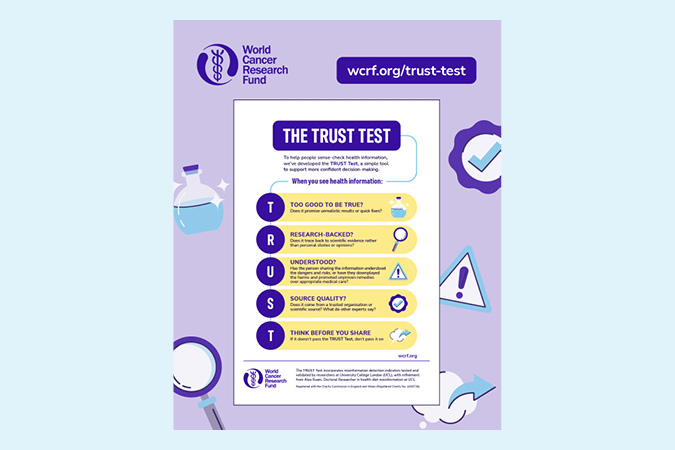
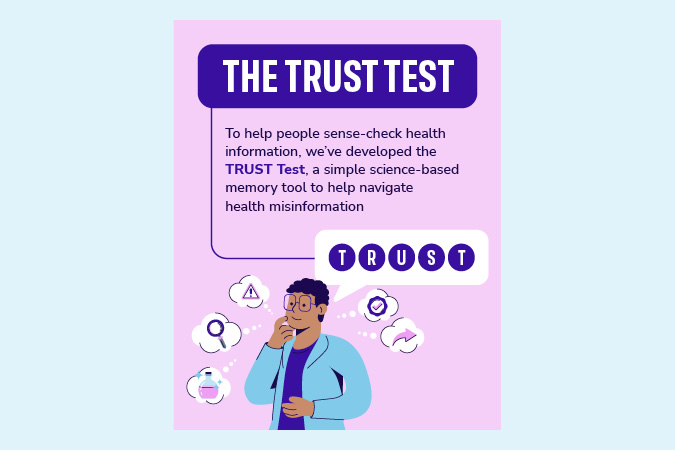
TRUST Test

Helping you ask the right questions and approach health information more critically
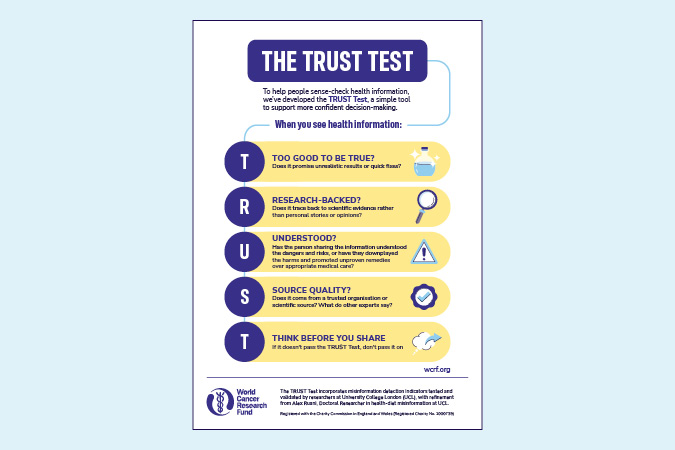
Read more about how and why we developed the TRUST Test

Polling

From research into health misinformation, trust and cancer prevention

Read more about how and why we did this research and the results of the polling
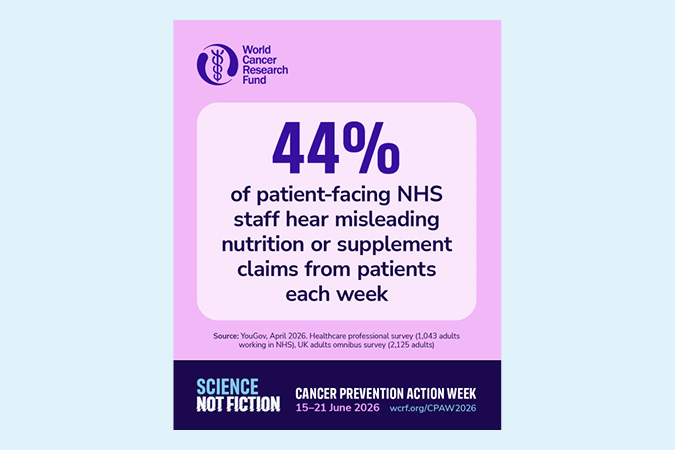
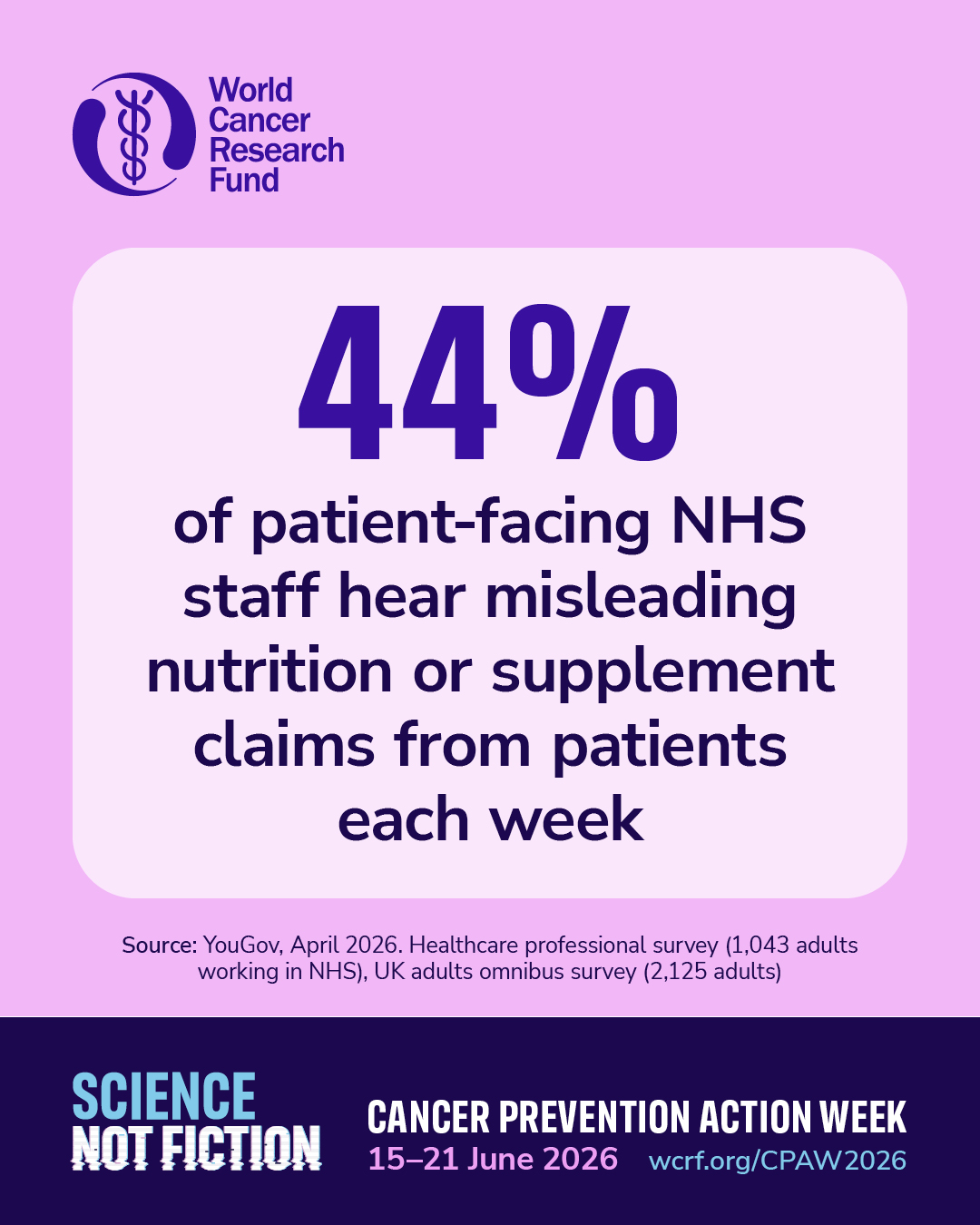
Polling stat 1: 4×5
A purple poster states: 44% of patient-facing NHS staff hear misleading nutrition or supplement claims from patients each week. It includes logos, details about Cancer Prevention Action Week, and highlights the CPAW 2026 Campaign Toolkit.
JPG, 442 KB

Polling stat 1: 4×5

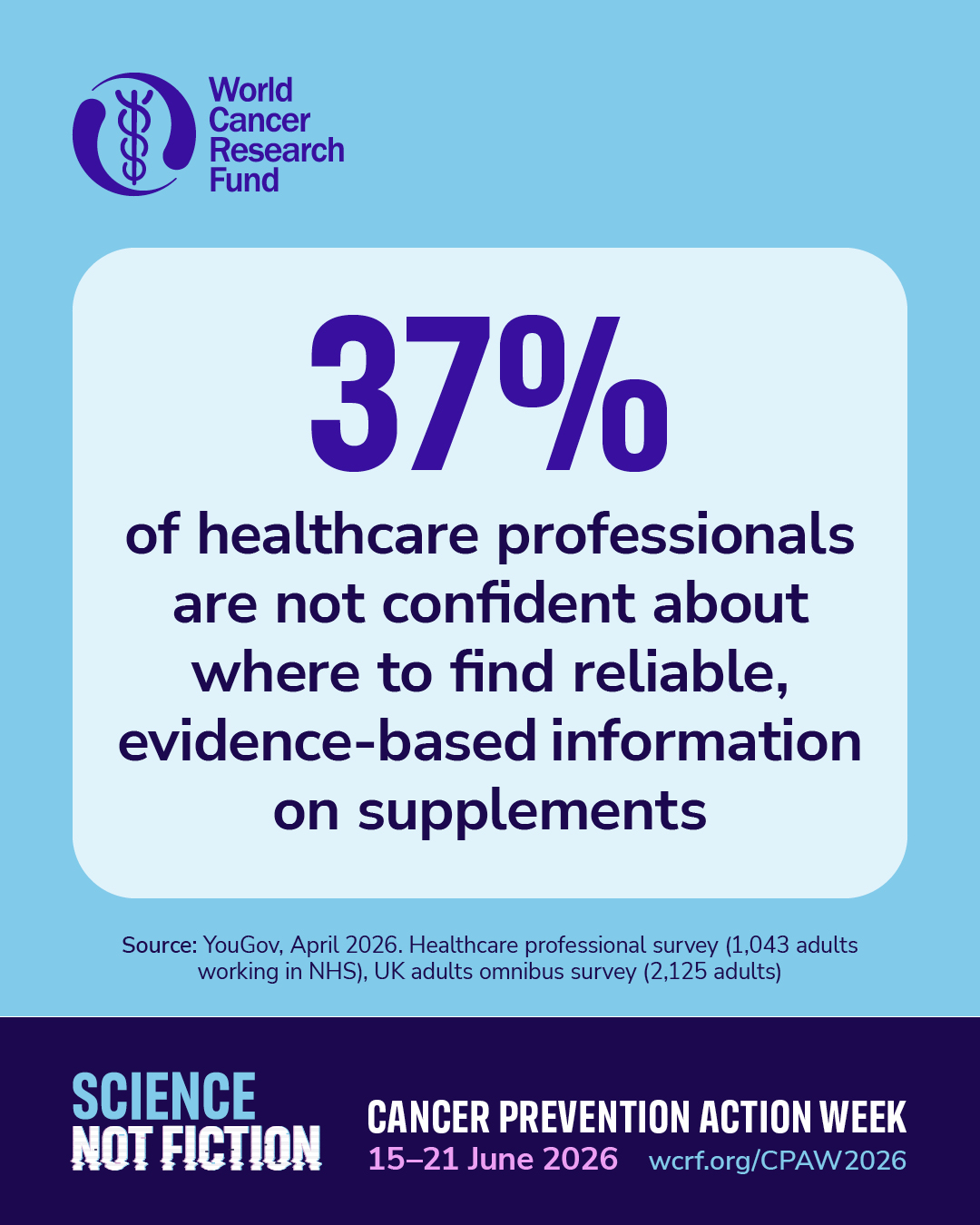
Polling stat 2: 4×5
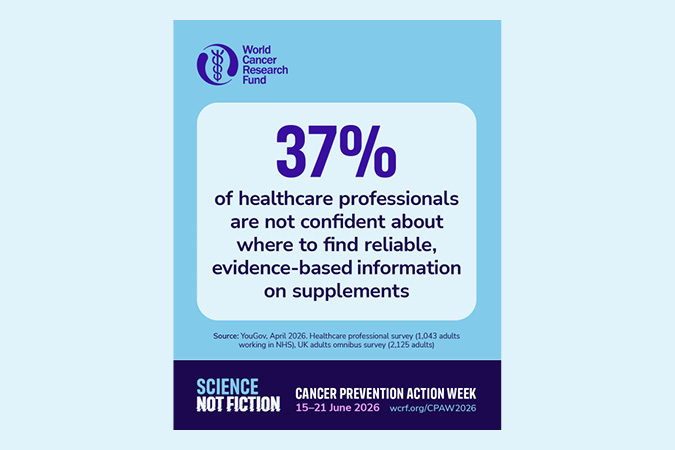
Infographic from World Cancer Research Fund stating, 37% of healthcare professionals are not confident about where to find reliable, evidence-based information on supplements. Includes CPAW 2026 Campaign Toolkit and Cancer Prevention Action Week details.
JPG, 482 KB

Polling stat 2: 4×5

Polling stat 3: 4×5
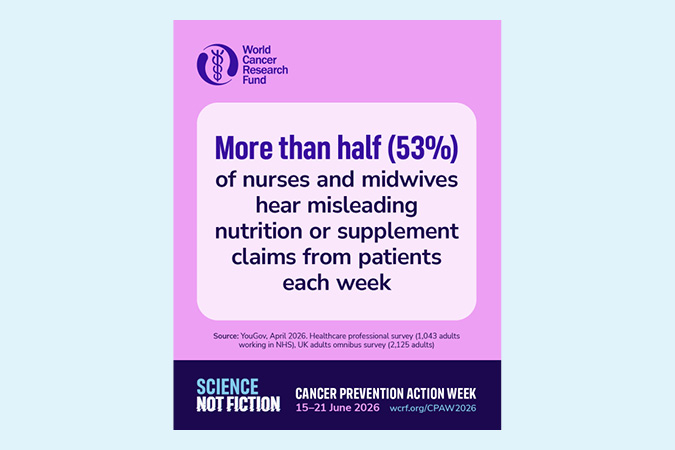
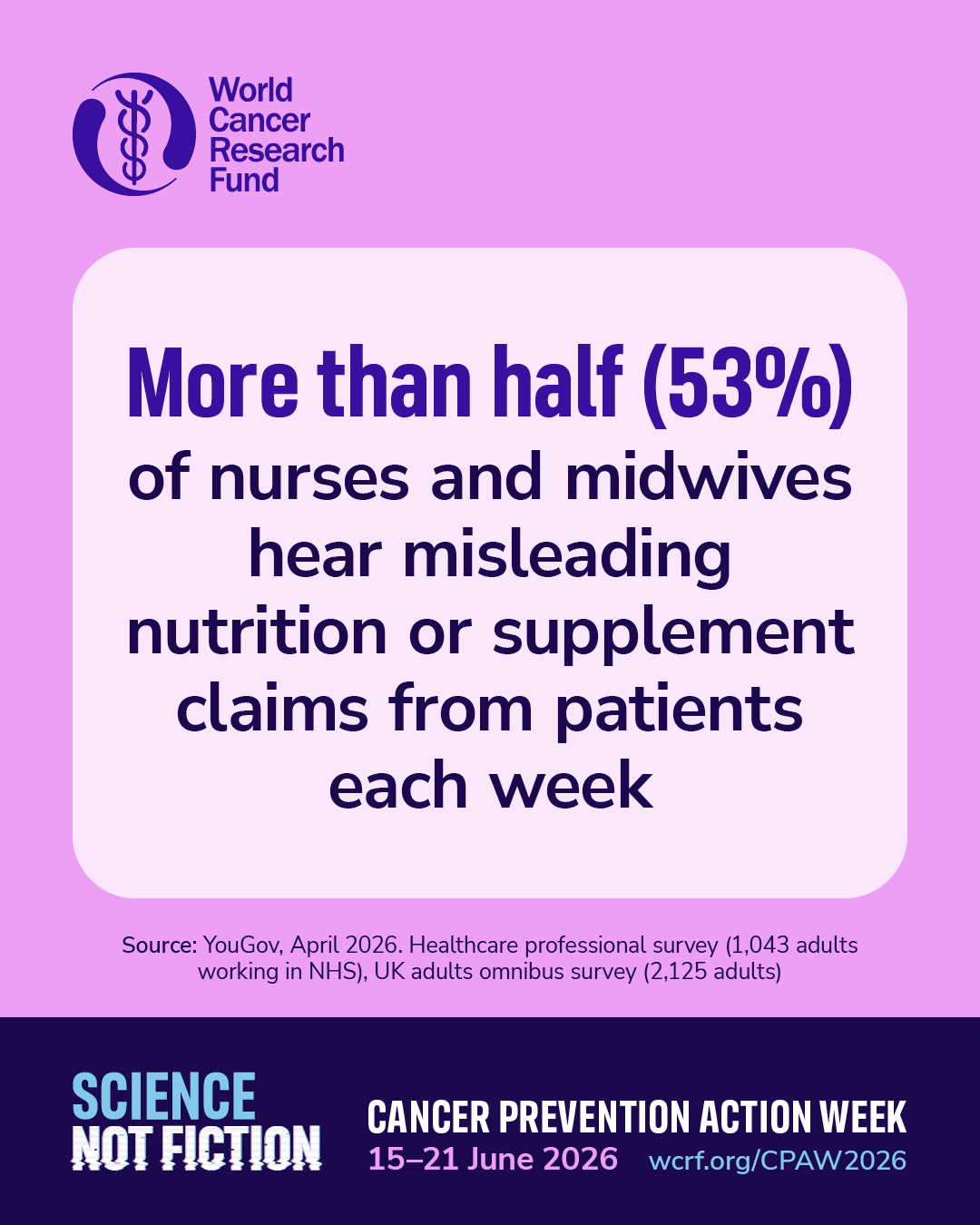
A poster from World Cancer Research Fund highlights that over half (53%) of nurses and midwives hear misleading nutrition or supplement claims weekly. It promotes the CPAW 2026 Campaign Toolkit for Cancer Prevention Action Week 2026.
JPG, 464 KB

Polling stat 3: 4×5

Polling stat 4: 4×5
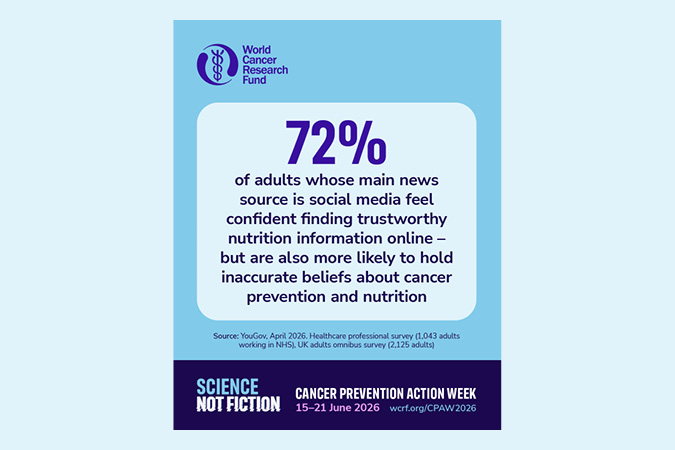
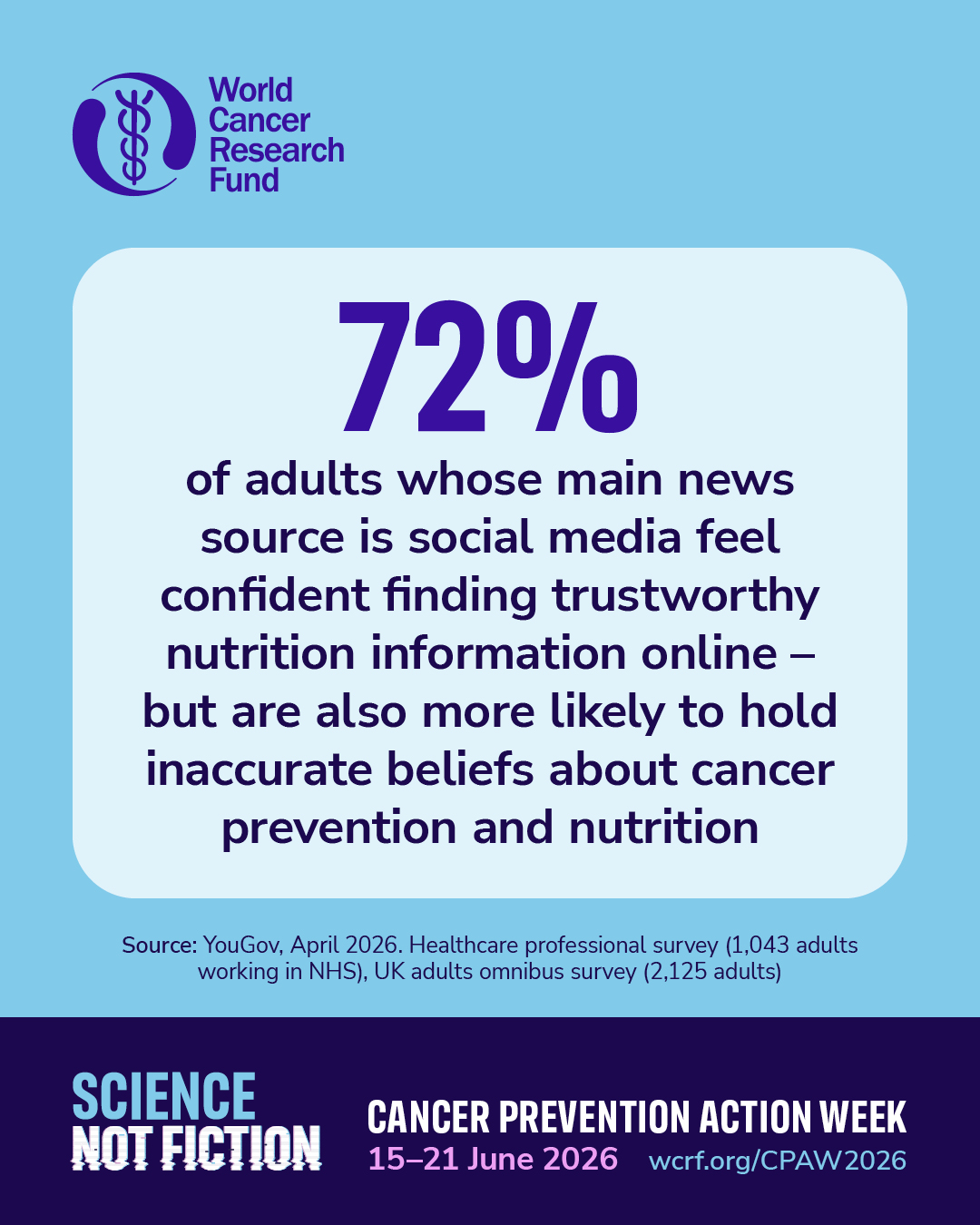
An infographic from World Cancer Research Fund, featured in the CPAW 2026 Campaign Toolkit, reveals that 72% of adults relying on social media for news feel confident about finding trustworthy nutrition info but often hold inaccurate beliefs about cancer prevention.
JPG, 536 KB

Polling stat 4: 4×5

Polling stat 5: 4×5
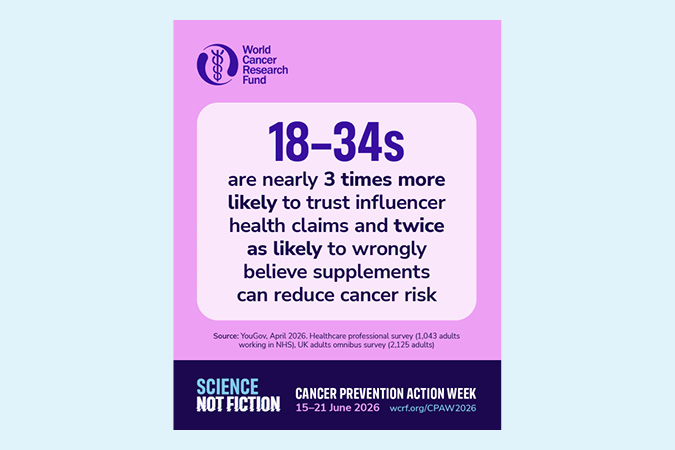
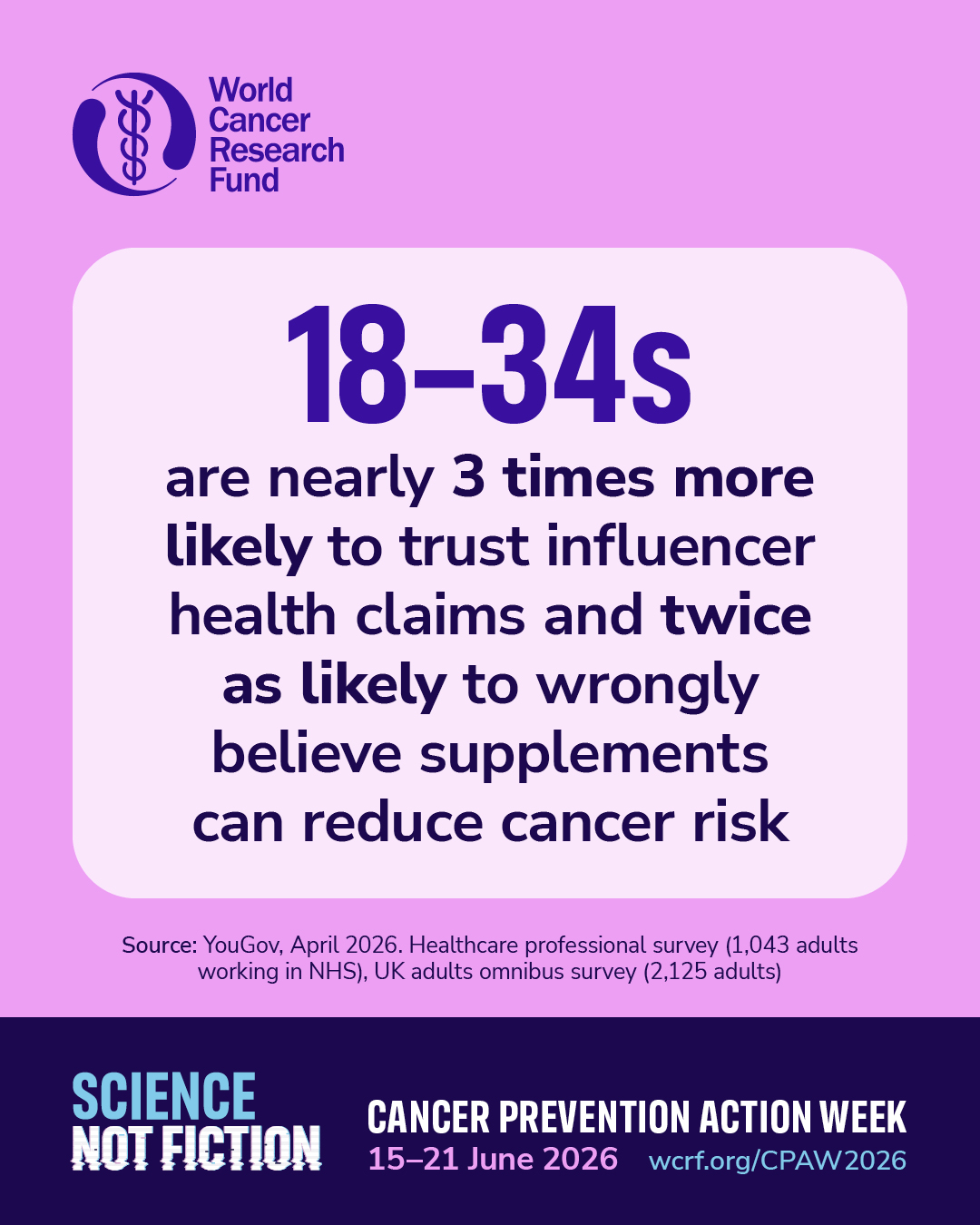
A poster from World Cancer Research Fund, featured in the CPAW 2026 Campaign Toolkit, states that 18–34s are nearly three times more likely to trust influencer health claims and twice as likely to wrongly believe supplements reduce cancer risk.
JPG, 475 KB

Polling stat 5: 4×5

Polling stat 6: 4×5
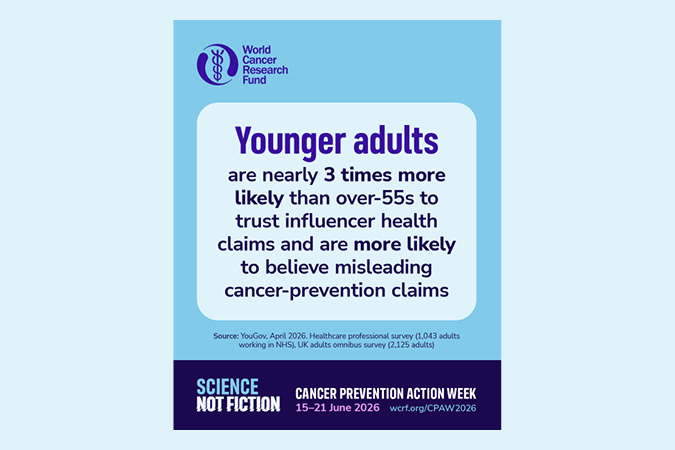
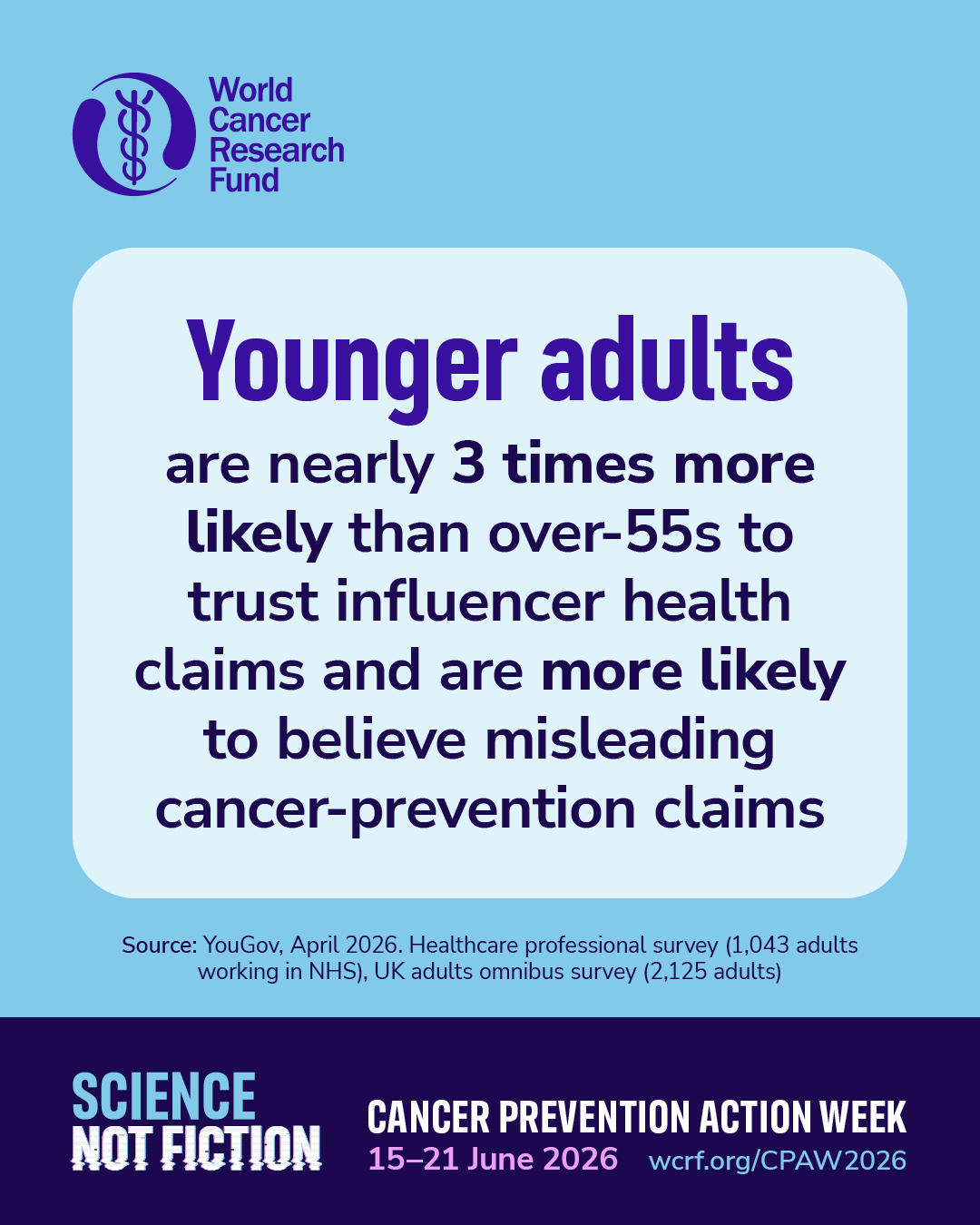
Informational poster reveals younger adults are nearly 3 times more likely than over-55s to trust influencer health claims and believe misleading cancer-prevention claims. Features dates and details from the CPAW 2026 Campaign Toolkit.
JPG, 516 KB

Polling stat 6: 4×5

Follow World Cancer Research Fund on Instagram, Facebook, TikTok, LinkedIn and YouTube
Use our hashtag #ScienceNotFiction

Social assets

Download and share one of our main campaign assets – #ScienceNotFiction

CPAW 2026: 1×1
A promotional graphic for Cancer Prevention Action Week 2026 by the World Cancer Research Fund, featuring the slogan Science Not Fiction and event dates, 15–21 June 2026, with a website link: wcrf.org/CPAW2026.
JPEG, 315 KB

CPAW 2026: 1×1

CPAW 2026: 16×9
Digital poster with the text SCIENCE NOT FICTION in large blue and white letters, promoting Cancer Prevention Action Week by the World Cancer Research Fund, held 15–21 June 2026, with a web link wcrf.org/CPAW2026.
JPEG, 307 KB

CPAW 2026: 16×9

CPAW 2026: 4×5
A poster with the text World Cancer Research Fund. Science Not Fiction. Cancer Prevention Action Week. 15–21 June 2026. wcrf.org/CPAW2026 on a blue and purple background.
JPEG, 313 KB

CPAW 2026: 4×5

Email banners

Add to your email signatures and enewsletters to show your support

Email banner: 700×150
A blue banner reads Cancer Prevention Action Week 15–21 June 2026 with a QR code and Science Not Fiction in bold letters. Website link: wcrf.org/CPAW2026.
PNG, 28 KB

Email banner: 700×150

Email banner: 700×200
A rectangular banner reads SCIENCE NOT FICTION with distorted text, promoting Cancer Prevention Action Week, 15–21 June 2026, by the World Cancer Research Fund. Website: wcrf.org/CPAW2026.
PNG, 32 KB

Email banner: 700×200

Cancer prevention resources

Practical advice and resources to support long-term health and wellbeing

The facts about alcohol
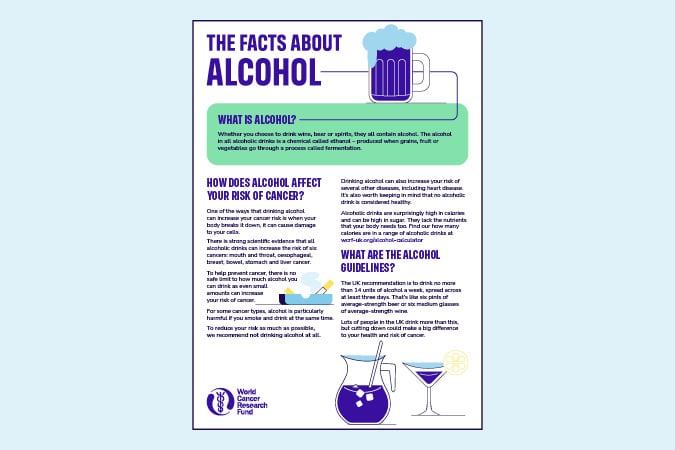
Infographic titled “The Facts About Alcohol,” explaining what alcohol is, its link to increased cancer risk, and recommended alcohol guidelines. Features illustrations of drinks and the World Cancer Research Fund logo.

The facts about alcohol

This factsheet explains how limiting how much alcohol you drink can reduce your risk of cancer.

The facts about fibre
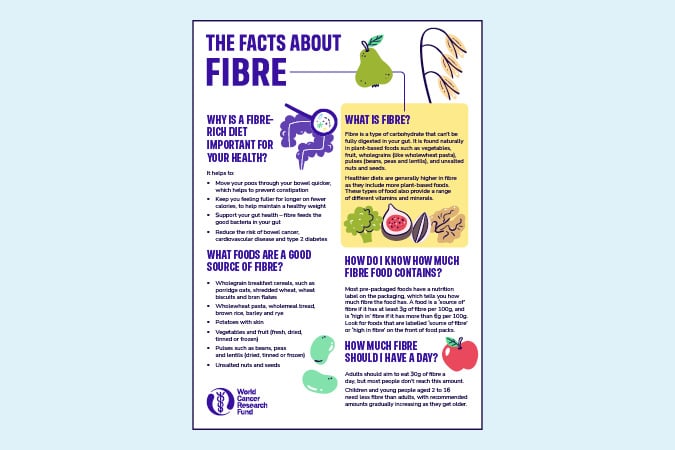
An infographic titled The Facts About Fibre explains fibre benefits, sources, daily requirements, and portion sizes. It features text, icons of fruit and grains, and the World Cancer Research Fund logo on a light blue background.

The facts about fibre

Our fibre factsheet explains the importance of fibre for your health and how to get more in your diet.

What is a 5 A DAY portion?
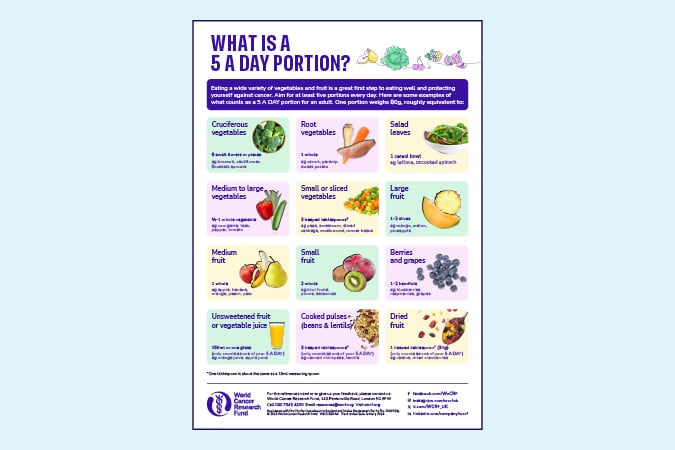
A colourful infographic titled What is a 5 A Day Portion? shows examples of fruit and vegetable portions, with images and brief descriptions for each category, including salad leaves, root veg, berries, and more.

What is a 5 A DAY portion?

Learn what counts as a 5 A Day portion and discover simple ways to add more fruit and vegetables to your meals.

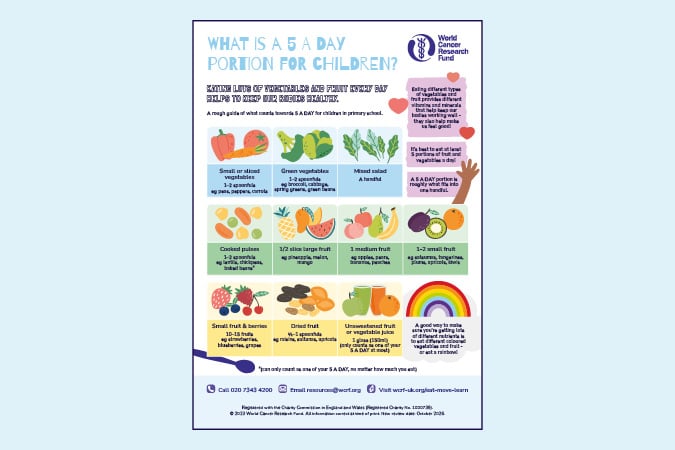
What is a 5 A DAY portion for children?
An infographic titled What is a 5 a Day Portion for Children? showing examples of fruit and vegetable portions for children, with colourful illustrations and portion size explanations, created by the World Cancer Research Fund.

What is a 5 A DAY portion for children?

A guide to a child’s daily fruit and vegetable intake, with simple, age-appropriate examples to help families build healthy habits.

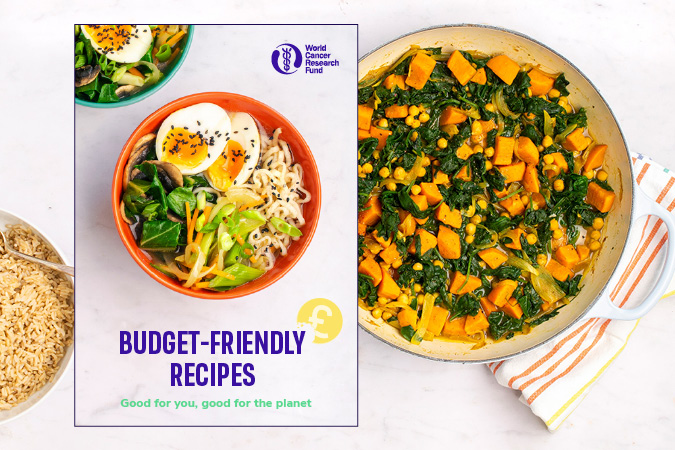
Budget-friendly recipes
Budget-friendly recipes cookbook

Budget-friendly recipes

This cookbook features 10 delicious, budget-friendly recipes designed to help you spend less on food while keeping you and your loved ones healthy.

CPAW 2026 themes

Download and share our themes-based campaign assets

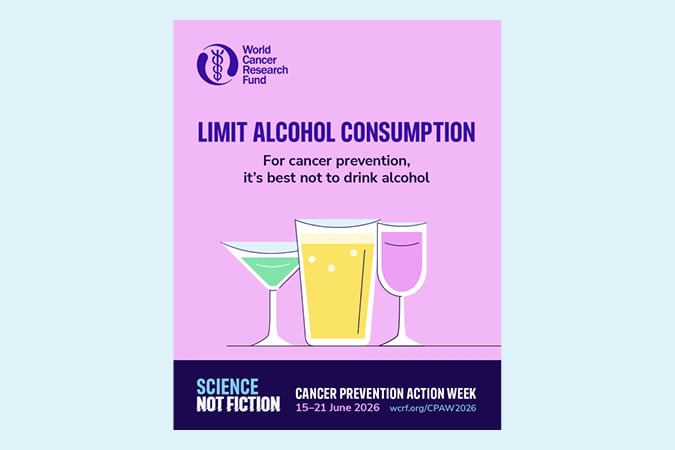
Alcohol Recommendation: 4×5
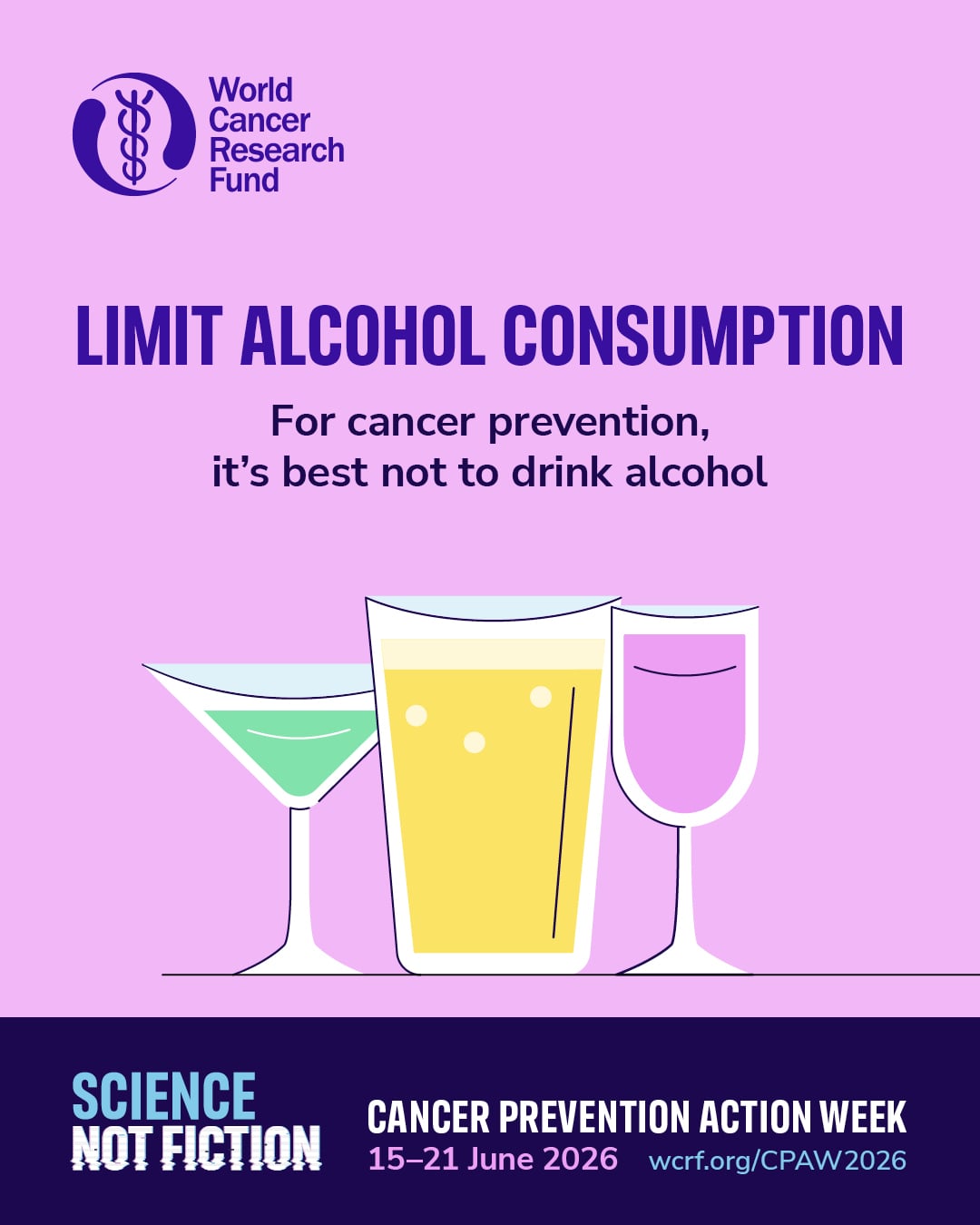
Poster with three alcoholic drinks (cocktail, wine, beer) and text: Limit alcohol consumption. For cancer prevention, it’s best not to drink alcohol. Includes logos for World Cancer Research Fund and Cancer Prevention Action Week.
JPEG, 282 KB

Alcohol Recommendation: 4×5

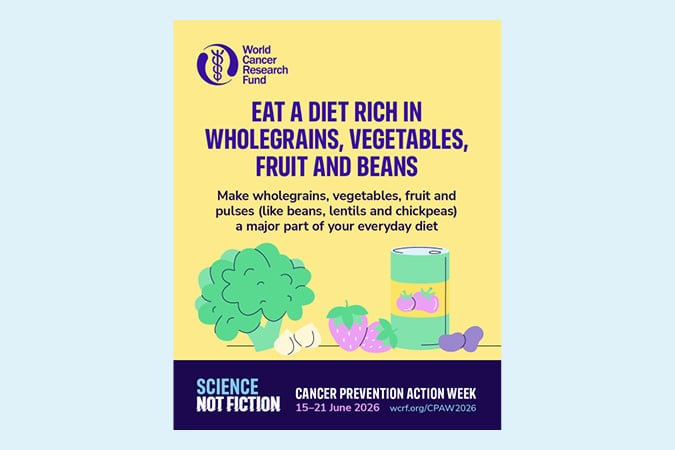
Diet Recommendation: 4×5
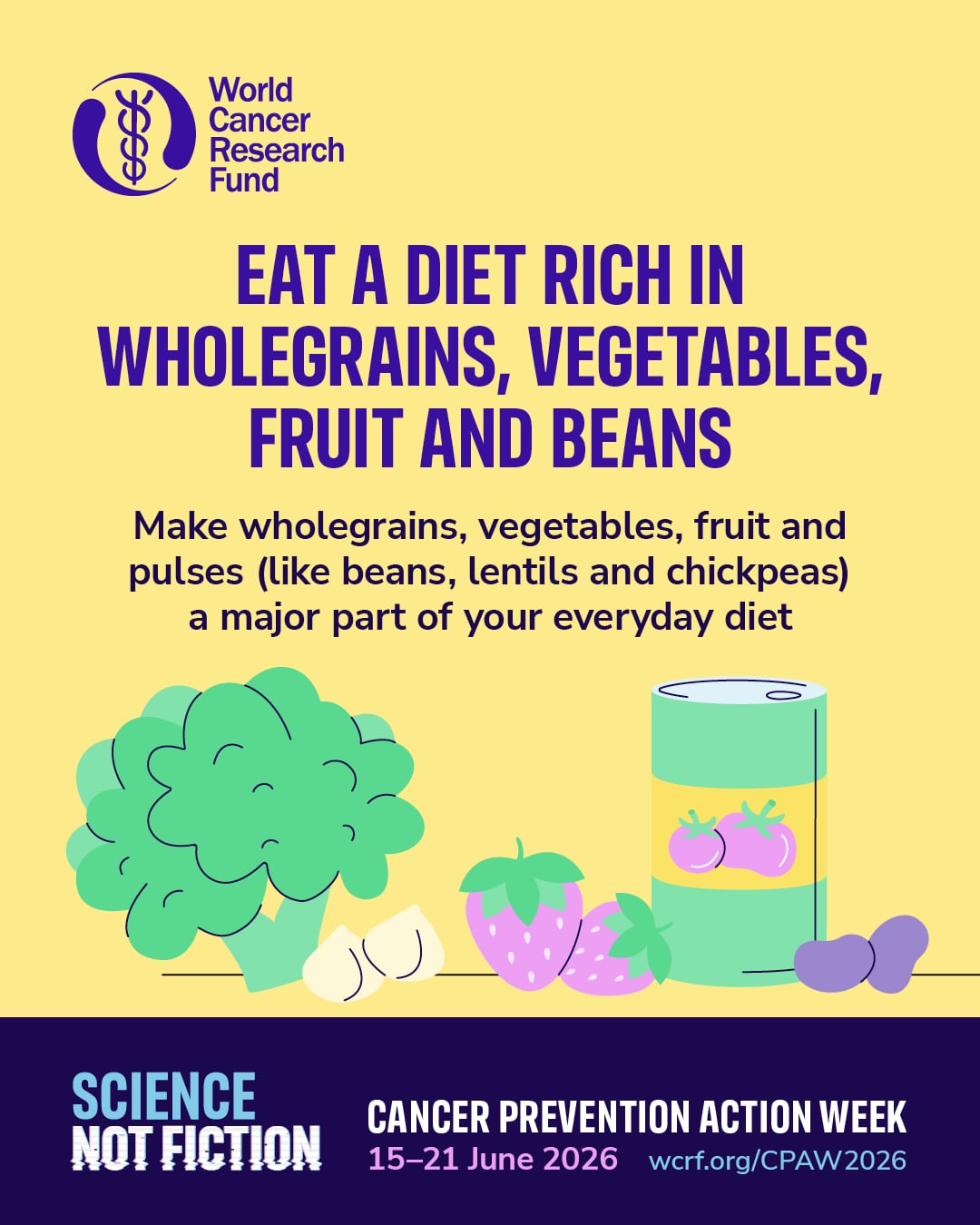
A poster from the World Cancer Research Fund advises eating a diet rich in wholegrains, vegetables, fruit, and pulses, with illustrations of broccoli, strawberries, peas, and a bean tin. Cancer Prevention Action Week is noted.
JPEG, 457 KB

Diet Recommendation: 4×5

Supplements Recommendation: 4×5
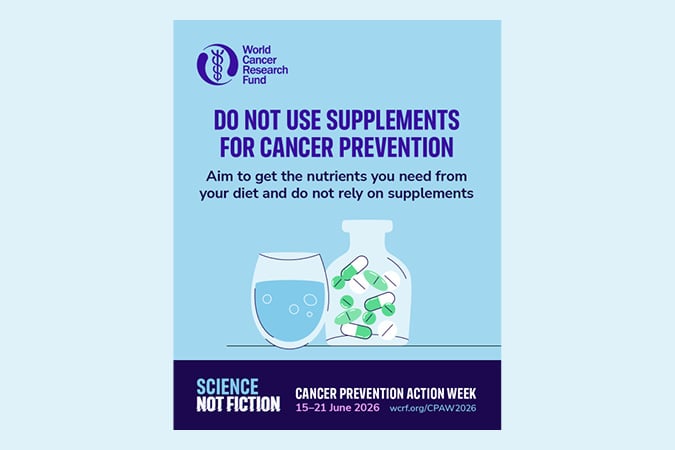
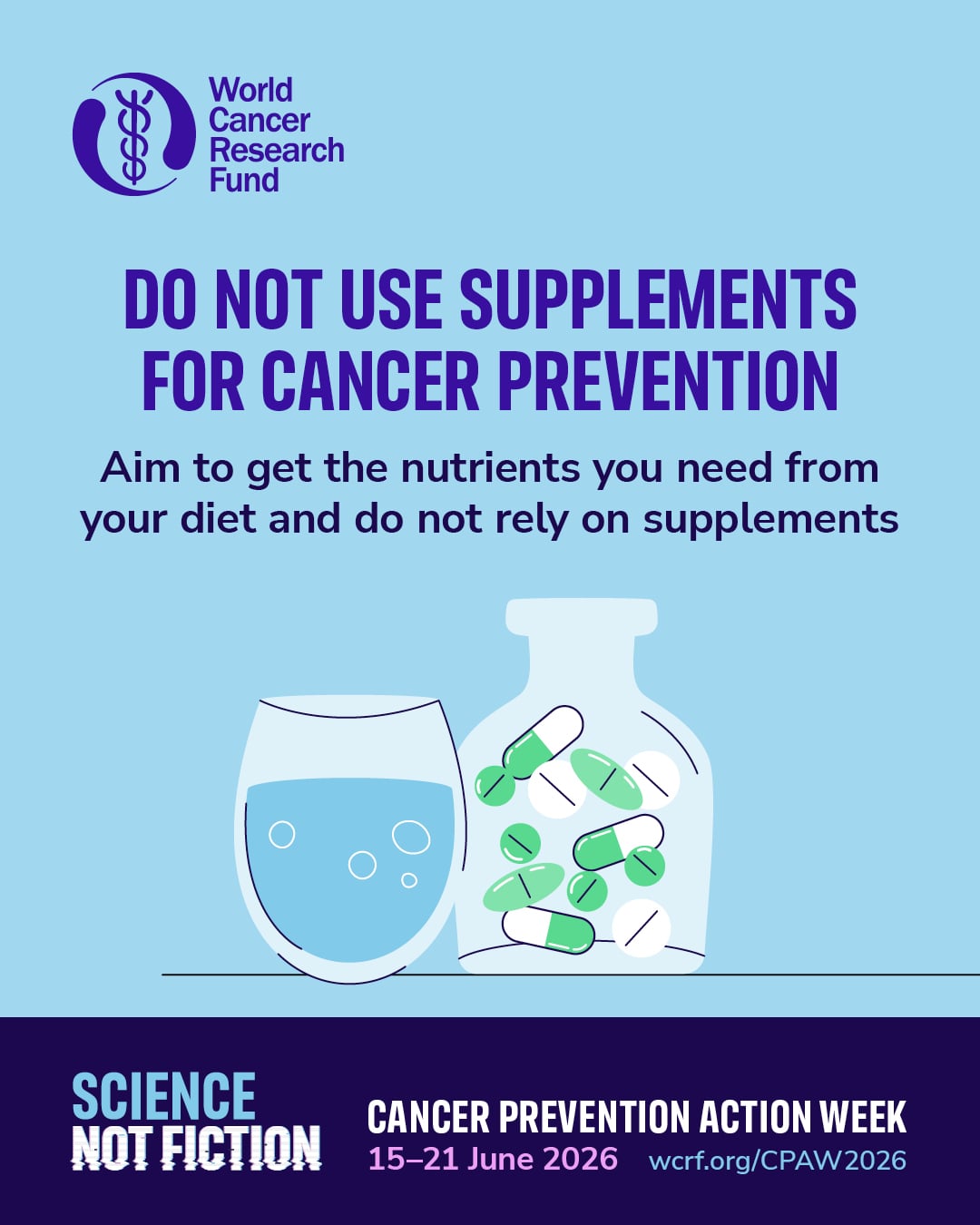
Poster from the World Cancer Research Fund advising not to use supplements for cancer prevention, showing a glass of water and a bottle of tablets. Text highlights the importance of getting nutrients from diet, not supplements.
JPEG, 377 KB

Supplements Recommendation: 4×5

Supplements and cancer prevention carousel: 4×5
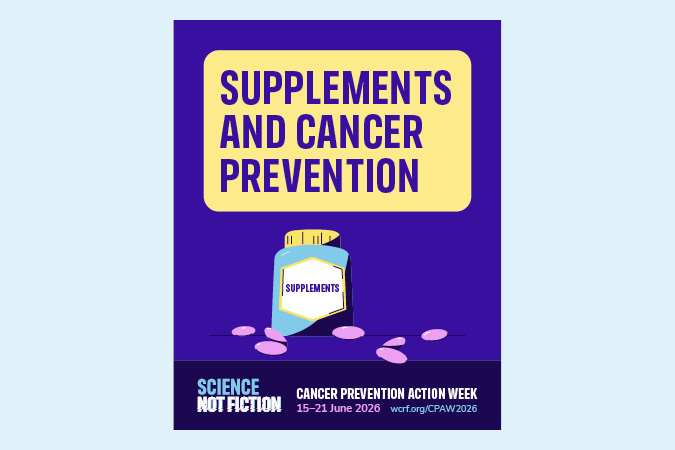
A poster with a pill bottle labelled Supplements and scattered pills. Text: Supplements and Cancer Prevention. At the bottom, Science Not Fiction, and info about Cancer Prevention Action Week, 15–21 June 2026.
ZIP, 3 MB

Supplements and cancer prevention carousel: 4×5

What is a 5 A Day portion? carousel: 4×5
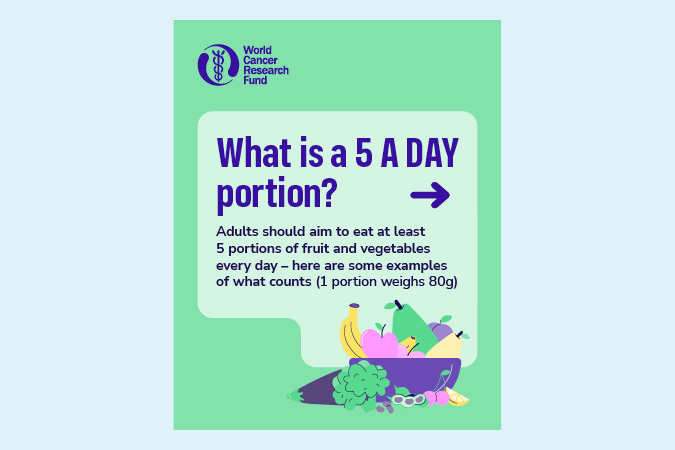
A poster from the World Cancer Research Fund titled What is a 5 A DAY portion? explains that adults should eat at least 5 portions of fruit and vegetables daily, with a graphic of assorted fruit and vegetables at the bottom.
ZIP, 4 MB

What is a 5 A Day portion? carousel: 4×5

Top tips to eat more fibre carousel: 4×5
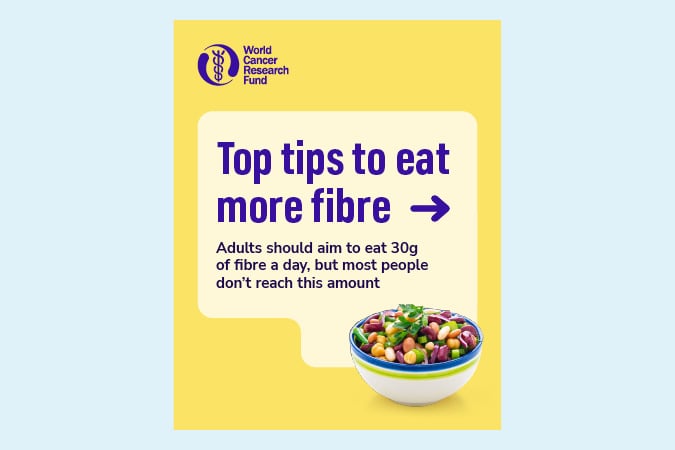
A graphic from the World Cancer Research Fund with the text: Top tips to eat more fibre. Adults should aim to eat 30g of fibre a day, but most people don't reach this amount. A bowl of mixed vegetables is shown at the bottom.
ZIP, 17 MB

Top tips to eat more fibre carousel: 4×5

Get regular updates

Sign up to our monthly UK email newsletter to hear about what’s happening for Cancer Prevention Action Week, our cancer prevention work, health tips, research findings and how you can get involved.

Name(Required)
Your name*
Email address *
Key themes
Close-up of hands using a mobile phone in low light, with the screen glowing brightly and fingers interacting with the device. The scene has a blue and purple lighting effect.

Key themes

Explore the key themes and learn how to cut through nutrition misinformation with trusted, evidence-based advice.

TRUST Test
An illustrated person in glasses thinks with a WCRF TRUST Test speech bubble overhead, surrounded by thought bubbles featuring icons for caution, checklist, search, direction, and approval.

TRUST Test

A simple tool to help you quickly assess health claims, spot misinformation and make more informed decisions.

Polling
A person in a yellow shirt holds a clipboard and writes with a blue pen. The background is out of focus, suggesting an indoor setting during Cancer Prevention Action Week (CPAW) 2026.

Polling

We commissioned YouGov to research health misinformation, trust and cancer-prevention decision-making.

Access resources

Health professionals

Support your patients in navigating health information with confidence.

Partner with us

Corporate partnerships

Partner with us to ensure people are making informed decisions about their health.

Information and advice

Living with cancer

Advice on common side-effects of cancer and cancer treatment, how to eat well and your questions answered.